
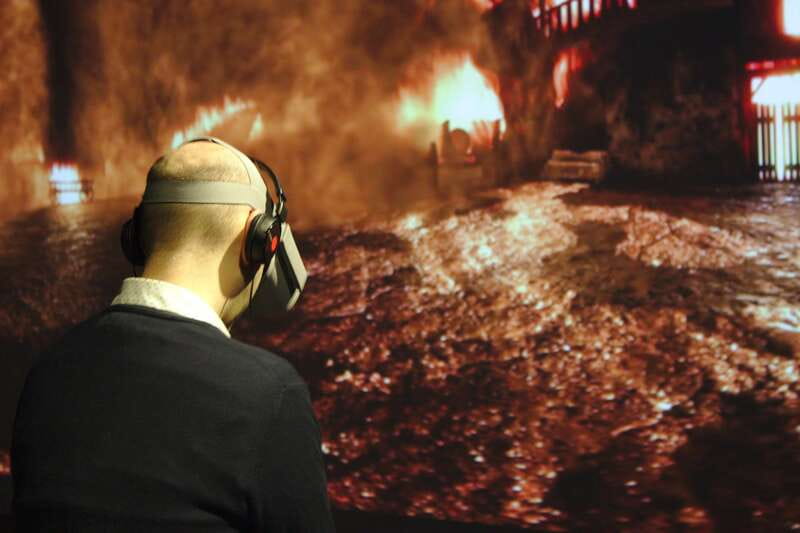
Review · QUEBEC CITY
Quebec City’s History in Virtual Reality
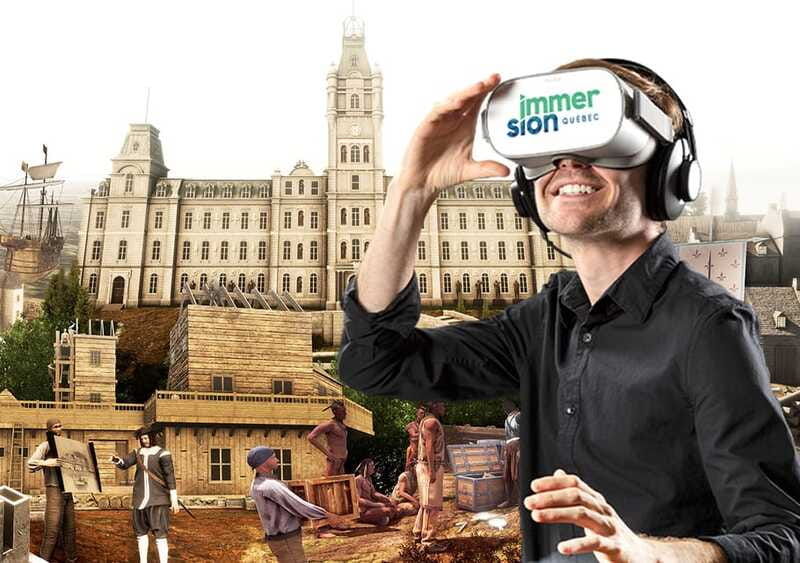
Quebec City’s past is presented here from a chair, inside the stone vaults of Maison Chevalier. For 40 minutes, a virtual reality headset carries you through 10 key moments spanning more than 400 years, with special attention to the battles and events that shaped the city.
I like two things right away: the small-group setting keeps the activity calm, and the seated format makes it easy to focus on the narration and images. The price is also sensible at $19, especially if you want a short history experience between Old Quebec walks.
The main consideration is the technology. Some scenes may look blurry or dated, and one recent visitor found the music too loud for the narration. I would choose this for its storytelling and setting first, not because it offers the newest VR graphics.
Key points to know before you go
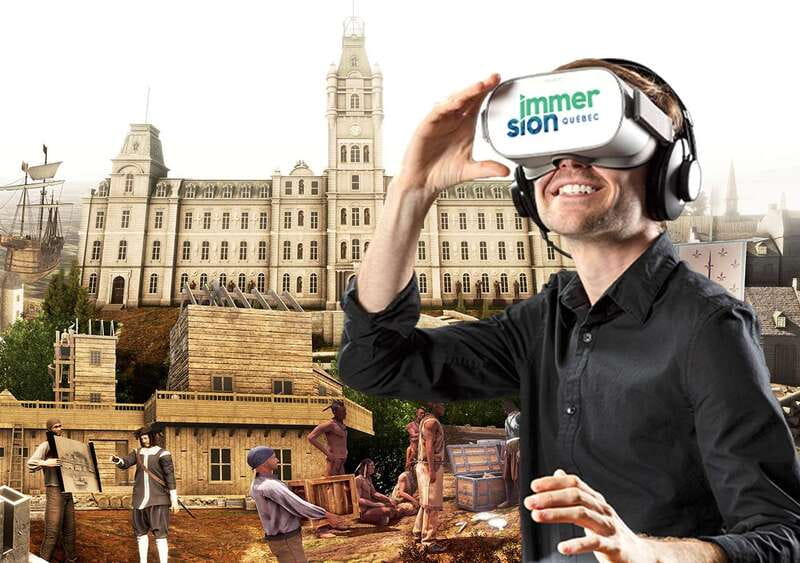
- 400 years in 40 minutes: The program moves through 10 selected moments rather than attempting a full, detailed history of every period.
- Battles are a major strength: Reenacted conflict scenes help you picture why Quebec City became so important.
- A historic setting: The experience takes place in the vaults of Maison Chevalier, a building dating to 1752.
- You stay seated: This is a good option if you want a history activity without walking or standing for a long stretch.
- Four audio languages: Choose Spanish, Chinese, English, or French audio, with English and French instruction available.
- A few technical limits: Blurry images, older-looking 3D work, or loud music may affect how clearly you follow the presentation.
Starting inside Maison Chevalier’s 1752 vaults
The location is part of the appeal. Immersion Quebec operates in the vaults of Maison Chevalier, a historic building dating to 1752. You enter through the door on the left near the sidewalk, rather than looking for a large modern attraction front.
That setting gives the activity a useful sense of place before the headset goes on. You are not sitting in a generic theater removed from the city’s past. You are below an old Quebec building while learning about the forces that shaped the streets above.
I would allow a few extra minutes to find the entrance, especially if you are already exploring Old Quebec and watching for a more obvious attraction sign. The meeting point is specific: look for the left-hand door near the sidewalk.
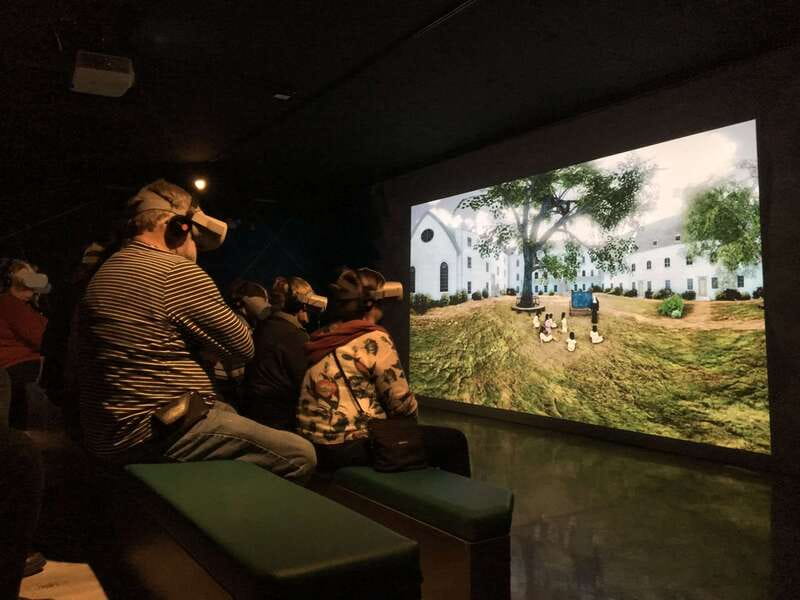
The group size is kept fairly small, which matters in a headset-based activity. You are less likely to feel lost in a crowd, and the setting should make it easier to hear instructions before the program begins. Since you remain seated throughout, the experience is also less tiring than a long walking tour.
More history-led days in Quebec City:
- Evening Gourmet Tour 5 Course Dinner – History and Food in Old Quebec City
★ 5.0 · 496 reviews - Quebec City: Old Quebec Historical Walking Tour
★ 4.8 · 409 reviews - Combo Historical and Food Tour of Old Quebec
★ 5.0 · 360 reviews
Ten moments that frame Quebec City’s past
The program covers more than 400 years through 10 selected moments. That is an ambitious amount of ground for 40 minutes, so you should expect a brisk overview rather than a detailed lesson on every neighborhood, leader, or historical period.
The structure works best if you want a clear explanation of why Quebec City matters today. The presentation connects the city to its military conflicts, changing communities, and long development, using animated scenes and historical images to give the story a visual shape.
The supplied information does not identify each of the 10 moments by name, so I would not book this expecting a published stop-by-stop itinerary. Instead, think of the program as a fast-moving historical outline. It selects major turning points and uses them to explain the city’s character.
That approach can be useful early in your visit. If Quebec City is new to you, the program gives you a basic framework before you walk through Old Quebec. Afterward, stone walls, old buildings, and historic streets may feel less like isolated sights and more like pieces of a longer story.
I especially like the decision to focus on why Quebec City is well known today, rather than presenting dates without context. A short activity needs a clear purpose. Here, the purpose is to show how conflict and change helped shape the city you see now.
Reenacted battles give the history a human scale
The battle scenes are one of the clearest reasons to choose this experience. Virtual scenes can show movement and opposing forces in a way that a printed timeline cannot. The reenactments help you picture how Quebec City became a contested place and why control of the city mattered.
You should not expect a full military seminar. The program has only 40 minutes and covers 10 moments, so the battle material is presented as part of a larger story. Still, the visual treatment can make difficult events easier to understand, particularly if you do not already know the history of Quebec City.
This is also where the format earns its price. At $19, you are paying for a short, organized presentation that combines narration, animation, and images. If you tried to gather the same basic context by reading a few plaques during a walk, you might see more physical sights but miss the visual explanation of events.
The balance is important. A headset can place you closer to a past scene, but it cannot replace standing beside the actual fortifications or walking the old streets. I would use this as a history primer, then spend time outside looking at the real city.
What the 3D animation does well, and where it falls short
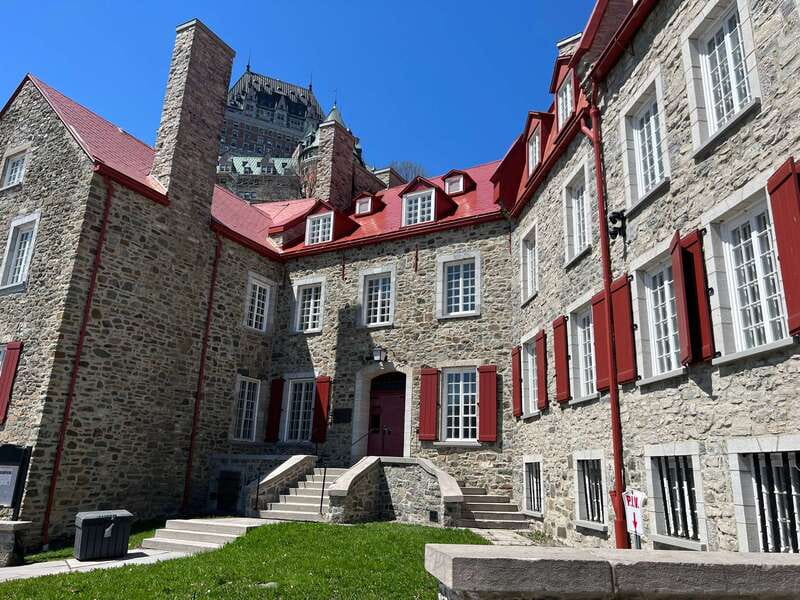
The program was built with more than 6,200 hours of research and programming. That number suggests serious effort went into assembling the material, shaping the story, and creating the digital scenes. It is not a casual slideshow with a few historical captions.
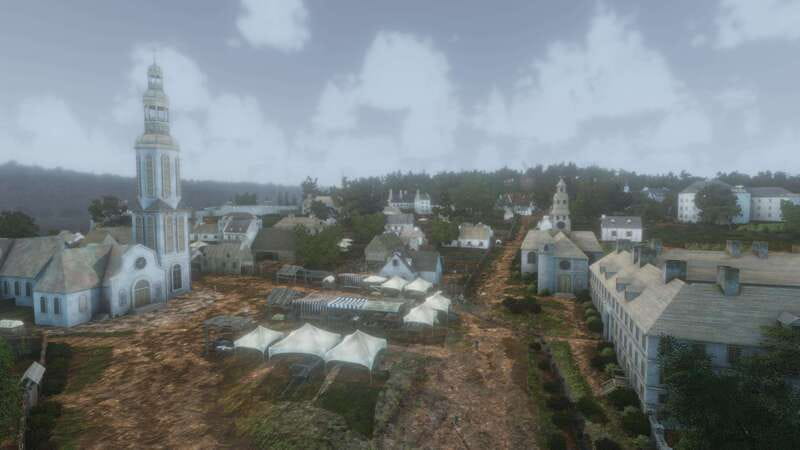
The technology has limits, though. One recent assessment found the images somewhat blurry and felt that the digital people and buildings were not always attractive or detailed enough. Another suggestion was to mix the 3D scenes with more precise 2D drawings or real photographs.
That criticism is worth taking seriously if you are choosing this mainly for cutting-edge virtual reality. The experience may not match the sharpness or realism of the newest commercial VR attractions. Older visual effects can also make some historical scenes feel less convincing.
I would judge it by what you want from it. If clear historical explanation matters more than polished graphics, the program still has value. If you expect highly detailed faces, lifelike buildings, and a modern gaming feel, you may find the presentation behind current standards.
The headset is a tool here, not the whole attraction. The strongest parts come from the combination of setting, narration, selected historical moments, and visual reenactments. The weaker parts come when the images are asked to carry too much of the story on their own.
A few more Quebec City half-days to weigh up
- Quebec City Walking Tour
★ 5.0 · 4,716 reviews - Quebec City: Guided Tour of Fairmont Le Château Frontenac
★ 4.7 · 3,027 reviews - Québec City: Guided Sightseeing River Cruise
★ 4.4 · 3,000 reviews - Half-Day Trip to Montmorency Falls and Ste-Anne-de-Beaupré from Quebec city
★ 4.0 · 2,718 reviews
Sound quality can affect the history lesson
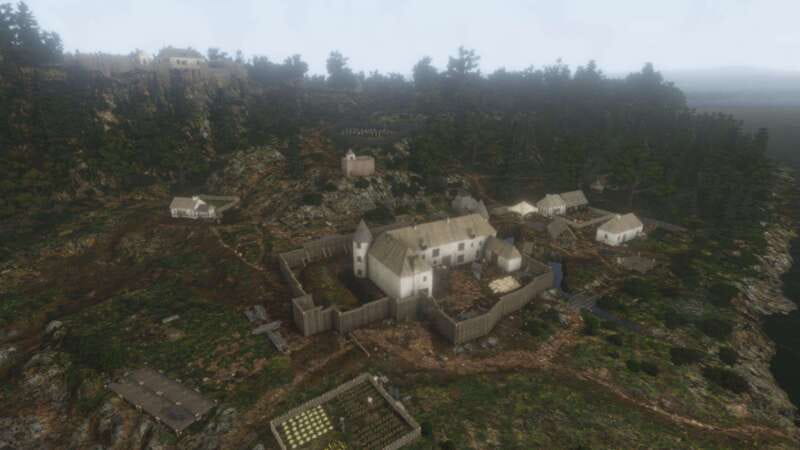
The narration is central because the visuals are not always perfectly sharp. One visitor enjoyed the experience but found that the music was too loud, making the narration difficult to hear. That is a practical issue, not a minor complaint. If you cannot follow the voice track, the historical context becomes much harder to absorb.
I would pay close attention to the sound from the beginning. If the music is overpowering, raise the issue with the staff rather than simply trying to guess your way through the scenes. The activity includes an audio guide, so clear sound should be a basic part of the experience.
The available audio languages are Spanish, Chinese, English, and French. This gives you a useful choice if you are more comfortable learning history in a language other than English or French. Instruction is provided in English and French, while the listed audio options cover four languages.
Because the program moves quickly, language choice matters. Pick the audio track that lets you follow names, events, and cause-and-effect links without extra effort. A 40-minute presentation leaves little time to recover if you miss an important explanation.
Why the seated format matters
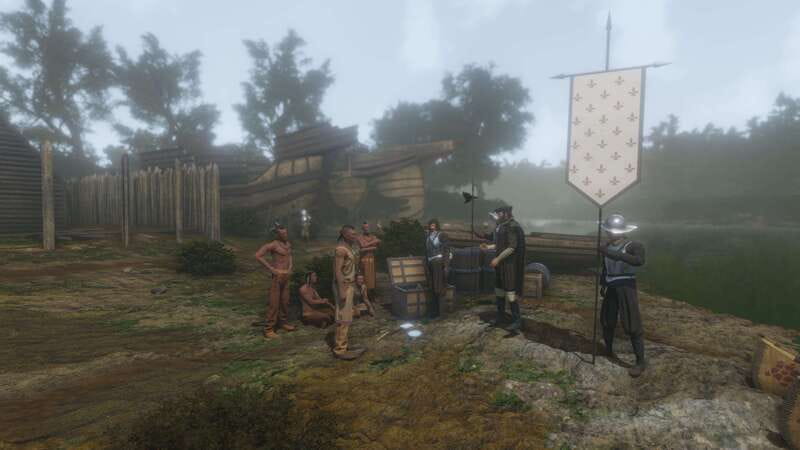
You remain seated for the full experience. That makes this a practical choice after a day of walking around Old Quebec, or for anyone who prefers a history activity without stairs, long standing periods, or movement between exhibits.
The seated format also fits the headset. You can give your attention to the virtual scenes without worrying about where to walk or what you might bump into. It makes the activity feel controlled and compact.
There is a tradeoff. A walking tour gives you changing views, physical contact with the city, and the chance to pause at a building or street corner. Here, the setting stays fixed while the virtual scenes change. I would not choose this as your only introduction to Quebec City.
Instead, it works well as a short break with purpose. You can sit down, follow a concentrated history presentation, and then return to the city with more context. For families, older visitors, or anyone needing a low-effort activity, that simplicity may be more important than high-end graphics.
Is $19 a fair price for 40 minutes?
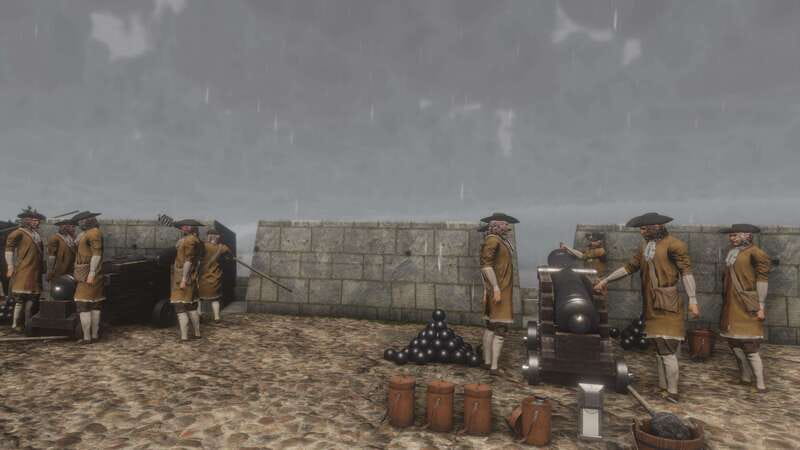
At $19 per person, the cost is moderate for a specialized activity in central Quebec City. The program lasts 40 minutes, which works out to less than 50 cents per minute, but the real question is whether the content fills that time meaningfully.
I think the value is strongest for three types of people. First, you get a useful overview if you know little about Quebec City. Second, you gain a different way to picture the battles and turning points if you already enjoy local history. Third, you have a compact indoor activity when you want something easier than another long walk.
The value is weaker if you want a long tour, personal conversation with a guide, or a brand-new VR spectacle. There is no indication of a lengthy live walking component. The experience is built around the headset, narration, and visual program.
The reported rating is 4.5 from 141 reviews, and the strongest praise centers on the activity being interesting, educational, fun, and good value. Those qualities match the format: it is short, focused, and easy to fit into a day.
The more critical comments concern presentation quality rather than the basic idea. That distinction helps you decide. The historical concept is widely appealing, but the digital images and sound may not satisfy everyone.
Who will get the most from this experience?
I would recommend it to first-time visitors who want a quick explanation of Quebec City before exploring on foot. It can help you understand why the city attracts attention today and why its military past is so prominent.
It also suits history fans who enjoy seeing events recreated rather than only reading about them. The battle scenes are particularly useful for turning abstract facts into something you can picture.
Families may appreciate the short duration and seated format, though the information provided does not give an age recommendation. I would consider the attention span of the people in your group before booking, since the program depends on following narration through a series of historical moments.
This is also a reasonable choice for people who speak Spanish or Chinese and want an audio option in those languages. French and English are available as well, and instruction is offered in both languages.
I would be more cautious if your main reason for booking is technological novelty. The production uses 3D animation and images, but some scenes may look blurred or dated. In that case, your expectations should focus on the story rather than visual realism.
How to fit it into a Quebec City day
The 40-minute length makes this easy to place between other activities. Because the program takes place in Maison Chevalier’s historic vaults, it fits naturally into a day focused on Old Quebec rather than requiring a separate trip outside the central area.
I would schedule it when you still have enough energy to listen closely. The activity is short, but it is not passive background entertainment. You need to follow the audio to understand what each scene is showing.
It can work near the beginning of your sightseeing day, when the historical overview will shape what you notice afterward. It can also work later, when you want to rest your feet while reviewing the city’s story.
Do not plan it as a substitute for seeing Quebec City in person. The best use is to pair the headset with time outside. Look at the actual buildings and streets afterward, and use the program’s broad historical outline as a guide to what you are seeing.
Booking details worth knowing
The experience costs $19 per person and lasts 40 minutes. Starting times vary, so you need to check availability for your chosen date.
You can cancel up to 24 hours in advance for a full refund. A reserve-now, pay-later option is also available, which helps if your Quebec City schedule is still shifting.
The ticket includes the virtual reality headset. You skip the ticket line, and the meeting point is the left-hand entrance near the sidewalk at the Maison Chevalier vaults.
The activity is provided by Tours Voir Quebec. Since the program is seated and contained in one location, you do not need to plan transportation between separate historical stops. The main practical task is finding the correct entrance and arriving ready to listen.
Should you book Quebec City’s History in Virtual Reality?
Book it if you want a short, seated history lesson with battle reenactments, multiple audio languages, and a memorable setting inside an 18th-century building. At $19, it offers a reasonable introduction to the forces that shaped Quebec City.
Skip it if you want a long personal tour, a detailed stop-by-stop history, or state-of-the-art VR graphics. The images may look blurry or dated, and loud music could make the narration harder to hear.
My advice is simple: treat this as a compact orientation, not a replacement for Old Quebec itself. If you have 40 minutes and want more context before or after your walk, it is a worthwhile addition. If your schedule is tight and you already know the city’s history, spend the time outdoors instead.
FAQ
How long does Quebec City’s History in Virtual Reality last?
The experience lasts 40 minutes.
How much does the experience cost?
The listed price is $19 per person.
Where does the experience take place?
It takes place in the vaults of Maison Chevalier, a historic building dating back to 1752, in Quebec City.
How do I find the entrance?
The entrance to Immersion Quebec is the door on the left near the sidewalk.
Do I remain seated during the experience?
Yes. You remain seated throughout the virtual reality presentation.
How many historical moments does the program cover?
The program covers 10 key moments from more than 400 years of Quebec City history.
Which audio languages are available?
Audio is available in Spanish, Chinese, English, and French.
What languages are used for instruction?
Instruction is provided in English and French.
Can I cancel my booking for a refund?
Yes. You can cancel up to 24 hours in advance for a full refund. A reserve-now, pay-later option is also available.
Just added around Quebec City
- Stoneham: Nordic spa Thermal Experience★ 4.9 · 20 reviews
- Quebec : Old Town Walking Tour With A Local Guide★ 4.5 · 38 reviews
- Quebec: Christmas Interactive Walking Tour of New France★ 4.3 · 7 reviews
- Quebec Interactive Street Theatre: “Crimes in New France”★ 4.6 · 175 reviews
- Québec: Fortifications-of-Québec Guided Walking Tour★ 4.7 · 60 reviews
- Québec City: Weekend River Brunch Cruise★ 4.5 · 116 reviews
- Quebec City: Winter Walking Tour in Old Quebec★ 4.9 · 30 reviews
- Quebec City Private Walking Tour with Funicular Ride★ 4.8 · 10 reviews
Quebec City Tours, compared.

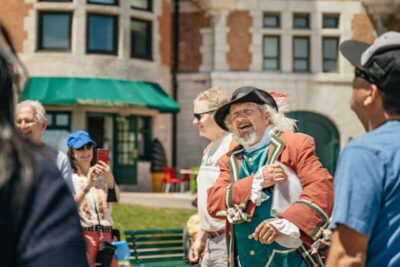


Half-Day Trip to Montmorency Falls and Ste-Anne-de-Beaupré from Quebec city
Read our review →
Old Quebec City: Grand Walking Tour with Private Option
Read our review →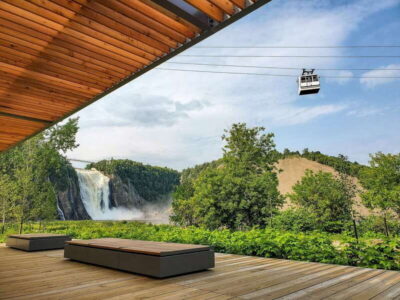
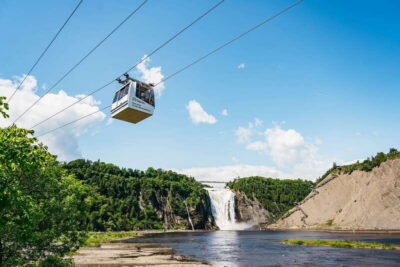
Montmorency Falls & Ile d’Orleans Half-Day Tour
Read our review →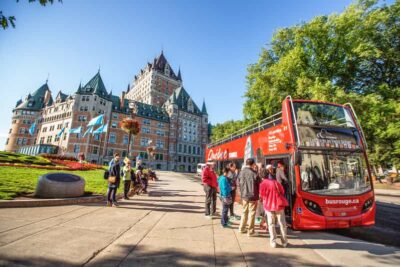
Hop-on Hop-off Open-Top Double Decker Bus Tour
Read our review →Browse the lists this tour appears in