
Review · QUEBEC CITY
Quebec City: Honey and Distillery Tour with Tasting
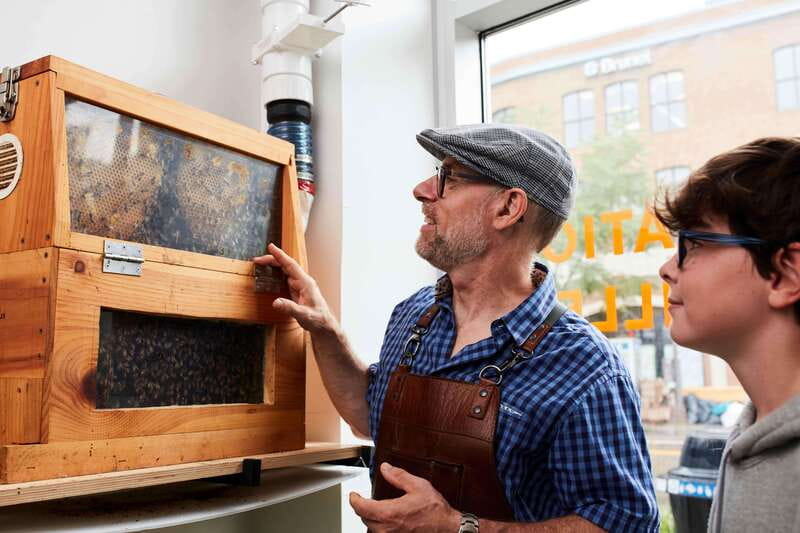
The most unusual part of this Quebec City tasting tour comes before the first sip: you watch bees working inside a live, all-season observation hive. It is a close look at urban beekeeping without waiting for warm weather or heading out into the countryside.
I like two things right away. First, the guide takes you from bee to bottle, so the tasting has a clear purpose. Second, the tour is led by people who actually keep bees and make the drinks, including co-owners such as Frederic, also called Fred, and Nadine. The one drawback is the first 45 minutes take place indoors in a fairly small room, which can feel tight.
Key points to know before you book
- Live hive in every season: Watch bees at work indoors, a rare feature for a city tasting.
- Bee to bottle in one visit: Follow honey extraction, fermentation, distillation, ageing, formulation, and bottling.
- Three drinks included: Taste three meads and spirits, with the effervescent mead included in the standard lineup.
- Owner-led and bilingual: Tours are offered in English or French and may be led by an owner-beekeeper and distiller.
- Small group setting: The group is limited to eight people, leaving room for questions.
- Good downtown value: At $21 per person, you get a guided production tour, hive viewing, and tasting under one roof.
A working bee hive in downtown Quebec City
Apikol is not simply a bar with a few bottles on a shelf. In Quebec City’s Saint-Roch district, this urban distillery combines a honey house, mead house, distillery, and tasting area in one location.
That arrangement makes the visit feel practical. You are not hearing a general talk about honey and then heading somewhere else for drinks. You can see how the raw material connects to the finished product, step by step.
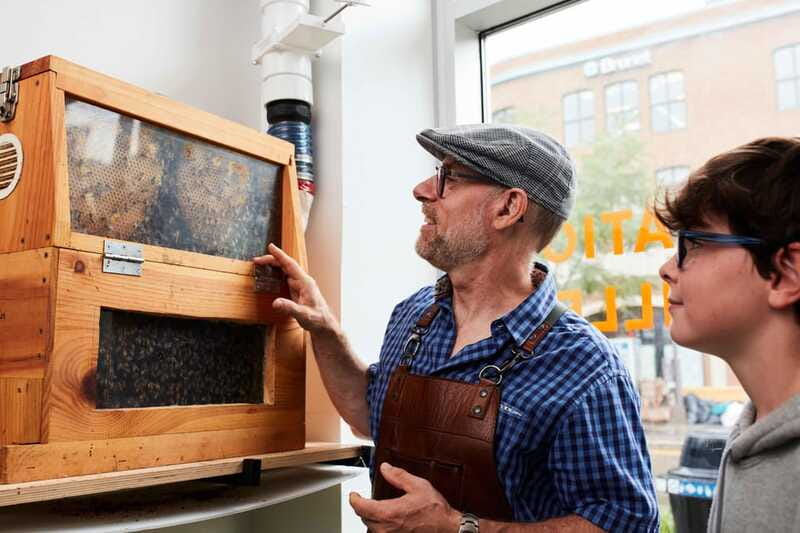
The tour begins at the live observation hive. Since the hive is indoors and designed for all-season viewing, you can take this tour in winter as easily as in summer. That matters in Quebec City, where a cold or snowy day can change your plans quickly.
The hive is small, but it gives you a useful view of bee activity. You can watch the insects at work while the guide explains the life of bees, beekeeping equipment, and the way honey is collected. The point is not a dramatic wildlife encounter. It is a close, controlled look at a working part of the business.
I find this opening especially helpful for people who know honey mainly as a sweetener. You begin to see it as an agricultural product that depends on the health and work of a colony. The guides also connect the urban setting to the hives located around the city.
More food tours in Quebec City:
- Old Quebec City Food Tour with 10+ Autentic Local Tastings
★ 5.0 · 1,288 reviews - Evening Gourmet Tour 5 Course Dinner – History and Food in Old Quebec City
★ 5.0 · 496 reviews - Combo Historical and Food Tour of Old Quebec
★ 5.0 · 360 reviews
From honey extraction to the first fermentation
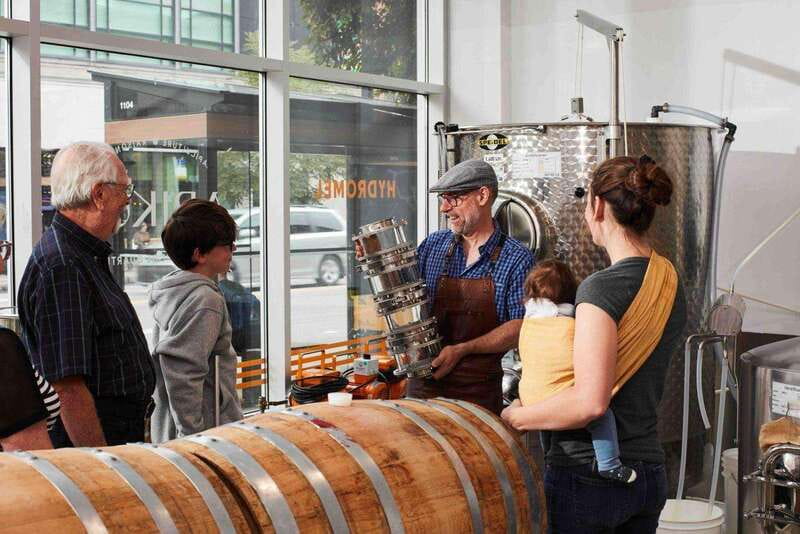
After the hive, the tour moves into honey extraction and processing. You learn how honey is removed and prepared before it becomes a drink.
This part gives the tasting more meaning. Mead is made by fermenting honey, so the sweetness you taste later starts with the character of the original honey and the choices made during production. The guide explains how Apikol transforms its own honey into mead and spirits, with an emphasis on local sourcing.
The explanations can be detailed. Frederic, known as Fred, has been praised for explaining both bee activity and honey collection in a way that is clear and entertaining. Nadine has also guided tours and spoken about the project’s ecological goals. The exact guide depends on the schedule, but you can expect someone directly involved in the operation rather than a detached presenter.
You should plan to ask questions. The group limit is eight, and the small size suits a conversation better than a large lecture. If you want to know how honey differs from other distilling ingredients, or why a particular drink tastes the way it does, this is the time to ask.
How honey becomes mead and spirits
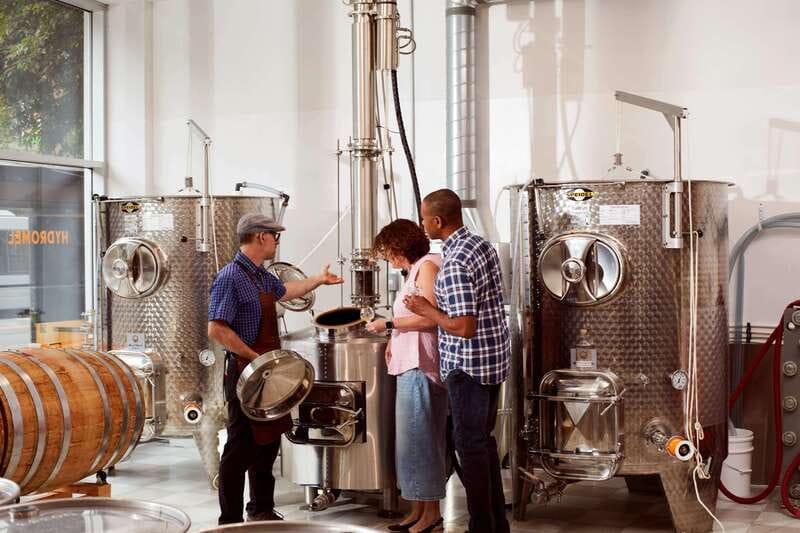
The second major part of the visit follows the production chain into fermentation, distillation, ageing, formulation, and bottling. You do not just taste the final drinks. You get the basic working explanation behind them.
Mead is the easiest place to see the connection between honey and alcohol. Fermentation changes the honey into a drink with its own flavor and character. Apikol also makes spirits from honey, including products compared by visitors to gin, vodka, and eau-de-vie styles.
The result is a useful lesson in how one local ingredient can produce very different drinks. A mead can be lighter and more wine-like, while a distilled product has a different strength and texture. The tasting lets you compare those categories instead of treating all honey-based alcohol as the same thing.
You will hear about the stages that follow fermentation, including distillation and ageing. The tour also covers formulation and bottling, which helps explain why the final drinks are not simply poured straight from a still.
Apikol places strong emphasis on reducing its ecological footprint. The business brings urban agriculture, beekeeping, honey production, and spirits together in a compact operation. The owners explain how they try to reduce waste and create a positive environmental effect.
I like this part because the environmental message is tied to actual production. You can ask the people making the drinks how their project works instead of reading a general statement on a wall. Still, keep your expectations measured. This is a one-hour introduction, not a technical distilling course or a full audit of the company’s environmental practices.
The tasting: three drinks, including sparkling mead
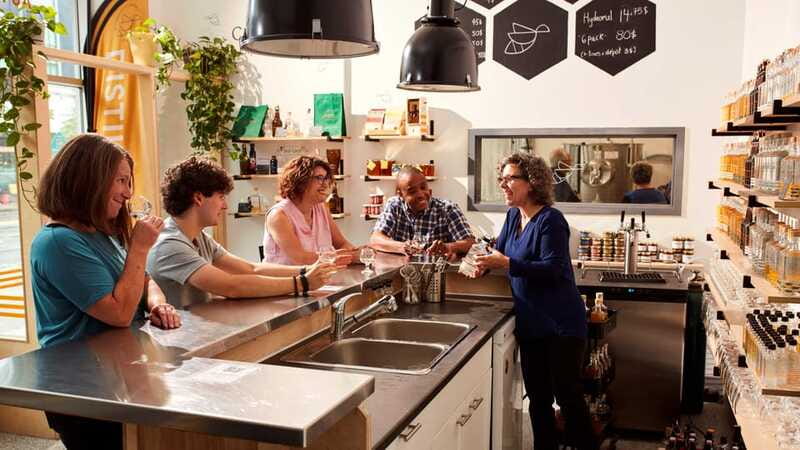
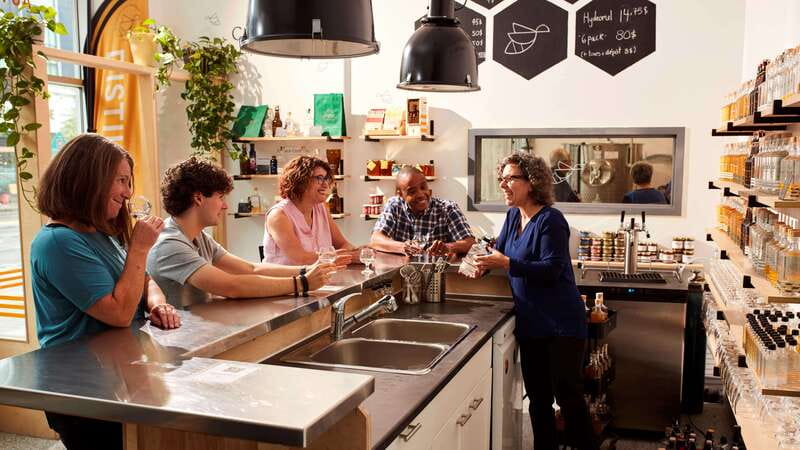
The tour ends with a guided tasting. The standard experience includes three products, including Apikol’s effervescent mead. The tasting portion is described as about 15 minutes in the tour outline, while the broader schedule allows roughly 30 minutes for aperitif and beverage tasting. In practice, you should allow the full hour and expect the pace to be relaxed but focused.
An in-house expert explains the products as you taste them. The selection can include meads and spirits, and additional products may be available for a small extra charge. You may also finish with pure, fresh honey from one of the city hives.
The tasting is not an afterthought. It gives you a way to test the differences the guide has just explained. If you prefer cocktails, you may find the gin-style spirit especially interesting. One participant singled out the gin as a favorite, while others enjoyed the range of drinks and the presentation.
You should not expect a long bar session. Three samples in a short tasting period are designed to introduce the products, not replace an evening out. If you are hoping to try every bottle, ask about adding samples for a supplement.
The tasting area also gives the visit a more social finish. You can talk with the guide, ask about the products, and decide if you want to take a bottle or honey home. That makes the experience useful for both curious drinkers and people looking for a Quebec-made food gift.
A few more Quebec City half-days to weigh up
- Quebec City Walking Tour
★ 5.0 · 4,716 reviews - Quebec City: Guided Tour of Fairmont Le Château Frontenac
★ 4.7 · 3,027 reviews - Québec City: Guided Sightseeing River Cruise
★ 4.4 · 3,000 reviews - Half-Day Trip to Montmorency Falls and Ste-Anne-de-Beaupré from Quebec city
★ 4.0 · 2,718 reviews
Why the $21 price is good value
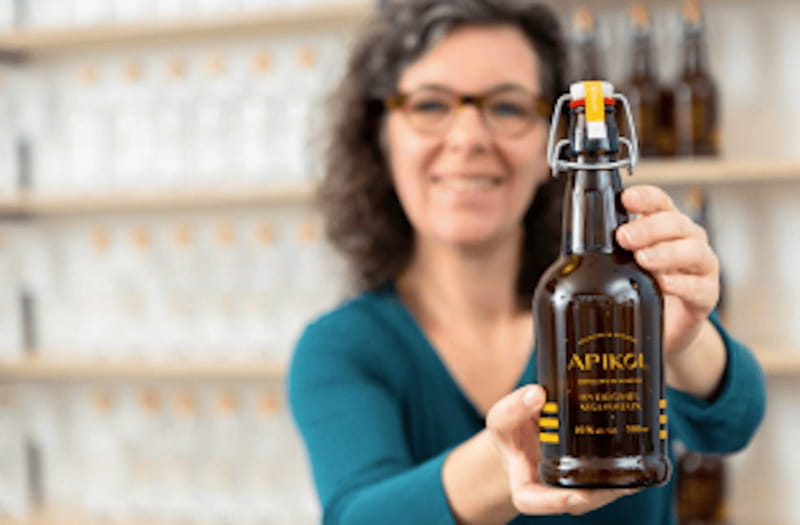
At $21 per person, this is a strong value for a one-hour indoor activity in central Quebec City. The fee covers the owner-led visit, access to the distillery, the observation hive, and three tastings.
The value comes from the combination. A basic tasting might give you drinks but no production story. A bee presentation might explain the insects but stop before the finished product. Apikol links both sides in one visit.
The small group also matters. With a maximum of eight participants, you are less likely to be lost at the back of the room. You can usually follow the guide’s explanations and ask questions without turning the tour into a formal classroom.
There are limits. At one hour, the tour is short. You will get an overview rather than a long visit through every stage of production. The room can feel cramped during the first section, especially if the group reaches its eight-person limit.
Even with that consideration, the price works well for a rainy afternoon, a winter break from sightseeing, or a short stop between other Saint-Roch plans. It is also a good choice if you want an activity that is more distinctive than a standard bar tasting.
Who will enjoy Apikol most
I would recommend this experience to adults who like local food, craft drinks, beekeeping, or small businesses with an environmental focus. You do not need prior knowledge about bees or spirits. The tour starts with basic ideas and builds toward the tasting.
It also suits people who prefer meeting the makers. The owners are involved in guiding and explaining the process, so the tone can feel personal rather than polished and corporate. Guides have been described as funny, friendly, passionate, and willing to answer questions.
The tour works well for couples, solo visitors, and small groups. The eight-person limit helps solo visitors join a real conversation instead of being left on the edge of a large crowd.
Families can attend, with an important restriction: anyone under 18 receives a non-alcoholic beverage. Children may find the bee hive interesting, but the fermentation and distillation portion is aimed more at adults.
You should choose another activity if you want outdoor scenery, a long meal, or a full cocktail class. This is an indoor production visit with a short tasting. Its appeal is the unusual subject and the direct connection between urban bees and locally made drinks.
Language, timing, and useful planning tips
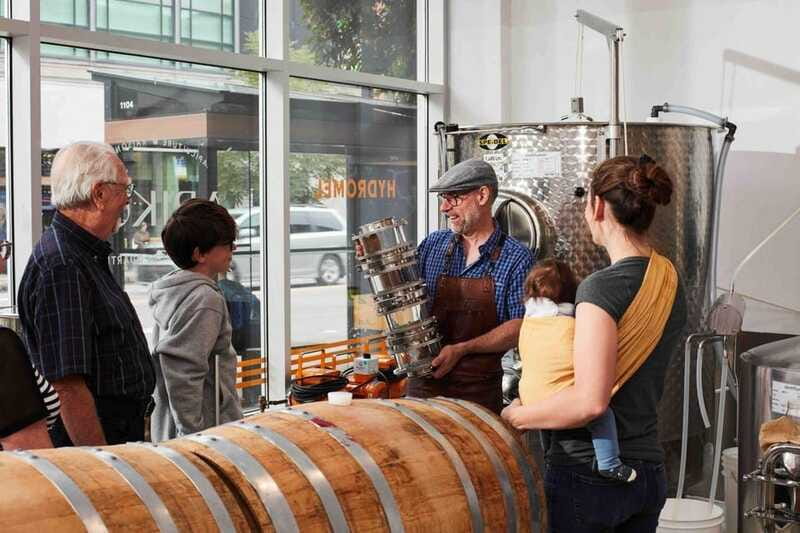
Tours are available in French and English. Check the available starting time when booking, since the experience lasts about one hour and start times vary.
When you arrive at Apikol, check in at the distillery front desk and say you have booked a distillery tour. A separate entrance is available for the tour, which helps keep the arrival simple.
Wear something comfortable for standing and listening indoors. The tour is not described as a strenuous activity, but the early presentation takes place in a small room, so you may prefer not to carry bulky shopping bags or large coats.
You can cancel up to 24 hours ahead for a full refund, and the reserve-now, pay-later option lets you keep plans flexible. Those terms are useful if your Quebec City schedule depends on weather or changing dinner plans.
Because the tour is indoors, it is a reliable option during cold months. The observation hive remains available all year, so you do not have to trade the bee portion for a winter visit.
The atmosphere and the small drawbacks
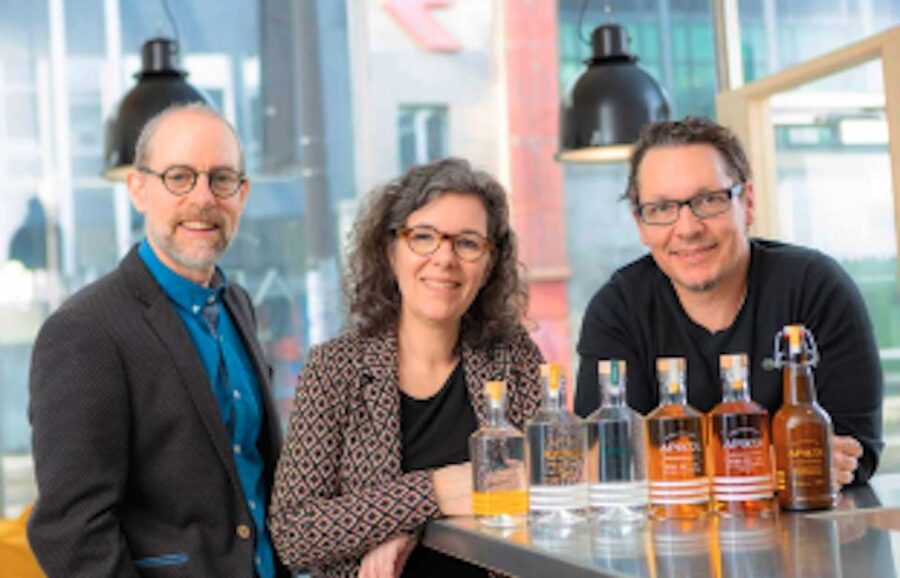
The strongest feature is the human side. The people leading the tour care about bees, honey, spirits, and the project itself. That enthusiasm comes through in the explanations and in the willingness to stop for questions.
The production story also has a pleasant rhythm. You begin with living bees, move to honey extraction, follow the liquid through fermentation and distillation, and end with a glass. It is easy to remember because the order makes sense.
The main drawback is space. One person found the first part too long in the small room, and I would keep that in mind if you dislike close indoor settings. The experience is also compact, so some explanations may move quickly.
The tasting is another point to judge honestly. Three drinks are enough to understand the range, but not enough for a full tour of the product line. Additional samples may cost extra, and the one-hour format keeps the visit moving.
Still, these are modest limits. The tour is not selling itself as a large museum or a leisurely afternoon at a rural farm. It is a focused visit to a working urban distillery with an unusual ingredient.
Should you book this Quebec City honey tour?
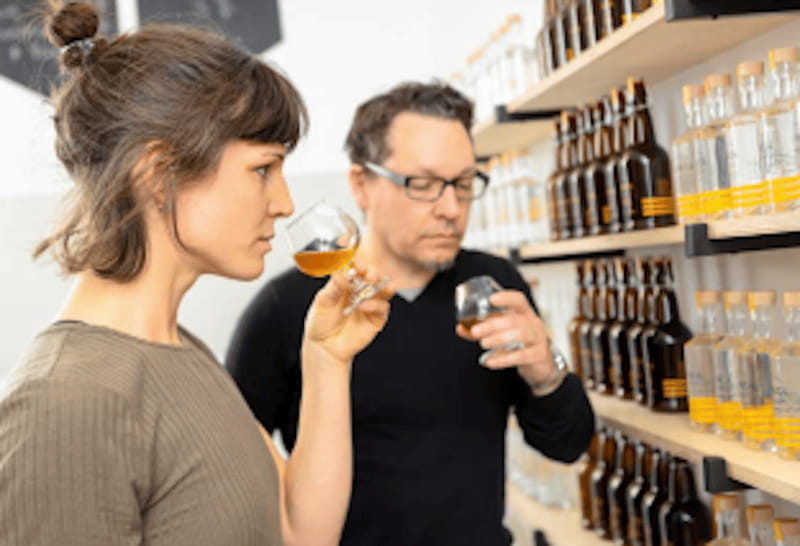
You should book Apikol if you want a short, local, and genuinely different activity in Quebec City. The live hive is the hook, but the full bee-to-bottle explanation is what makes the visit worthwhile.
At $21, you receive more than a basic tasting. You see the urban beekeeping side, learn how honey becomes mead and spirits, meet people involved in the work, and sample three products. I would especially choose it on a cold or wet day, or for a small group interested in both food production and drinks.
Skip it only if you want outdoor touring, a long tasting, or a more spacious setting. For everyone else, this is an easy one-hour addition to a Saint-Roch itinerary, with a good chance of leaving you with a new favorite drink and a better understanding of the bees behind it.
FAQ
Where is the honey and distillery tour located?
The experience takes place at Apikol, an urban distillery in Quebec City’s Saint-Roch district.
How long does the tour last?
The full experience lasts about one hour. The guided production visit takes about 45 minutes, followed by a tasting period.
What happens during the guided visit?
You learn about bees, honey extraction, fermentation, distillation, ageing, formulation, and bottling. The visit also includes the distillery and a live indoor observation hive.
Can I see bees during the tour?
Yes. The tour includes all-season viewing of a live, small observation hive indoors.
How many drinks are included?
Three beverages are included in the standard tasting. These include meads and spirits, with the effervescent mead included. Additional products may be available for a small supplement.
Is the tasting alcoholic?
Adults taste meads and spirits. Visitors under 18 receive a non-alcoholic beverage.
What languages are available?
The live guide service is offered in French and English.
How large is the group?
The experience is limited to eight participants, making it a small-group tour.
Is the tour indoors?
Yes. The entire experience takes place indoors.
Can I cancel my booking?
You can cancel up to 24 hours in advance for a full refund. You can also reserve now and pay later, according to the booking terms.
Just added around Quebec City
- Stoneham: Nordic spa Thermal Experience★ 4.9 · 20 reviews
- Quebec City’s History in Virtual Reality★ 4.5 · 141 reviews
- Quebec : Old Town Walking Tour With A Local Guide★ 4.5 · 38 reviews
- Quebec: Christmas Interactive Walking Tour of New France★ 4.3 · 7 reviews
- Québec: Fortifications-of-Québec Guided Walking Tour★ 4.7 · 60 reviews
- Quebec Interactive Street Theatre: “Crimes in New France”★ 4.6 · 175 reviews
- Québec City: Weekend River Brunch Cruise★ 4.5 · 116 reviews
- Quebec City: Winter Walking Tour in Old Quebec★ 4.9 · 30 reviews
Quebec City Tours, compared.


Half-Day Trip to Montmorency Falls and Ste-Anne-de-Beaupré from Quebec city
Read our review →
Old Quebec City: Grand Walking Tour with Private Option
Read our review →

Montmorency Falls & Ile d’Orleans Half-Day Tour
Read our review →
Hop-on Hop-off Open-Top Double Decker Bus Tour
Read our review →Browse the lists this tour appears in