
Review · QUEBEC CITY
Best of Quebec City: Panoramic Bus Tour with Local Guide
Quebec City’s best-known sights are spread across steep streets, old boroughs, and newer neighborhoods, so a two-hour bus tour is a smart way to get your bearings. You’ll pass the fortified walls of Old Quebec, the Plains of Abraham, Parliament, Place Royale, and the famous Château Frontenac while a local guide explains how French and British power shaped the city.
I like the mix of major sights and less obvious neighborhood views, and I like that guides such as Martin, François, Daniel, Valerie, and Yves bring humor and local stories to the ride. The main drawback is that most sights are viewed from the bus, with only a planned 15-minute photo stop, so this works best as an orientation rather than a substitute for walking Old Quebec.
Key points to know before booking
- A quick city orientation: Cover Old Quebec, modern districts, Parliament, the Plains of Abraham, and the riverfront in two hours.
- A regular coach, not a double-decker: You stay on one bus for the route, and this is not a hop-on hop-off service.
- Strong guide-led storytelling: Guides speak English or French, with humor and history woven into the drive.
- Only limited time outside: The Plains of Abraham receives a 15-minute photo stop, while many other sights are pass-by views.
- Useful in poor weather: The covered bus can make sightseeing easier during rain, snow, or cold.
- Good value at $38: You avoid parking and traffic worries while seeing far more ground than you could comfortably walk in two hours.
Why a bus is useful in Quebec City
Quebec City rewards walking, but it can be tiring to understand on foot at first. The old city sits above the St. Lawrence River, while Parliament Hill, Grande Allée, the Plains of Abraham, and several newer districts spread beyond the compact historic core.
This tour gives you that broad picture without asking you to handle traffic, parking, or steep routes. The driver takes the bus through narrow streets and tight turns, then links the old boroughs with modern parts of the city. That matters if you have only a short stay, are arriving by cruise ship, or want to decide which neighborhoods deserve more of your own time.
At $38 per person, I see the price as reasonable for a two-hour introduction. You are paying for transport and a live guide, not entry to museums or extended visits inside monuments. If you use the ride to mark places for later walks, meals, and museum visits, the value improves.
The format also suits a first morning or first afternoon in town. After the ride, you can return to the areas that caught your eye instead of spending your whole visit guessing how the city fits together.
A few more Quebec City half-days to weigh up
- Quebec City Walking Tour
★ 5.0 · 4,716 reviews - Quebec City: Guided Tour of Fairmont Le Château Frontenac
★ 4.7 · 3,027 reviews - Québec City: Guided Sightseeing River Cruise
★ 4.4 · 3,000 reviews
Starting near Old Quebec and Château Frontenac
You can join at either 10 Rue Sainte-Anne or 85 Rue Dalhousie. Both locations are close to the historic center, making the tour convenient if you are staying near Old Quebec.
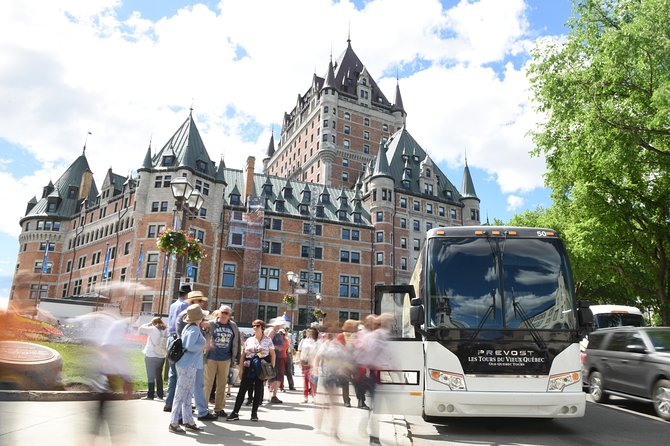
Arrive 15 minutes before departure. Look for a bus marked Unitours or Quebec Tours, since several sightseeing vehicles may gather in the same area. One practical point is worth checking before you arrive: a past passenger found the voucher exchange process unclear when several buses were meeting nearby. Give yourself time to identify the correct vehicle and confirm where your voucher needs to be exchanged.
The ride begins around Fairmont Le Château Frontenac, Quebec City’s instantly recognizable hotel. Even if you only pass by it, the building helps you understand the city’s visual character. Its grand presence dominates the upper town and gives the tour an easy landmark to follow.
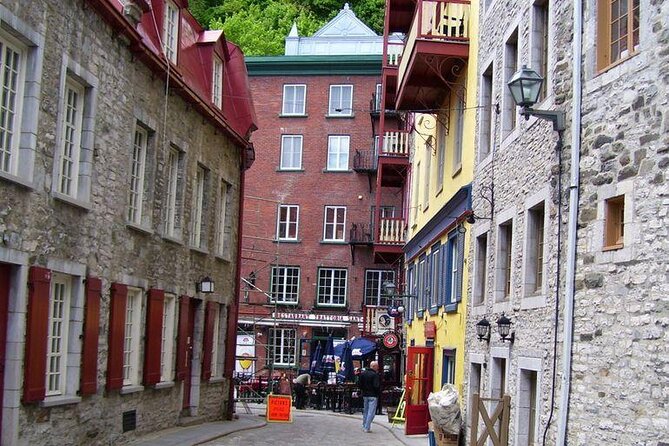
The bus then moves through Haute-Ville, or Upper Town. This is the historic heart of Quebec City, where old streets, churches, military buildings, and civic landmarks sit close together. You get a useful first look at the compact core before the route widens into other districts.
The ramparts and the old city’s French character
Quebec City is famous for its French influence, and the route shows that through architecture as much as through the guide’s commentary. You will pass the city ramparts, recognized as a UNESCO World Heritage Site because they are the only original city defense walls still standing in North America.
The walls are more than a picturesque backdrop. They explain why Quebec City feels different from most North American cities. The fortifications helped protect the settlement and still define the boundary of much of Old Quebec.
You should not expect a long walk along the ramparts during this bus ride. The real value is seeing how the walls connect with the old boroughs and hearing the guide place them in the city’s military story. Afterward, you can return on foot if you want a closer look.
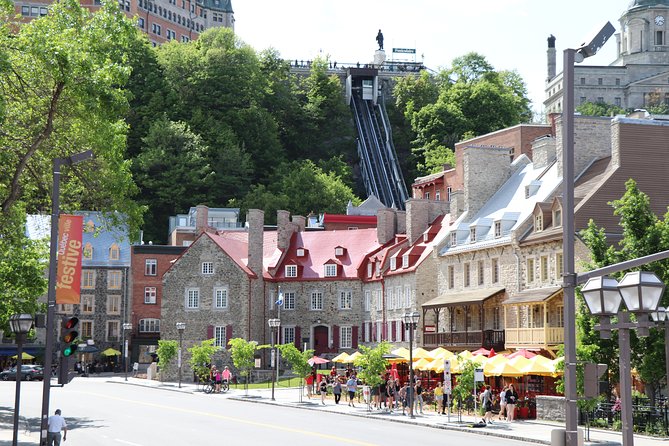
The route also includes Place Royale, one of the old city’s key public spaces. It is an important stop in the story of Quebec City’s commercial and colonial past, though the bus format means you may mainly see it from your seat. Keep your camera ready and listen closely, since this is one of the places where the guide’s explanation adds more than a quick photograph can.
The Plains of Abraham and Grande Allée
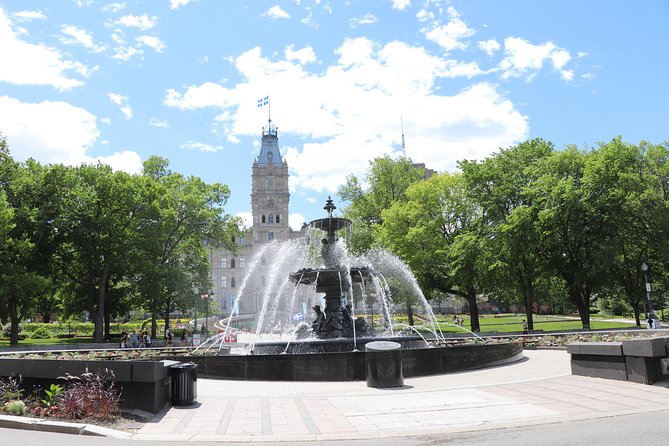
The Plains of Abraham receive the clearest outdoor pause on the route. You get about 15 minutes for a photo stop and a chance to step off the bus, depending on conditions and the day’s operation.
This is where the Battle of the Plains of Abraham was fought, one of the key events in the struggle between French and British forces for control of Quebec. The stop gives the history a physical setting instead of leaving it as a list of dates.
Fifteen minutes is enough for photographs and a brief look around, but not enough for a full park visit. If you want a longer walk here, treat the tour as your introduction and plan a return visit later.
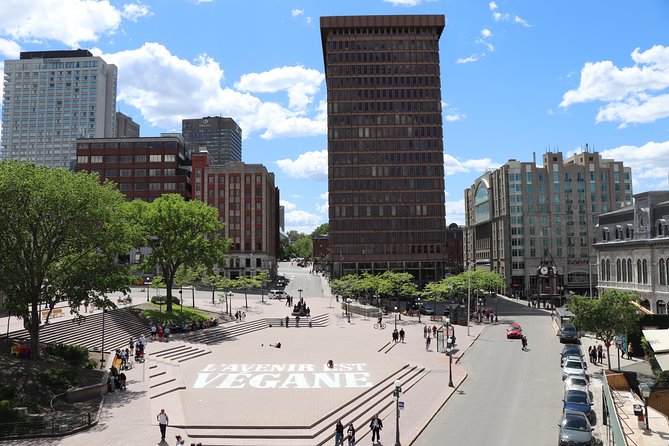
The bus continues along Grande Allée, an important route linking the old city with Parliament Hill and other city sights. This section helps you see how Quebec City extends beyond the walls. It also gives you a glimpse of the transition from historic Old Quebec to the more civic and modern parts of town.
The National Museum of Fine Arts of Quebec is another pass-by sight. You will not have time to tour its galleries, but its location helps you connect the city’s cultural institutions with the Plains of Abraham and the broader upper-city area.
Same base, a completely different sort of day:
- Half-Day Trip to Montmorency Falls and Ste-Anne-de-Beaupré from Quebec city
★ 4.0 · 2,718 reviews - Old Quebec City: Grand Walking Tour with Private Option
★ 4.8 · 2,609 reviews - Quebec City: Montmorency Falls with Cable Car Ride
★ 4.6 · 2,392 reviews - Quebec City: Montmorency Falls & Ile d’Orleans Half-Day Tour
★ 4.3 · 2,144 reviews
Parliament Hill, the Citadelle, and civic Quebec
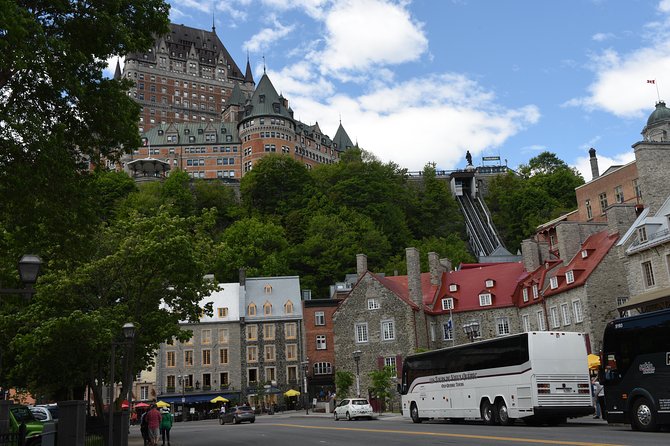
The route takes you through Vieux-Québec-Cap-Blanc-colline Parlementaire, the wider area that includes Old Quebec, Cap-Blanc, and Parliament Hill. This is where the tour shifts from military history and old streets to the institutions that run modern Quebec.
You will pass the National Assembly, Quebec’s main political building. Seeing it alongside the historic core makes one of the tour’s best points: Quebec City is not a preserved stage set. It remains a working capital with government offices, public institutions, and busy city streets beyond the old walls.
The Citadelle of Quebec is another major sight. It forms part of the old city’s military story and gives the guide a chance to explain Quebec’s strategic position. You should expect an exterior view rather than a full Citadelle visit, since the tour has no scheduled admission or extended walking time there.
This part of the ride is especially useful if you are deciding what to explore later. The National Assembly, Citadelle, Plains of Abraham, and Old Quebec are near enough to connect on foot, but their relationships are easier to understand after seeing them from a moving bus.
The Museum of Civilization and the St. Lawrence River
The Museum of Civilization appears later in the route, near the lower part of the city. It is another pass-by attraction rather than a museum visit, but it adds a cultural stop to the tour’s mix of military, religious, political, and architectural sights.
The bus also passes the St. Lawrence River. From the vehicle, you get a sense of how strongly the river shaped Quebec City’s location and development. The view is brief, so do not treat this as a dedicated river cruise or waterfront walk. It is a useful piece of the larger city picture.
The route’s variety is one of its strengths. In two hours, you move from the upper town to historic boroughs, Parliament Hill, museum districts, the river, and newer neighborhoods. That range is hard to achieve on foot unless you already know the city and move at a brisk pace.
What the guide adds to the ride
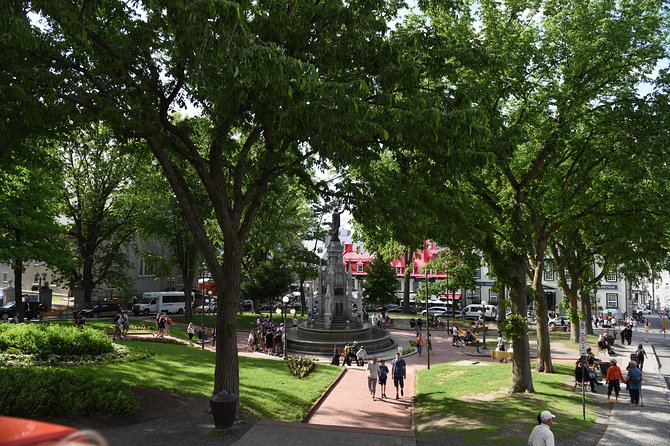
The guide makes or breaks a city overview, and this tour has earned strong praise for its storytelling and humor. Martin has been described as funny and especially good at adding places outside the usual sightseeing circuit. François is noted for combining history with a pleasant sense of humor, while Daniel has been praised for lively stories and jokes.
Other guides have brought different strengths. Valerie has been singled out for answering questions and tailoring the commentary to the group. Yves, Mac, Roland, Gabe, Carol, and Garry have also led enjoyable rides at different times. Since the guide changes by departure, you cannot book a specific personality based on these names, but you can reasonably expect the experience to depend heavily on who is driving and speaking that day.
Some guides also handle both jobs. That requires skill in a city with narrow streets and tight turns, and several passengers have appreciated the careful driving as much as the commentary. You can ask questions during the ride, though a French accent, a busy bus, or a weak speaker can sometimes make parts of the narration hard to follow.
The tour operates in English and French. If you are comfortable with both, you may hear the commentary alternate between them. If you rely on English alone, sit where you can hear the speaker clearly and ask the guide to repeat anything you miss.
Bus comfort, weather, and what to bring
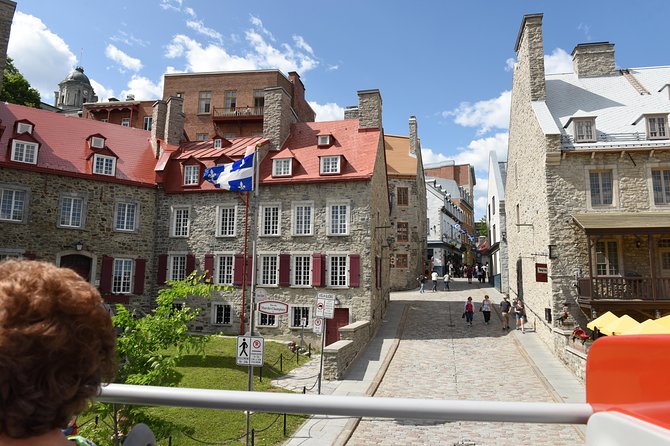
This is a regular bus, not an open-top or double-decker vehicle. That means you get a covered seat and protection from rain or snow, but you do not get the elevated sightseeing view associated with a double-decker.
The covered format is a real advantage in Quebec City’s colder months. Snowy and rainy conditions have made walking unpleasant for some departures, while the bus still allowed passengers to see the city. In winter, however, ice can build on the windows and limit photographs. A warm interior may not always prevent that, so keep expectations realistic when the weather is freezing and wet.
Summer conditions can bring the opposite issue. One departure had a broken air-conditioning system, making the bus uncomfortable. Other rides have been described as cool and comfortable. Conditions can vary, so bring water in warm weather and dress in layers during spring and fall.
Comfortable shoes are still the right choice. You have a photo stop, and you may want to continue exploring Old Quebec afterward. Leave luggage and large bags behind, and do not bring pets. The tour is designed for sightseeing, not for transporting your belongings between hotels or stations.
How much sightseeing do you actually do?
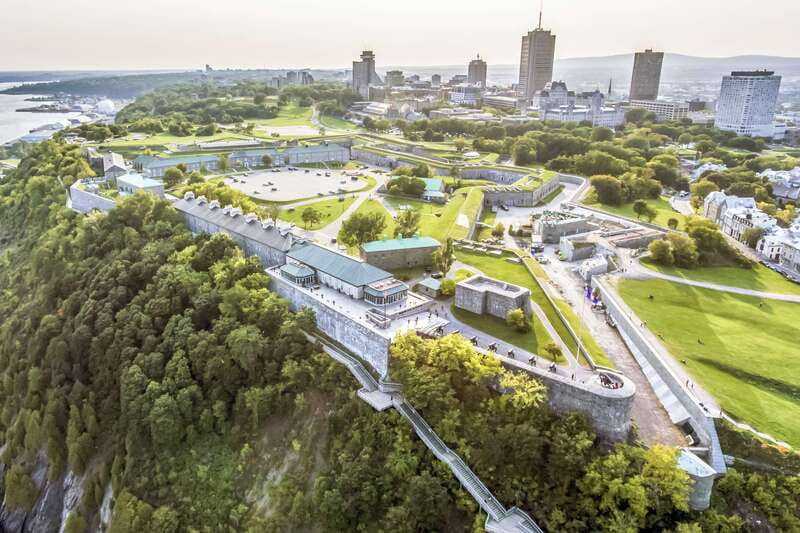
The route is broad, but the wording matters. Most locations are pass-by views, not full stops. The Plains of Abraham is listed for a 15-minute photo stop, while landmarks such as the Château Frontenac, Place Royale, the Citadelle, Parliament, the museums, and the ramparts are generally seen from the bus.
That makes this tour a good match for you if your goal is to learn the city’s layout and pick out places for later. It is less suitable if you want time inside buildings, long photo sessions, or a slow walk through each historic square.
One advantage of the bus is flexibility when streets are busy or events affect traffic. A past route change during a marathon led to extra neighborhood views that were not part of the usual path. That kind of change can be helpful, though it also means the precise sequence may shift.
The tour is not hop-on hop-off. You cannot leave the bus at a favorite stop and rejoin later. Think of it as a guided circuit with a short outdoor pause, not as all-day transportation.
Who will get the most from this $38 tour?
I would choose this for a first visit, a short stay, or a day when rain, snow, or icy sidewalks make a long walk unattractive. It also suits anyone who wants historical context before exploring alone.
Families and older visitors may appreciate the limited walking and the chance to see a wide area without managing steep streets. Cruise passengers can use it as a quick introduction, provided their schedule matches the departure and return times.
History fans will get the most from the Plains of Abraham, ramparts, Citadelle, and Parliament sections. Architecture lovers will enjoy the contrast between Old Quebec, Château Frontenac, civic buildings, museums, and modern neighborhoods.
I would not pick it as your only Quebec City activity. The bus cannot replace walking the old streets, entering the basilica, touring museums, or spending unhurried time at Place Royale. Use the ride to plan those activities more intelligently.
Should you book the panoramic bus tour?
Book it if you want a friendly, efficient introduction to Quebec City for $38. The strongest reasons are the wide route, the local storytelling, the covered bus, and the chance to see both the old boroughs and newer parts of town without worrying about traffic or parking.
Skip it if you already know Quebec City well or want a tour built around long stops and interior visits. For most first-time visitors, though, two hours is a sensible investment. Sit where you can hear the guide, arrive early at the correct pickup point, dress for the weather, and treat the tour as your map for the rest of the visit.
FAQ
How long is the Quebec City panoramic bus tour?
The tour lasts two hours.
How much does the tour cost?
The listed price is $38 per person.
Where can I board the bus?
You can start at either 10 Rue Sainte-Anne or 85 Rue Dalhousie.
How early should I arrive?
Arrive 15 minutes before the scheduled departure.
How do I identify the correct bus?
Look for a bus marked Unitours or Quebec Tours.
Is this a hop-on hop-off tour?
No. It uses a regular bus and is not a hop-on hop-off service.
Is the bus double-decker?
No. The tour uses a regular bus or coach rather than a double-decker bus.
Which languages are available?
The live guide service is available in English and French.
Are pets, luggage, or large bags allowed?
Pets and luggage or large bags are not allowed. Comfortable shoes are recommended.
Just added around Quebec City
- Stoneham: Nordic spa Thermal Experience★ 4.9 · 20 reviews
- Quebec City’s History in Virtual Reality★ 4.5 · 141 reviews
- Quebec : Old Town Walking Tour With A Local Guide★ 4.5 · 38 reviews
- Quebec: Christmas Interactive Walking Tour of New France★ 4.3 · 7 reviews
- Québec: Fortifications-of-Québec Guided Walking Tour★ 4.7 · 60 reviews
- Quebec Interactive Street Theatre: “Crimes in New France”★ 4.6 · 175 reviews
- Québec City: Weekend River Brunch Cruise★ 4.5 · 116 reviews
- Quebec City: Winter Walking Tour in Old Quebec★ 4.9 · 30 reviews
Quebec City Tours, compared.
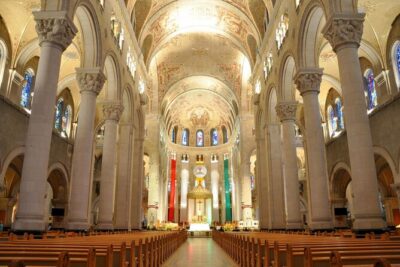
Half-Day Trip to Montmorency Falls and Ste-Anne-de-Beaupré from Quebec city
Read our review →
Old Quebec City: Grand Walking Tour with Private Option
Read our review →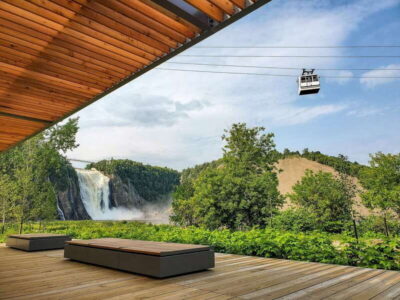
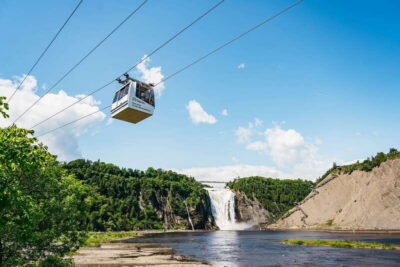
Montmorency Falls & Ile d’Orleans Half-Day Tour
Read our review →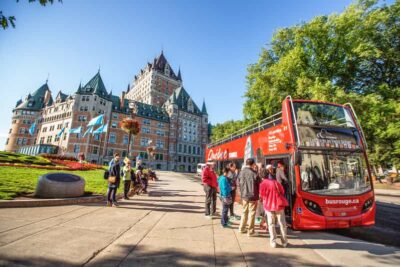
Hop-on Hop-off Open-Top Double Decker Bus Tour
Read our review →Browse the lists this tour appears in