
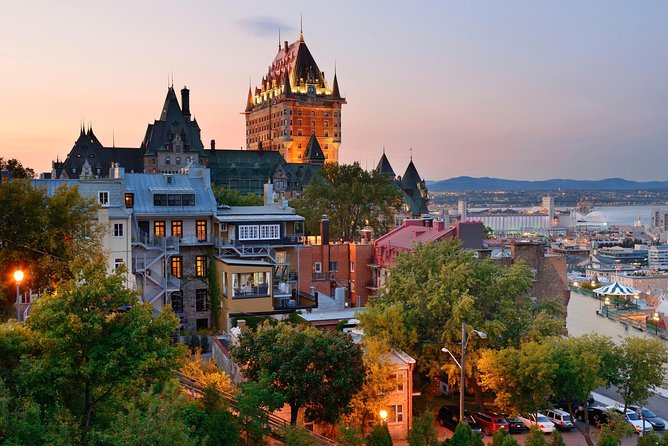
Review · QUEBEC CITY
Private Tour: Quebec City Walking Tour
Québec City reveals itself best on foot, where a stone wall turns into a narrow lane, a church opens onto a small square, and the St. Lawrence River suddenly fills the view. This private walking tour links the city’s major sights with the stories that explain why they matter, from the founding of Québec in 1608 to the present day.
I like the one-guide-for-your-group format, since you can ask questions without holding up strangers and adjust the pace as you go. I also like the route’s mix of big-name sights and atmospheric corners, especially Place Royale, the fortifications, and Petit-Champlain.
The main drawback is the terrain. Old Québec is steep, with cobblestones, hills, and stairs, and the experience can feel tiring in cold weather. The route is also packed with history, so you may want to tell your guide early which subjects matter most to you.
Key points to know before you book
- A truly private walk: Only your own group participates, with a local English-speaking guide.
- A city tour with room to adapt: You can request attractions and interests, or let the guide set the route.
- Upper and Lower Town together: The walk connects Château Frontenac and Terrasse Dufferin with Place Royale and Petit-Champlain.
- Strong guide reputation: Guides including Robert, Carole, Yves, Guy, Chantal, Véronique, and Terry are praised for warmth, humor, patience, and local insight.
- A demanding route: Expect hills, stairs, cobblestones, and roughly 2.5 hours on foot.
- Good first-day timing: The tour gives you a useful orientation before you return to favorite areas on your own.
Why a private walk works so well in Québec City
Québec City is compact enough to explore by foot, but its story is layered. You can look at the city walls, Château Frontenac, and Place Royale and understand what you are seeing only after learning how the Upper and Lower Towns fit together.
That is the value of having a guide beside you. Instead of simply collecting photographs, you get a running explanation of Québec’s military past, French colonial beginnings, religious life, and role as the capital of Québec. The route moves from 1608 to today, giving you a basic timeline without requiring a museum visit or a long lecture.
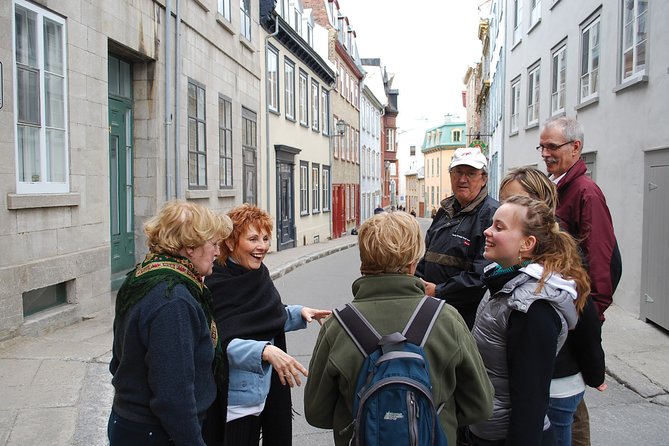
The private format matters most when your group has different needs. You can ask for more architecture, military history, local life, or family connections. Guides have adjusted their pace for older walkers, answered long strings of questions, and changed the emphasis when they noticed what interested the group.
The strongest guide names in the feedback include Robert, Carole, Yves, Guy, Chantal, Véronique, Terry, Étienne, Sylvain, Francine, and Yvonne. That does not guarantee a particular guide on your date, but it does point to the experience’s greatest strength: the quality and personality of the person leading the walk.
More walking tours in Quebec City:
- Quebec City Walking Tour
★ 5.0 · 4,716 reviews - Old Quebec City: Grand Walking Tour with Private Option
★ 4.8 · 2,609 reviews - Old Quebec Classique Walking Tour with Funicular
★ 5.0 · 1,317 reviews
Starting in Upper Town beside the tourist office
The meeting point is the Centre Infotouriste de Québec at 12 Rue Sainte-Anne in Upper Town. This is a practical starting place because you are already near many of the city’s main historic sights.
The opening hour is flexible by design. You can ask to see specific places, or you can let the guide lead you through the city. I would arrive with a short wish list, perhaps the fortifications, Château Frontenac, Place Royale, and the cathedral, then let the guide fill in the spaces.
The first part of the walk introduces Upper Town, also called Haute-Ville. You move along main streets and smaller lanes while hearing about the city’s growth and changing role. This is where a private guide can quickly learn what kind of visit you want. If you enjoy dates and battles, say so. If you prefer buildings, food culture, or personal stories, say that instead.
The tour description gives the full experience about 2 hours and 30 minutes, while the opening itinerary refers to a three-hour walk. Plan for roughly 2.5 to 3 hours and avoid scheduling a tight connection immediately afterward.
Old Québec and the city walls
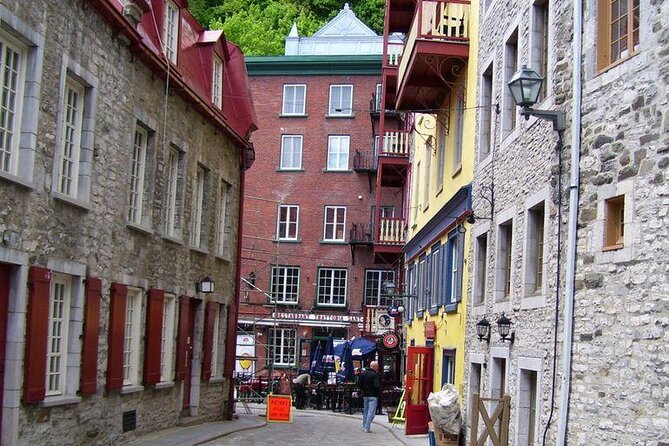
Old Québec is the historic heart of French Canada, with stone buildings, narrow streets, and a distinctly European feel. The cobblestones look charming, but they also make comfortable walking shoes essential.
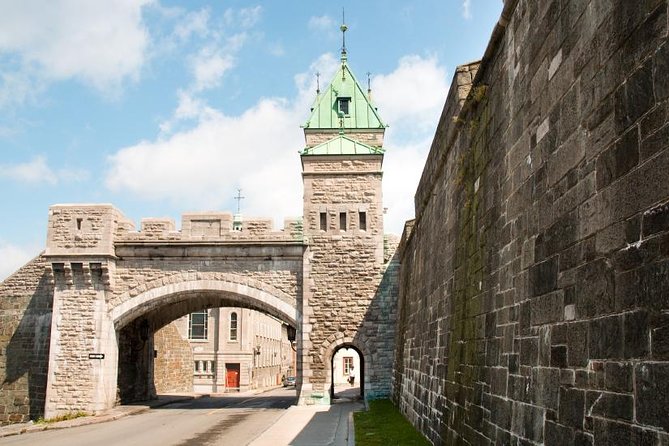
The fortifications offer one of the most useful history lessons on the route. Québec City is the only walled city north of Mexico, and its defenses explain much about the city’s location and importance. Your guide can help you see the walls as part of a larger defense system rather than as a pretty backdrop for photographs.
This is also a good place to ask how the city has changed from its founding in 1608 to the present. A private walk gives you time to stop when a detail catches your eye, though that flexibility can work both ways. If the guide spends too long on one subject, remind them of the sights you still want to reach.
The route is free to enter at its listed stops, but the price covers the guide’s time and attention rather than admissions. That makes the tour most useful to people who want context and orientation, not to those seeking a series of paid interior visits.
Terrasse Dufferin and Château Frontenac
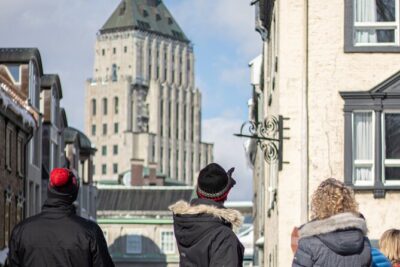
Terrasse Dufferin gives you one of the city’s best broad views, with the St. Lawrence River below and Château Frontenac rising behind you. The terrace is a natural pause in the walk, and your guide explains the river’s role along with the story of the famous hotel.
Château Frontenac is one of Canada’s most recognizable buildings. You will have time for photographs and for a better sense of how the hotel anchors the Upper Town. The stop is brief, listed at about 10 minutes, so it works as part of a moving city tour rather than a hotel visit.
I like this portion because it combines scenery with useful orientation. From the terrace, you can better understand the vertical split between Upper and Lower Town. The view also helps you decide where to spend more time after the tour.
A few more Quebec City half-days to weigh up
- Quebec City: Guided Tour of Fairmont Le Château Frontenac
★ 4.7 · 3,027 reviews - Québec City: Guided Sightseeing River Cruise
★ 4.4 · 3,000 reviews - Half-Day Trip to Montmorency Falls and Ste-Anne-de-Beaupré from Quebec city
★ 4.0 · 2,718 reviews - Quebec City: Montmorency Falls with Cable Car Ride
★ 4.6 · 2,392 reviews
Place d’Hôtel de Ville and Notre-Dame de Québec
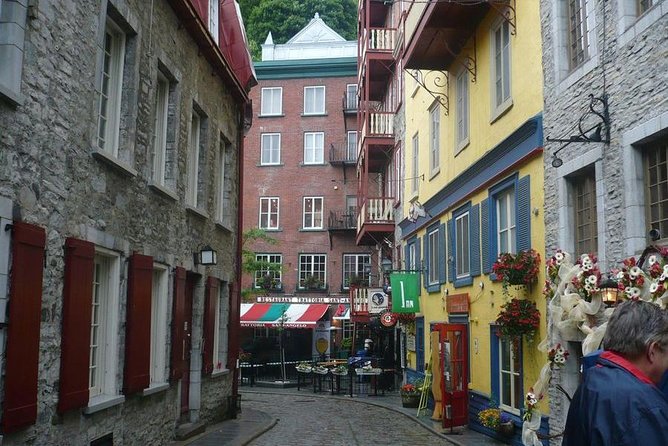
The walk passes through Place d’Hôtel de Ville, with Québec City Hall directly ahead. This stop adds a civic dimension to the route. You are not seeing only forts and old churches, but also the institutions that continue to shape the city.
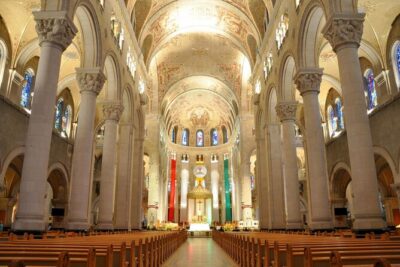
The Notre-Dame de Québec Basilica Cathedral has been at the center of Québec’s religious life for nearly 400 years. If conditions allow, the guide may take you inside. The planned stop is short, about five minutes, so do not expect an extended church tour.
Still, the possible interior visit gives the walk welcome variety. After streets, walls, and viewpoints, a quiet religious space can make the city’s long French Catholic tradition easier to understand. Be prepared for the possibility that the church cannot be entered, since the wording specifies if possible.
Place Royale, where Québec began
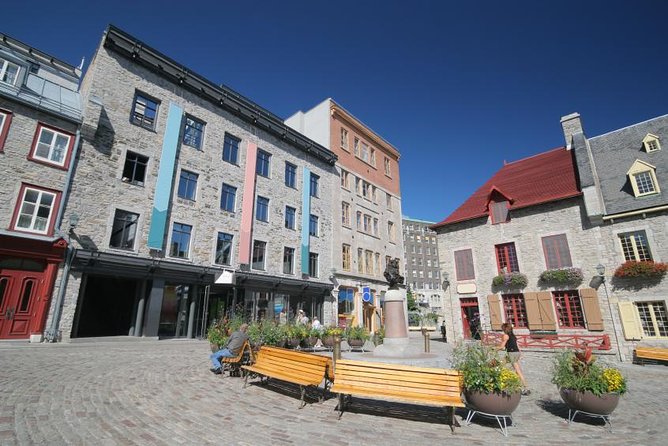
Place Royale is one of the most important stops for understanding Québec City’s French beginnings. It is often described as the birthplace of French America, and the surrounding buildings help you picture the early colony rather than simply read about it.
The guide’s role is especially useful here. Place Royale can look like a picturesque square, but its value lies in the connection between the setting and the city’s earliest development. You walk back toward the beginnings of the French settlement while learning how the area functioned.
The stop is listed at about 10 minutes. That is enough for an introduction and photographs, but you may want to return later if you enjoy architecture or want a slower look at the square.
Notre-Dame-des-Victoires and the route into Lower Town
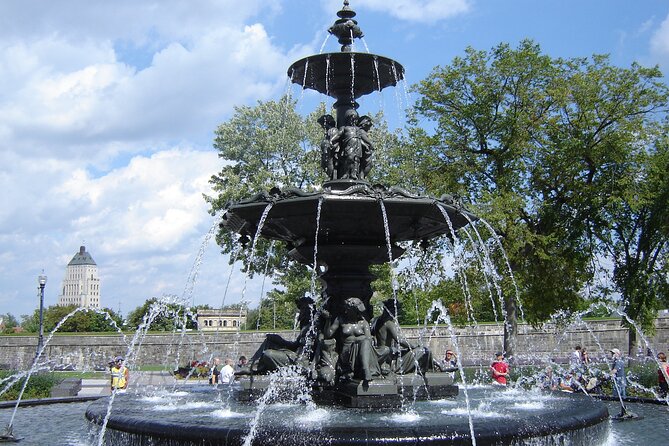
Near Place Royale, you see Notre-Dame-des-Victoires, one of Canada’s oldest stone churches. It stands on the spot where Québec began, making it one of the more meaningful small sights on the route.
This church is a good example of why a guided walk helps. Without context, it can seem like one more attractive building among many. With the founding story attached to it, the location becomes a marker of the city’s earliest days.
The route then continues toward the Breakneck Stairs and the Quartier Petit-Champlain. The name of the stairs gives you a fair warning: this section involves a notable change in elevation. The stairs are part of the historic link between Upper and Lower Town, but they can be hard on knees and ankles.
If stairs are a concern, tell the guide at the start. The provided information confirms that the walk is hilly and that mobility can be an issue, but it does not specify an alternate route. A private guide can at least adapt the pace and explain what is practical for your group.
Petit-Champlain and the finish at the funicular
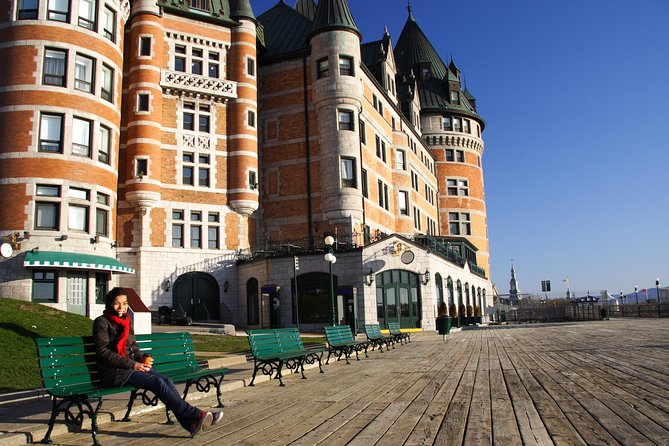
Petit-Champlain Street is presented as one of the prettiest streets in North America, and it makes a fitting final stretch. The area has a close, old-world feel that differs from the grand scale of the terrace and city walls.
The tour ends at the foot of the Old Québec Funicular at 16 Rue du Petit Champlain. This is useful because you finish in Lower Town, close to shops, restaurants, and the funicular back toward Upper Town. The guide can explain how to return to your hotel if needed.
The ending also gives you a practical choice. You can continue exploring Petit-Champlain on your own, ride the funicular, or remain in Lower Town. Since the tour does not include a meal or shopping time, save those activities for afterward.
The guides make the biggest difference
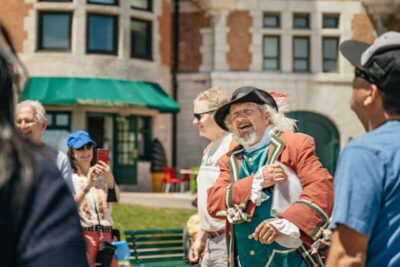
The strongest praise is aimed at the guides’ manner, not just their facts. Robert is repeatedly described as warm, patient, and easy to talk with. He has led leisurely walks, answered questions, and added personal stories and useful suggestions.
Carole is praised for making the private format feel natural, with humor and an easy pace. Chantal brings a family connection reaching back to the 1600s in Québec, which gives her stories a personal link to the place. Guy has adapted the pace for octogenarians while still covering both Upper and Lower Town.
Véronique adjusted the walk around specific interests, while Terry shifted his explanations toward the subjects that caught the group’s attention. Yves, Étienne, Sylvain, Francine, Yvonne, and others are described as friendly, clear, and attentive to the group’s needs.
The less positive experience points to the risk of a private tour: the result depends heavily on the guide. One booking reported repeated discussion of unwanted activities and a much shorter sightseeing experience than expected. Since private tours are supposed to respond to your priorities, state those priorities clearly at the beginning and speak up if the pace or focus is not working.
Is the $112.88 price good value?
At $112.88 per person, this is not a budget stroll. The value depends on your group size and how much you want personal attention.
For two people, the cost buys a private guide for about 2.5 hours, a route through both levels of the city, and the chance to ask questions throughout. For a larger group, the per-person cost may feel easier to justify, especially with the available group discounts.
You are paying for interpretation, flexibility, and time saved figuring out the city’s layout. You are not paying for transportation, meals, or admission to a major attraction. The listed stops are generally viewed from outside, with a possible entry to Notre-Dame de Québec Basilica Cathedral.
I think the price makes the most sense on a first visit, for families or friends who want to stay together, and for groups with different walking speeds or interests. If you are happy to wander alone and read about the sights later, a private guide may be more than you need.
How to prepare for the walk
Wear comfortable shoes with good grip. The combination of cobblestones, hills, and stairs is the clearest practical challenge.
Weather matters. A November walk was made harder by the cold, and Québec City’s outdoor setting means you should dress for the forecast. Bring layers and be ready to spend the full time outside, even though a church interior may be possible.
Keep your expectations clear. The route covers many major sights, but the stops are short. You will receive a broad introduction rather than an in-depth visit to every building.
I would also tell the guide about mobility limits, favorite subjects, and any must-see places before the walk gets moving. Most people can participate, but the experience is not a flat stroll.
Free cancellation is available up to 24 hours before the start time. Changes or cancellations inside that window are not refunded, and the minimum booking is two people.
Who should book this Québec City walk?
I recommend it most strongly for first-time visitors who want to understand the city quickly. The tour gives you a useful map in your head, from the Upper Town terrace to the Lower Town streets, so later wandering feels easier.
It also suits couples, families, and small groups who want the freedom to ask questions or slow down. History lovers should enjoy the 1608-to-present timeline, the military role of the fortifications and Citadelle, and the story of the 1759 Battle of Québec on the Plains of Abraham.
You should think twice if steep streets and stairs are difficult for you, or if you prefer long interior visits over outdoor sightseeing. The walk is also less appealing if you want a food tour, shopping tour, or transportation between distant attractions.
Should you book it?
Book this private Québec City walking tour if you want a friendly local guide, a flexible route, and a solid first look at both Upper and Lower Town. The city’s best sights are close together, but the stories connecting them are not always obvious. A good guide turns the walk into a clear introduction rather than a checklist.
The strongest fit is a group that values conversation and can handle hills. Tell your guide what matters to you, wear shoes for uneven streets, and allow extra time after the tour to explore Petit-Champlain or return to Place Royale. At $112.88 per person, it is a worthwhile splurge when personal attention matters, but not the right choice for a casual, low-cost wander.
FAQ
How long does the Québec City private walking tour last?
The experience lasts approximately 2 hours and 30 minutes. The itinerary also refers to a three-hour walking tour, so you should allow roughly 2.5 to 3 hours.
Where does the tour begin?
The meeting point is the Centre Infotouriste de Québec at 12 Rue Sainte-Anne in Québec City.
Where does the tour end?
The tour ends at the foot of the Old Québec Funicular at 16 Rue du Petit Champlain in Lower Town.
Is the tour private?
Yes. Only your own group participates, with a private local guide.
Is the tour offered in English?
Yes. Live commentary is available in English.
Can I customize the itinerary?
Yes. You can request specific attractions and interests, or let the private guide lead the route.
Which Québec City sights are included?
The route can include Upper Town, Old Québec, the fortifications, Terrasse Dufferin, Château Frontenac, City Hall, Notre-Dame de Québec Basilica Cathedral, Place Royale, Notre-Dame-des-Victoires, the Breakneck Stairs, and Petit-Champlain.
Will the tour enter Notre-Dame de Québec Basilica Cathedral?
The guide may enter the cathedral if possible. The provided tour details do not guarantee interior access.
Is the walk suitable for people with mobility concerns?
Most people can participate, but Québec City has hills, cobblestones, and many stairs. Mobility can be an issue, so tell the guide about your needs and ask for a suitable pace.
How many people are required to book?
A minimum of two people per booking is required.
What should I wear?
Comfortable walking shoes are recommended. Dress warmly in cold weather because the tour takes place outdoors.
Can I cancel for a full refund?
Yes. You can cancel at least 24 hours before the scheduled start time for a full refund. Cancellations or changes made less than 24 hours before the start are not refunded.
Just added around Quebec City
- 4 Hour Bike Rental in Quebec City with Autoguided Itineraries★ 5.0 · 34 reviews
- 4 Hour Electric Bike Rental in Quebec City with Itineraries★ 5.0 · 41 reviews
- Quebec City : Bike Excursion to Montmorency Falls★ 5.0 · 141 reviews
- Old Québec & French Canada Private History Walking Tour★ 5.0 · 41 reviews
- Stoneham: Nordic spa Thermal Experience★ 4.9 · 20 reviews
- Quebec City’s History in Virtual Reality★ 4.5 · 141 reviews
- Quebec : Old Town Walking Tour With A Local Guide★ 4.5 · 38 reviews
- Quebec: Christmas Interactive Walking Tour of New France★ 4.3 · 7 reviews
Quebec City Tours, compared.
Half-Day Trip to Montmorency Falls and Ste-Anne-de-Beaupré from Quebec city
Read our review →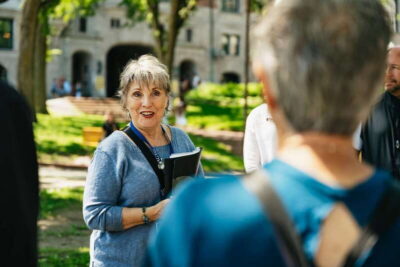
Old Quebec City: Grand Walking Tour with Private Option
Read our review →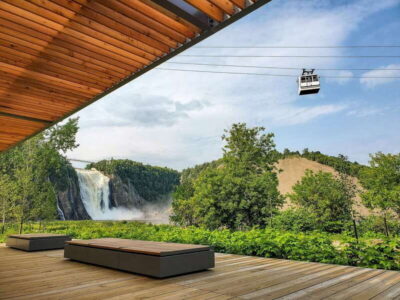
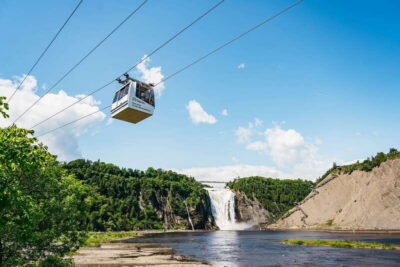
Montmorency Falls & Ile d’Orleans Half-Day Tour
Read our review →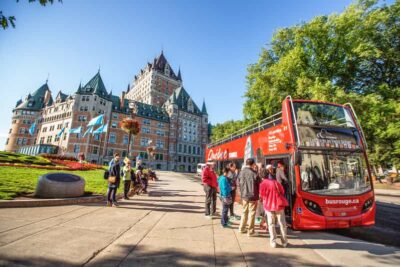
Hop-on Hop-off Open-Top Double Decker Bus Tour
Read our review →Browse the lists this tour appears in