
Review · QUEBEC CITY
Quebec City: Observatoire de la Capitale Entry Ticket
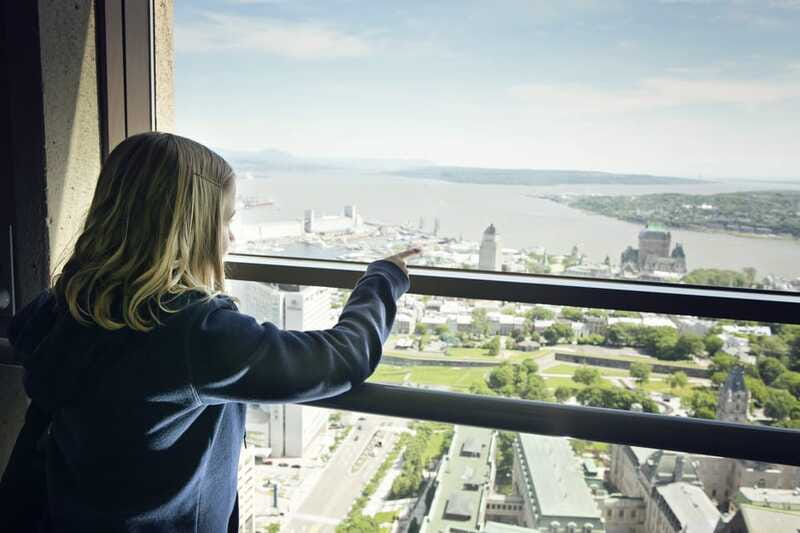
From the 31st floor, Quebec City opens below you in every direction: its fortified streets, the St. Lawrence River, and mountain ranges beyond. I like the clear sense of place here, and I like that the view is paired with interactive screens that explain the buildings and landmarks in front of you. The main consideration is that this is a self-guided visit, not a lively walking tour with a named guide.
I also appreciate the flexible timing. A late-afternoon visit can give you daylight, sunset colors, and holiday lights in one stop. Poor weather can soften the views, and the host language is French, though much of the material is bilingual and the interactive screens include Spanish.
Key points at a glance
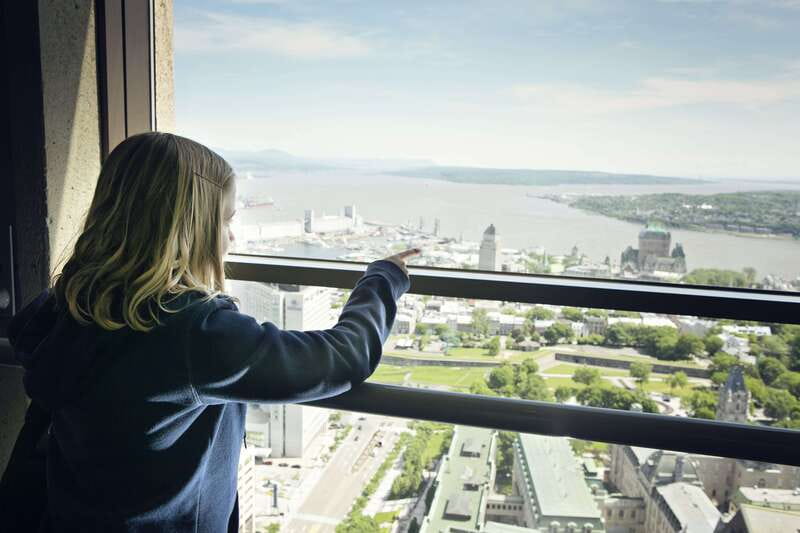
- 31st-floor city view: See Quebec City, the St. Lawrence River, and the surrounding mountain ranges from the highest observation point in the city.
- Interactive landmark screens: Point out what you are looking at and use the screens to learn about buildings, sites, and local facts.
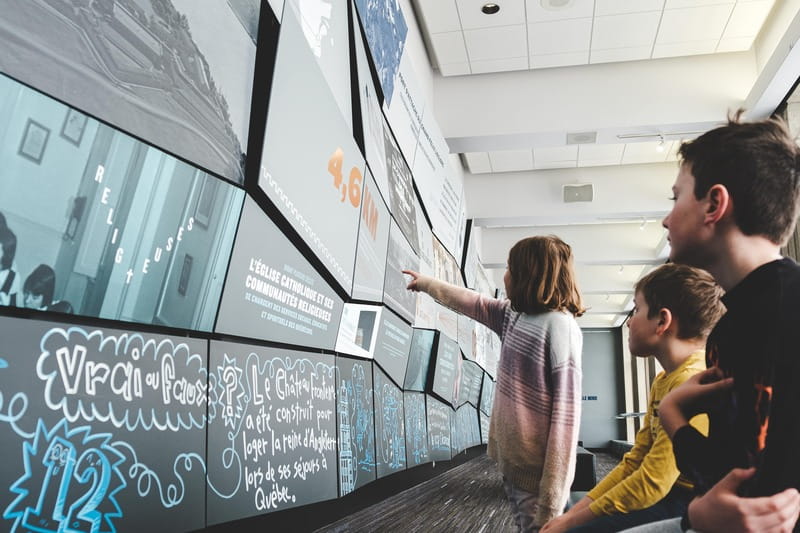
- Horizons discovery trail: Follow a visual, rhythmic presentation about Quebec’s past and the forces that shaped its identity.
- Self-guided pace: Spend more time with the views or history displays that interest you, without being tied to a fixed speech.
- Good late-day timing: A visit later in the afternoon may let you see the city in daylight and after dark.
- Small, accessible visit: Reservations are required, groups are limited to 10, and the observatory is wheelchair accessible.
Arriving at the 31st floor
The meeting point is simple: reach the 31st floor of the building. Once there, you enter the Observatoire de la Capitale and begin at your own pace.
That straightforward setup matters. You do not need to fit into a long bus tour or follow a guide through a set route. The experience is built around looking, reading, and choosing what to explore next. If you like to stop often for photos, or if your family members have different interests, this format gives you room to do that.
The visit is valid for one day, with starting times shown when you check availability. A reservation is required, so do not assume you can simply walk in and count on space. Groups are limited to 10 people, which should make the observation area feel more manageable than a large scheduled excursion, though the experience remains self-guided.
The host or greeter speaks French. The available historical information is bilingual in French and English, and the interactive screens have Spanish as an option. One visitor also noted that staff spoke both French and English, so English-speaking visitors should not feel shut out by the language listed for the host.
A few more Quebec City half-days to weigh up
- Quebec City Walking Tour
★ 5.0 · 4,716 reviews - Quebec City: Guided Tour of Fairmont Le Château Frontenac
★ 4.7 · 3,027 reviews - Québec City: Guided Sightseeing River Cruise
★ 4.4 · 3,000 reviews
Four directions from Quebec City’s highest view
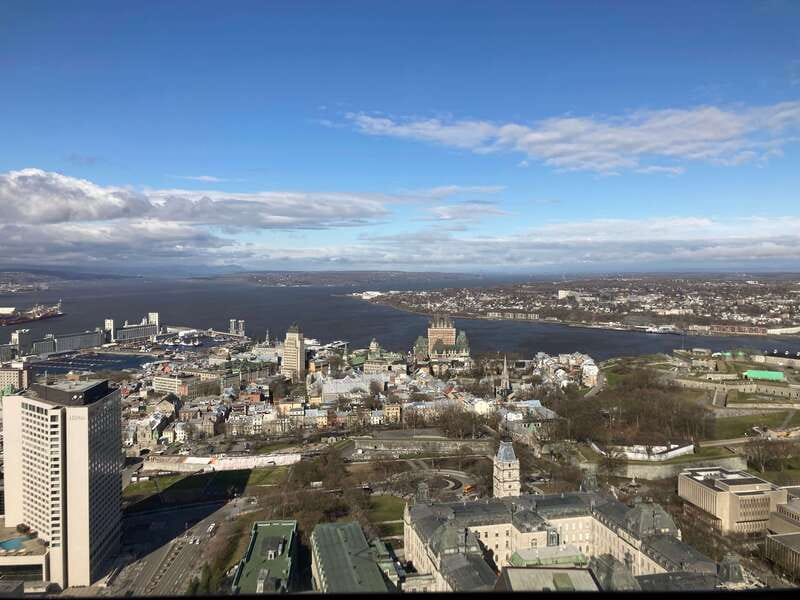
The main attraction is the view. From the observation area, you can look across the maze of Quebec City streets, the fortified old city, the St. Lawrence River, and the mountain ranges around the capital.
This is especially useful early in your visit to Quebec City. From street level, the old town can feel like a compact puzzle of gates, walls, steep streets, and rooftops. From above, those pieces make sense. You can see how the city sits beside the river and how its historic core relates to the wider urban area.
The viewing area offers broad 360-degree sight lines, with several distinct angles rather than one single window and one single postcard view. One account describes four especially good views, while another notes that the screens mirror the view outside. That pairing is important: instead of wondering which church, building, or river bend you are seeing, you can use the display to identify it.
On a clear day, the St. Lawrence is the star. The Laurentian Mountains may also be visible when conditions cooperate. Weather has a real effect here. Even in unpleasant conditions, the indoor areas can still give you historical material to explore, but clouds, rain, or haze will limit the long-distance views.
Bring your camera, but give yourself time to look without it. The value of an observation deck is not just the photograph. It is the quick mental map you carry with you afterward, helping you understand where you have been and what you want to see next.
Interactive screens that explain the view
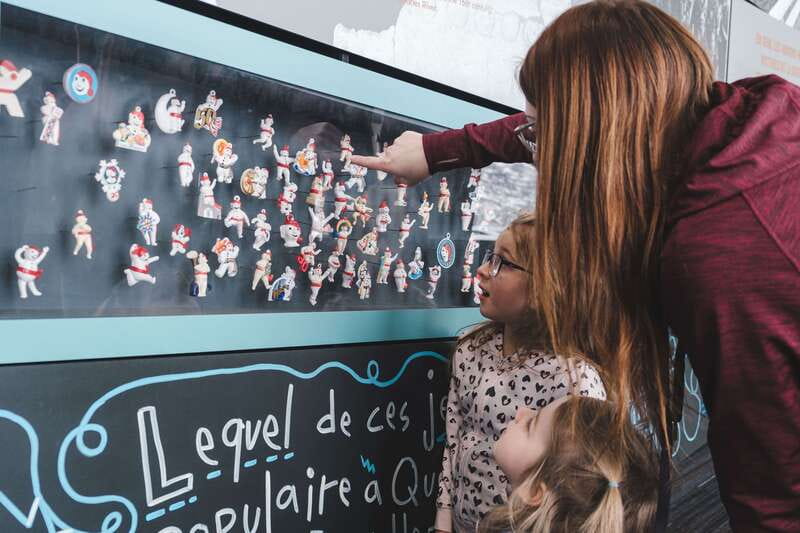
The interactive landmark screens are among the most useful parts of the visit. You can select a site shown in the view and read or watch information about it. This turns the observation deck from a passive photo stop into a simple city orientation lesson.
I like this approach because it answers the questions that usually come up at a high viewpoint. What is that building? Which part of the old city is that? How does the river shape the city? What am I looking at beyond the rooftops?
The displays are also helpful for families. Children can tap landmarks and make discoveries instead of standing beside an adult who is reading a long panel. Adults can move on to the next view or spend longer with a topic. The format lets everyone set a personal pace.
Some visitors choose the self-guided visit with a headset, while others use the displays without audio. The available information can therefore suit different habits, though you should think of this as an interpretive exhibit rather than a live guided presentation. If you want a guide telling stories continuously as you move, this may feel quiet. If you prefer control, the freedom is a benefit.
The screens also help on days when the view is not perfect. They can identify sites even when haze makes them harder to see. They do not replace a clear panorama, but they give the visit more substance than a weather-dependent lookout alone.
The Horizons trail and Quebec identity
The Horizons discovery trail adds the cultural heart of the experience. Its purpose is to take you through time and space, using historical scenes and short vignettes to explain Quebec City and the identity of Quebec.
The presentation is described as lucid and rhythmic, which suggests a series of connected moments rather than a long lecture. You move through ideas about the capital, its past, and the experiences that shaped the people who live here. The displays on the back walls add history about Quebec City, Quebec Province, and Canada.
This is valuable because a city view can show you where things are without explaining why the city feels the way it does. The Horizons trail supplies that second layer. It gives context to the walls, streets, river, and institutions visible from above.
The format is intuitive and visual, not a formal history class. You will likely get short pieces of information that are easy to absorb between views. That works well for a mixed-age group or for a visitor who wants background without committing to a long museum visit.
One limitation is that the amount of video content may not satisfy everyone. A visitor looking for longer films and more extended historical explanations could find the presentation too brief. If you already have a strong interest in Quebec history, treat this as an introduction and orientation, not a complete survey.
Same base, a completely different sort of day:
- Half-Day Trip to Montmorency Falls and Ste-Anne-de-Beaupré from Quebec city
★ 4.0 · 2,718 reviews - Old Quebec City: Grand Walking Tour with Private Option
★ 4.8 · 2,609 reviews - Quebec City: Montmorency Falls with Cable Car Ride
★ 4.6 · 2,392 reviews - Quebec City: Montmorency Falls & Ile d’Orleans Half-Day Tour
★ 4.3 · 2,144 reviews
Choosing the best time to visit
The ticket is valid for one day, and availability determines the starting times. The best time depends on what you want from the view.
A morning or midday visit gives you bright conditions for spotting landmarks and reading the city from above. This is a good choice if you plan to use the observatory as a first stop, then walk through the places you have just identified.
Late afternoon is particularly appealing. You may see Quebec City in daylight, then watch the view change as evening arrives. During the holiday season, this can include city lights after dark. That makes the visit feel like two versions of Quebec City for one admission.
Cloud cover and visibility matter more than the exact hour. On a gray day, the screens and indoor exhibits still give you something to do, but the river and distant mountain ranges may not show at their best. If your schedule allows flexibility, check conditions before selecting your time.
Plan enough time to enjoy both parts: the view and the historical material. No fixed tour duration is supplied, so you control the pace. That is convenient, but it also means you need to avoid rushing through the displays if you want the full value of the visit.
Is the $10 ticket good value?

At $10 per person, this is an inexpensive way to get a high view of Quebec City and a compact introduction to its past. You are paying for more than a lookout because the ticket includes the observation area and the Horizons discovery trail.
The value is strongest if this is your first visit to the city. The view helps you understand the layout, and the landmark screens can make later walks more meaningful. Instead of seeing the old city as a collection of attractive streets, you gain a clearer idea of how its parts relate.
It is also good value for families and small groups who do not want to book a longer guided tour. Each person can explore the displays at a different speed. The small-group limit of 10 keeps the experience from being organized around a large crowd.
The value is more limited if you want a full historical tour, a long film program, or a guide speaking throughout the visit. You are buying access and interpretation, not a multi-hour excursion. Still, the low price makes it a sensible add-on to a day in Quebec City, especially when paired with a late-afternoon visit.
Who will enjoy this visit most?
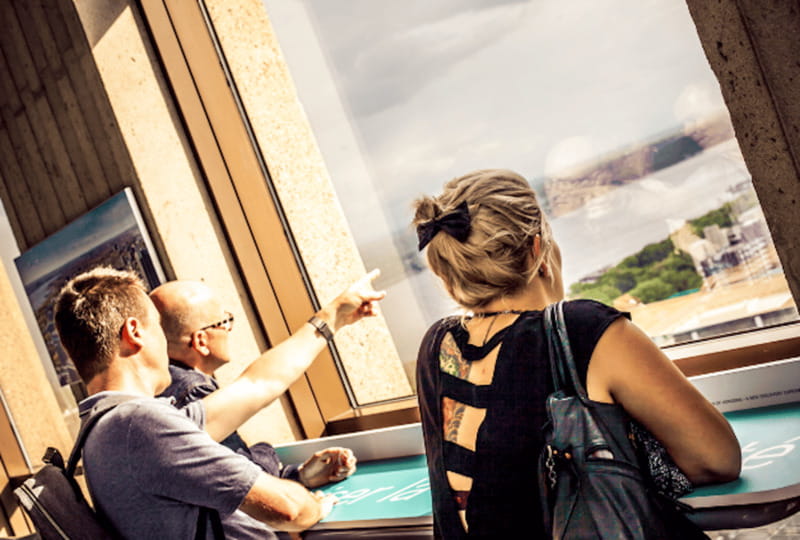
I would recommend the observatory to first-time visitors who want to get their bearings quickly. The screens help you identify places you have seen or plan to visit, while the high view gives you a useful sense of the city’s shape.
Families should also find the interactive format practical. Children can use the landmark displays, and adults can read the historical notes without forcing everyone to follow one long explanation.
It suits history-minded visitors who want a short introduction to Quebec’s identity. The Horizons trail connects the city view with the story of the province and country, although it will not replace a full museum or extended history program.
It may be less appealing if you need constant personal commentary or if the weather is poor and distant views are your main reason for going. The visit works best when you value both the panorama and the indoor displays.
Wheelchair users can access the experience, and pets are not allowed. The French-speaking host is worth noting, but the bilingual information makes the visit practical for English speakers, with Spanish available on interactive screens.
A simple way to fit it into your day
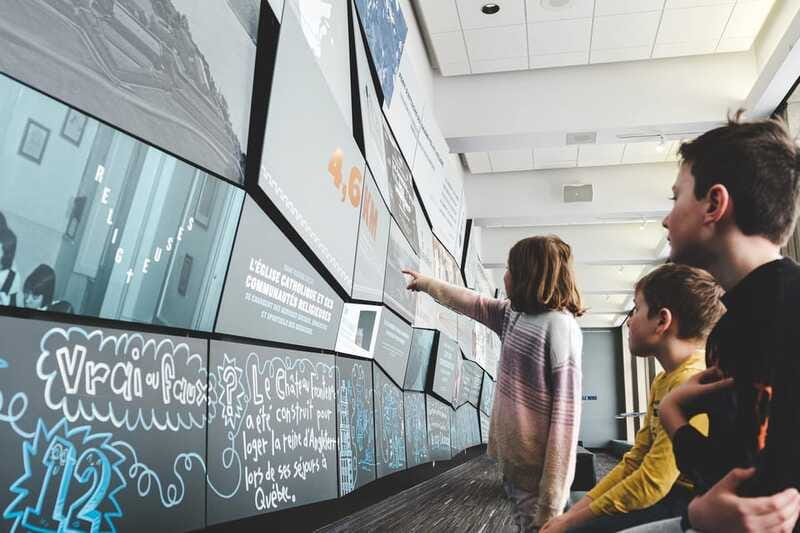
Use the observatory at the start of a Quebec City visit if you want a visual introduction. After seeing the city from above, you can walk with a clearer idea of the landmarks and streets below.
Use it later in the day if you want atmosphere. Daylight views, evening illumination, and holiday lights can give the same visit a changing feel. The flexibility of a one-day ticket supports this kind of timing, as long as you reserve the required entry time.
Keep your expectations focused. This is not a guided city walk, and it does not promise a long program of films. It is a compact observation and interpretation experience, with enough history to make the view more meaningful.
Should you book the Observatoire de la Capitale?

Yes, if you want a low-cost city overview with strong views and interactive historical information. At $10, the combination of the 31st-floor panorama, landmark screens, and Horizons trail offers good value, especially for a first visit or a family outing.
Book it for a clear day if the river and mountain views are your priority. Choose late afternoon if you want to see Quebec City in daylight and after dark. Skip it only if you strongly prefer a live guide or need a long, detailed history presentation. For most visitors, it is an efficient way to understand Quebec City before exploring it on foot.
FAQ
Where is the meeting point?
Reach the 31st floor of the building to enter the Observatoire de la Capitale.
How much does admission cost?
The listed price is $10 per person.
How long is the ticket valid?
The ticket is valid for one day. Available starting times are shown when you check availability.
Is a reservation required?
Yes. You must reserve in advance.
Can I cancel the booking?
You can cancel up to 24 hours in advance for a full refund.
Do I have to pay when I book?
The reserve now and pay later option allows you to book your spot without paying immediately.
What language is spoken by the host?
The host or greeter speaks French.
Is information available in English?
Yes. The historical information is bilingual in French and English. The interactive screens also include Spanish.
Is the observatory wheelchair accessible?
Yes, the experience is wheelchair accessible.
Can I bring a pet?
No. Pets are not allowed.
How large is the group?
The experience is limited to 10 participants.
Just added around Quebec City
- 4 Hour Bike Rental in Quebec City with Autoguided Itineraries★ 5.0 · 34 reviews
- 4 Hour Electric Bike Rental in Quebec City with Itineraries★ 5.0 · 41 reviews
- Quebec City : Bike Excursion to Montmorency Falls★ 5.0 · 141 reviews
- Old Québec & French Canada Private History Walking Tour★ 5.0 · 41 reviews
- Stoneham: Nordic spa Thermal Experience★ 4.9 · 20 reviews
- Quebec City’s History in Virtual Reality★ 4.5 · 141 reviews
- Quebec : Old Town Walking Tour With A Local Guide★ 4.5 · 38 reviews
- Quebec: Christmas Interactive Walking Tour of New France★ 4.3 · 7 reviews
Quebec City Tours, compared.



Half-Day Trip to Montmorency Falls and Ste-Anne-de-Beaupré from Quebec city
Read our review →
Old Quebec City: Grand Walking Tour with Private Option
Read our review →
Montmorency Falls & Ile d’Orleans Half-Day Tour
Read our review →
Hop-on Hop-off Open-Top Double Decker Bus Tour
Read our review →Browse the lists this tour appears in