
Review · QUEBEC CITY
Quebec City: MNBAQ National Fine Arts Museum Entry Ticket
The Musée national des beaux-arts du Québec gives you two good reasons to visit in one stop: four permanent exhibitions devoted to Quebec art and a fine setting in the Plains of Abraham. You can move from Inuit sculpture to contemporary work, then step outside for trees, open lawns, and views toward the St. Lawrence River.
I like the $10 price and the way the museum connects art with Quebec City’s public history. I also like the free cloakroom, Wi-Fi, courtesy strollers, wheelchairs, and possible audio guides. The main drawback is practical: several pavilions are closed during preparatory work for Espace Riopelle, so you must enter through the Pierre Lassonde Pavilion and may need to walk outside from the parking area.
Key points to know before you go
- Four permanent galleries: See Contemporary Art, Us, Inuit Art, and Decorative Arts and Design in Québec.
- Riopelle’s monumental fresco: Jean Paul Riopelle’s Tribute to Rosa Luxemburg is one of the museum’s major visual highlights.
- A park setting: The museum sits in the 108-hectare Plains of Abraham, with wooded areas, gardens, and open ground.
- One ticket, one day: The $10 admission gives you a full day to explore the museum’s collection and special exhibitions.
- Easy arrival point: The Pierre Lassonde Pavilion at 179 Grande Allée Ouest is the current entrance and ticket counter.
- Helpful extras: Ask about free audio guides, then use the cloakroom, café, boutique, and family services.
Why the MNBAQ is more than a standard art museum
The MNBAQ is the only museum devoted entirely to Quebec art, which gives your visit a clear focus. Instead of trying to represent every country and century, it follows Quebec’s artistic identity through Indigenous, historic, decorative, and contemporary work.
That focus matters. You see how art reflects place, community, materials, and changing ideas in Quebec. The Inuit collection adds an important northern perspective, while the modern galleries show how artists respond to present-day life.
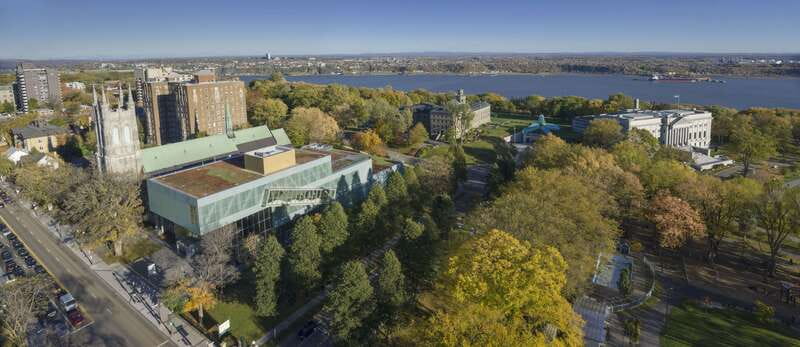
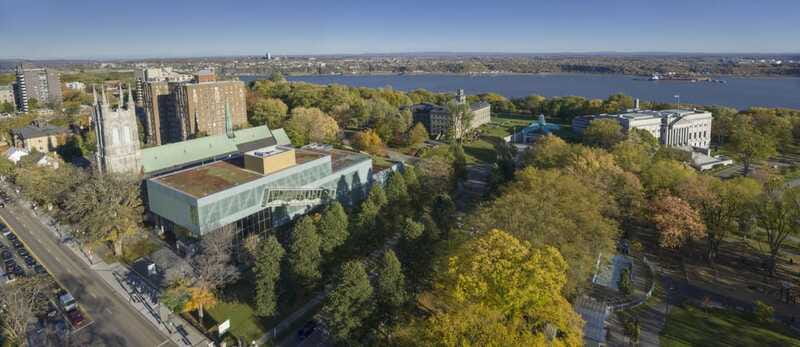
The setting also changes the mood. The museum sits in Battlefield’s Park and the Plains of Abraham, a 108-hectare urban park with gardens, wooded sections, and broad open spaces. Before or after your gallery time, you can walk through the grounds and connect the museum visit with one of Quebec City’s major historic public spaces.
The back of the museum offers a view toward the park and the St. Lawrence River. I would allow extra time outdoors, especially if the weather is pleasant. You are not just entering a building, looking at art, and leaving. The park gives you room to pause and reset between galleries.
More museums and galleries in Quebec City:
- Toronto: Royal Ontario Museum Admission Ticket
★ 4.6 · 1,237 reviews - Royal Ontario Museum Admission
★ 4.5 · 411 reviews - Toronto: Art Gallery of Ontario General Admission Ticket
★ 4.6 · 251 reviews
Starting at the glass Pierre Lassonde Pavilion
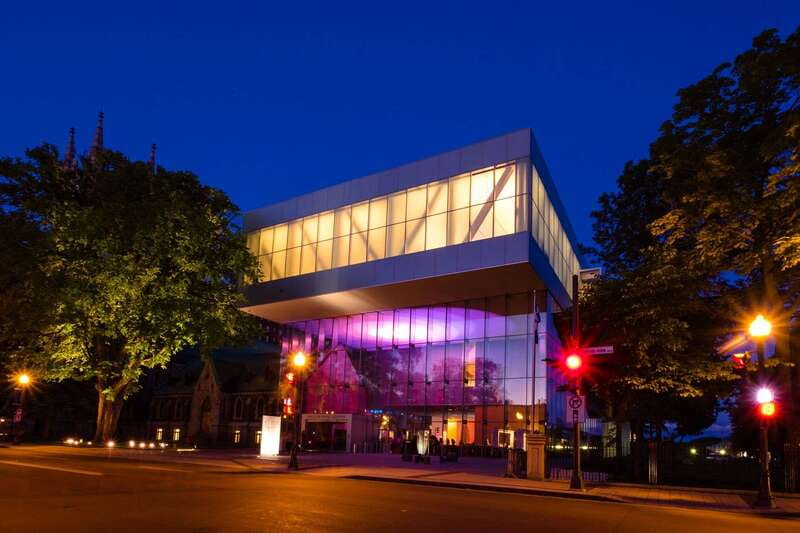
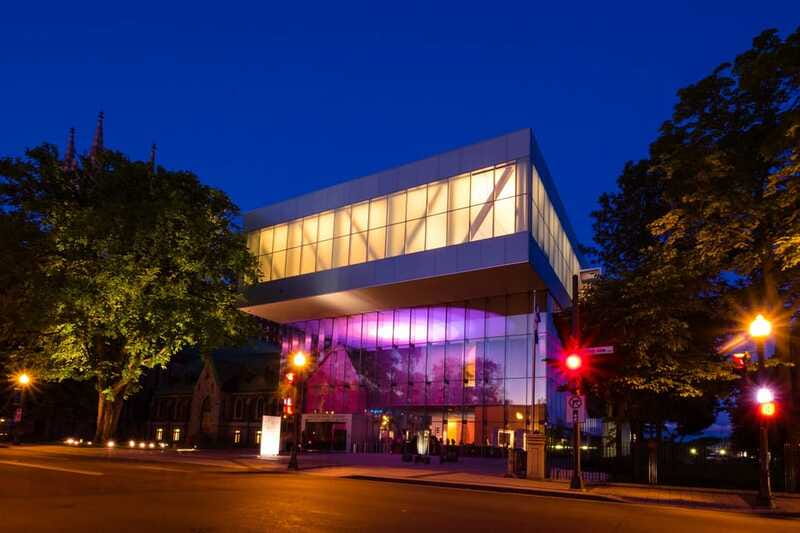
The Pierre Lassonde Pavilion on Grande Allée is the museum’s main gateway. Its glass exterior gives the building a bright, open feel, and the large lobby makes a practical first stop for your ticket, bracelet, coat, café break, or shop visit.
The pavilion is designed in broad, tiered spaces. It contains six galleries for post-1960 collections, two temporary exhibition galleries, four permanent exhibition galleries, and Riopelle’s large fresco. That makes it the most important building for planning your visit.
Because preparatory work is under way for Espace Riopelle, the Central Pavilion, Gérard-Morisset Pavilion, and Charles Baillairgé Pavilion are closed. The tunnel network normally links the museum buildings, but you should expect the current visit to center on the Pierre Lassonde entrance and the spaces open there.
If you park behind the Charles Baillairgé Pavilion, allow several minutes to walk outside to the Pierre Lassonde entrance. This is a small detail, but it matters on a rainy day or if you have a stroller, wheelchair, or tired children. The museum itself is fully accessible, and courtesy wheelchairs and baby strollers are available.
The four permanent exhibitions
Your ticket includes four permanent exhibitions. Each offers a different way to understand Quebec art, so I would not rush through them as if they were four versions of the same room.
Contemporary Art in Québec
The contemporary gallery covers post-1960 work and gives you a view of how Quebec artists have handled modern life and changing artistic forms. The display is likely to feel less predictable than a traditional portrait or furniture collection.
This is a good place to slow down and read the labels. Contemporary art can ask more questions than it answers, and a little context helps. If you prefer clear historical scenes, this section may take more patience. If you enjoy seeing how artists experiment with ideas and materials, it may become one of your favorite parts.
The Pierre Lassonde Pavilion’s generous galleries give contemporary works space to breathe. That matters for large pieces, installations, and art that needs distance.
A few more Quebec City half-days to weigh up
- Quebec City Walking Tour
★ 5.0 · 4,716 reviews - Quebec City: Guided Tour of Fairmont Le Château Frontenac
★ 4.7 · 3,027 reviews - Québec City: Guided Sightseeing River Cruise
★ 4.4 · 3,000 reviews - Half-Day Trip to Montmorency Falls and Ste-Anne-de-Beaupré from Quebec city
★ 4.0 · 2,718 reviews
Us
Us is one of the museum’s permanent presentations. Its title points toward identity and shared experience, making it a useful bridge between the more specialized Inuit gallery and the broader contemporary collection.
I would treat this section as a chance to consider how Quebec art talks about people, belonging, and community. The museum’s Quebec-centered approach gives the work a local frame rather than placing it in a vague international display.
Inuit Art, the Brousseau Collection, Illipunga
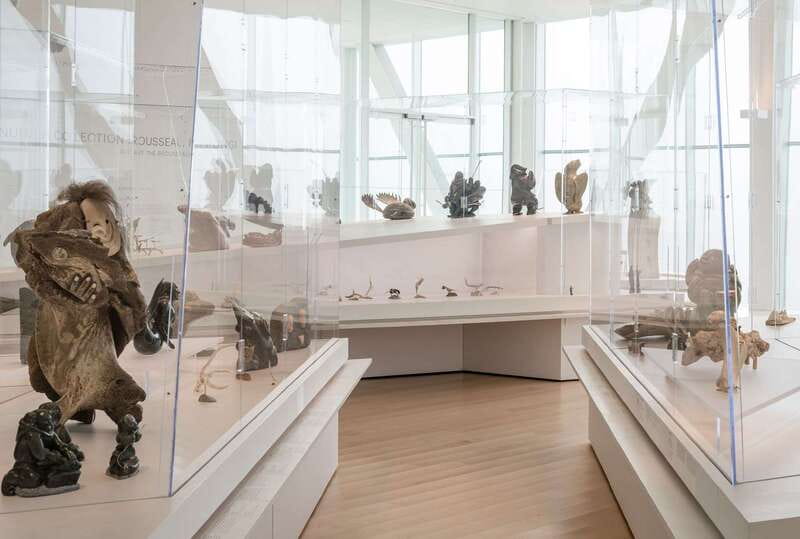
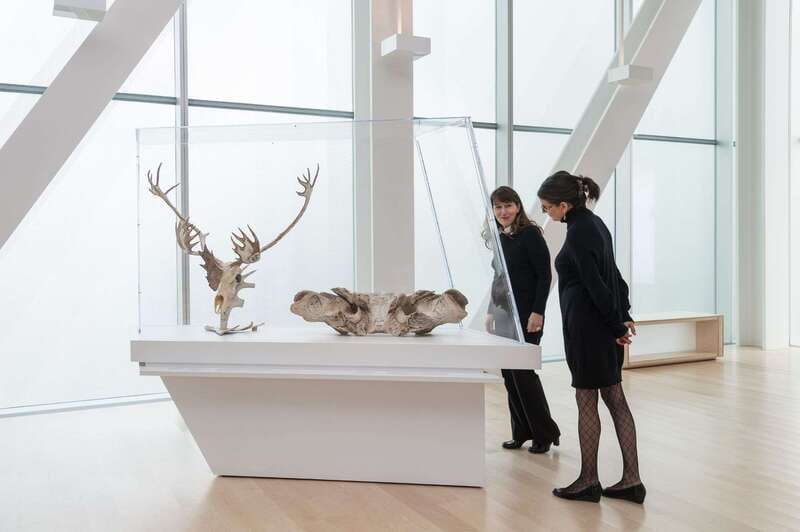
The Inuit art exhibition is a major reason to choose this museum. The MNBAQ presents an exclusive collection devoted to Inuit art, including the Brousseau Collection and Illipunga.
This gallery adds a part of Quebec and Canadian culture that many general art museums handle only briefly. Sculpture and other works can carry a strong sense of place, material, and cultural expression. Give this exhibition time rather than treating it as a quick side room.
For many people, this will be the most distinctive part of the museum. It is also one of the clearest examples of why the MNBAQ’s Quebec focus is useful. You get a sustained presentation instead of a few isolated objects.
Decorative Arts and Design in Québec
This gallery moves you from fine art toward objects and design. Decorative arts can show how people shape their daily surroundings, and the Quebec setting gives the material a strong local connection.
I like including this section in a museum day because it changes your pace. After paintings and sculpture, furniture, objects, and design can sharpen your eye for craftsmanship and function. It is also a good section for visitors who do not usually connect with contemporary art.
Jean Paul Riopelle’s Tribute to Rosa Luxemburg
Jean Paul Riopelle’s monumental fresco Tribute to Rosa Luxemburg is one of the museum’s signature works. Its scale gives you a different experience from a framed painting. You need to step back, take in the full composition, then look again at smaller sections.
The work is included with the standard admission, so you do not need a separate ticket to see it. I would place it near the middle of your visit rather than saving it for a rushed final stop. Large works reward time, and this one is part of the museum’s central identity.
The Riopelle presentation also gains from the Pierre Lassonde Pavilion’s architecture. The glass building and broad interior spaces make the museum feel connected to the city outside. You may have the sense of being indoors while still visually linked to the Plains of Abraham and Grande Allée.
Espace Riopelle is planned for fall 2026. Since preparatory work is affecting access to some pavilions, check the current opening arrangement before you arrive if this project is a major reason for your visit.
Special exhibitions and changing reasons to return
The MNBAQ also hosts large temporary exhibitions. The schedule provided includes three major presentations:
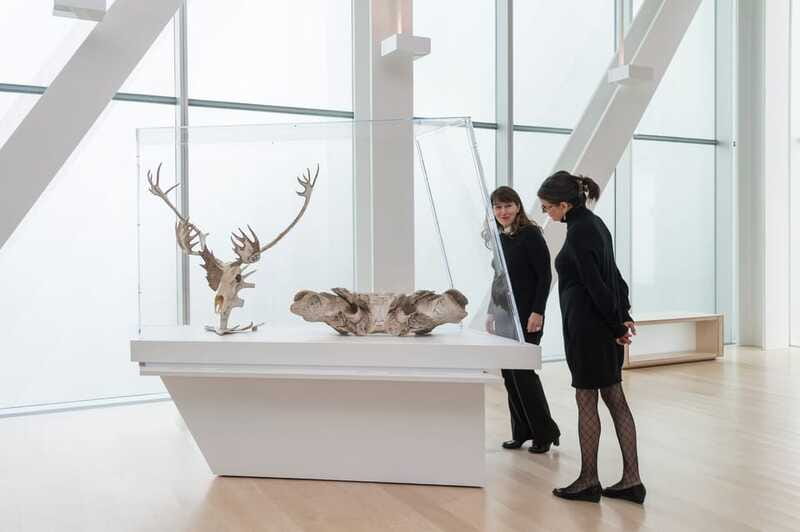
- Early Days, October 17, 2024 to April 21, 2025: This exhibition presents Indigenous art in Canada and was planned for international circulation, with an exclusive Quebec City engagement.
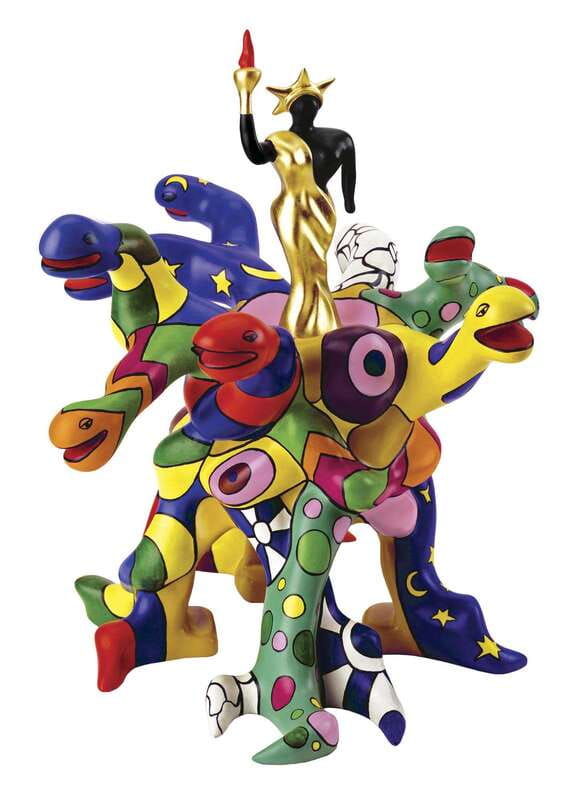
- Niki de Saint Phalle, June 12, 2025 to January 4, 2026: The show focuses on the French-American artist’s final two decades, beginning in 1978, when she launched the monumental Tarot Garden in Italy.
- Hyperrealistic Sculpture, February 26 to October 12, 2026: More than 30 sculptures by 25 international artists trace the development of the human figure in sculpture since the 1970s.
These dates matter because the special exhibition can change the value of your visit. At $10, the admission is already modest for the permanent collection. If one of these major shows is open during your stay, the ticket becomes an even stronger deal.
Do check the date carefully. Exhibition schedules change, and the supplied program includes dates that have already passed or may be upcoming depending on when you visit. The permanent exhibitions remain the dependable reason to go, while the temporary show is an added benefit.
Planning your day at the museum
The ticket is valid for one day, so you do not need to race through the galleries. I would plan a half day at minimum and keep the rest of the day flexible for the Plains of Abraham, Grande Allée, or the museum café.
A simple order works well:
- Begin at the Pierre Lassonde Pavilion and collect your bracelet.
- Use the free cloakroom before entering the galleries.
- Start with one permanent exhibition, then move to the temporary show if one is operating.
- See Tribute to Rosa Luxemburg while you still have energy to stand back and study it.
- Take a café break or walk through the park.
- Return to the galleries for the remaining permanent exhibitions.
Ask at arrival about free audio guides. A self-guided audio tour can help you get more from the collection without paying for a private guide or joining a fixed group. The information provided does not name a guide, and this is not presented as a guided tour, so the audio option is the best available aid for an independent visit.
The museum is wheelchair accessible. A free cloakroom, Wi-Fi, baby strollers, and wheelchairs make it easier to stay longer. Families should appreciate those services, especially on a full museum day.
Café Québecor, the shop, and the park break
Café Québecor is not included in the ticket, but it is inside the Pierre Lassonde Pavilion. Its glass setting looks onto the Plains of Abraham and Grande Allée, creating an indoor space that still feels connected to the park.
The menu changes with the seasons and relates at times to the museum’s exhibition program. You can book a table before your visit, which is useful if you want to make the museum part of a planned day rather than search for food afterward.
There is also a take-out counter and catering service for events. I would see the café as a convenience, not a reason to buy the ticket. The admission covers art, while food is an optional extra.
The Librairie-Boutique is worth a look if you want a museum book or a small gift tied to Quebec art. It carries exhibition-inspired products and Quebec’s largest selection of art books, according to the museum’s information. This is a good place to find something more lasting than a generic souvenir.
Outside, the Plains of Abraham are part of the experience. The park has 108 hectares of lawns, trees, and gardens, with history underfoot and a St. Lawrence River view from the museum’s rear. Give yourself time for a short walk, even if art is your main reason for coming.
Is $10 good value?
Yes, provided you have enough time to look properly. Four permanent exhibitions, the Riopelle fresco, and access to a special exhibition when scheduled make $10 a low admission price for a full day.
The value is strongest for people who enjoy setting their own pace. You can spend ten minutes in a gallery or an hour with one collection. The audio guide, cloakroom, Wi-Fi, and family services also reduce the small costs and annoyances that can make a museum visit harder.
The price is less compelling if you only have a very short stop and plan to see one famous work. In that case, the current pavilion arrangement and walking route from some parking areas may take a noticeable part of your time.
Still, the park setting improves the deal. Even if you finish the galleries sooner than expected, you can continue the outing outdoors without paying for another attraction.
Who should book this experience?
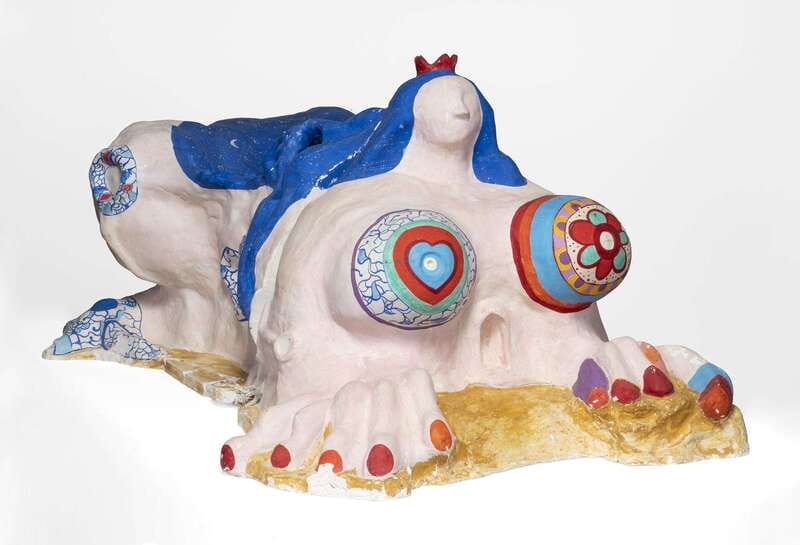
I would recommend the MNBAQ to anyone interested in Quebec culture, Canadian Indigenous art, modern art, design, or museum architecture. It is also a smart rainy-day plan, though the park is worth enjoying in good weather too.
Families get useful practical support from the strollers, wheelchairs, cloakroom, and café. Solo visitors can use the audio guide and set a quiet personal pace. Couples and art-minded visitors can combine the galleries with a walk along Grande Allée and the Plains of Abraham.
You may want to skip it if your schedule is so tight that you cannot spare at least several hours. The museum rewards a measured visit, and the current pavilion closures mean you should not assume every building is open.
Should you book the MNBAQ entry ticket?
Book it if you want a clear, affordable introduction to Quebec art rather than a general museum with a little local material added on. The Inuit collection, Riopelle fresco, four permanent exhibitions, and park setting give the visit a strong sense of place.
Before paying, check which special exhibition is showing and confirm the current pavilion access. If the date works and you can give the museum a half day, the $10 ticket is an easy choice. If you are only passing through for an hour, choose another plan or limit your expectations.
FAQ
Where is the Musée national des beaux-arts du Québec located?
The museum is in Battlefield’s Park and the Plains of Abraham in Quebec City. The current entrance is the Pierre Lassonde Pavilion at 179 Grande Allée Ouest.
How much does admission cost?
The listed price is $10 per person.
How long is the ticket valid?
The ticket is valid for one day. You should check availability for the applicable starting times.
Which permanent exhibitions are included?
Admission includes Contemporary Art, Us, Inuit Art, and Decorative Arts and Design in Québec.
Is Jean Paul Riopelle’s Tribute to Rosa Luxemburg included?
Yes. The monumental fresco is included with the museum admission.
Is Inuit art part of the museum visit?
Yes. The museum has an exclusive Inuit art exhibition, including the Brousseau Collection and Illipunga.
Are special exhibitions included?
The included information lists special and blockbuster exhibitions as part of the admission. Check the current program and dates before your visit.
Which museum buildings are currently closed?
Because of preparatory work for Espace Riopelle, the Central Pavilion, Gérard-Morisset Pavilion, and Charles Baillairgé Pavilion are closed according to the provided access information.
Is the museum accessible by wheelchair?
Yes. The museum is fully accessible, and courtesy wheelchairs are available.
Are food and drinks included with admission?
No. Café Québecor and its take-out counter are separate from the admission ticket. You can book a table before your visit.
Is parking available?
The parking lot behind the Charles Baillargé Pavilion is open. From there, you must walk outside for several minutes to reach the Pierre Lassonde entrance.
Just added around Quebec City
- Stoneham: Nordic spa Thermal Experience★ 4.9 · 20 reviews
- Quebec City’s History in Virtual Reality★ 4.5 · 141 reviews
- Quebec : Old Town Walking Tour With A Local Guide★ 4.5 · 38 reviews
- Quebec: Christmas Interactive Walking Tour of New France★ 4.3 · 7 reviews
- Québec: Fortifications-of-Québec Guided Walking Tour★ 4.7 · 60 reviews
- Quebec Interactive Street Theatre: “Crimes in New France”★ 4.6 · 175 reviews
- Québec City: Weekend River Brunch Cruise★ 4.5 · 116 reviews
- Quebec City: Winter Walking Tour in Old Quebec★ 4.9 · 30 reviews
Quebec City Tours, compared.
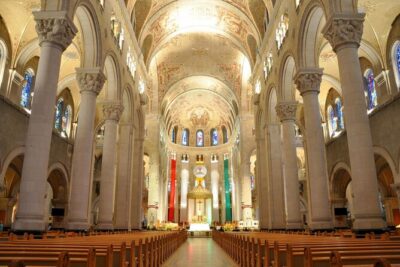
Half-Day Trip to Montmorency Falls and Ste-Anne-de-Beaupré from Quebec city
Read our review →
Old Quebec City: Grand Walking Tour with Private Option
Read our review →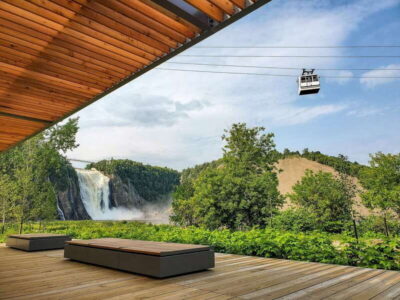
Montmorency Falls & Ile d’Orleans Half-Day Tour
Read our review →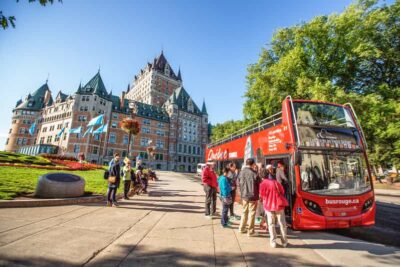
Hop-on Hop-off Open-Top Double Decker Bus Tour
Read our review →Browse the lists this tour appears in