
Review · MONTREAL
Exporail, the Canadian Railway Museum
Exporail is not a quiet room full of railway paintings. It is a working museum where you can climb into old streetcars, passenger cars, steam locomotives, and a caboose. The best part is the sense of scale: these are full-size machines, built to carry people and freight across Canada.
I like the living museum feel, and I like the way the displays connect machinery with ordinary working lives. You see more than engines. You see where a teacher worked in a school car and where a railway employee lived and worked in a caboose. The main drawback is simple: much of the site is outdoors, so you will want decent weather and comfortable closed-toe shoes.
- More than 400 artifacts fill the entrance tunnel, giving you a fast visual introduction to Canadian rail.
- Full-size vehicles open to the public include locomotives, streetcars, passenger cars, and a caboose.
- Eight exhibitions cover rail transport and its effect on Canadian society.
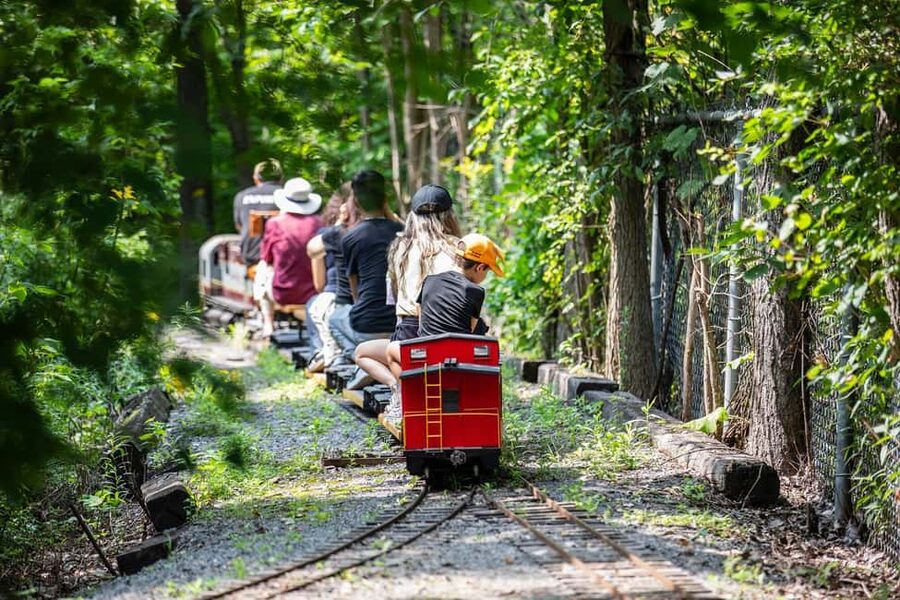
- Optional rides may include a tram, passenger train, or miniature railway.
- Open all year, with indoor and outdoor areas that change with the season.
- French and English service is available, and guided tours are offered on Saturdays and Sundays.
A railway museum built for looking inside
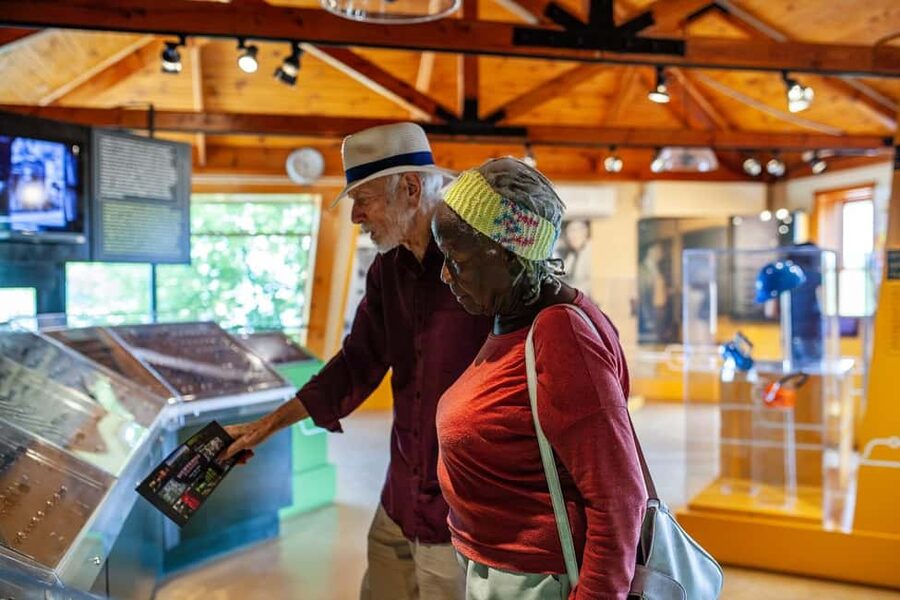
Exporail sits in Greater Montreal, in Quebec, close enough to add to a Montreal day without turning your schedule upside down. At $17 per person, the admission is reasonable for a museum with large vehicles, multiple exhibitions, free parking, and outdoor space.
The key difference is access. You are not only looking at locomotives from behind a barrier. You can climb aboard selected vehicles and see the spaces built for passengers, crews, students, and railway workers. That physical access gives the place a practical quality. You begin to understand how cramped, noisy, or carefully organized railway life could be.
The museum is open throughout the year, but the visit changes with the season. The indoor exhibitions remain useful in poor weather, while the outdoor vehicles and discovery trail are best enjoyed when the temperature is pleasant. A September visit, for example, can work well if you plan for walking outside, but you should not treat this as an indoor-only museum.
Start in the tunnel with more than 400 artifacts
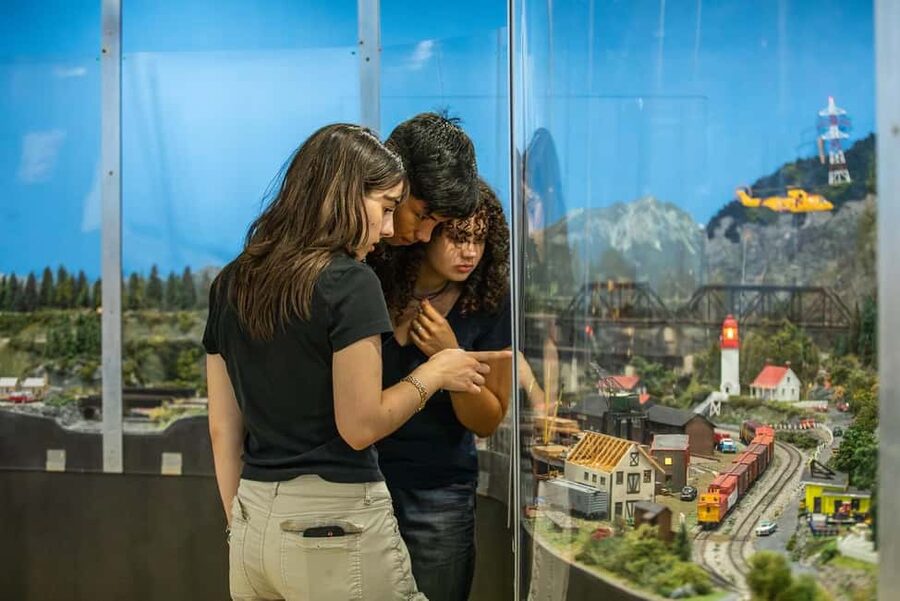
The entrance tunnel sets the tone. More than 400 objects are arranged here, taking you through the development of rail transport and its place in Canadian life. This is a good first stop because it gives you a framework before you face the larger vehicles.
Look at this area as a visual timeline rather than a place to rush through. Small tools, signs, railway objects, and other artifacts help explain the systems behind the trains. A locomotive may catch your eye, but the smaller objects show how many jobs and routines were needed to keep a railway moving.
The tunnel also helps families get oriented. Younger children can spot equipment and railway details, while adults can spend more time with the historical context. If you have only one hour, move steadily here, then choose the vehicles that interest you most.
More rail days around Montreal:
- Niagara Parks: Power Pass + Falls Incline Railway
★ 4.7 · 164 reviews - Bicyle Tour on Historical Kettle Valley Railway from Myra Canyon to Penticton
★ 5.0 · 62 reviews - Guided Bike Tour on Historical Kettle Valley Railway at Myra Canyon & Wine Tour
★ 5.0 · 19 reviews
Eight exhibitions put railways into daily life
Your ticket includes access to all current exhibitions, with some displays depending on the season. Together, the eight exhibitions show how rail transport changed Canadian society, not simply how trains were designed.
That social angle is one of Exporail’s strengths. Railways connected communities, carried passengers, moved goods, and helped shape the country. The displays give you a chance to think about the people behind that system, from railway workers to teachers and passengers.
I would not expect every exhibition to feel equally large or equally interactive. Some are best for reading and looking closely, while others rely on the size and design of the vehicles. The museum works best when you mix both kinds of displays instead of spending your whole visit in one area.
Content may be presented in its original language. French and English are available for the experience, but you should be prepared to encounter some material in its original form. That is part of the character of a Canadian railway collection, especially in Quebec.
Climb aboard locomotives, streetcars, and passenger cars

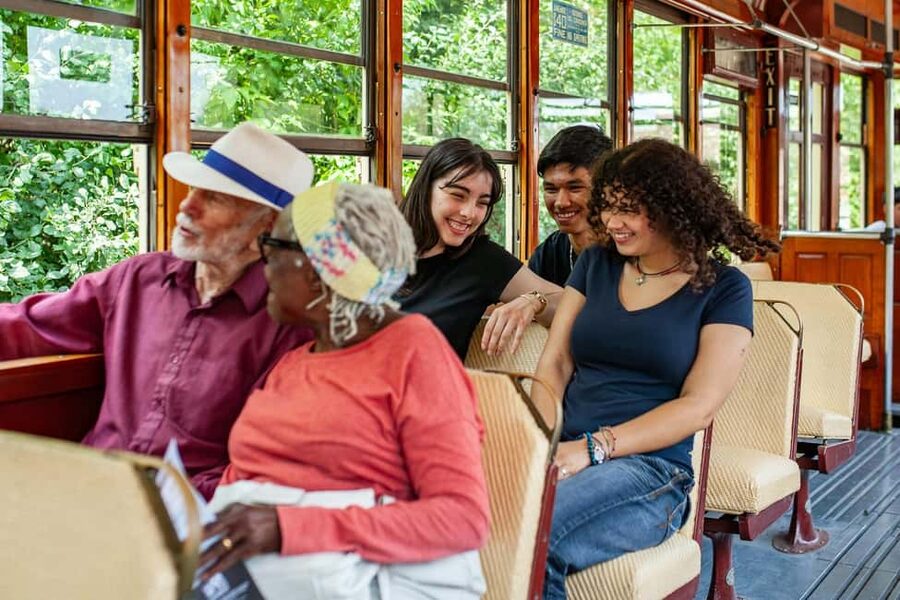
The vehicles are the main event. You can enter selected streetcars, passenger cars, and legendary steam locomotives. Each type of vehicle offers a different view of rail travel.
A streetcar shows you urban transport on a compact scale. Passenger cars let you think about longer journeys and the way railway interiors were arranged for public use. Steam locomotives provide the visual drama, but you should also look at the working parts, crew areas, and controls that made these machines possible.
The museum does not reduce the railway to polished engines. The vehicles show different sides of the system, from public travel to labor and maintenance. That makes the visit more useful than a simple photo stop.
Some vehicles may be easier to enter than others, and the site is large enough that walking is part of the experience. Wheelchair access is available, but the mix of old vehicles and outdoor routes may make certain boarding areas more practical than others. If accessibility is important for your visit, ask at reception about the current vehicle access and route.
Meet the people who made the railway work
The most memorable details are often human. Exporail presents the lives of railway workers and other figures connected with the vehicles.
A school car is a particularly good example. It brings the railway into the classroom, showing how education could be tied to rail service. Instead of thinking only about locomotives crossing the country, you can picture a teacher working in a moving or railway-linked school environment.
The caboose offers another useful perspective. It was not just a small car at the end of a freight train. It could also serve as a place where a railway worker lived and worked. This kind of detail makes the collection easier to understand because it connects hardware with daily routines.
I like this approach because it gives children a story to follow and gives adults a reason to look more closely. Ask yourself who used each space, what the space was designed to do, and what kind of work happened there. The vehicles become less like oversized objects and more like workplaces.
More museums and galleries in Montreal:
- Museum of Illusions Montreal – 70+ Illusions to Explore
★ 4.0 · 103 reviews - Montreal: Museum of Illusions Entry Ticket
★ 4.6 · 25 reviews - Montreal: Art Center and Museum Audio Guided Tour
★ 4.3 · 18 reviews - McCord Stewart Museum – Admission
★ 4.5 · 17 reviews
Add a tram, train, or miniature railway ride
Optional rides can extend the visit. Depending on the day’s schedule, you may find a tram ride, a passenger train ride, or a miniature railway. These activities are not included in the basic admission, so check what is running before you build your plans around them.
A ride changes the pace of the museum. After reading displays and walking through vehicles, sitting in motion gives you a better feel for rail travel. It is also likely to be the part that excites children most, although the appeal depends on the schedule and the specific ride available that day.
Do not assume every optional activity runs every day. The information at reception will tell you what is available, and the themed tour offered that day may affect how the visit is organized. If a ride is important to you, ask at the start rather than waiting until the end.
The one-hour duration is a useful guide, not a command. You can see the main collection in an hour if you keep moving, but the rides, discovery trail, shop, and multiple exhibitions can make a longer visit worthwhile.
Walk the discovery trail when the weather cooperates
The discovery trail adds an outdoor break between the buildings and vehicles. It is a chance to walk, reset your attention, and continue looking at railway objects from a different angle.
This is where weather matters most. One verified visit in late September specifically noted that good weather helps because much of the movement around the site takes place outdoors. That is practical advice. Bring comfortable shoes, dress for the season, and plan for walking between indoor and outdoor areas.
The trail may be less appealing on a cold or wet day, but the indoor exhibitions still give you a solid reason to visit. The museum is open all year, so you do not have to wait for summer. You simply need to adjust your expectations and allow more time for the indoor displays when outdoor stops are less comfortable.
Plan your visit around one useful hour
If you have only one hour, I would follow this order:
- Begin with the entrance tunnel and its 400-plus artifacts.
- Move to the large vehicles and board the locomotives, streetcars, passenger cars, and caboose that are open.
- Choose one or two exhibitions that explain the people and social impact of rail travel.
- Ask at reception about a ride or themed tour before leaving.
- Finish with the shop if you have children or want railway-related souvenirs.
This plan gives you variety without trying to read every label. The museum has enough material for a longer visit, but one hour can work well for a focused stop.
If you have more time, slow down around the school car and caboose. These are the places where the railway’s human side becomes clearest. Add the discovery trail and an optional ride if the schedule allows.
Guided tours are offered on Saturdays and Sundays. The meeting point and details are provided at reception according to the themed tour available that day. A weekend visit can therefore give you more structure, while a weekday visit may suit you better if you prefer to set your own pace.
Food, parking, and the practical details
Free parking is included, which improves the value for anyone driving from Montreal or another part of Greater Montreal. The current main entrance is at P1, near the railroad tracks crossing St. Pierre Street. Access through P2 is closed, so follow the current signs and use P1.
Dining areas are available, with indoor and outdoor spaces depending on the season. You can bring your lunch rather than searching for a restaurant nearby. That is helpful for families and for anyone who wants to turn the museum into a longer half-day outing.
Wear comfortable shoes with closed toes. You will be walking across the site and boarding historic vehicles, so casual footwear is the sensible choice. Pets are not allowed, except for assistance dogs, and alcohol and drugs are prohibited.
The activity is wheelchair accessible. Since the collection includes historic vehicles and outdoor paths, access can vary by area, so ask reception for the best current route if you need step-free access.
You can cancel up to 24 hours in advance for a full refund, and a reserve-now, pay-later option is available. Those terms help if your Montreal plans depend on weather or a changing schedule.
Is $17 a fair price?
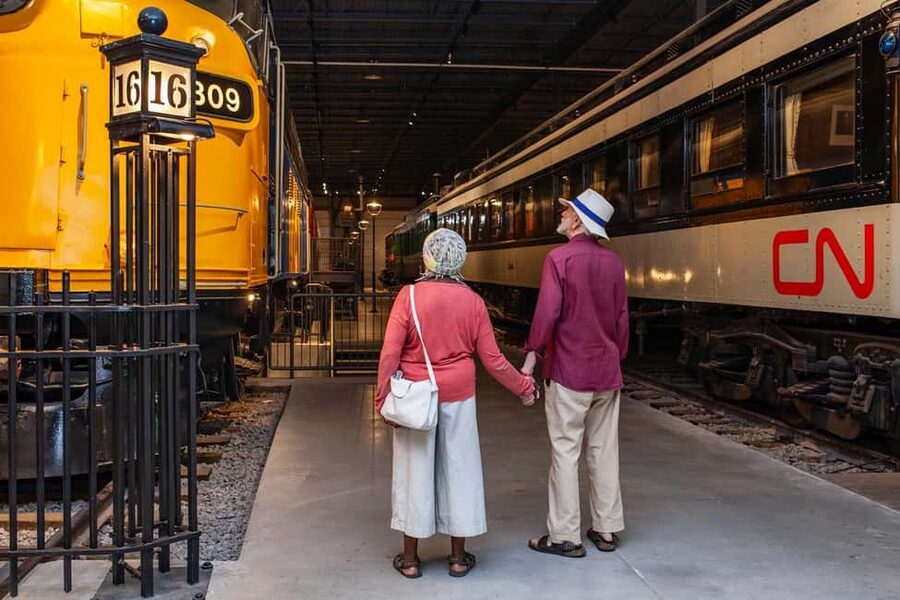
At $17 per person, Exporail offers good value if you like transport, Canadian history, or hands-on museums. Admission includes the exhibitions, vehicle access, parking, and use of the indoor and outdoor museum areas. That is a fair package for a site with full-size railway equipment.
The value is strongest for families and railway enthusiasts, because the vehicles provide plenty to see without requiring a large additional budget. The optional rides cost extra, but they are not required to make the basic visit worthwhile.
The value is weaker if you want a tightly guided, one-hour tour with a fixed sequence and constant narration. The site is partly self-guided, and optional activities depend on the day. You may need to make your own choices instead of simply following a guide from one highlight to the next.
The published rating is 4.2 out of 5 from five bookings, which fits the experience: strong appeal for people who enjoy old trains and broad exhibits, with weather and outdoor walking as the main considerations.
Who will enjoy Exporail most?
I would recommend Exporail to:
- Families with children who like trains, vehicles, and short interactive stops.
- Adults interested in engineering, transport, or Canadian development.
- Montreal visitors looking for a nearby outing with free parking.
- Anyone who enjoys entering historic vehicles rather than viewing them from a distance.
- People who can visit on a weekend and want the option of a guided tour.
- Visitors who want a flexible museum stop that can last one hour or longer.
I would be more cautious if you dislike outdoor walking, need a fully indoor attraction, or want a highly polished modern museum with every activity guaranteed to run. Exporail’s appeal comes from real vehicles, varied displays, and the freedom to explore. That also means the experience can feel less tightly controlled.
The shop is part of the fun
Leave time for the shop. It is designed to appeal to both children and adults, and it gives the visit a final railway-themed stop. The exact products are not specified, so think of it as an optional extra rather than a reason to visit on its own.
Purchases made on site support the preservation of Canada’s railway heritage. If you find something useful or memorable, buying it here contributes directly to the museum’s ongoing work.
Should you book Exporail?
Book it if you want to step inside genuine railway vehicles, see how rail workers lived and worked, and explore a museum that combines indoor exhibitions with an outdoor collection. At $17, the admission is sensible, especially if you use the free parking, bring lunch, and stay long enough for the trail or an optional ride.
Choose a dry, comfortable day if possible, even though the museum operates year-round. Ask at reception about weekend tours and the day’s optional activities, then let your interests guide the visit. If old trains leave you cold, one hour may be enough. If you enjoy machines, workspaces, and the human stories behind transport, Exporail can easily become a longer and more rewarding stop.
FAQ
Where is Exporail located?
Exporail is in Greater Montreal, Quebec, Canada. The current main entrance is at P1, near the railroad tracks crossing St. Pierre Street.
How much does admission cost?
The listed price is $17 per person. Admission includes access to the current exhibitions and free parking.
How long does the visit last?
The stated duration is one hour. You can spend longer if you add a ride, walk the discovery trail, visit the shop, or take more time with the exhibitions.
Is Exporail open all year?
Yes. Exporail is open year-round, with indoor and outdoor areas that can vary by season.
What does the admission ticket include?
Your ticket includes the current exhibitions, access to the museum collection, and free parking. Optional activities are not included.
Are rides included in the ticket?
No. Tram, passenger train, and miniature railway rides are optional activities and may cost extra. Their availability depends on the day’s schedule.
Are guided tours available?
Guided tours are offered on Saturdays and Sundays. Reception provides the meeting point and information based on the themed tour available that day.
Is Exporail wheelchair accessible?
Yes, the activity is wheelchair accessible. Ask at reception for current access information for specific vehicles and routes.
What should I bring?
Bring comfortable shoes and closed-toe shoes. You can also bring lunch to use the available indoor or outdoor dining areas, depending on the season.
Just added around Montreal
- Winter Express: Old Montreal Highlights Walking Tour★ 5.0 · 119 reviews
- Under the Surface of Montreal’s Chinatown: Guided Food Walking Tour★ 5.0 · 23 reviews
- Full Day Family Bike Rental★ 5.0 · 17 reviews
- Montréal Downtown and Underground City Private Walking Tour★ 5.0 · 47 reviews
- Montreal Premium Driving Tour with River Cruise and Notre Dame★ 4.5 · 164 reviews
- Immersive Virtual Reality Game Activity★ 5.0 · 19 reviews
- Day at Mont-Tremblant National Park★ 4.0 · 5 reviews
- In the Shadow of the Mountain: Montreal Jewish History Walking Tour★ 4.5 · 33 reviews
Montreal Tours, compared.



Montreal Mile End Authentic Food Tour with 7 Delicacies Tastings
Read our review →
Quebec City and Montmorency Falls Day Trip from Montreal
Read our review →
The Original Old Montréal Walking Tour by Guidatour
Read our review →
Old Montreal Small-Group Walking Tour | Max 10 | by MTL Detours
Read our review →
Montreal City Sightseeing Tour with Live Commentary
Read our review →
Browse the lists this tour appears in