
Review · VICTORIA
Royal B.C. Museum in Victoria: Full-Day Admission Ticket
The most interesting thing here is the range. In one building, you can move from coastal rainforest wildlife and real marine life in a tidepool to Indian textiles, music as protest, disrupted Indigenous languages, and a recreated early-1900s town. The Royal BC Museum is less a single exhibit than a full day of British Columbia stories.
I like the strong mix of indoor and outdoor sights, especially the full-scale HMS Discovery replica and the outdoor displays around Thunderbird Park. I also like that your ticket includes both permanent galleries and special exhibitions such as Global Threads: The Art and Fashion of Indian Chintz and Beyond the Beat: Music of Resistance and Change.
The main caution is value. The admission costs $22, but IMAX Victoria is not included, and the museum may feel underfilled if you expect every gallery to be packed with objects. One recent visitor found the music and textile exhibitions interesting but felt the building offered less than expected.
Key points to know before you go
- Two special exhibitions add variety: Global Threads examines Indian chintz, while Beyond the Beat looks at music tied to resistance and change.
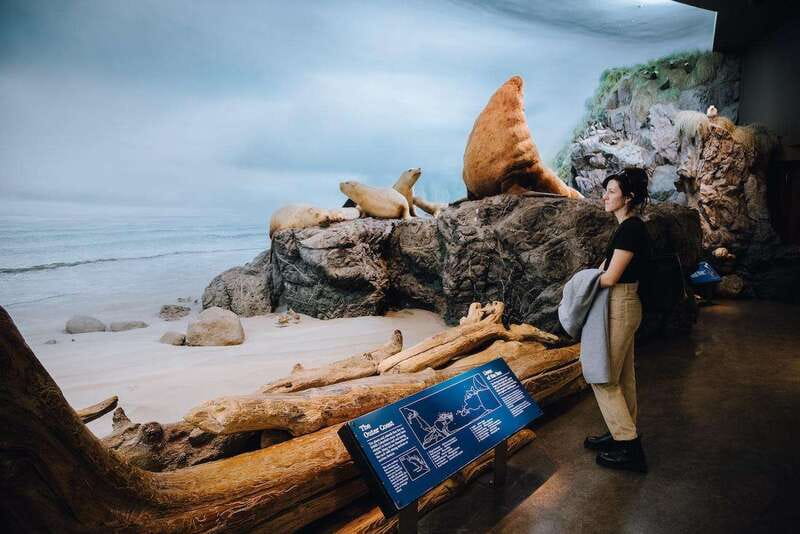
- The Natural History gallery is hands-on: You can see coastal rainforest wildlife and peer into a tidepool containing real marine life.
- History comes in full-size form: Old Town recreates a turn-of-the-century town, and the HMS Discovery replica gives the past a physical scale.
- Indigenous stories have a central place: Jonathan Hunt House and Our Living Languages offer important context about Kwakwaka’wakw culture and disrupted languages in British Columbia.
- You can make this a full-day visit: The ticket is valid for one day, with optional tours included when scheduled.
- IMAX requires a separate ticket: The cinema uses British Columbia’s largest screen, but admission is not part of the museum ticket.
Why the museum works best as a full-day Victoria stop
The Royal BC Museum sits at 675 Belleville Street in downtown Victoria, beside the Inner Harbour. That location makes it easy to combine with a walk through Old Town, a visit to nearby historic sites, or time along the waterfront.
You do not need to rush through the building in an hour. The ticket is valid for one day, and the galleries cover enough ground to reward a slower pace. I would plan at least several hours, and longer if you want to read exhibit text, see the special shows, visit the outdoor precinct, and stop for food.
The museum has been telling stories about British Columbia since 1886. That long purpose is visible in the way the visit moves between natural history, human history, Indigenous culture, and international subjects. You get a picture of the province not as one simple story, but as a place shaped by wildlife, migration, colonial encounters, language disruption, art, trade, and protest.
That broad approach is also the museum’s weakness. If you prefer one tightly focused collection, the experience may feel scattered. If you enjoy changing subjects and letting one gallery lead you to another, the variety is useful.
More museums and galleries in Victoria:
- Toronto: Royal Ontario Museum Admission Ticket
★ 4.6 · 1,237 reviews - Royal Ontario Museum Admission
★ 4.5 · 411 reviews - Toronto: Art Gallery of Ontario General Admission Ticket
★ 4.6 · 251 reviews
Global Threads and the appeal of Indian chintz
Global Threads: The Art and Fashion of Indian Chintz is one of the clearest reasons to visit during this period. The exhibition focuses on Indian chintz, linking art and fashion through a textile tradition that has traveled across borders and influenced design.
You can expect a visual exhibition built around fabric, pattern, and clothing. It adds an international angle to a museum otherwise centered on British Columbia. That contrast is important: you are not looking only at local objects, but at the wider connections that shape art, trade, taste, and dress.
For me, the value here comes from the subject’s everyday accessibility. Most people understand clothing and printed fabric at once. You do not need specialist knowledge to appreciate the designs, and the exhibition gives you an easy way to think about how objects move between cultures.
Allow time for this gallery rather than treating it as a quick extra. A visitor who felt underwhelmed by the museum still singled out the textile exhibition as interesting. That is a useful clue if you are deciding how much of the special-exhibition area to prioritize.
Beyond the Beat: music as a force for change
Beyond the Beat: Music of Resistance and Change offers a different mood. Instead of focusing on objects from the natural world or recreated historical settings, it looks at music in connection with protest, social pressure, and change.
This exhibition gives the museum some needed energy and modern relevance. Music can explain a period or movement in a way a date-filled display sometimes cannot. The subject also helps broaden the museum’s audience, particularly if your group includes people who are less interested in traditional history galleries.
The exhibition is worth pairing with Our Living Languages. They cover very different subjects, but both ask you to consider how culture is carried forward, threatened, reshaped, and shared. One does so through sound and social action. The other focuses on languages in British Columbia that have been disrupted.
A note of caution: the special exhibitions are likely to be the most memorable part of the day for some people, but they will not satisfy everyone equally. The recent rating of 4.3 out of 5 reflects a generally strong visit, yet one 3-star assessment found the displays thinner than expected. Set your expectations for a thoughtful museum with varied galleries, not an enormous collection where every room is crowded with major objects.
Old Town and the HMS Discovery replica
Old Town, also called New Approach in the supplied details, recreates a town from around the turn of the 20th century. This kind of full-scale setting helps you understand how streets, shops, and public spaces might have felt instead of viewing history only through cases.
The appeal is physical. You can stroll through the installation and use the setting to imagine daily life in an earlier Victoria. It is especially useful for families, since children can respond to buildings and spaces more easily than long labels.
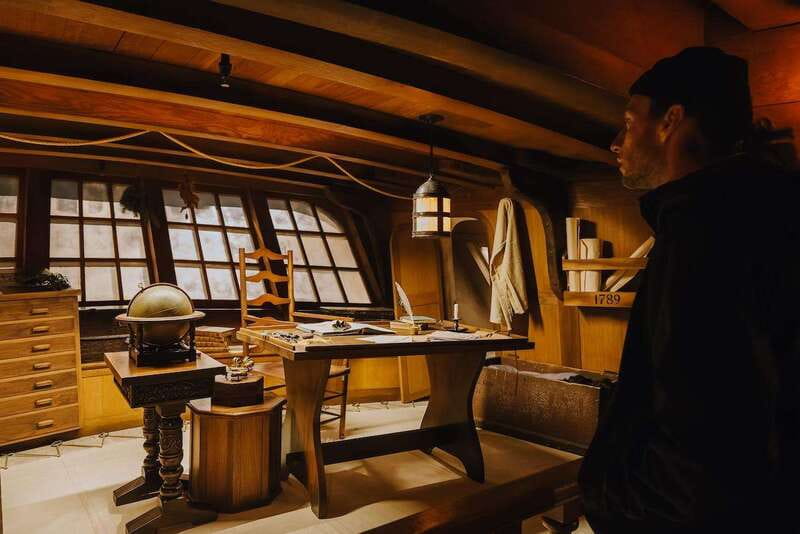
The full-scale replica of HMS Discovery adds another strong visual stop. You can walk aboard the ship and get a sense of its size and layout. A ship replica turns maritime history into something you can inspect from the inside, even if you have little interest in naval details.
These areas also break up the indoor galleries. After reading about textiles, languages, or wildlife, you can move into a town setting or onto a ship. That change of pace is one reason the museum can hold a family’s attention for much of a day.
Keep in mind that a recreated town and ship are interpretations, not untouched historic sites. Their strength is explanation and atmosphere. If you want original buildings at every turn, pair the museum with a walk through Victoria’s Old Town rather than relying on this installation alone.
A few more Victoria half-days to weigh up
- From Montreal: Quebec City & Montmorency Falls Full Day Trip
★ 4.6 · 1,056 reviews - From Quebec City: Whale Watching Excursion Full-Day Trip
★ 4.3 · 863 reviews - Full-Day Quebec City Tour plus Sightseeing Cruise
★ 4.5 · 855 reviews - Lake Louise, Moraine Lake and the Icefields Parkway Full-Day Tour
★ 5.0 · 836 reviews
Jonathan Hunt House and Kwakwaka’wakw culture
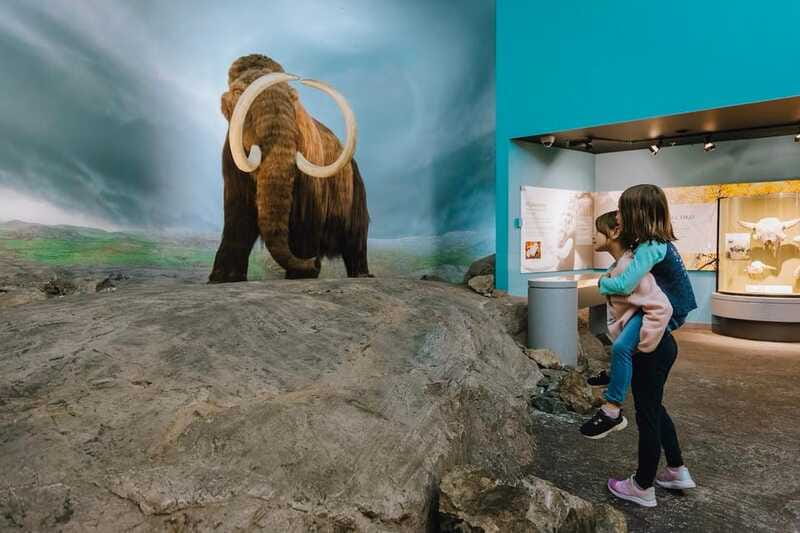
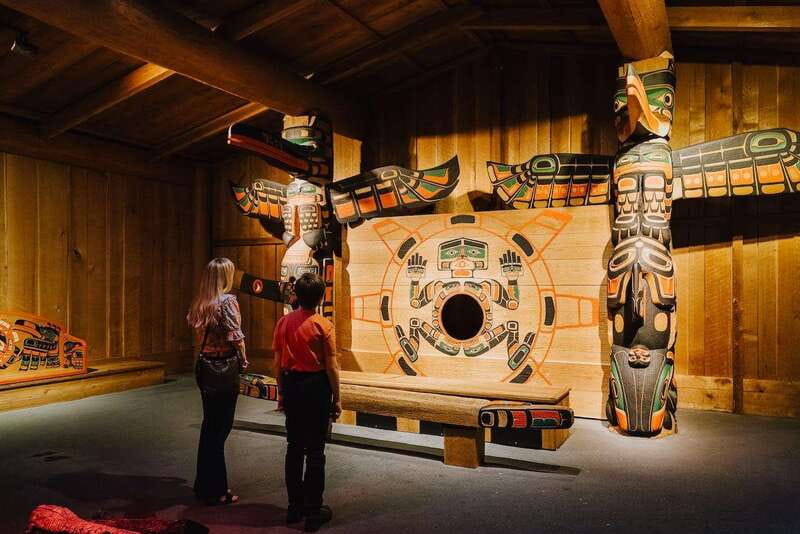
Jonathan Hunt House is a museum installation and ceremonial house connected to a Kwakwaka’wakw Chief. It gives the visit a strong cultural and architectural focus.
You should take time here rather than treating it as a decorative stop. The house offers a setting for considering ceremony, community, and Indigenous cultural expression. Its presence also helps prevent the museum from presenting British Columbia only through colonial buildings, European settlement, and natural specimens.
The information supplied does not provide a guided interpretation or a guide’s name, so you should expect a self-directed museum visit unless an optional tour happens to be scheduled. Tours are included when available, but schedules can vary. If this installation is especially important to you, check at the museum for that day’s options.
The museum’s treatment of Indigenous subjects extends beyond one house. Our Living Languages examines the history of languages in British Columbia that have been disrupted. That subject may be more demanding than the ship or Old Town, but it is one of the visit’s most important parts.
Our Living Languages and the stories of disrupted languages
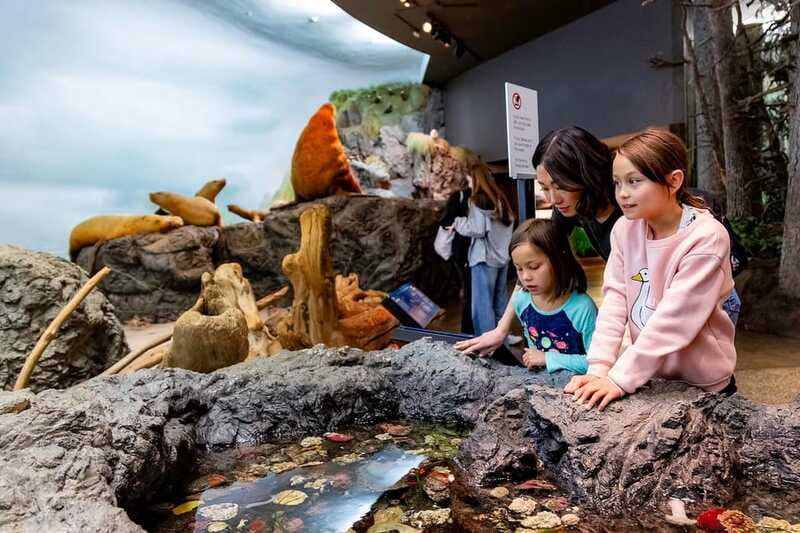
Our Living Languages shares the history of disrupted languages in British Columbia. The exhibit makes language more than a communication tool. It presents language as a way communities carry memory, identity, place, and cultural knowledge.
I would not hurry through this section. Its subject asks for attention, and it can change how you understand other displays in the museum. After seeing objects, buildings, and natural specimens, you are reminded that culture also survives through words and the work of the people who keep them in use.
This gallery may not be the easiest stop for young children, especially if your family is looking for constant motion. Still, it is valuable for adults and older children who want the museum to address the difficult parts of British Columbia’s past rather than showing only picturesque scenes and celebrated institutions.
Taken alongside Jonathan Hunt House, the exhibit adds weight to the visit. You see both cultural expression and the effects of disruption. That combination is more honest than a museum visit focused only on artifacts.
Coastal rainforest wildlife and real marine life
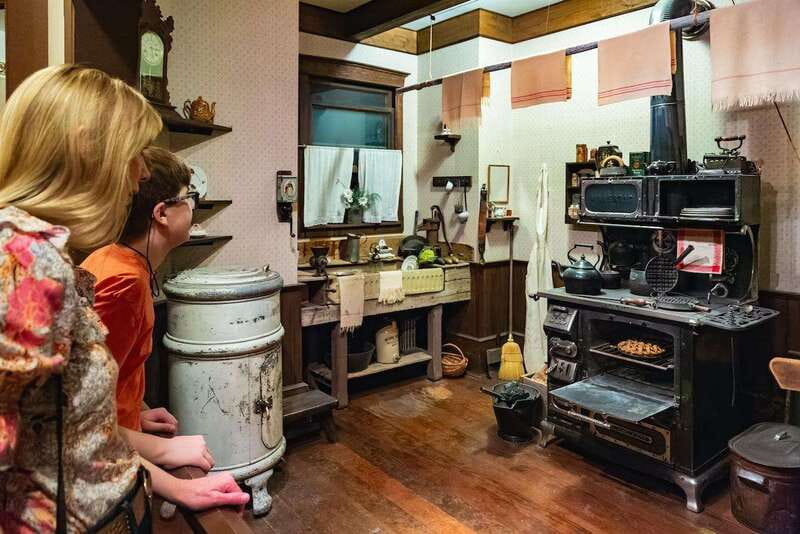
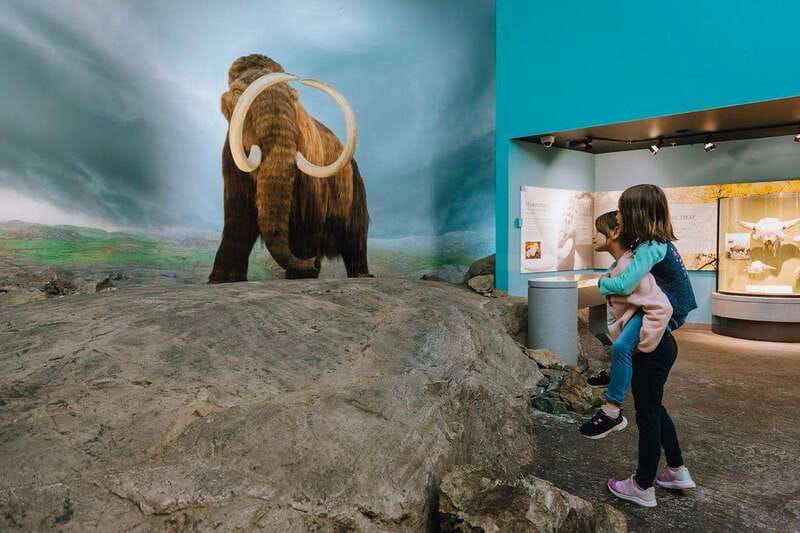
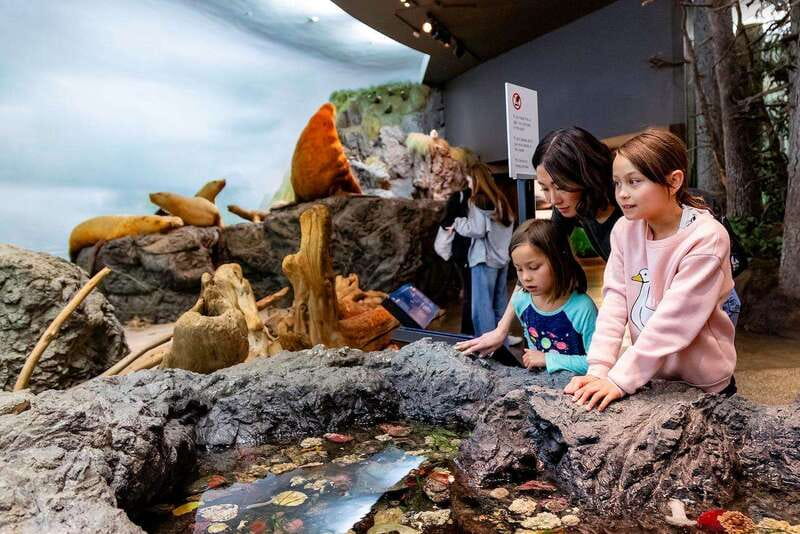
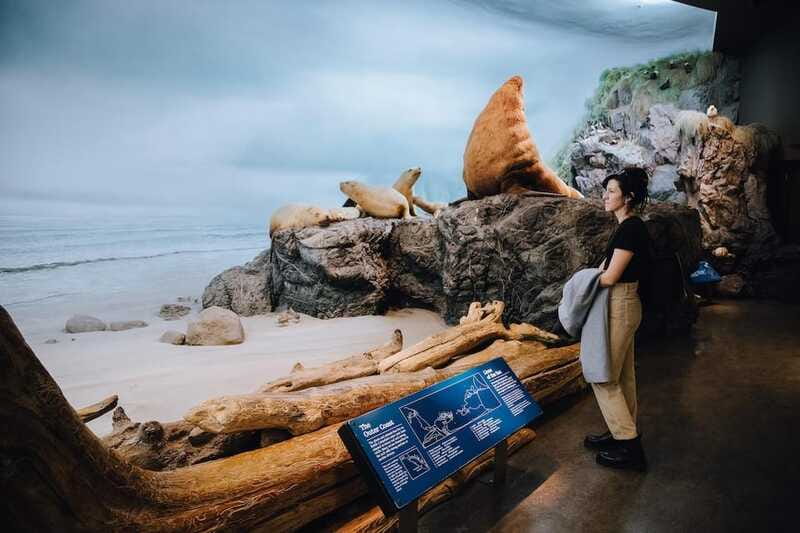
The Natural History gallery brings you into the world of British Columbia’s coastal rainforest. You can see which animals call the rainforest home and peer into a tidepool with real marine life.
This is likely to be one of the safest choices for mixed-age groups. Children can look for animals and inspect the tidepool, while adults get a direct reminder of how many living systems share the coast. The real marine life gives the gallery a changing quality that static displays cannot provide.
The coastal setting also ties the museum to Victoria itself. You are not looking at an abstract natural-history collection from far away. You are learning about the region around you, including the forests and shorelines that shape British Columbia’s identity.
If your main interest is wildlife, give this gallery priority. If you prefer human history, use it as a refreshing break between the cultural exhibits. Either way, it helps explain why the museum’s program works as a mix rather than a single subject.
Outdoor sites around Thunderbird Park
Your museum experience continues outside the main galleries. Thunderbird Park and St Ann’s Schoolhouse are part of the surrounding precinct, giving you more to see after the indoor exhibits.
Thunderbird Park adds an outdoor cultural element and gives you space to move around. It is a useful stop after several indoor rooms, particularly on a pleasant day. St Ann’s Schoolhouse provides another historic setting, with a different scale and purpose from Old Town.
The outdoor component earned specific praise in one recent 5-star family assessment, which called the outdoor exhibition especially good for children. That matches the practical advantage: young visitors can shift from cases and labels to full-size structures and open air.
Because the supplied details do not give a precise route or time for each site, treat these as flexible parts of your day. You can visit them between galleries, before lunch, or near the end. The important point is not to assume the museum ends at the main indoor entrance.
Food, shopping, and the optional IMAX finish
The Museum Cafe is operated by 2% Jazz. It serves fresh baked goods, sandwiches, and specialty coffees, giving you an easy place to pause without leaving the museum area.
A cafe matters on a full-day ticket. You can keep your visit going instead of losing time searching for lunch elsewhere. Still, the information does not provide prices or opening hours, so check the day’s schedule before counting on a particular meal.
The Royal Museum Shop sells books, bags, clothing, children’s items, jewelry, art, and other souvenirs. I like this kind of shop when it reflects the museum’s subjects, since a book or small art item can be more useful than a generic keepsake.
IMAX Victoria offers a cinematic finish on British Columbia’s largest screen. It sounds like a natural final stop after the galleries, particularly if you want a quiet change from exhibits. But the cinema is not included in the $22 museum admission. Treat it as an optional extra and check the separate price before building it into your budget.
Is the $22 admission good value?
At $22 per person, the ticket is fairly priced if you use it as a full-day admission. The value comes from access to permanent galleries, special exhibitions, outdoor sites, and the chance to attend optional tours when they are scheduled.
The price looks less attractive if you plan to stay for only an hour or two. It also becomes less simple to compare once you add IMAX, since that requires separate admission. For a short museum stop, you may feel you have paid for more time than you used.
Families can get good value from the variety. One person can spend time with the ship or Old Town, another can focus on textiles or music, and children can head toward the wildlife gallery and outdoor displays. The family-friendly mix was a clear strength in the high rating from Wiebke, who found the experience especially good with kids.
The museum is wheelchair accessible. The downtown location also works well if you are already in Victoria’s Inner Harbour. From the BC Ferries terminal at Swartz Bay or Victoria Airport, take Highway 17 south to Belleville Street, then turn right.
You can cancel up to 24 hours in advance for a full refund, and reserve now while paying later if that option is offered at booking. Your voucher must be exchanged at the Box Office for an admission ticket, and it can be used up to seven days before or after the specified date. It has no cash value and cannot be transferred.
Who should book this museum day?
I would recommend this experience to families, first-time Victoria visitors, and anyone who wants a broad introduction to British Columbia. The mixture of wildlife, Indigenous culture, language, historic settings, international textiles, and music gives you plenty of ways into the museum.
It also suits a rainy day. You have enough indoor material to fill several hours, with outdoor stops available when conditions are pleasant. The cafe and shop make it easier to stay on site.
You may want to choose another activity if you prefer a compact museum with a single clear theme. The building is large, but one recent 3-star assessment found it surprisingly light on exhibits. That reaction is worth taking seriously. The museum’s strength is range and interpretation, not a nonstop parade of spectacular objects.
FAQ
Where is the Royal BC Museum located?
The museum is at 675 Belleville Street in downtown Victoria, British Columbia, in the heart of the Inner Harbour.
How long is the admission valid?
The ticket is valid for one day. Check availability for the starting times offered when you book.
What does the $22 ticket include?
It includes museum entrance, access to permanent galleries, and access to special exhibitions. Optional tours are included when they are scheduled.
Is IMAX Victoria included?
No. IMAX admission is not included in the museum ticket and must be purchased separately.
Which special exhibitions can I see?
The featured exhibitions are Global Threads: The Art and Fashion of Indian Chintz and Beyond the Beat: Music of Resistance and Change.
Is the museum wheelchair accessible?
Yes, the Royal BC Museum is wheelchair accessible.
Can I cancel my booking?
Yes. You can cancel up to 24 hours in advance for a full refund.
What must I do with the voucher?
You must exchange the voucher at the Box Office for an admission ticket. The voucher may be used up to seven days before or seven days after the specified date, has no cash value, and is non-transferable.
Should you book the Royal BC Museum?
Book it if you want a flexible, full-day Victoria stop with strong family appeal and plenty of subject variety. Prioritize the Natural History gallery, Our Living Languages, Jonathan Hunt House, Old Town, and the HMS Discovery replica, then make time for the current textile and music exhibitions.
The $22 price makes sense when you use the ticket for several hours. Go in expecting a broad museum rather than a packed blockbuster collection, and you are more likely to appreciate its strengths. Add IMAX only if the separate cost fits your plans.
Just added around Victoria
- Telegraph Cove: Whale Watching Adventure with Free Photos★ 4.6 · 130 reviews
- Pickle Pub Crawl: Ferry Rides and Appetizers★ 4.7 · 52 reviews
- Iconic & Obscure Victoria Walking Tour★ 4.7 · 44 reviews
- From Victoria: Whale Watching Marine Wildlife Excursion★ 4.7 · 19 reviews
- Brentwood Bay: Bioluminescence Tour★ 4.8 · 20 reviews
- 6-Hour Victoria to Cowichan Wine Tour★ 4.4 · 21 reviews
- Victoria: City Highlights and Butchart Gardens Tour★ 4.6 · 148 reviews
- Vancouver to Victoria Seaplane Day Trip + Butchart Gardens★ 4.7 · 141 reviews
Victoria Tours, compared.

Victoria Half-Day Whale Watching Adventure with Free Photos
Read our review →


The Butchart Gardens Express Shuttle from Downtown Victoria
Read our review →
Victoria Whale Watching Tour on a Covered Vessel
Read our review →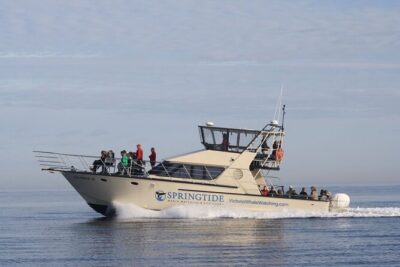
Browse the lists this tour appears in