
Review · OTTAWA
Ottawa: Canadian War Museum Admission
The Canadian War Museum is not simply a room full of weapons. Its building tells a story before you reach the first gallery. Rough concrete, uneven floors, and windows that spell Lest We Forget / N’oublions jamais in Morse code create a sober setting for Canada’s military past. I especially like the way the architecture admits the damage caused by war while still pointing toward renewal.
I also like the museum’s human scale. Personal letters, family stories, photographs, uniforms, and voices make the past easier to grasp than a list of battles. The second big draw is the LeBreton Gallery, where tanks, artillery, and military vehicles give the museum real weight and drama.
The main drawback is time. Two hours lets you see the highlights, but not read everything. If you want to follow all four chronological sections and spend time with the personal stories, plan closer to six to eight hours. The building is large, and some displays may feel dim to visitors who need strong lighting.
Key points to know before you go

- The building carries a message: Raymond Moriyama’s design uses Morse code, rough concrete, and uneven floors to connect the museum itself with the cost of conflict and the hope of regeneration.
- The galleries follow Canada through war: You move from early conflicts in Canada through the First and Second World Wars and into more recent military engagements.
- The tank collection deserves extra time: The LeBreton Gallery displays large artillery pieces, armored vehicles, and other military machines.
- Memorial Hall is the quiet center: Canada’s Unknown Soldier is represented by a headstone here, creating a place for pause rather than spectacle.
- Personal stories do the hardest work: Letters, photographs, art, uniforms, and recorded voices show how war affected soldiers, families, women, and communities.
- You set the pace: Admission covers the permanent galleries and special exhibitions, with a multilingual guide, coat check, and accessible facilities.
Why the architecture matters before the exhibits
Start by looking around the building instead of rushing for the galleries. Japanese Canadian architect Raymond Moriyama designed the museum around regeneration, a word that gives the whole visit its shape. The structure feels wounded in places, with rough concrete and irregular surfaces, yet it is open to light and air.
The Morse code windows are one of the most memorable details. Their message, Lest We Forget / N’oublions jamais, turns a familiar memorial phrase into part of the building. You do not need architectural training to understand the point: remembrance is built into the walls.
That setting changes how you read the displays. A tank is not presented only as an engineering object. A uniform is not just fabric and insignia. Each item sits within a larger question about duty, fear, loss, and what happens after the fighting ends.
The design can also be physically demanding in small ways. Uneven floors are part of the concept, but you should wear comfortable shoes and take your time. The museum is wheelchair accessible, though the unusual surfaces may make careful movement useful for everyone.
More museums and galleries in Ottawa:
- Gatineau: Canadian Museum of History Admission
★ 4.8 · 230 reviews - Ottawa: Canadian Museum of Nature Admission
★ 4.6 · 226 reviews - Canadian War Museum Admission
★ 4.5 · 213 reviews
Follow the galleries in chronological order
Once inside the exhibition area, you can follow the museum’s four broad sections in sequence. This is the clearest approach if you do not already know much about Canada’s military past. One useful feature of the layout is that you can get a logical outline of the story without feeling lost in a maze of displays.
The early galleries introduce conflicts that shaped Canada before the modern world wars. This part is especially helpful if your knowledge begins with 1914. You see how military events affected the country’s development and how Canada’s role changed over time.
The First World War section gives you a closer look at the scale of that change. Expect objects, images, personal accounts, and military material that place Canada’s participation within the wider conflict. Rather than treating the war as a distant European event, the museum connects it to Canadian soldiers, families, and public life.
The Second World War section is a natural focus for many people. One visitor with limited time chose to begin there, and that is sensible if you have only two hours. Canada’s wartime sacrifice is presented through equipment and campaigns, but also through the people who served and those who waited at home.
Later galleries bring the story toward contemporary conflicts. They help show that military history did not end in 1945. The tone shifts as the museum considers modern service, changing technology, and the lasting effects of deployment.
Give yourself permission to skip and return. You will not absorb every label in one pass. Choose a few objects or stories that catch your attention, then return to sections that matter most to you.
Personal stories make the history easier to understand
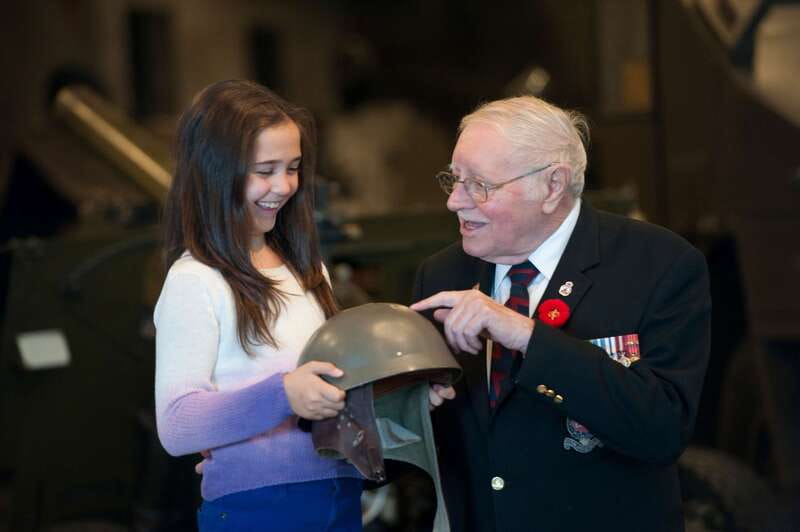
The museum’s strongest material is often the small material. A family account, a photograph, a medal, or a soldier’s belongings can explain the human cost of war more clearly than a room of dates.
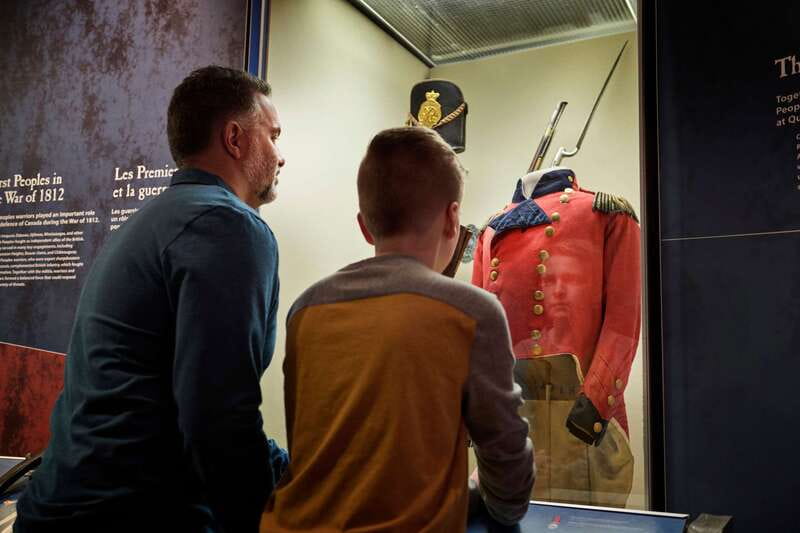
Thousands of objects and accounts fill out the larger story. You will encounter uniforms, small arms, medals, photographs, works of art, rare books, and archival material. The collection also includes the Beaverbrook Collection of War Art, which adds another way to understand military service and conflict.
The focus on families is important. War affects more than the people in uniform, and the museum makes room for that wider view. Personal stories can show separation, grief, recovery, and the strain of returning to ordinary life.
A particularly affecting area is the material about postwar and post-service struggles. The exhibition In Their Own Voices has been especially powerful for visitors because it gives space to experiences after the fighting ends. That is a useful reminder that the end of a war does not necessarily mean the end of its effects.
You should expect some displays to be emotional. This is not a light entertainment stop, even though the vehicles and interactive features can appeal to children. Young visitors may be drawn in by the hardware, while older children and adults can begin to understand the people behind it.
The LeBreton Gallery is the mechanical highlight
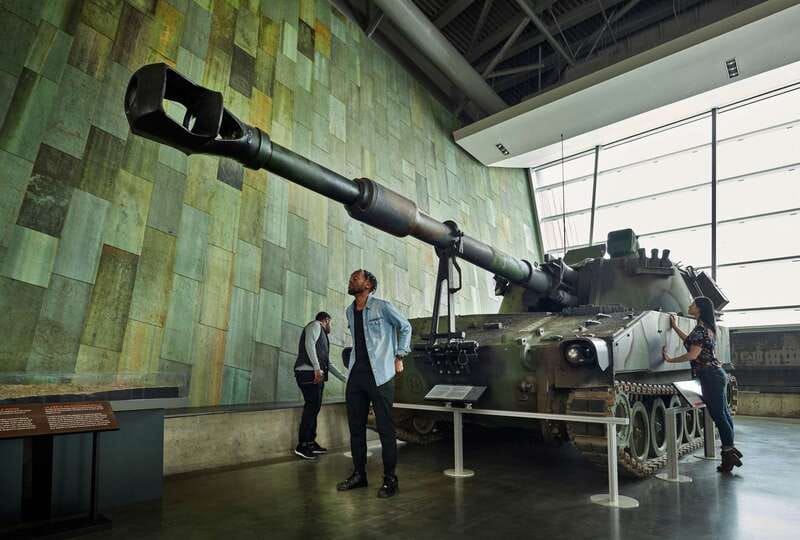
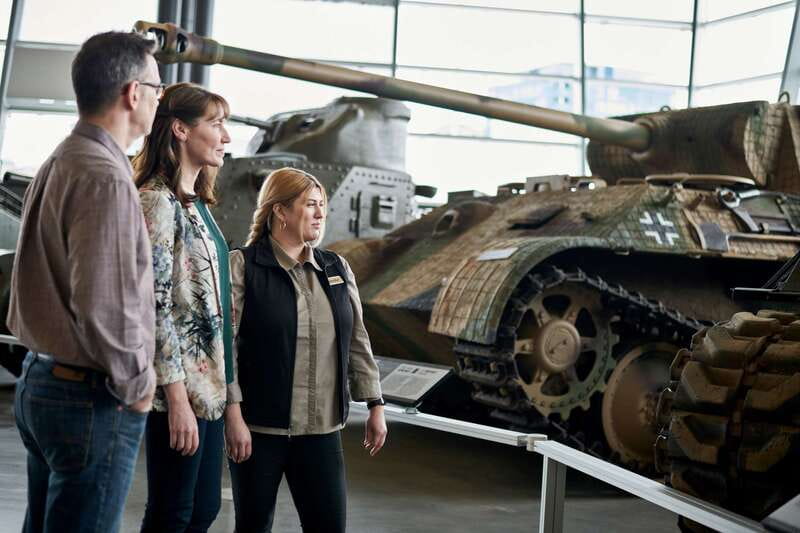
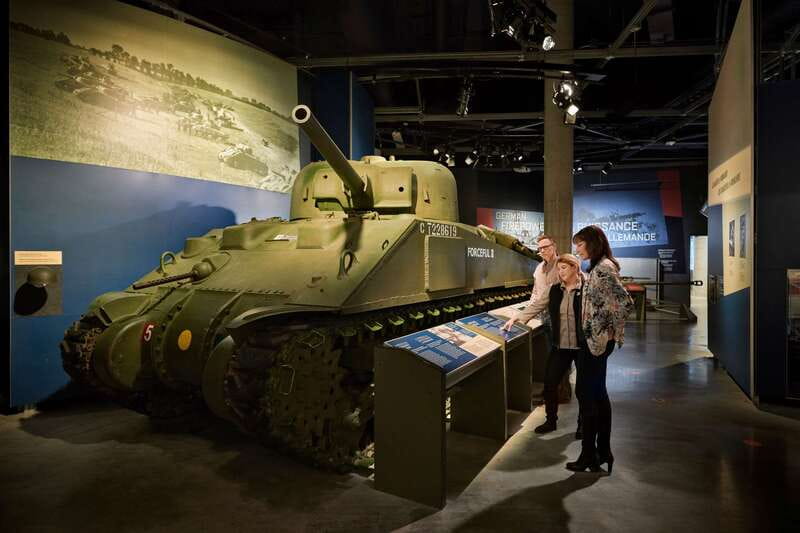
If you have a child in your group, or simply enjoy military technology, head for the LeBreton Gallery. The large open space contains artillery and military vehicles, including an impressive tank collection. It gives you the scale that photographs cannot provide.
Standing beside a tank makes its size, weight, and practical purpose clearer. You can compare different forms of military transport and see how equipment shaped battle. The gallery also breaks up the reading-heavy sections, giving you a visual pause before returning to detailed accounts.
This is one area where a short visit can still feel rewarding. Even if you have only two hours, the vehicles provide an immediate sense of the museum’s range. If you have a full day, do not treat the gallery as a quick photo stop. Read the labels around the machines, then consider how the technology affected the people using it.
The collection includes artillery, armored vehicles, and other large objects, but the museum is not only a vehicle hall. If you come expecting tanks alone, you will miss much of the institution’s best work. The machines are the hook; the stories give them meaning.
A few more Ottawa half-days to weigh up
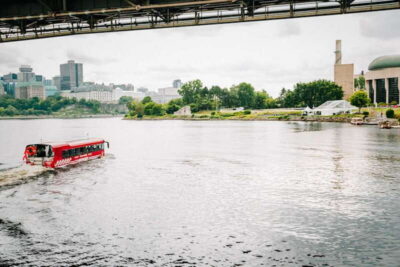
- Ottawa: Bilingual Guided City Tour by Amphibious Bus
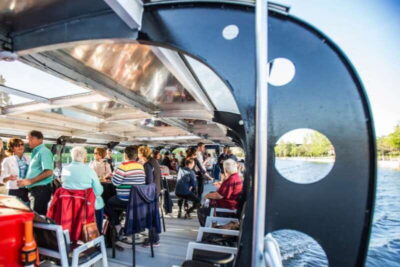
★ 4.6 · 2,089 reviews - Ottawa: Sightseeing River Cruise
★ 4.3 · 1,585 reviews - Ottawa: Rideau Canal Cruise
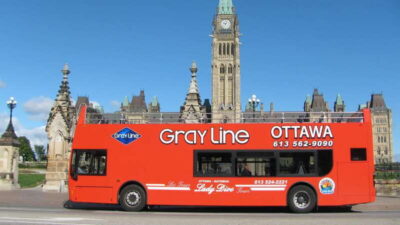
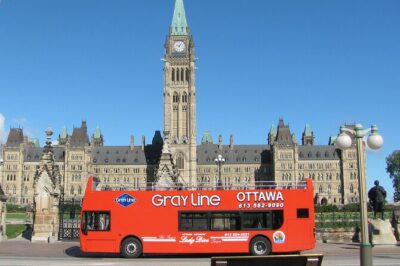
★ 4.4 · 1,303 reviews - Ottawa: Hop-On Hop-Off Guided City Tour Pass
★ 4.4 · 1,194 reviews
Make time for Memorial Hall
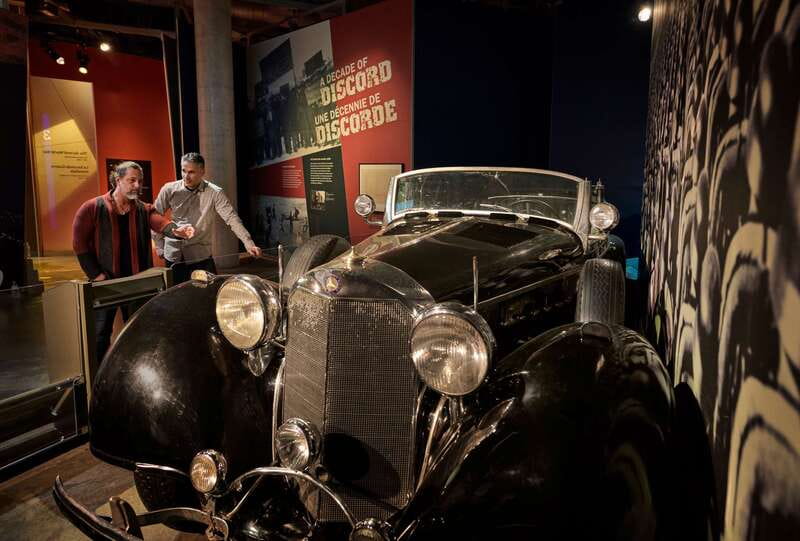
Memorial Hall is designed for quiet reflection, and you should treat it differently from the main galleries. Canada’s Unknown Soldier is represented by a headstone here, creating a direct link between national remembrance and the anonymous losses of war.
This is a place to stop rather than rush through. You may want to sit or stand quietly for a moment before continuing. The museum also includes the Moriyama Regeneration Hall and the Royal Canadian Legion Hall of Honour, both of which add to the focus on memory, service, and recovery.
These spaces help prevent the visit from becoming a parade of military hardware. They bring you back to the reason the objects matter. The museum can show a plane, rifle, or armored vehicle, but Memorial Hall asks you to think about the human lives represented by all of them.
If children are with you, explain in simple terms why this room is quiet. The museum’s family appeal does not mean every space is noisy or playful. That contrast is useful, and it can make the visit more meaningful for younger visitors.
Special exhibitions add a second visit factor
Admission includes the permanent galleries and special exhibitions. The temporary displays can change the emphasis of your visit, so check what is showing when you plan your day.
Past and current exhibition themes can range from the First and Second World Wars to art created by women in conflict zones. That broader range matters because it moves beyond campaigns and equipment. Art can show fear, absence, trauma, and resilience in ways that a military timeline cannot.
The special exhibitions also give returning visitors a reason to come back. One person who had not visited for seven years found In Their Own Voices a major new reason to return. If you have seen the main galleries before, allow time for the temporary material rather than assuming you have already covered the museum.
The displays are generally well organized, with a flow that makes the chronological material easy to follow. Still, one practical note is worth keeping in mind: some areas may have low lighting. That suits the mood of certain exhibits, but it can make reading labels harder.
How much time should you allow?
You can make a worthwhile visit in two hours, but that is a highlights tour, not a full reading of the museum.
Use these time plans:
- Two hours: Begin with the Second World War galleries, see the LeBreton Gallery, and pause at Memorial Hall.
- Three to four hours: Follow the main chronological route and spend time with selected personal stories and special exhibitions.
- Six to eight hours: Read most labels, examine the vehicles closely, and give the temporary exhibitions and reflective spaces their due.
The museum is valid for one day, so you are not forced into a short schedule. If you are building an Ottawa day around it, avoid pairing it with too many major indoor attractions unless you plan to skim.
Comfortable shoes matter. You will be on your feet for much of the visit, and the size of the galleries makes a slow pace more comfortable than trying to race from room to room.
Price, access, and practical value
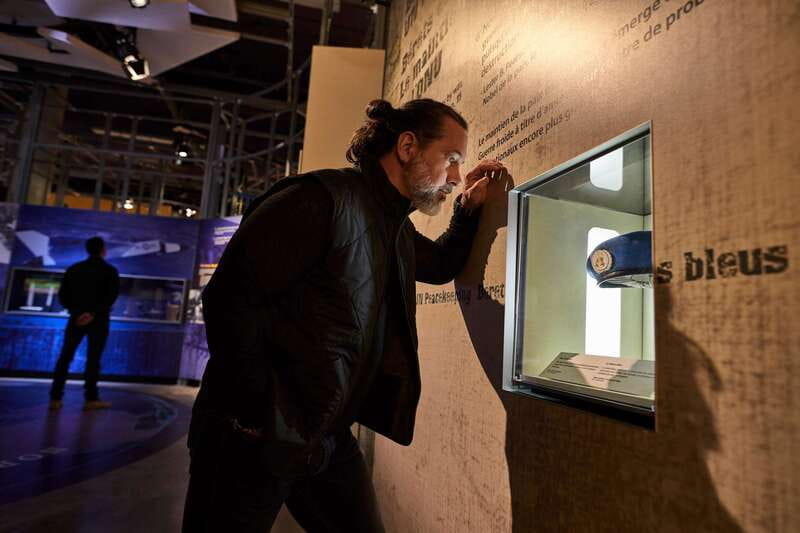
The listed price is $18 per person. For a museum that includes the permanent galleries, special exhibitions, large vehicles, art, archives, and interactive presentations, that is a fair price if you can give it several hours.
The value drops if you arrive near closing and have time only for a quick walk-through. The museum rewards attention, especially when you stop to read personal accounts. I would choose it over a cheaper but thinner attraction if military history, Canadian identity, or family stories interest you.
There is one price detail worth checking before you pay. One booking experience found that purchasing directly through the museum could save $23 for two tickets, so compare the direct Canadian War Museum price with any third-party option. The listed activity also allows cancellation up to 24 hours before the visit and offers reserve now, pay later booking, which can help if your Ottawa plans are still shifting.
The museum is accessible by foot, bicycle, public transit, or car from downtown Ottawa. Parking is not included, and food and drinks are not included either. Smoking, food, drinks, and pets are not allowed inside, though assistance dogs are permitted. A self-serve coat check is included.
Admission is free for children and youth aged 17 and under. From December 12, 2025, through January 15, 2026, the Canada Strong Pass gives young adults aged 18 to 24 a 50 percent discount on general admission, with proof of age possibly required. The offer does not apply to group bookings, summer camps, or birthday parties.
Who will get the most from this museum?
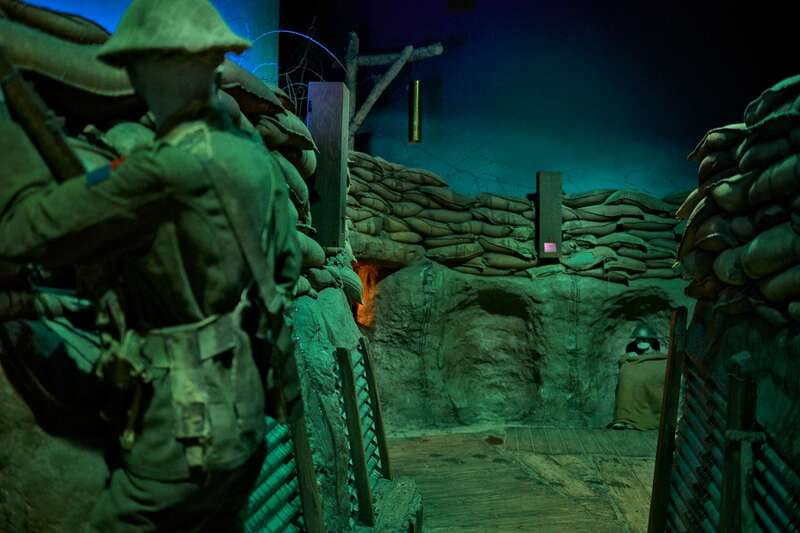
I would recommend the Canadian War Museum to anyone who wants more than a quick list of Canadian battles. It works especially well for:
- Families with school-age children interested in tanks, planes, uniforms, or stories about individual people
- Adults who want a serious but approachable introduction to Canada’s military past
- Visitors who enjoy museums with strong architecture and thoughtful memorial spaces
- People who have already visited Ottawa and want an attraction that rewards a long, quiet afternoon
- Anyone interested in how war affects families and veterans after service ends
It may not suit you if you dislike reading, have less than an hour, or want a purely hands-on attraction. Some sections are emotionally heavy, and the museum asks you to think as well as look.
If you are visiting with children, use the large vehicles as your starting point, then connect them to the stories nearby. That approach gives younger visitors a reason to stay engaged without reducing the museum to a collection of machines.
Should you book the Canadian War Museum?
Yes, if you can spare at least three hours and want a thoughtful Ottawa museum experience. The building, the chronological galleries, the personal accounts, and the LeBreton Gallery work together well. Memorial Hall gives the visit a quiet center, while special exhibitions can make a return trip worthwhile.
Book it if you want to understand Canada through the experiences of its soldiers, families, veterans, and communities. If your schedule is tight, go straight to the Second World War galleries, the tank collection, and Memorial Hall. For the full experience, set aside six to eight hours, wear comfortable shoes, and compare the direct museum price before purchasing.
FAQ
Where is the Canadian War Museum?
The museum is at 1 Vimy Place in Ottawa, Ontario, Canada. It can be reached from downtown Ottawa by foot, bicycle, public transit, or car.
How long is admission valid?
Admission is valid for one day. Starting times depend on availability.
What does the admission price include?
The $18 admission includes access to the Canadian War Museum, its permanent galleries, special exhibitions, a multilingual museum guide, and a self-serve coat check.
Is the Canadian War Museum wheelchair accessible?
Yes. The museum is wheelchair accessible.
Is parking included?
No. Parking is not included in the admission price.
Can children and young adults receive discounted admission?
Children and youth aged 17 and under receive free general admission. From December 12, 2025, to January 15, 2026, young adults aged 18 to 24 receive 50 percent off general admission through the Canada Strong Pass initiative. Proof of age may be required.
Just added around Ottawa
- Flying Dress Photoshoot Experience in Ottawa★ 5.0 · 11 reviews
- Full-Day Montreal City Tour from Ottawa and optional city cruise★ 4.5 · 7 reviews
- Ottawa Valley Haunted Tour – Night Trip From Ottawa★ 4.5 · 5 reviews
- Cycling Ottawa’s 200th Anniversary, self-guided★ 5.0 · 45 reviews
- Ottawa Premium Night Driving Tour with River Cruise★ 4.5 · 25 reviews
- Ottawa Small Group Walking Tour with Cruise and Art Gallery★ 3.5 · 21 reviews
- Guided ByWard Market Food Tour★ 5.0 · 21 reviews
- Best of Ottawa Neighbourhoods & Nature Bike Tour★ 5.0 · 34 reviews
Ottawa Tours, compared.




Browse the lists this tour appears in