
Review · CANADA
Nikka Yuko Admission (Adults & Children)
The most appealing part of this outing is the mix of quiet garden time and child-friendly activities. At Nikka Yuko, children receive activity books and crayons, while adults can take in the dry rock garden, tea pavilion, seasonal exhibits, and cultural performances without needing to keep everyone entertained every minute.
I like the chance to ring the Friendship Bell beside Henderson Lake, and I like that admission includes daily programming rather than only access to paths and plantings. The main drawback is scale: the garden is small, and its appeal depends more on design, culture, and scheduled activities than on masses of flowers.
I also like the flexibility. You can spend an hour making a quick cultural stop, or stay closer to two hours if you add a performance, guided tour, exhibit, or time at the tea pavilion. Just remember that drinks, cookies, and snacks cost extra.
Key points to know before you go
- Activity books and crayons keep children involved while adults explore at a calmer pace.
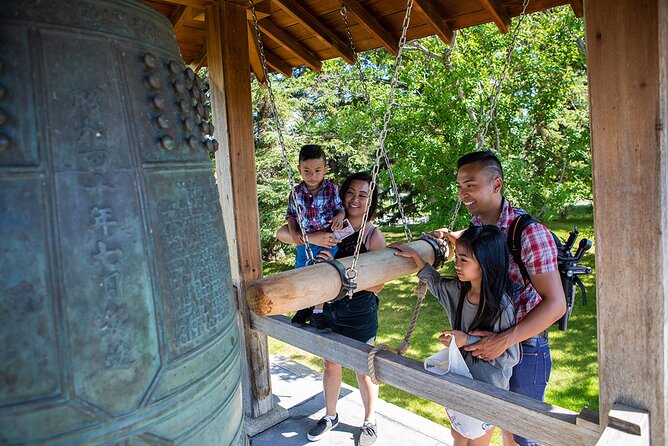
- The Friendship Bell overlooks Henderson Lake and offers a simple, meaningful family moment.
- Daily programming is included, with seasonal activities, exhibits, and performances changing the feel of a visit.
- Tea ceremonies, sake tastings, Japanese beer, and Minyo dancing may be part of the garden’s cultural schedule, but refreshments are not included in admission.
- Guided tours begin Thursday through Monday, giving you more context about the garden and Japanese-Canadian history.
- Plan for 1 to 2 hours, and expect a compact experience rather than a huge botanical garden.
A small Japanese garden on the Alberta prairie
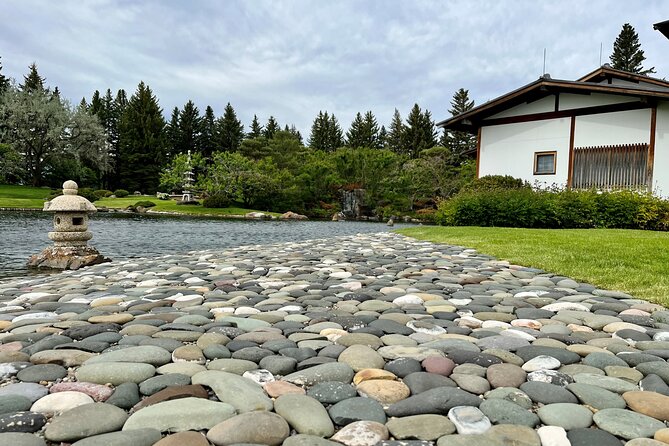
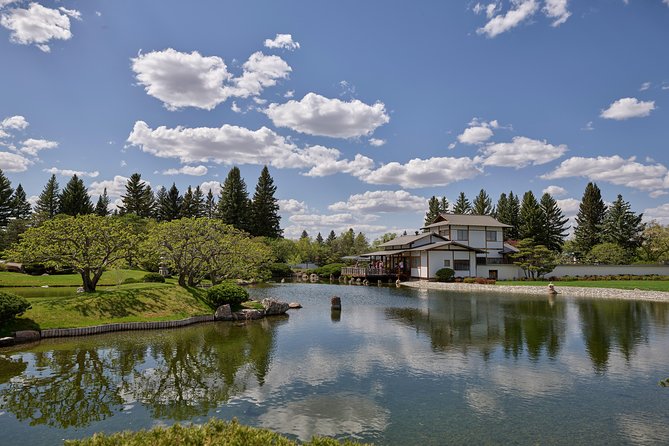
Nikka Yuko Japanese Garden offers an unusual setting: a Japanese-style garden in Southern Alberta, with prairie surroundings and Henderson Lake nearby. The name means Japan-Canada Friendship, and the garden uses that idea to connect design, culture, and local history.
You begin with admission to the garden and can set your own pace. This is not a long bus tour or a tightly timed attraction. You walk the paths, pause where you like, and decide how much of the programming fits your family’s mood.
The garden’s story includes the people who founded it and the hardships faced by Japanese-Canadians in the local area after the war. That background gives the visit more weight than a simple stroll through ornamental grounds. You are seeing a place designed to mark friendship, remembrance, and cultural exchange.
I would give yourself a few quiet minutes at the start. Children may want to head straight for the activity materials, but the garden makes more sense when you slow down and notice how its spaces are arranged.
Other Alberta days people book on the same trip:
- Wild Water Adventures
★ 5.0 · 581 reviews - Moraine Lake, Lake Louise Johnston Canyon Banff National Park
★ 4.5 · 243 reviews - Icefields Parkway: a Smartphone Audio Driving Tour
★ 4.0 · 118 reviews
What children actually get from the package
The child-focused side of the visit is practical rather than elaborate. Activity books and crayons give children something to do as they walk and observe, and themed surprises and Japanese treats add a playful note to the cultural setting.
That matters because a traditional garden can lose younger children quickly. The activity materials let them engage at their own level. You can explain a bell, a rock garden, or a performance without expecting them to stand still through every part of the visit.
The package is also useful for mixed-age families. Older family members can sit quietly near the dry rock garden, while younger children work through their books or look for details along the paths. You are not locked into a single group activity from beginning to end.
Still, keep expectations sensible. The child package does not turn the garden into a large amusement attraction. It supports exploration, but the main experience remains a Japanese garden with cultural programming. Children who need constant action may finish their activities before you are ready to leave.
Walking the paths and reading the garden
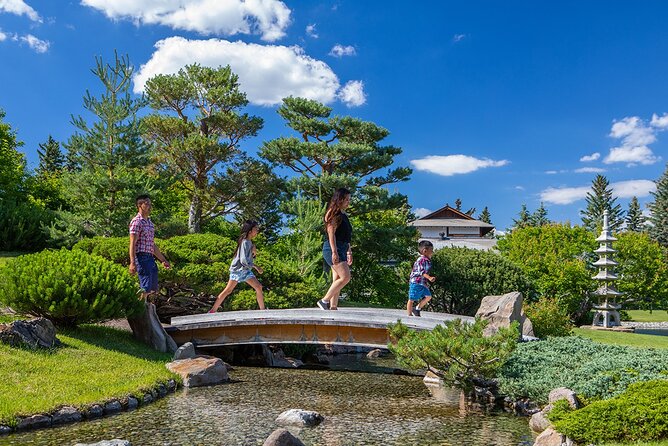
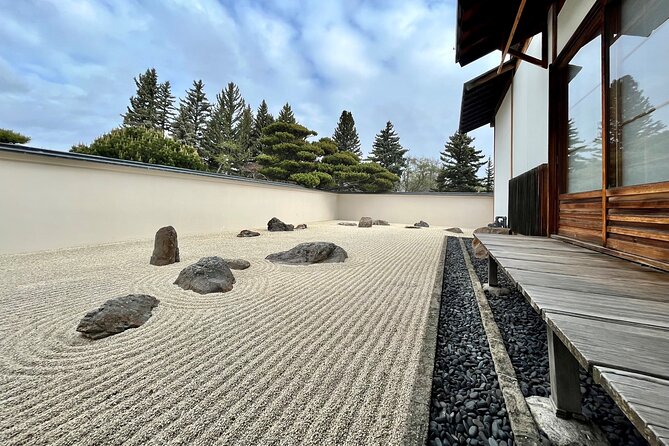
The paths lead you through a series of spaces shaped by Japanese garden traditions. One of the most distinct is the dry rock garden, where stones and carefully arranged patterns invite a slower look.
You do not need specialist knowledge to appreciate it. Sit for a moment and watch how the patterns change as you move your eyes across the gravel and rocks. This is a good place to explain to children that a garden can use shape, space, and suggestion rather than rows of colorful flowers.
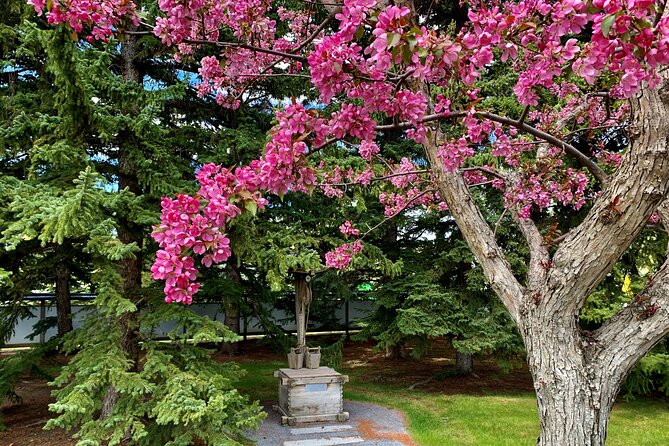
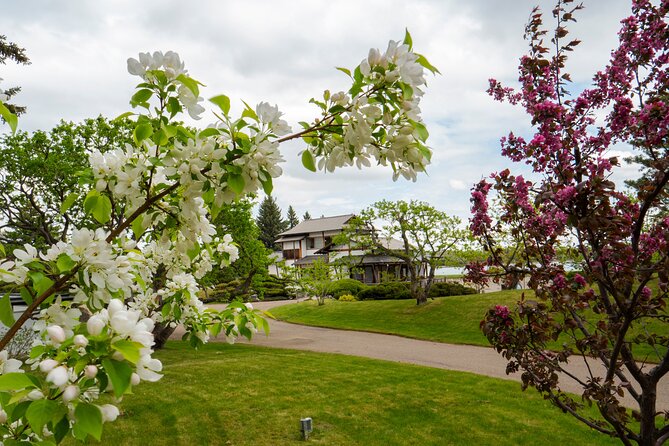
That point matters because some people arrive expecting a flower garden. The planting is not in bloom all year, and the garden’s appeal is not based on constant floral display. Apple blossoms appear in spring, and peonies bloom in July, but other seasons put more focus on form, texture, quiet, and cultural details.
If flowers are your main reason for visiting, check the season before booking. If you enjoy garden design, calm spaces, and Japanese traditions, you may find the visit rewarding even when few flowers are open.
Tea Pavilion, exhibits, and cultural programming
Admission includes access to the Tea Pavilion and current exhibits. These additions help turn the garden from a short walk into a broader cultural visit.
The Tea Pavilion provides a place to learn about tea traditions and see how the garden connects with Japanese customs. Tea ceremonies may be offered as part of the programming, but the admission price does not include coffee, tea drinks, cookies, or other purchases from the visitor center and gift shop.
That distinction is worth noting for families. The admission is modest at $8.91 per person, but your total cost can rise if everyone wants a drink or snack. I would treat the included admission as the base price, then decide inside if the extra refreshments suit your budget.
The garden also presents seasonal activities, exhibits, and live performances during the summer season. The exact experience can change by date, so a visit during a scheduled performance may feel quite different from a quiet weekday walk.
Guided tours begin Thursday through Monday. If you want more explanation about the garden’s founders, its Canada-Japan friendship theme, and the experiences of Japanese-Canadians after the war, those days offer a better chance to add context through a guided visit.
Same base, a completely different sort of day:
- Lake Louise Summer Gondola Experience
★ 4.0 · 65 reviews - Calgary Airport Shuttle to Banff & Lake Louise
★ 4.5 · 54 reviews - Adrenaline Canyoning Tour
★ 5.0 · 39 reviews - Self-Guided Audio Driving Tour in Icefields Parkway
★ 5.0 · 24 reviews
Minyo dancing, sake, and Japanese traditions
The programming can include Minyo dancing, a traditional form of Japanese folk dance. Watching a live performance gives you something that signs and displays cannot: movement, music, and a direct sense of cultural expression.
You might also find sake tastings or Japanese beer available during programming. These are adult-oriented options, so families should see them as an extra cultural feature rather than part of the child admission package.
The combination is a strong reason to check the schedule before you arrive. A short visit built around a performance can feel lively and memorable. A visit without one may be better suited to quiet observation and a quick walk.
I would not book this experience expecting a full Japanese cultural festival every day. The garden offers programming throughout the summer, but specific activities vary. The more carefully you match your visit to the schedule, the better value you are likely to get from the admission.
Ringing the Friendship Bell beside Henderson Lake
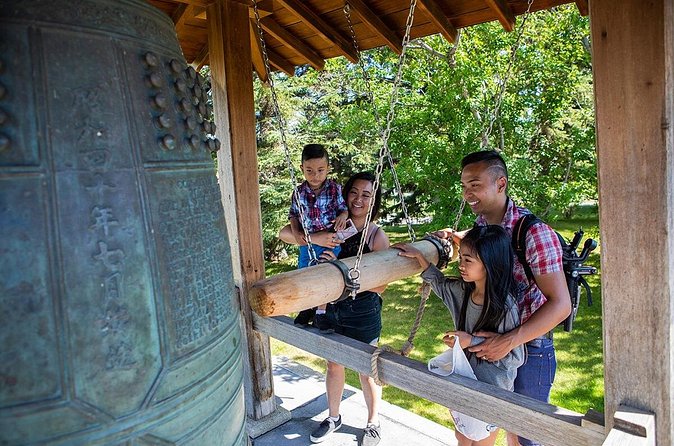
The Friendship Bell is one of the most appealing stops for families. You can ring it and send a goodwill message across the scenic setting near Henderson Lake.
It is a simple activity, but it gives children a clear moment to remember. Instead of only looking at garden features, they take part in something. You can also use the bell as a natural pause in your walk, especially if younger children are beginning to tire.
The lake setting adds space and views beyond the garden itself. This helps answer one concern about the compact grounds. Nikka Yuko is small, but the surrounding setting gives your visit a little more breathing room.
Do not expect an expansive walking route. The bell is a meaningful feature, not the start of a long lakeside hike included in the experience. Think of it as one focused stop within a compact cultural outing.
Is $8.91 good value?
At $8.91 per person, the price is low compared with many paid attractions. The value depends on how you use the visit.
If you only walk the paths for 30 minutes and leave, you may find the cost less convincing, especially if flowers are not in bloom. If you stay for close to two hours, use the activity materials, see an exhibit, join a guided tour, and catch a performance, the same admission makes more sense.
The fee also supports daily programming, cultural demonstrations, and performances. That makes the price more than a charge for access to garden paths. You are helping fund a nonprofit cultural site that presents Japanese traditions and local Japanese-Canadian history.
Families should also factor in the included materials. Activity books and crayons can make the difference between a rushed visit and a relaxed one. They do not replace food or drinks, though, and snacks and tea are sold separately at the visitor center and gift shop.
The best value comes from treating Nikka Yuko as a scheduled cultural stop, not as a quick photo opportunity. Check for performances or guided tours, then allow enough time to enjoy them.
How long to stay and how to plan your visit
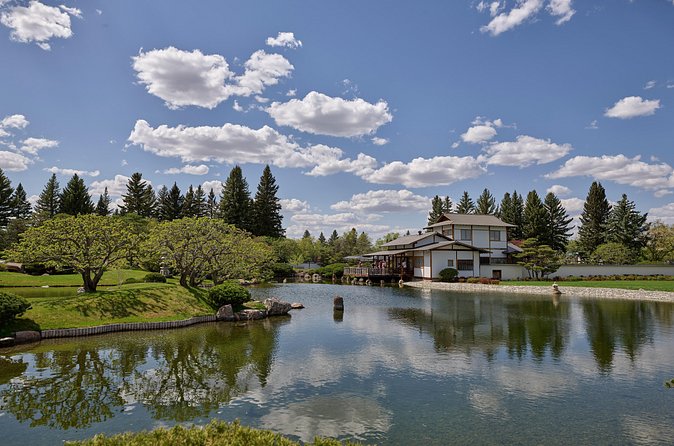
The expected visit lasts about 1 to 2 hours. An hour works if you want a straightforward walk, a look at the current exhibits, and a stop at the bell.
Aim closer to two hours if you have children, want to use the activity books, or plan to include programming. A guided tour or performance will naturally give the visit more structure and may make it easier to keep children interested.
The garden is near public transportation, and most people can participate. Service animals are allowed. The garden is smoke-free and vape-free, and drones are not permitted at any time inside the grounds.
The experience requires good weather. If poor weather cancels the visit, you can choose another date or receive a full refund. For a normal cancellation, you need to cancel at least 24 hours before the start time for a full refund. Changes or cancellations within 24 hours are not accepted for a refund.
Who will enjoy Nikka Yuko most?
I would recommend this outing to families who want a calm cultural activity with enough structure to keep children engaged. It suits parents who prefer a short visit rather than a full-day attraction, and it works well as part of a day around Lethbridge and Henderson Lake.
It is also a good choice for anyone curious about Japanese garden design, tea customs, folk performance, or the Canada-Japan friendship theme. You do not need to know much about Japanese culture in advance. The garden gives you several ways to begin learning, from the layout of the grounds to guided tours and live programming.
I would be more cautious if your main goal is a large flower display or a long nature walk. The grounds are compact, and flowers are seasonal. A visit outside spring apple blossom or July peony season may feel plain if you judge it only by floral color.
Families with children who enjoy drawing, looking for details, and trying small hands-on activities are likely to get the most from the package. Children who want rides, games, or constant movement may need a second activity planned nearby.
Should you book this family admission?
Book it if you want a manageable 1 to 2-hour cultural outing with low admission cost, child activities, and changing seasonal programming. The Friendship Bell, Tea Pavilion, dry rock garden, and Japanese performances give the visit more substance than a simple garden walk.
Skip it if you expect a large garden covered in flowers or a full day of entertainment. The grounds are small, and some of the best value comes from timing your visit around a guided tour or performance.
For most families, I would check the schedule first, choose a Thursday through Monday visit if a guided tour appeals to you, and allow close to two hours. Add money for drinks or snacks, bring patience for a slower pace, and let the children use the activity books while you enjoy the garden properly.
FAQ
How much does Nikka Yuko admission cost?
The listed price is $8.91 per person for adults and children.
How long does the visit take?
The experience lasts approximately 1 to 2 hours, depending on how much time you spend with the garden, exhibits, activities, and programming.
Are activities for children included?
Yes. Children receive activity books and crayons, and the package includes themed surprises and Japanese treats.
What does admission include?
Admission includes entry to Nikka Yuko, daily programming, activities and performances, access to the Tea Pavilion and current exhibits, and guided tours beginning Thursday through Monday.
Are food and drinks included?
No. Coffee, tea drinks, cookies, snacks, and other drinks are available for purchase inside the visitor center and gift shop.
Can I see a tea ceremony or Minyo dance performance?
Tea ceremonies and Minyo dance shows are among the cultural programming offered at the garden. Specific programming can vary by day and season.
Are service animals allowed?
Yes. Service animals are allowed.
What happens if bad weather cancels the visit?
If the experience is canceled because of poor weather, you can select a different date or receive a full refund. You can also cancel at least 24 hours before the start time for a full refund.
Just added around Alberta
- Official SkiByk Rentals in Banff & The Canadian Rockies★ 5.0 · 9 reviews
- Smartphone Audio Driving Tour between Lake Louise and Calgary★ 4.0 · 15 reviews
- Discover the Lake Agnes Tea House Trail with an Audio Nature Tour★ 4.0 · 7 reviews
- Icefields Parkway: a Smartphone Audio Driving Tour★ 4.0 · 118 reviews
- Lake Louise to Jasper One-Way Tour★ 5.0 · 17 reviews
- Lake Louise Summer Gondola Experience★ 4.0 · 65 reviews
- Moraine Lake and Lake Louise Sightseeing Half Day Tour★ 5.0 · 23 reviews
- Lake Louise to Calgary YYC Airport – Private Shuttle★ 5.0 · 5 reviews