
Review · MONTREAL
Montreal: RESO Underground City and Downtown Walking Tour
Montréal’s most unusual neighborhood is partly underground. The RESO links metro stations, office towers, shopping centres, hotels, cafés, public art, and historic buildings through more than 33 kilometres of interior paths. This tour gives you a guided introduction to that maze, then brings you back outside for key downtown sights and stories.
I like the small group size, which keeps the route easy to follow and gives you room to ask questions. I also like that the guide explains how to use the RESO after the tour, rather than simply marching you through a few shopping corridors. The main drawback is physical: expect about three miles of walking, stairs, escalators, and a mix of indoor and outdoor sections.
- A practical introduction to Montréal’s RESO, including how it connects with the Metro.
- Licensed local guides, each carrying the mandatory City of Montréal guiding permit.
- A balanced indoor and outdoor route featuring Place Ville-Marie, Christ Church Cathedral, and World Trade Centre Montréal.
- A maximum of 10 people, although the activity information also lists a maximum of 12, so confirm the final group size when booking.
- A printed food and culture list with suggestions for eating, drinking, and exploring after the walk.
- A smart first-day activity, especially if you want help finding your way around downtown before exploring alone.
Why Montréal’s Underground City Needs a Guide
The name Underground City can give you the wrong idea. Montréal does not have one vast subterranean cavern where the entire downtown operates. The RESO is a connected network of indoor passages, commercial complexes, metro stations, office buildings, hotels, and public spaces.
Some sections feel polished and modern. Others are more functional, with signs, escalators, corridors, and people moving between work, shopping, and transit. The experience is less about a single dramatic underground attraction and more about understanding how a city has built a second layer beneath its streets.
That is where a guide earns the $30 price. On your own, you could certainly enter parts of the network, but you might spend your time hunting for corridors or wondering if you have wandered into the wrong building. A licensed guide gives the route a purpose, explains the connections, and points out details you would likely pass without noticing.
The tour also puts the RESO in context. Its growth connects with Montréal’s urban planning, modern architecture, public transit, and the city’s preparation for Expo 67. You are not just looking at shops below street level. You are seeing how Montréal adapted downtown life to its climate and changing patterns of work and movement.
Meeting the Guide on McGill College Avenue
The starting point is outside the Humble Lion café at 1204 McGill College Avenue, between Sainte-Catherine Street and Cathcart Street. Arrive 10 to 15 minutes early. The tour does not wait for late arrivals, and one person previously found the exact meeting area less obvious when a nearby hotel entrance was closed.
That is useful advice: do not cut this one close. Find the café before the meeting time, check the sidewalk location, and allow a few minutes to settle in. The activity is conducted in English, and every person in the group needs a paid ticket. Children must be at least 12 years old.
Your guide is from MTL Detours, a Montréal-based independent company. Guides named in past departures include Martin, Catherine, Elise, Isabelle, Gabriella, Amelie, Thomas, Sylvia, and others. The individual style may vary, but the important point is licensing. The guide holds the official City of Montréal permit required for guiding in the city.
That permit does not guarantee a perfect match for every personality, but it does provide a useful standard. The strongest departures seem to combine clear explanations with a relaxed manner. Martin is often singled out for his friendly delivery and practical advice, while Catherine, Elise, Isabelle, Gabriella, and Amelie are praised for making room for questions and adding humor to the route.
More walking tours in Montreal:
- The Original Old Montréal Walking Tour by Guidatour
★ 4.5 · 2,217 reviews - Old Montreal Small-Group Walking Tour | Max 10 | by MTL Detours
★ 5.0 · 2,088 reviews - Montréal: The Original Old Montréal Walking Tour
★ 4.8 · 911 reviews
Starting Above Ground in Downtown Montréal
The walk includes outdoor sights before and between its underground sections. This matters because the RESO makes more sense when you can see the downtown streets, towers, and landmarks it serves.
Place Ville-Marie is one of the major reference points. It helps you understand the vertical character of downtown Montréal, where commercial buildings, office space, metro access, and interior walkways meet. Rather than treating the building as a quick photo stop, the guide uses it to explain the link between above-ground architecture and the network below.
Christ Church Cathedral adds a different note. It is one of the downtown landmarks that reminds you Montréal is not only a city of modern towers and shopping complexes. Moving between a historic religious building and the modern RESO helps show how several eras occupy the same compact part of the city.
The World Trade Centre Montréal is another useful stop. The tour presents it as part of the city’s changing downtown identity, with architecture and public spaces that are easy to miss when you are simply trying to reach a restaurant or metro platform.
Do not expect long, leisurely photo sessions at every location. The route has a lot to cover in two hours, and one person wished for a little more time at certain stops. If photography is important to you, listen first, then take quick pictures when the group pauses. This is a walking lesson in the city, not a dedicated photo tour.
Going Below Street Level Into the RESO
The transition underground is part of the fun. You may use staircases, mostly going down, as well as escalators. From there, the guide leads you through selected parts of the RESO rather than attempting the entire 33-kilometre network.
That limitation is sensible. No two-hour walk could cover everything, and trying to do so would turn the activity into a tiring race through corridors. Instead, you see some of the more interesting and photogenic sections, then learn how the larger system fits together.
Expect a mix of retail areas, passages, metro connections, public art, and architectural details. The most valuable moments are often the ones that explain how the pieces connect. You learn where the network meets transit, why certain corridors are busy, and how people use the system to get through downtown in winter, rain, or intense summer heat.
The guide also helps separate the RESO’s useful parts from its confusing ones. It is not a single clearly marked attraction with one entrance and one exit. You may pass through buildings with different layouts and signs. After the tour, you should have a better sense of how to read the network and how the Metro fits into it.
That practical lesson is one of the experience’s best features. Several people found that they would have been lost without a guide, while others used the introduction to move around independently later in their stay. If you are staying downtown or expect to use the Metro, this information can save time and frustration.
The Stories Behind Montréal’s Second Downtown
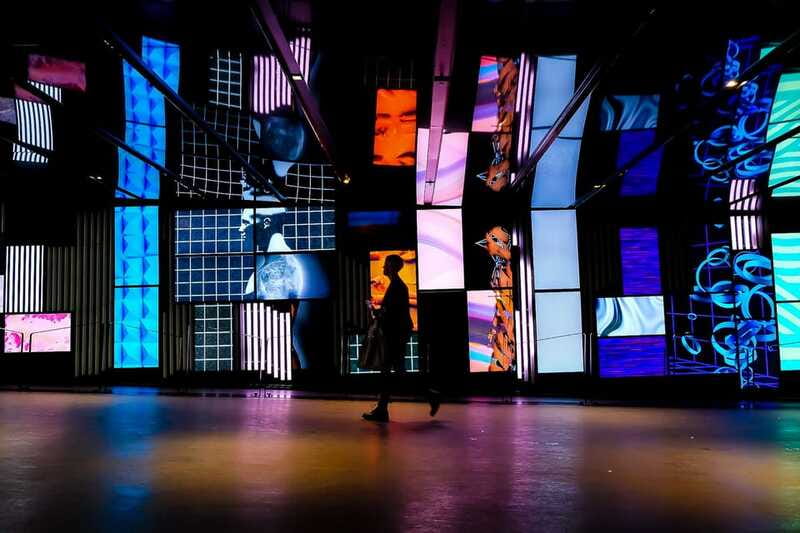
The guide’s storytelling keeps the walk from becoming a simple mall tour. You hear about the origins of the underground network, the influence of Expo 67, architectural decisions, and the way Montréal has changed over time.
The city’s climate is an obvious part of the story. An indoor pedestrian system lets people move between workplaces, shops, metro stations, cafés, hotels, and other buildings without facing every blast of winter weather. But the route also shows that the RESO is not only a response to snow. It reflects development patterns, modern building design, transit planning, and the daily needs of a large downtown district.
The best guides make these points easy to grasp. They connect a corridor to a larger urban idea, then bring the explanation back to something you can see. You might learn why a space is arranged as it is, notice public art you would otherwise ignore, or understand why one passage leads into another building.
This is also where guide personality matters. The activity has received especially warm comments about guides who are patient, upbeat, funny, and willing to answer questions. Some add amusing anecdotes; others focus more on architecture, artists, or city history. The result should be informative without sounding like a lecture.
A few more Montreal half-days to weigh up
- Montreal: Guided Bus Tour
★ 4.4 · 3,064 reviews - Montreal: Hop-On Hop-Off Double-Decker Bus Tour
★ 4.1 · 2,760 reviews - From Montreal: Quebec City and Montmorency Falls Day Trip
★ 4.5 · 2,669 reviews - Montreal Mile End Authentic Food Tour with 7 Delicacies Tastings
★ 5.0 · 2,598 reviews
Public Art, Architecture, and Details You Can Miss
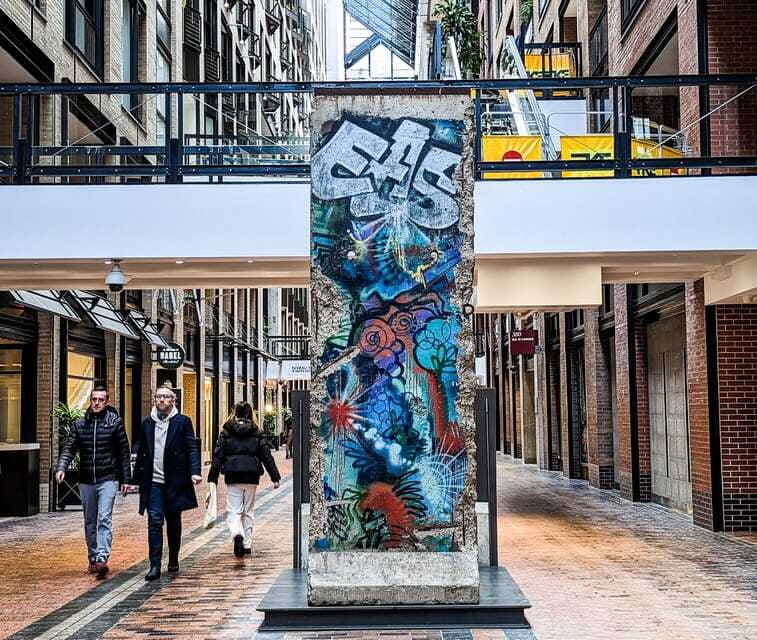
The RESO is not famous for natural beauty. Its appeal comes from the contrast between practical corridors and carefully designed public spaces.
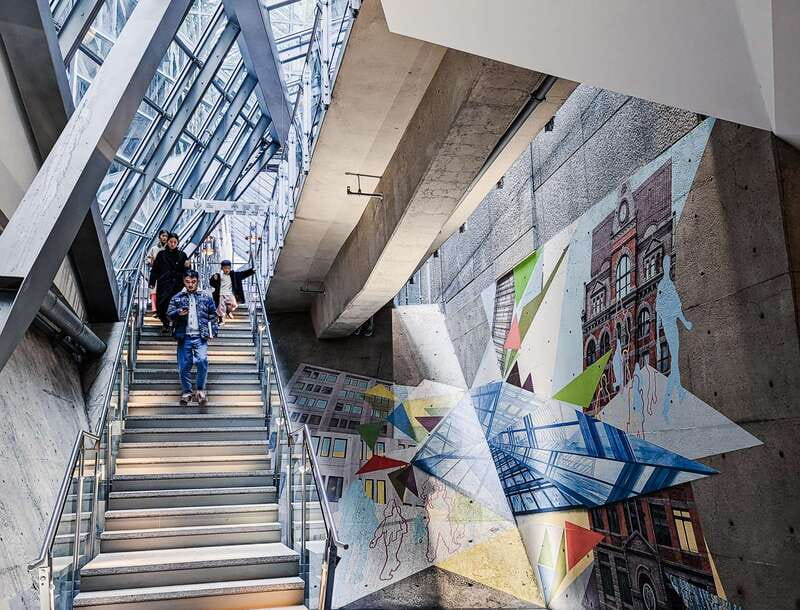
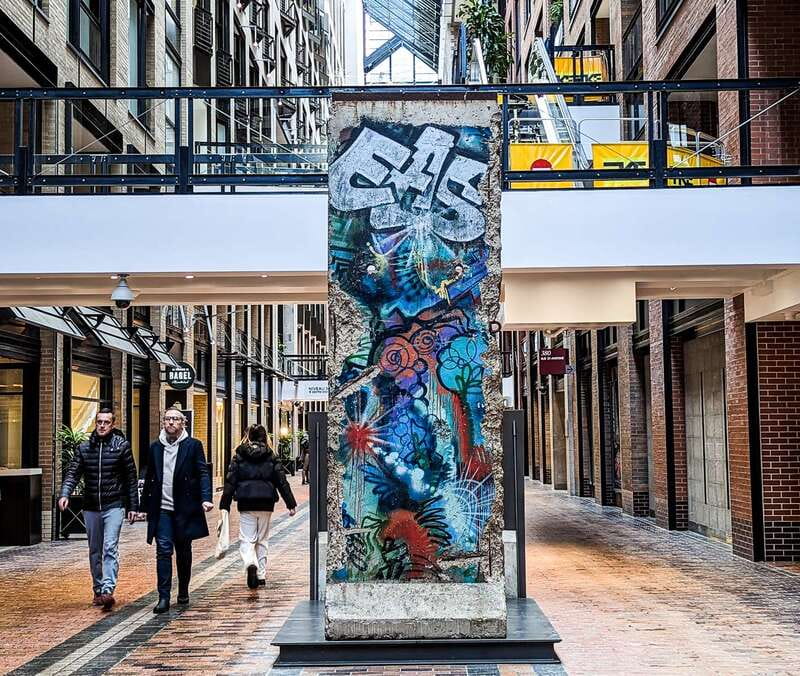
The route includes intriguing public art and pieces of hidden architecture. These details give the walk texture. A passage that first looks like a way to reach a shop may contain a sculpture, an unusual building connection, or a design feature tied to Montréal’s modern downtown.
You will also see how different buildings meet. Some connections feel deliberate and elegant. Others are more ordinary, which is part of the truth of the RESO. This is a working urban system, not a museum prepared for visitors.
I appreciate that the route combines these indoor details with street-level landmarks. If you stayed underground for two hours, you would miss the relationship between the passages and the city above. If you only walked outside, you would miss one of Montréal’s defining urban experiments.
Why the $30 Price Makes Sense
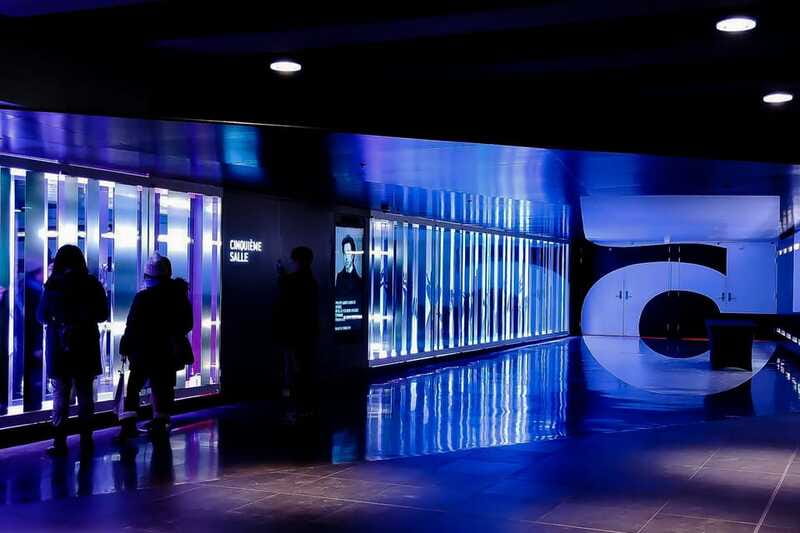
At $30 per person, this is reasonably priced for a two-hour guided walk, provided you want more than directions through shopping centres.
You are paying for a licensed guide, a carefully chosen route, local background, and a useful explanation of how to navigate the system later. The printed recommendation list adds value if you have only a short stay and want ideas for restaurants, cafés, bars, cultural stops, and other places to visit.
The tour is especially good value at the beginning of your Montréal visit. You can use the route to understand downtown, then return to the places that interest you. One person used the guide’s suggestion to eat at the Time Out food hall in the RESO, while others appreciated getting lunch and sightseeing ideas at the end.
The value is lower if you already know downtown well, dislike commercial interiors, or want a slow architectural photography walk. It is also not a substitute for exploring Old Montréal, Mount Royal, or Montréal’s neighborhoods. This activity focuses on downtown and the RESO, with a short but useful look at the city’s wider story.
Choosing the Right Day and Clothing
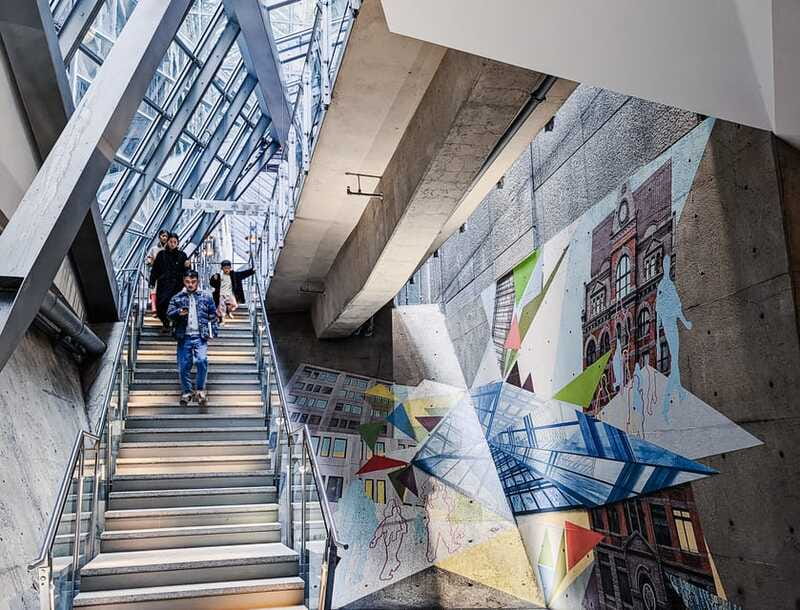
This tour works in nearly any season because it moves between inside and outside. Cold winter weather, rain, and hot summer conditions are all good reasons to consider it.
Do not make the mistake of dressing only for the underground sections. You will spend time outdoors, so wear clothing suited to the forecast. Comfortable shoes matter more than stylish footwear because the walk covers about three miles and includes stairs, escalators, and a steep slope on parts of the route.
The activity calls for moderate physical fitness. It is not recommended for people with mobility limitations, serious medical conditions, or impairments. It is not suitable for wheelchair users or people with visual impairments, and children under 12 cannot attend.
Some guides may be patient with slower walkers, but you should not count on the route being fully adaptable. Ask the operator before booking if you have a condition that could affect your ability to manage stairs or sustained walking.
What You Leave With After Two Hours
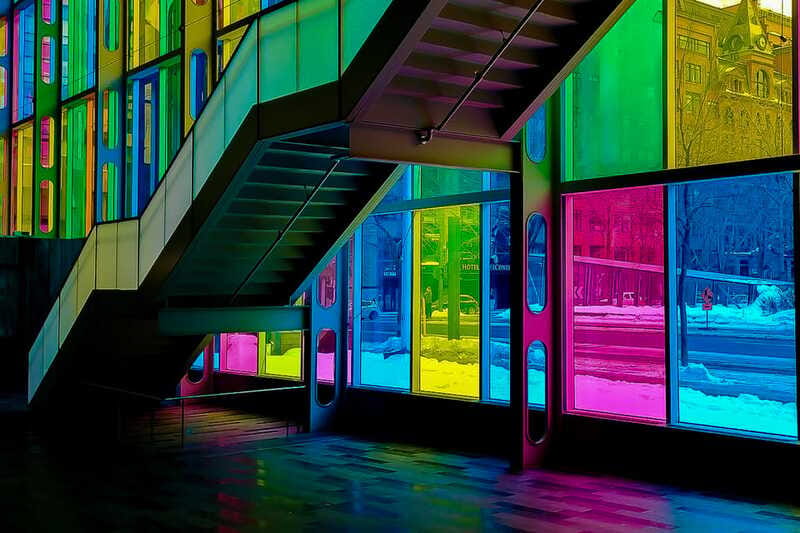
The clearest benefit is confidence. You may not memorize every passage, but you should understand the basic logic of the RESO, recognize its relationship with the Metro, and know that the network is something you can use rather than fear.
You also leave with a better sense of downtown Montréal’s layers. The outdoor landmarks provide orientation, while the underground corridors show how the city functions during difficult weather and busy workdays.
The printed list of local recommendations is a small but useful finish. It gives you ideas to consider after the tour instead of leaving you to search from scratch. I would keep it in your day bag and mark the suggestions that fit your schedule.
For a two-hour activity, the range is impressive: urban history, modern architecture, public art, transit, shopping areas, food advice, and basic navigation. The route does not attempt to cover every part of Montréal, but it gives you a practical framework for exploring the central city on your own.
Should You Book the RESO Walking Tour?
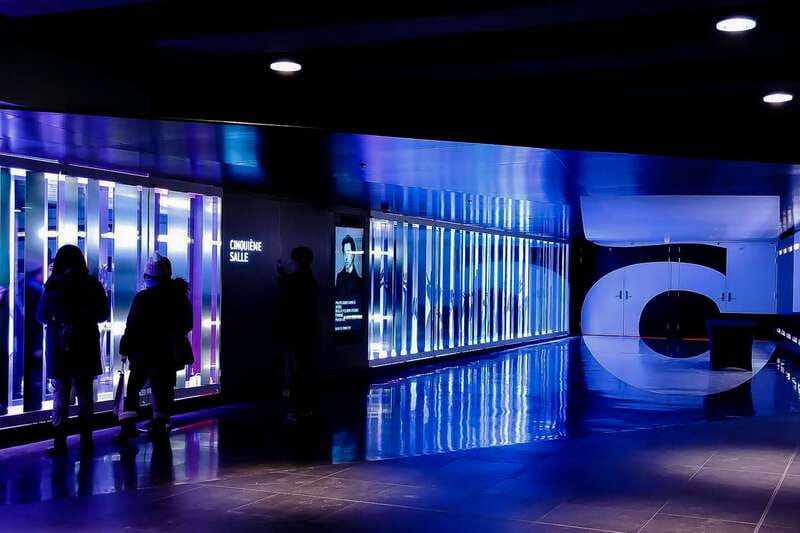
Book it if you are curious about how Montréal works, want a strong first activity downtown, or expect to visit during cold, wet, or very hot weather. It is also a smart choice if the idea of finding the RESO alone sounds confusing.
I would especially recommend it to first-time visitors staying near downtown, people who enjoy architecture and city planning, and anyone with only a few days who wants useful local suggestions. The small group and licensed guides make the experience more personal than simply following a map.
Skip it if you want a major historic monument, a food tasting, or a long outdoor walk through neighborhoods. The RESO includes commercial spaces, and some sections are functional rather than beautiful.
For $30, two hours, and a maximum group listed as 10 people in the main description, this is a fair introduction to a part of Montréal many people never understand. Take it early in your stay, wear good shoes, arrive early at the Humble Lion café, and leave room afterward for lunch or another downtown stop.
FAQ
How long does the Montréal RESO and downtown tour last?
The walking tour lasts two hours.
How much does the tour cost?
The listed price is $30 per person.
What language is the tour conducted in?
The tour is conducted in English.
Where is the meeting point?
Meet your MTL Detours guide on the sidewalk outside the Humble Lion café at 1204 McGill College Avenue, between Sainte-Catherine Street and Cathcart Street.
How early should I arrive?
Arrive 10 to 15 minutes before the scheduled start. The tour does not wait for late arrivals.
How much walking is involved?
Expect about three miles of walking over two hours, including indoor and outdoor sections, staircases, mostly going down, escalators, and some slopes.
Is the tour suitable for children?
The minimum age is 12, and every participant requires a paid ticket.
Is the tour accessible for wheelchair users?
No. The tour is not suitable for wheelchair users, people with visual impairments, or people with mobility limitations. It is also not recommended for people with serious medical conditions or impairments.
Just added around Montreal
- Winter Express: Old Montreal Highlights Walking Tour★ 5.0 · 119 reviews
- Under the Surface of Montreal’s Chinatown: Guided Food Walking Tour★ 5.0 · 23 reviews
- Full Day Family Bike Rental★ 5.0 · 17 reviews
- Montreal Premium Driving Tour with River Cruise and Notre Dame★ 4.5 · 164 reviews
- Immersive Virtual Reality Game Activity★ 5.0 · 19 reviews
- Montréal Downtown and Underground City Private Walking Tour★ 5.0 · 47 reviews
- Day at Mont-Tremblant National Park★ 4.0 · 5 reviews
- In the Shadow of the Mountain: Montreal Jewish History Walking Tour★ 4.5 · 33 reviews
Montreal Tours, compared.


Montreal Mile End Authentic Food Tour with 7 Delicacies Tastings
Read our review →
Quebec City and Montmorency Falls Day Trip from Montreal
Read our review →
The Original Old Montréal Walking Tour by Guidatour
Read our review →
Old Montreal Small-Group Walking Tour | Max 10 | by MTL Detours
Read our review →
Montreal City Sightseeing Tour with Live Commentary
Read our review →
Browse the lists this tour appears in