
Review · MONTREAL
Montreal: Plateau Mont-Royal & Mile End Walking Tour
Montreal’s Plateau Mont-Royal and Mile End are best understood on foot, where outdoor staircases, Victorian homes, murals, green alleys, and corner businesses tell you more about daily life than a grand sightseeing bus ever could. This three-hour walk brings those details together with food, architecture, local history, and a taste of Montreal’s French and multicultural character.
I especially like the maximum group size of 10, which gives you room to ask questions, and the useful list of recommendations you take away for later meals and outings. The bonus snack treats are another smart touch. The main drawback is physical: you will walk a lot, encounter stairs and uneven surfaces, and have few chances to sit.
Key points at a glance
- Small group of only 10 people: The compact group makes it easier to hear your guide and ask about places that catch your eye.
- Plateau and Mile End in one walk: You cover two of Montreal’s most distinctive local districts in three hours.
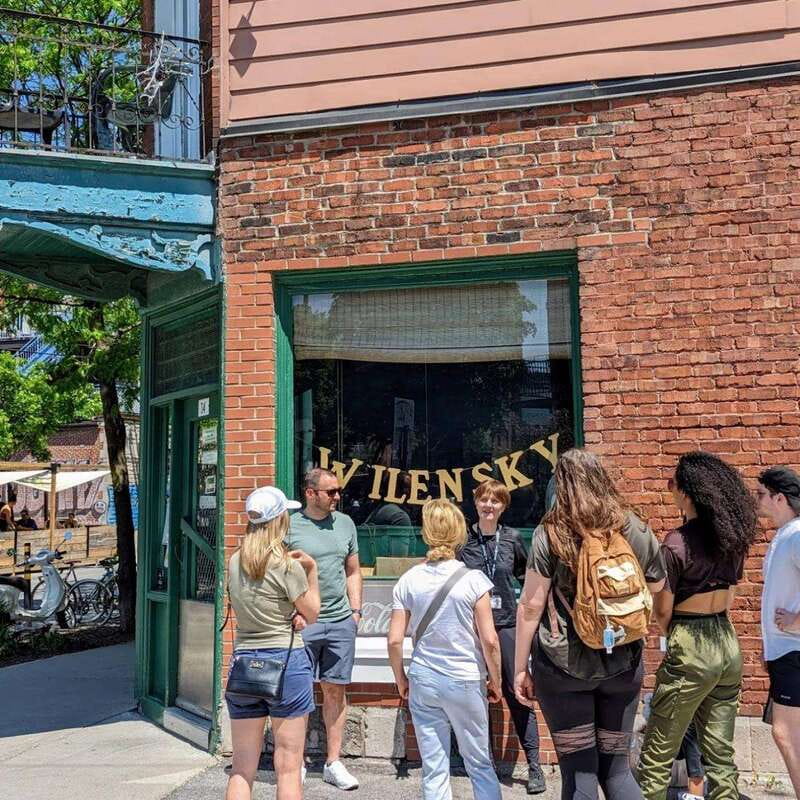
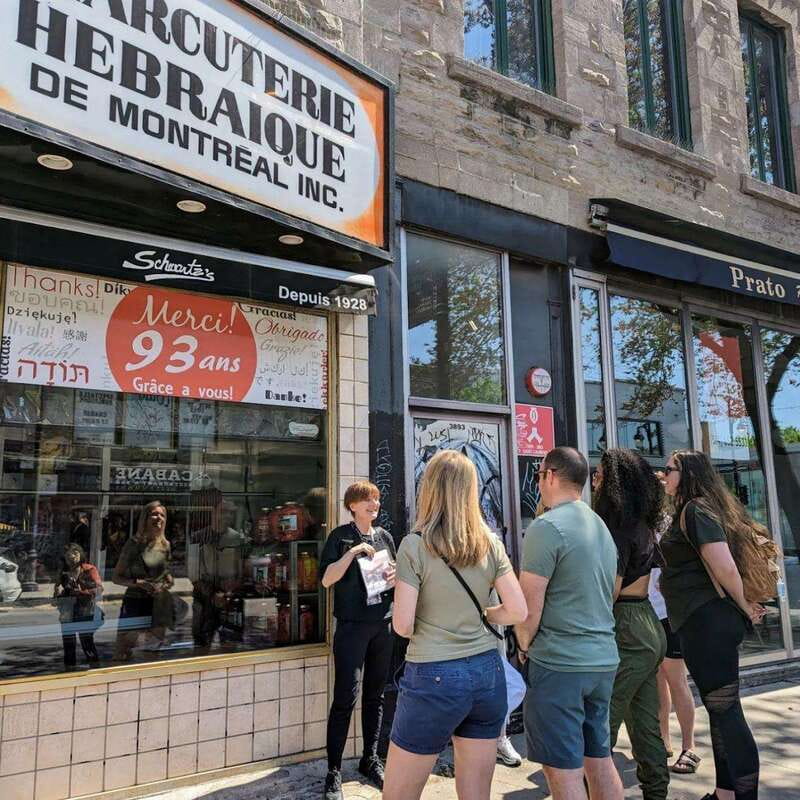
- Food institutions along the way: Expect to see landmarks such as Schwartz’s, Wilensky, and St. Viateur Bagel.
- More than a food tour: The route also covers architecture, history, culture, art, alleys, and neighborhood life.
- Bonus snacks and practical advice: Small treats keep the walk moving, while the recommendation list helps plan the rest of your Montreal stay.
- A real walking workout: Comfortable shoes are essential, and the tour is not suited to people with mobility or visual impairments.
Why Plateau Mont-Royal and Mile End make a good walking tour
Many Montreal introductions focus on Old Montreal, with its handsome stone buildings and historic streets. That area deserves attention, but Plateau Mont-Royal and Mile End show you a different side of the city: the places where residents live, shop, eat, create, and meet friends.
The neighborhoods are close enough to connect in one outing, yet each has its own feel. The Plateau is known for its Victorian-era architecture and distinctive exterior staircases. Mile End adds a strong artistic and multicultural flavor, along with food institutions that have become part of Montreal’s identity.
A walking guide helps because the interesting details are easy to miss. You might pass a colorful mural without knowing its context, or see a narrow alley without realizing how it fits into neighborhood life. The guide links those visual details to stories about Montreal’s past and present.
The route also gives you a useful introduction to Montreal’s everyday geography. Instead of simply checking off monuments, you get a sense of how the districts fit together and where you may want to return for a meal, drink, or longer wander.
More walking tours in Montreal:
- The Original Old Montréal Walking Tour by Guidatour
★ 4.5 · 2,217 reviews - Old Montreal Small-Group Walking Tour | Max 10 | by MTL Detours
★ 5.0 · 2,088 reviews - Montréal: The Original Old Montréal Walking Tour
★ 4.8 · 911 reviews
Starting outside ITHQ on Saint-Denis Street
The meeting point is outside the Institut de tourisme et d’hôtellerie du Québec at 3535 rue Saint-Denis. You wait on the sidewalk outside the main entrance, facing the park, for your English-speaking guide.
This is a practical location in the Plateau area, and the instructions are clear. I would arrive a little early so you can identify the entrance and settle in before the walk begins. Since the group is capped at 10 people, finding your guide should be straightforward, but a busy city sidewalk is still easier to manage without rushing.
Your guide is a certified local expert with a city permit. The company is locally owned and based in Montreal, which matters here. A neighborhood walk works best when the person leading it can explain not just dates and building styles, but also the small habits, food traditions, and local characters that give the streets their personality.
The tone is intended to be lively and conversational. Guides who have led this experience include Catherine, Marie-Helene, and Tom. The strongest feedback has focused on guides who answer questions, keep a comfortable pace, and make the material easy to follow even if you know little about Canadian history.
Victorian homes and Montreal’s outdoor staircases
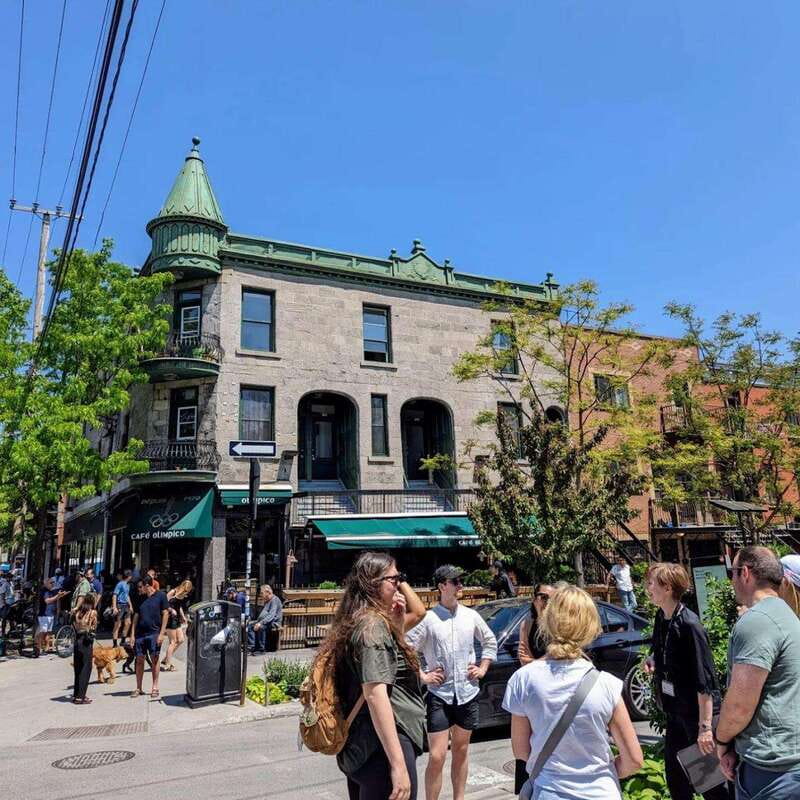
One of the tour’s most useful subjects is Plateau architecture. The neighborhood’s Victorian-era homes are not just pretty façades. They help explain the way Montreal developed and why the district feels so different from Old Montreal.
Look closely at the exterior staircases. These are among the Plateau’s most recognizable features, and they are practical responses to the city’s climate, housing patterns, and compact streets. A guide can point out details you might otherwise walk past, such as the way entrances, balconies, and stairs shape the street.
This part of the tour is also a reminder that architecture can be a window into ordinary life. You are not only hearing about famous buildings. You are seeing the kinds of homes and street layouts that define a lived-in neighborhood.
The downside is built into the appeal. Stairs and uneven ground are part of the route, so this is not a gentle stroll through flat, paved streets. If you have knee, balance, or walking concerns, take the physical requirements seriously before booking.
Green alleys, murals, and street art
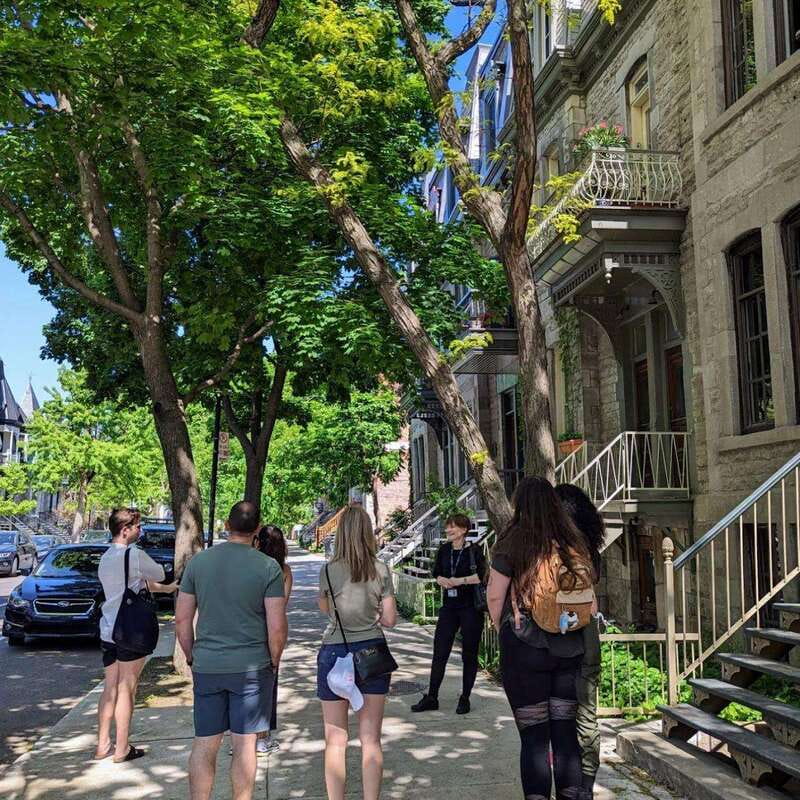
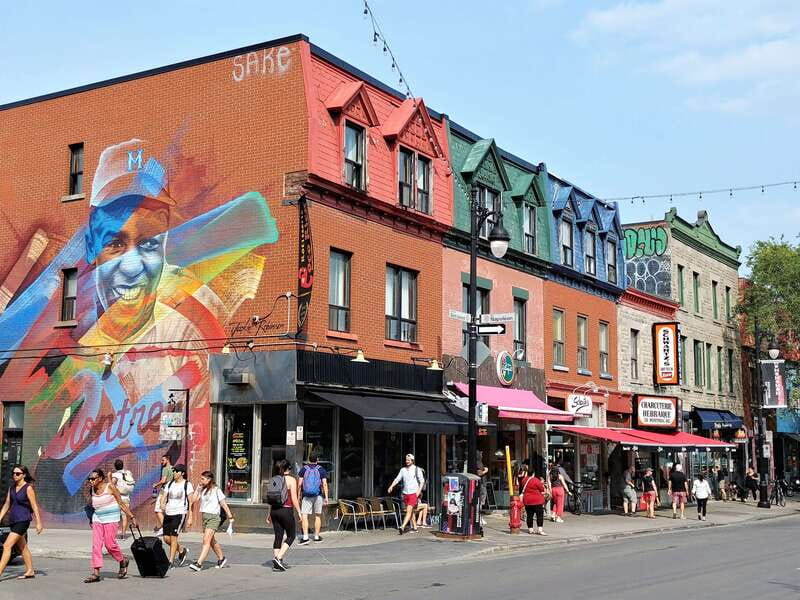
The route moves beyond the main streets to show you alleys, murals, and street art. These spaces add color, but the point is not simply to collect photographs. They reveal how residents and artists use parts of the city that might otherwise seem ordinary.
A local guide can give these works more context by explaining the neighborhood’s artistic side and pointing out how public art changes the feel of a block. Since murals and street displays can change over time, this section is naturally more about the character of the area than a fixed list of permanent monuments.
I like this part for travelers who want something less formal than a museum visit. You get art in the setting where people encounter it during daily life, mixed with residential streets and local businesses.
Bring weather protection. The tour runs in all weather, so rain, heat, or cold can affect how enjoyable the walk feels. There is limited seating, and the route spends most of its time outdoors.
A few more Montreal half-days to weigh up
- Montreal: Guided Bus Tour
★ 4.4 · 3,064 reviews - Montreal: Hop-On Hop-Off Double-Decker Bus Tour
★ 4.1 · 2,760 reviews - From Montreal: Quebec City and Montmorency Falls Day Trip
★ 4.5 · 2,669 reviews - Montreal Mile End Authentic Food Tour with 7 Delicacies Tastings
★ 5.0 · 2,598 reviews
Food landmarks including Schwartz’s and St. Viateur Bagel
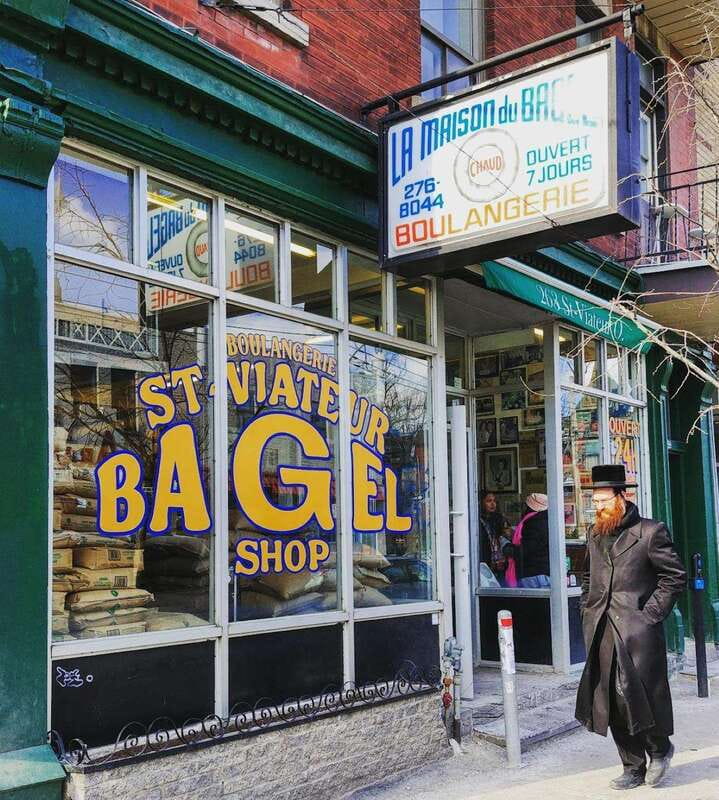
Food gives this tour a strong sense of place. You see Montreal institutions such as Schwartz’s, Wilensky, and St. Viateur Bagel, names that carry weight far beyond their storefronts.
These stops help explain the city’s overlapping food traditions and multicultural character. They also make the tour useful for planning. You can decide which places deserve a return visit after the walk, rather than trying to choose from a long restaurant list with no local context.
It is important to understand the format. This is not a full meal tour, and food and drinks are not included. The experience includes bonus snack treats, but the company cannot accommodate dietary restrictions. If you have allergies or follow a strict diet, you should treat the snacks as an optional extra rather than a guaranteed part of your day.
The small bites still serve a practical purpose. A little food during a long walk can help you keep going, especially when the route covers several streets and districts. You should still eat beforehand if you know three hours of walking will leave you hungry.
The food stops also offer a chance to practice French. You are not required to speak it, but the setting gives you a natural opening to try a few words and hear how Montreal’s language mix works in daily life.
History, culture, and stories that connect the stops
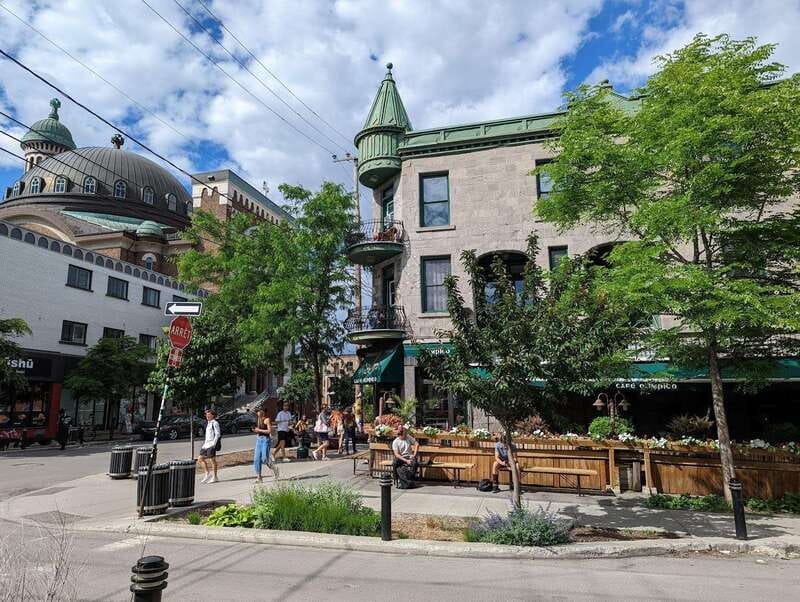
The subject mix is one of the tour’s strengths. You are not getting three hours of architecture facts, or three hours of restaurant recommendations. The guide combines history, culture, food, art, and local stories so the route keeps changing pace.
That variety matters because Plateau Mont-Royal and Mile End are not districts you understand from one angle. Their buildings, businesses, art, and people all contribute to the experience. A good guide can move from a home’s design to a local tradition, then from a food stop to a broader story about Montreal.
The guides are also expected to handle questions along the way. That is valuable for first-time visitors who may not know the background behind Quebec’s language, culture, or history. Ana, for example, praised the way her guide explained general Canadian facts as well as specific places, making the walk approachable for someone unfamiliar with the country.
The pace appears designed for conversation rather than speed. Tom was specifically praised for keeping a good walking pace and taking questions. That does not mean the tour is slow. You should still expect extensive walking with only occasional opportunities to rest.
What the group size changes
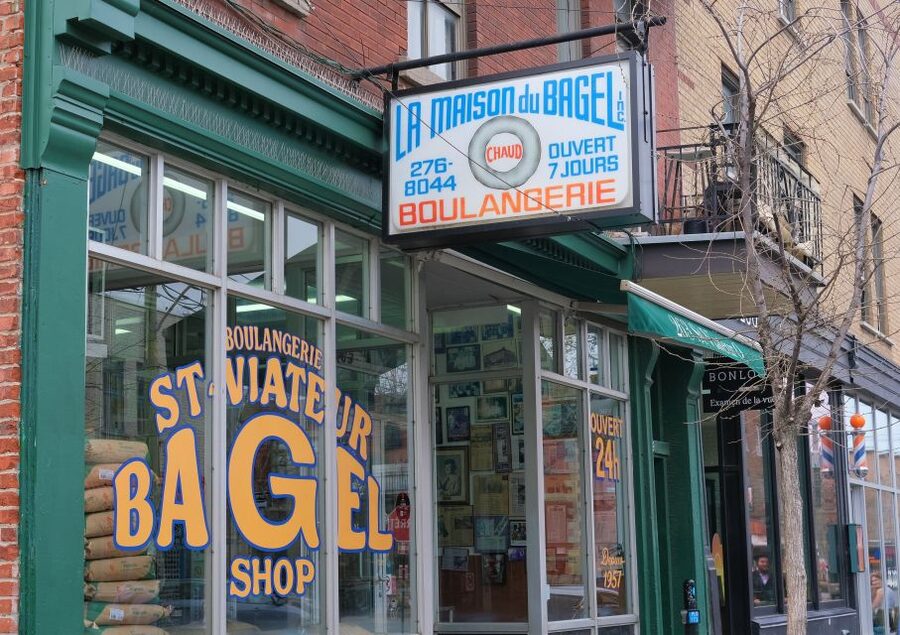
A group of 10 is small enough to feel personal without requiring a private-tour budget. You can hear the guide more easily, ask about a business or building, and stay connected when the route turns into an alley or a quieter side street.
The price is $51 per person. That is not the cheapest way to see a neighborhood, since you can walk these districts independently for free. The value comes from the time saved in research and the access to local explanation. In three hours, you get a planned route through two areas, food and art context, bonus treats, and a list of places to explore afterward.
I would consider the price fair if you are new to Montreal or want a quick orientation early in your stay. It is less compelling if you already know the Plateau and Mile End well, or if you prefer wandering without a fixed pace.
The list of recommendations improves the value. It gives you a practical next step after the tour, with suggestions for things to eat, drink, and see in Montreal. Think of the walk as both an outing and a way to shape the rest of your visit.
Pace, weather, and physical demands
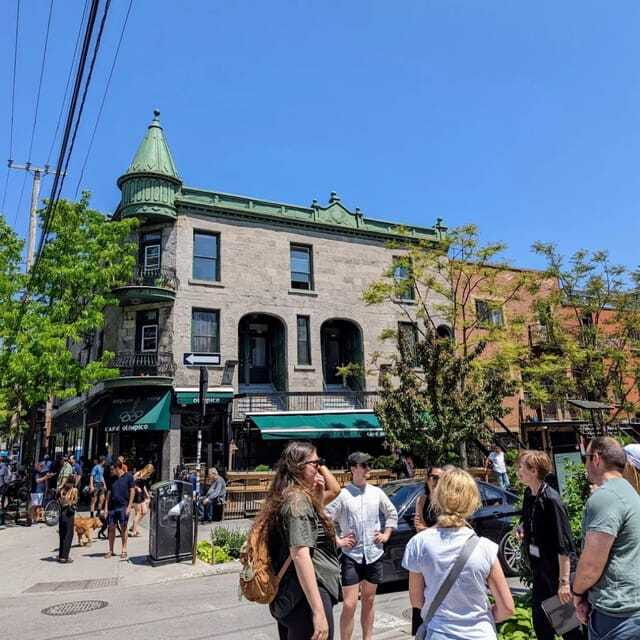
You need comfortable shoes. The route includes extensive walking, stairs, cobblestones, and other varied surfaces, with limited places to sit.
The experience is not recommended for people with mobility restrictions or visual impairments. Children under 12 cannot join, and every participant needs a paid ticket. The minimum age makes the walk better suited to older children, teenagers, and adults who can manage three hours on foot.
Because the tour operates in all weather, check the forecast and dress for conditions. A rainy day will not cancel the walk automatically, so bring suitable outerwear. On a hot day, water and sun protection are sensible choices, though only comfortable shoes are specifically required.
The physical demands are not a minor footnote. They shape the whole experience. If you enjoy walking through city neighborhoods, the movement is part of the fun. If you need frequent rest stops, the lack of seating may make the tour frustrating.
What the guides do best
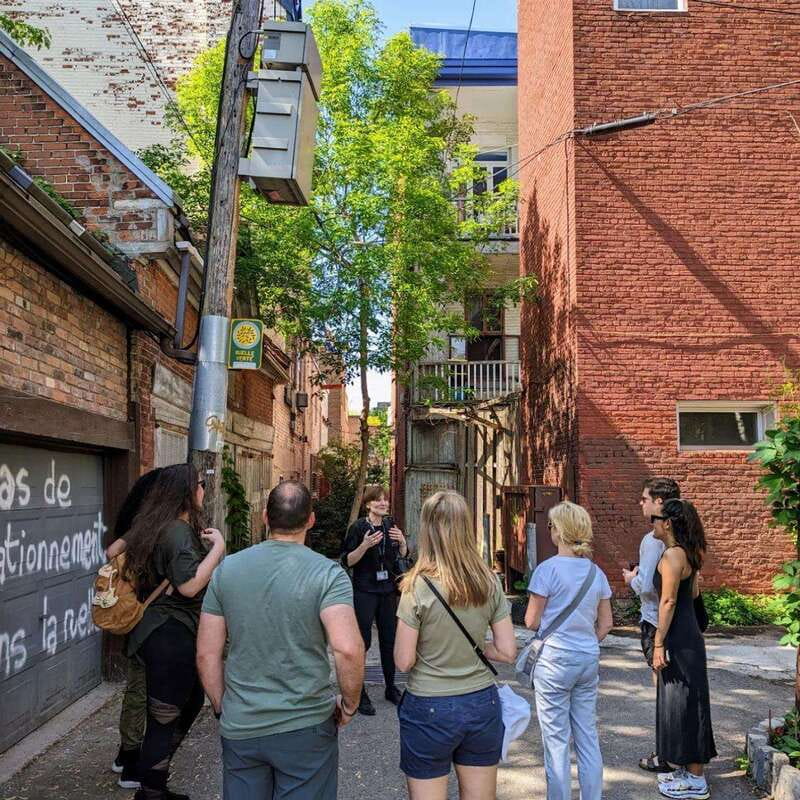
The most praised part of this experience is the guide. Catherine was credited with going beyond the basic route to make the outing special. Marie-Helene was praised for her stories about places and people, her ability to answer questions, and her effort to include everyone. Tom received particular praise for clear information and a good walking rhythm.
Those details tell you what to expect from the format. The guide is not simply leading you from one address to another. You get a person who interprets the streets, fills in background, and adjusts the conversation to the group.
That personal element is especially useful in a neighborhood tour. The main attractions are spread across ordinary streets, so the guide’s explanation is what turns a pleasant walk into a more useful introduction to Montreal.
The overall score is 4.9 from 17 ratings, with the strongest praise aimed at the guides’ preparation, patience, storytelling, and ability to keep the walk organized. No guide can control every part of the experience, especially weather or crowd levels, but the small group gives this company a good setting for personal attention.
Booking details and flexibility
The tour lasts three hours and is conducted in English. Starting times vary, so you need to check availability for your date.
You can cancel up to 24 hours before the tour for a full refund. A reserve-now, pay-later option is also available, which helps if you are still arranging the rest of your Montreal schedule.
There is no hotel pickup or drop-off. Plan to reach the Saint-Denis meeting point on your own, and allow enough time to find the ITHQ entrance before the start.
Should you book the Plateau and Mile End walk?
Book it if you want a focused introduction to local Montreal, prefer small groups, and enjoy learning through food, buildings, art, and street-level stories. It is especially useful early in your visit, when the recommendation list can guide your meals and free time.
Skip it if you dislike structured walks, have trouble with stairs or uneven ground, or want a full meal rather than small treats. You should also think twice if a three-hour outdoor outing in uncertain weather sounds tiring.
For most fit visitors who want more than Old Montreal, I would choose this tour. The small group, local guides, practical follow-up advice, and mix of subjects give the $51 price a clear purpose. Bring good shoes, arrive ready to walk, and leave room in your Montreal plans to return to the places that catch your interest.
FAQ
How long is the Plateau Mont-Royal and Mile End walking tour?
The tour lasts three hours.
What language is the tour conducted in?
The live tour is conducted in English.
How large is the tour group?
The group is limited to a maximum of 10 participants.
Where does the tour meet?
Meet outside the main entrance of the Institut de tourisme et d’hôtellerie du Québec at 3535 rue Saint-Denis. Wait on the sidewalk facing the park.
Are food and drinks included?
Food and drinks are not included as a meal, but the tour provides bonus snack treats. Dietary restrictions cannot be accommodated.
Is the tour suitable for children or people with mobility restrictions?
The minimum age is 12, and all participants need a paid ticket. The tour is not recommended for people with mobility or visual impairments because it involves extensive walking, stairs, cobblestones, varied terrain, and limited seating.
Just added around Montreal
- Winter Express: Old Montreal Highlights Walking Tour★ 5.0 · 119 reviews
- Under the Surface of Montreal’s Chinatown: Guided Food Walking Tour★ 5.0 · 23 reviews
- Full Day Family Bike Rental★ 5.0 · 17 reviews
- Montreal Premium Driving Tour with River Cruise and Notre Dame★ 4.5 · 164 reviews
- Immersive Virtual Reality Game Activity★ 5.0 · 19 reviews
- Montréal Downtown and Underground City Private Walking Tour★ 5.0 · 47 reviews
- Day at Mont-Tremblant National Park★ 4.0 · 5 reviews
- In the Shadow of the Mountain: Montreal Jewish History Walking Tour★ 4.5 · 33 reviews
Montreal Tours, compared.

Montreal Mile End Authentic Food Tour with 7 Delicacies Tastings
Read our review →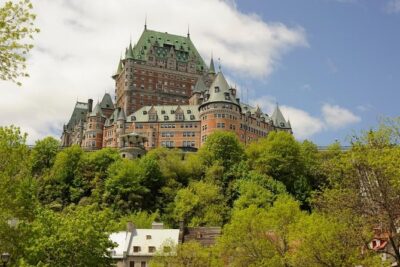
Quebec City and Montmorency Falls Day Trip from Montreal
Read our review →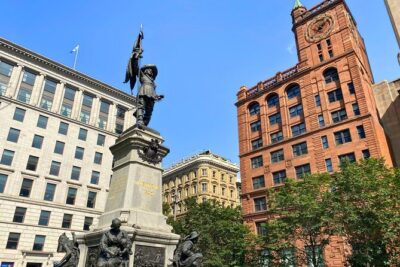
The Original Old Montréal Walking Tour by Guidatour
Read our review →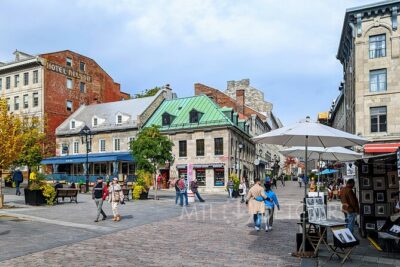
Old Montreal Small-Group Walking Tour | Max 10 | by MTL Detours
Read our review →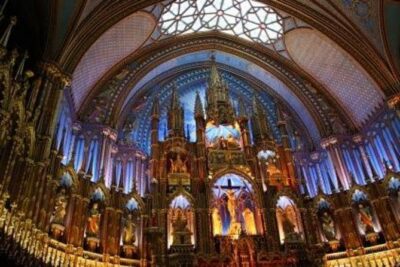
Montreal City Sightseeing Tour with Live Commentary
Read our review →
Browse the lists this tour appears in