
Review · MONTREAL
Montreal: Guided Walking Tour of Montreal’s Murals
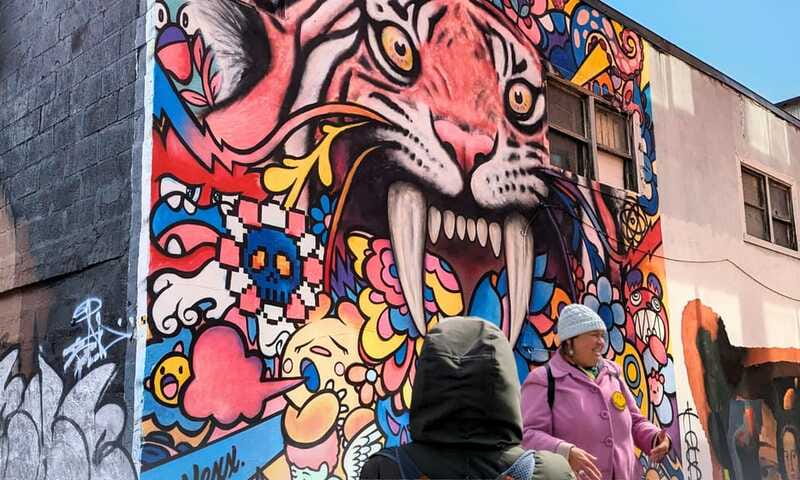
Montreal’s murals turn ordinary walls, alleys, and side streets into a changing open-air gallery. I like that this two-hour walking tour does more than point out colorful paintings: it explains how muralism grew in Montreal, from popular themes and national propaganda to a major part of city culture. I also like the route’s mix of the Mural Festival Zone and the Entertainment District, where you see both the movement’s public face and more surprising works tucked into surrounding streets.
The main drawback is practical rather than artistic. You walk outdoors for the full tour, rain or shine, and the experience is not suitable for wheelchair users or people with mobility impairments. On hot days, as one recent participant found, the weather can make the walk harder than expected, so comfortable shoes, water, and a sensible forecast check matter.
Key points at a glance
- A focused St-Laurent route: Follow Montreal’s best-known mural corridor, with detours into nearby streets and alleys.
- More than a photo walk: Learn how muralism developed in Montreal during the 1970s and why it matters to local life.
- Recognizable artists: Look for work by Phillip Adams and David Guinn, along with pieces by other artists and collectives.
- Two languages available: Join a live guide in English or French, with private and small-group options.
- Guides add personality: Sarah has been praised for clear, engaging explanations, while Maryse is known for taking groups to places they might otherwise miss.
- Good value for art lovers: At $25 per person for two hours, the tour gives you context that is easy to miss when exploring alone.
Why Montreal’s murals deserve a walking tour
You can photograph Montreal’s murals on your own, but the pictures will not explain why certain walls matter. A guide gives the art a timeline and a local setting. You learn how muralism first drew on popular subjects and national propaganda, then developed into a broader urban art movement in Montreal during the 1970s.
That background changes the way you look at the work. A large painted wall is not just decoration. It can reflect a neighborhood, a festival, an artist’s technique, or the city’s changing ideas about public space. The tour also introduces the artists and collectives behind the work, so you leave with more than a camera roll full of colorful façades.
I especially like this approach for first-time visitors. Street art can be easy to pass without noticing, and the best pieces are not always presented like museum exhibits. A guide helps you slow down, look closely, and understand how the art fits into Montreal’s daily life.
More walking tours in Montreal:
- The Original Old Montréal Walking Tour by Guidatour
★ 4.5 · 2,217 reviews - Old Montreal Small-Group Walking Tour | Max 10 | by MTL Detours
★ 5.0 · 2,088 reviews - Montréal: The Original Old Montréal Walking Tour
★ 4.8 · 911 reviews
Meeting at Maison du développement durable
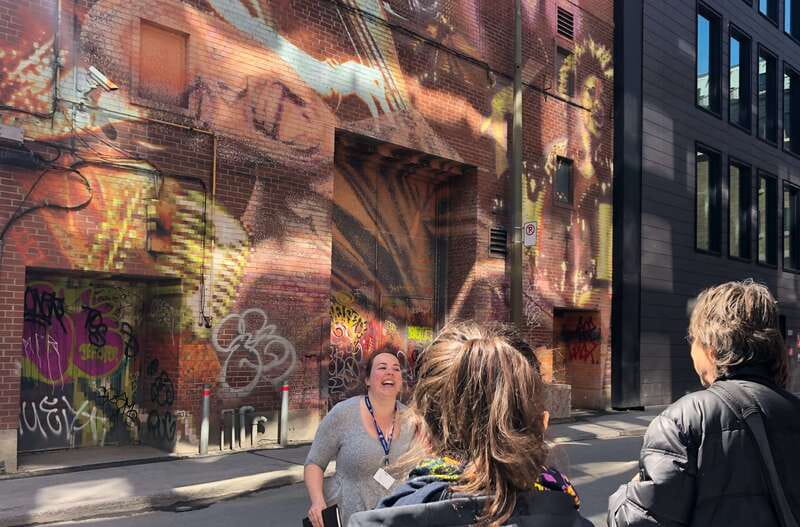
The tour begins in front of the Maison du développement durable. That makes this a simple activity to fit into a day in central Montreal, though you should allow enough time to reach the meeting point before the scheduled start.
There is no hotel pickup or drop-off. You make your own way to the starting point, and the rest of the experience is on foot. This is worth noting if you are planning a packed sightseeing day, since the two-hour tour is a dedicated walking block rather than a quick add-on between car or bus stops.
The meeting location also sets the tone. You are starting in an urban part of Montreal, not at a formal gallery or visitor center. From there, the tour heads toward the St-Laurent Boulevard area, where the city’s street art is spread across major walls, side streets, and smaller passages.
Following St-Laurent Boulevard into the Mural Festival Zone
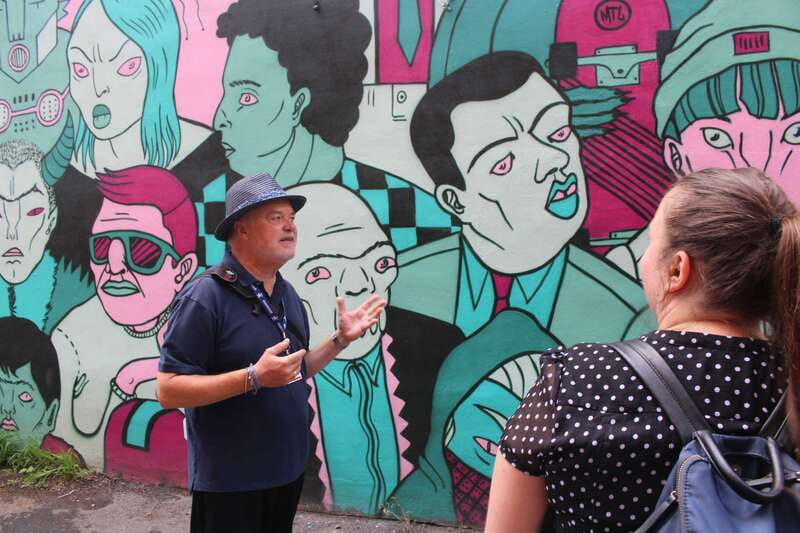
The first major section focuses on St-Laurent Boulevard and its nearby streets. This corridor is central to the city’s mural scene, and the route uses it as a kind of outdoor gallery. You will see a range of styles rather than one uniform look, which helps show how broad Montreal’s mural culture has become.
The route also takes intriguing detours into surrounding streets and alleys. That is one of the strongest reasons to book a guided walk instead of simply following a list of mural addresses. You might find work in places you would not think to check, and the guide can explain why a particular piece or area is worth your attention.
The Mural Festival Zone is an important stop. Its name comes from the event that helped bring urban art to a wider public and played a role in making murals a visible part of Montreal culture. This is the section where you can expect some of the most impressive photo opportunities, but the value is not only visual. The guide connects the festival to the wider growth of muralism in the city.
Bring your phone or camera, but do not spend the entire stop looking through a screen. Large murals often include details that disappear in a quick snapshot. Give yourself time to look at the composition, the techniques, and the relationship between the artwork and the building around it.
Meeting Phillip Adams and David Guinn in the Entertainment District
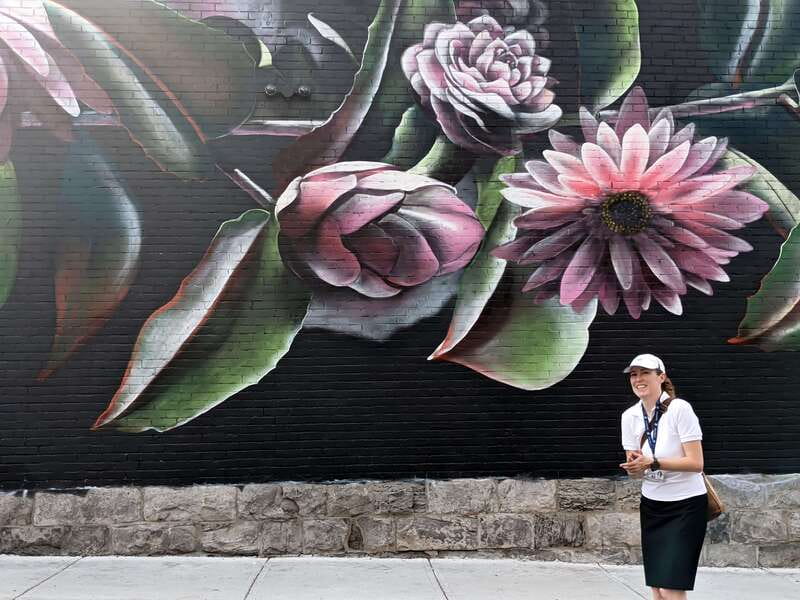
The walk continues south toward the heart of the Entertainment District. This shift gives the itinerary a useful change of mood. Instead of staying in one concentrated mural zone, you see how public art appears in another busy part of Montreal.
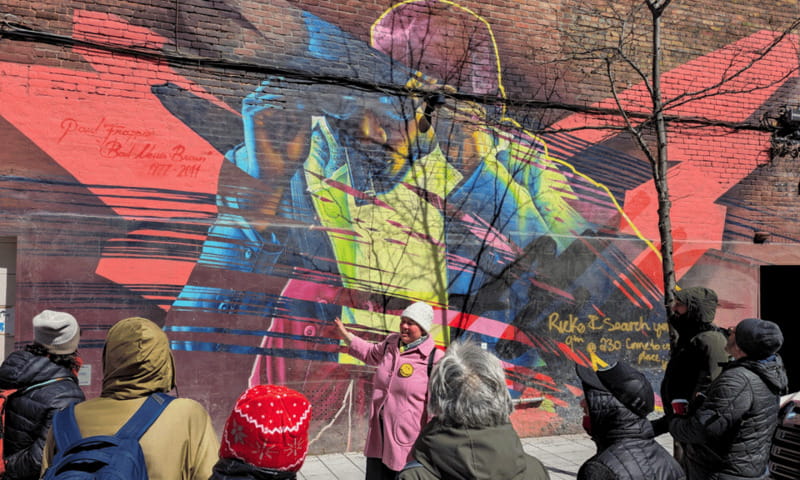
Works by Phillip Adams and David Guinn are among the named highlights. The guide provides background on the artists, their subjects, and the different techniques used in the murals. That detail matters because two large paintings can look similar from a distance while being made with very different methods and artistic aims.
You will not be given a generic explanation of street art and then left to wander. The discussion is tied to the works in front of you. The guide can point out artistic choices, explain who made the piece, and place it within Montreal’s larger mural movement.
This section is also a good reason to take the tour earlier in your Montreal stay. Once you know what to look for, you can notice more public art while walking through the Entertainment District later. The tour gives you a working set of references rather than just one isolated sightseeing experience.
A few more Montreal half-days to weigh up
- Montreal: Guided Bus Tour
★ 4.4 · 3,064 reviews - Montreal: Hop-On Hop-Off Double-Decker Bus Tour
★ 4.1 · 2,760 reviews - From Montreal: Quebec City and Montmorency Falls Day Trip
★ 4.5 · 2,669 reviews - Montreal Mile End Authentic Food Tour with 7 Delicacies Tastings
★ 5.0 · 2,598 reviews
The story behind Montreal’s mural movement
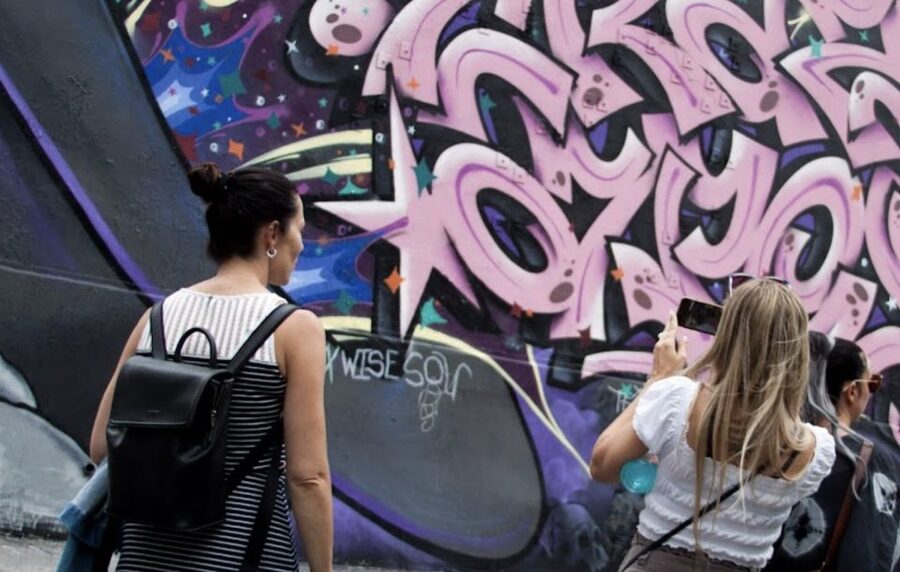
The historical portion of the tour is short enough to keep the walk moving, but it gives the art a useful frame. You hear about the early use of muralism for popular themes and national propaganda, then follow its development in Montreal during the 1970s.
The important point is that muralism did not appear fully formed as a festival attraction. It grew over time and became more closely tied to the identity of the city. The guide explains how the movement became important to local life and why Montreal now treats murals as a serious part of its cultural scene.
I value this context because it helps you avoid a common mistake: judging every mural only by whether you personally like its colors or subject. Public art can also be about scale, access, community, technique, and the way a city presents itself. A short explanation can turn a quick glance into a more thoughtful look.
The tour also highlights talented artists and collectives rather than presenting the walls as anonymous decoration. You get a better sense of the people behind the work and the different ways they use urban space.
What the guide adds to the experience
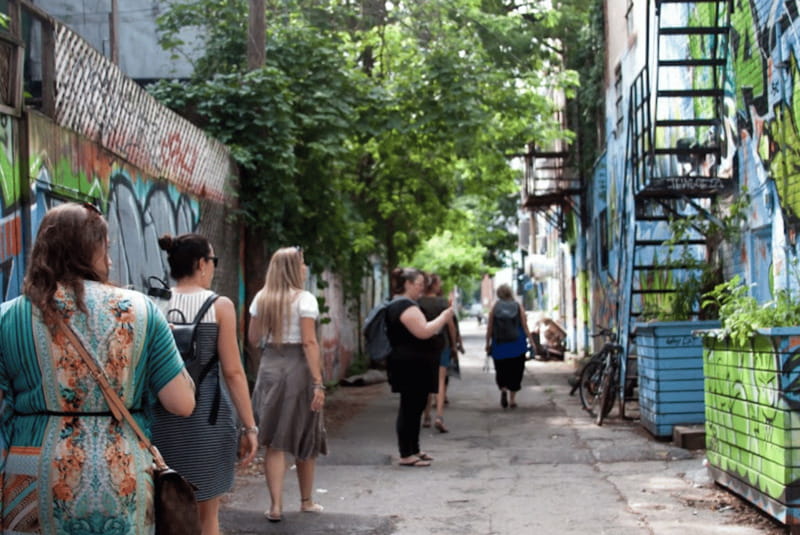
The guide is central to the quality of this tour. Recent outings have been led by Sarah and Maryse, and both names are worth noting if you are choosing among available departures. Sarah has been praised for clear, interesting explanations and a friendly, professional manner. Maryse has been especially good at finding places a person might not pass on an ordinary walk, while adding historical background along the way.
Those details suggest what you should expect from a strong departure: not just a march from wall to wall, but a conversation about artists, subjects, techniques, and Montreal’s past. A good guide also helps with pacing. You have enough time to examine the murals and take pictures without turning the outing into a long lecture.
English and French tours are available. If you are comfortable in either language, choose the one that lets you ask questions and follow the art discussion easily. Private and small-group options are also available. A smaller group can be useful when you want to hear every explanation or ask about particular artists, though the basic information provided does not specify the exact maximum group size.
Is $25 a fair price?
At $25 per person, this is a reasonable price for a two-hour guided walking tour in Montreal. You are paying for a live guide, a planned route, local context, and access to works that can be scattered across several streets. There is no transportation, meal, or admission ticket included, but none is needed for this type of outing.
The value is strongest if you are interested in public art, photography, city culture, or the way neighborhoods change. Exploring alone costs less, of course, but you may spend time searching for murals and miss the story behind them. The tour lets you use two hours efficiently and gives you names and ideas to follow up on later.
I would not book it solely as a way to cover lots of Montreal sights. The focus is narrow and specific. You will spend the full outing looking at murals and walking between them, not visiting major historic buildings or receiving a general introduction to the city.
The reserve-now-and-pay-later option also gives you some planning flexibility. Free cancellation is available up to 24 hours in advance for a full refund, which is useful when your schedule or weather plans are uncertain. The tour itself still runs rain or shine, so flexible booking does not mean the walk moves indoors.
Shoes, weather, and walking comfort
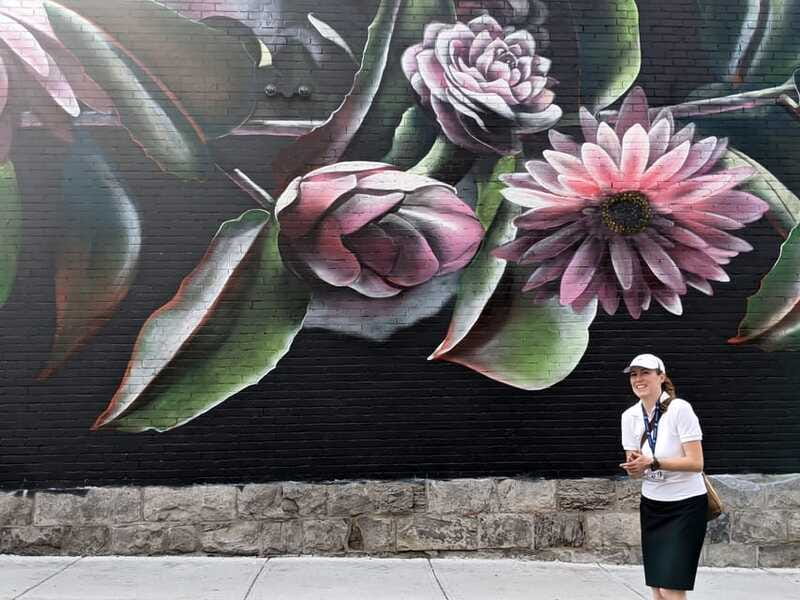
Wear comfortable shoes. The route includes sidewalks, streets, and detours into alleys, and there is no vehicle transfer to break up the walk. The supplied information does not give an exact walking distance, so I would treat this as a genuine city walk rather than a gentle stop-and-start activity.
The tour takes place in all weather. Montreal’s sun can be strong, and one outing became less comfortable because of high heat. On warm days, carry water, wear light clothing, and consider a hat. In wet conditions, a rain jacket is more useful than an umbrella if you need both hands free for photographs.
This is not the right choice for wheelchair users or people with mobility impairments. The route’s walking format, streets, and alleys may be difficult, and the activity is specifically listed as unsuitable for those needs. If accessibility is a concern, contact the provider before booking rather than assuming a private tour can change the route.
Who will enjoy this Montreal walk?
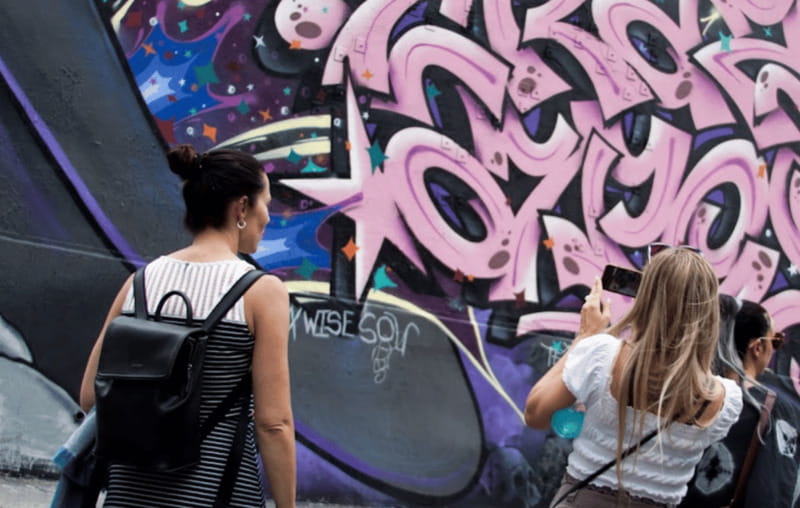
I would recommend this tour to anyone who sees murals as more than colorful backdrops. It suits photographers, art fans, visitors curious about Montreal culture, and people who like learning about a city through its public spaces.
It is also a good choice if you have already seen the major central sights and want something more focused. The Mural Festival Zone and Entertainment District give you a clear route, while the side streets and alleys keep the walk from feeling like a simple boulevard stroll.
Families with older children may enjoy it if everyone is comfortable walking for two hours and listening to historical explanations. The tour can also work well for couples or small groups who want a shared activity that produces good photos without requiring a museum ticket.
I would hesitate to recommend it to anyone seeking a broad first-day orientation, a seated cultural presentation, or a short activity for tired legs. The art is the point, and the walking is part of the experience.
Practical booking advice
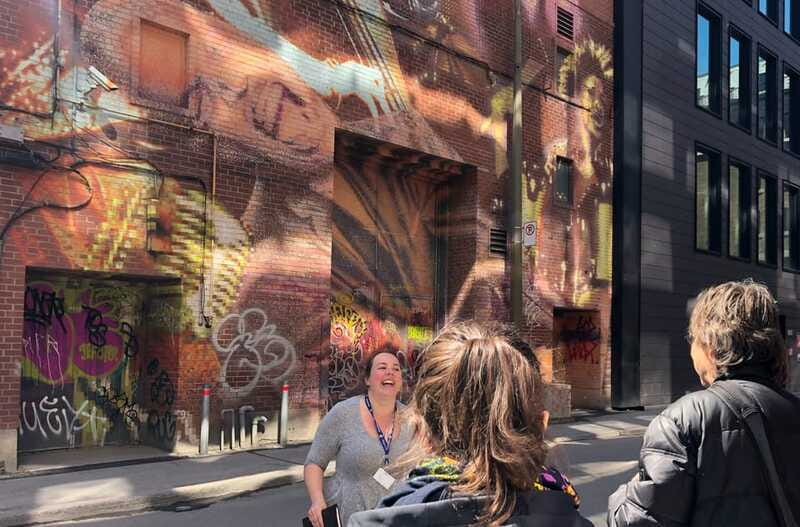
Check the available start times before settling your day, since the activity lasts two hours and departure times vary. Meeting in front of Maison du développement durable means you should plan your own route there and arrive ready to walk.
Choose English or French based on the language in which you will best follow explanations about artists and techniques. If you prefer a more personal outing, look for a private or small-group option.
Sarah and Maryse are two guides associated with particularly well-received outings, so if guide selection is offered when you book, they are names worth keeping in mind. Still, the quality of a walking tour depends on the individual departure, the group, and the weather, so treat the guide name as a useful preference rather than a guarantee.
Should you book the Montreal mural tour?
Book it if you want a focused look at Montreal’s public art and appreciate having the story explained as you walk. The route covers the St-Laurent Boulevard area, the Mural Festival Zone, and the Entertainment District, with named artists, local history, and small street-level discoveries along the way.
Skip it if you dislike outdoor walking, need step-free access, or want a general city tour. For $25, though, it offers solid value for two hours, especially if Sarah or Maryse is leading your departure and you want to understand how Montreal’s mural movement became part of the city’s identity.
FAQ
How long does the Montreal mural tour last?
The tour lasts two hours.
How much does the tour cost?
The price is $25 per person.
Where does the tour meet?
Meet your guide in front of the Maison du développement durable building.
Is the tour available in English and French?
Yes. Live guides are available in English and French.
Is this a private tour or a group tour?
You can choose between private and small-group options.
Does the tour include hotel pickup and drop-off?
No. Hotel pickup and drop-off are not included, so you must make your own way to the meeting point.
What should I bring?
Bring comfortable shoes. Since the tour takes place rain or shine, weather-appropriate clothing is also sensible.
Is the tour suitable for wheelchair users?
No. The activity is not suitable for wheelchair users or people with mobility impairments.
Just added around Montreal
- Winter Express: Old Montreal Highlights Walking Tour★ 5.0 · 119 reviews
- Under the Surface of Montreal’s Chinatown: Guided Food Walking Tour★ 5.0 · 23 reviews
- Full Day Family Bike Rental★ 5.0 · 17 reviews
- Montreal Premium Driving Tour with River Cruise and Notre Dame★ 4.5 · 164 reviews
- Immersive Virtual Reality Game Activity★ 5.0 · 19 reviews
- Montréal Downtown and Underground City Private Walking Tour★ 5.0 · 47 reviews
- Day at Mont-Tremblant National Park★ 4.0 · 5 reviews
- In the Shadow of the Mountain: Montreal Jewish History Walking Tour★ 4.5 · 33 reviews
Montreal Tours, compared.

Montreal Mile End Authentic Food Tour with 7 Delicacies Tastings
Read our review →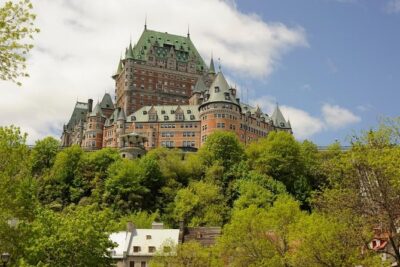
Quebec City and Montmorency Falls Day Trip from Montreal
Read our review →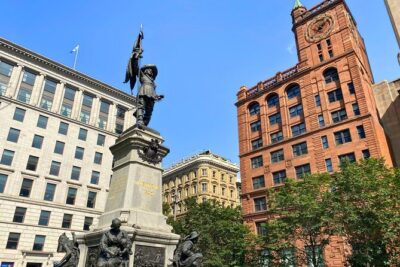
The Original Old Montréal Walking Tour by Guidatour
Read our review →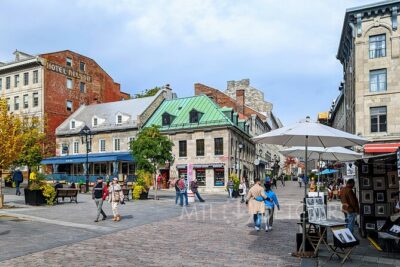
Old Montreal Small-Group Walking Tour | Max 10 | by MTL Detours
Read our review →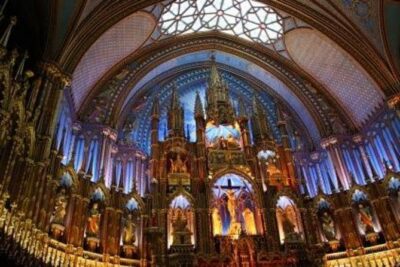
Montreal City Sightseeing Tour with Live Commentary
Read our review →
Browse the lists this tour appears in