
Review · KINGSTON
Kingston: Waterfront Shipwreck Cruise with Guide
Kingston’s shipwreck cruise turns a pleasant boat ride into a story about sunken steamships, rough weather, and human mistakes. You’ll see the historic waterfront from the water while a Great Lakes Museum guide explains how wrecks such as the Comet and Wolfe Islander II became part of Kingston’s nautical past.
I like the blend of local scenery and real maritime evidence, including wreck videos and artifacts found by divers. I also like the calm 90-minute length, which gives you a focused outing without taking half a day. The main concern is the sound system: when speakers or the microphone fail, the storytelling becomes hard to follow.
Key points
- Comet and Wolfe Islander II: Hear about both an old steamship wreck and a more recent vessel lost in the Kingston area.
- Great Lakes Museum guide: The live commentary connects wrecks to Kingston’s broader maritime story.
- Videos and recovered artifacts: The tour can bring underwater sites to life even when the wrecks themselves are not easy to see from the boat.
- Historic waterfront views: The cruise gives you a different angle on Kingston’s shoreline and local scenery.
- 90-minute format: Long enough for a substantial talk, short enough to fit neatly into a day of sightseeing.
- Sound quality matters: Sit where you can hear clearly, since weak speakers have affected the experience at times.
What the Kingston shipwreck cruise is really about
This is not a fast sightseeing ride with a few shipwreck facts added on. The main idea is to explain why ships ended up underwater, how their remains were found, and what those sites reveal to historians and underwater explorers.
You’ll hear about the forces that shaped Kingston Harbour and the wider 1000 Islands area. Weather plays a part, but so do navigation mistakes, mechanical problems, and human decisions. That mix gives the cruise its appeal. The wrecks are not just objects on the bottom. Each one marks a particular moment when a working vessel stopped working.
The cruise also touches on treasure hunts, wreck research, and the practical science of examining underwater remains. That makes the experience a good match for you if you like history with a mystery attached. It is less suited to anyone expecting a high-speed adventure or a full scuba demonstration.
The guide speaks live in English, and the tour is connected to the Great Lakes Museum. That museum link matters because the stories have a clear local focus. You are not getting a general lecture on Great Lakes ships. You are hearing about vessels connected to Kingston and the surrounding waterways.
A few more Kingston half-days to weigh up
- Kingston: Heart of the Thousand Islands Riverboat Cruise
★ 4.2 · 771 reviews - Kingston: Lunch Cruise of Thousand Islands
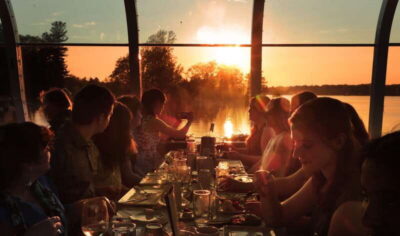
★ 4.5 · 212 reviews - Kingston: Sunset Dinner Cruise
★ 4.5 · 197 reviews
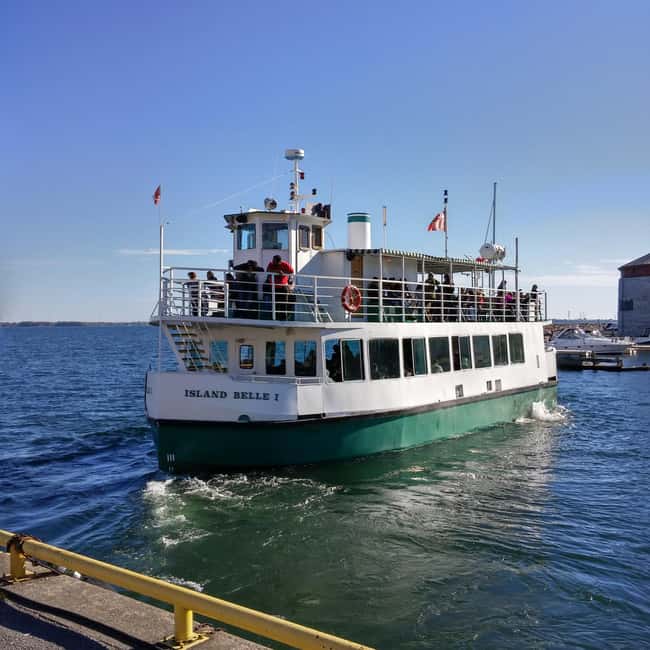
Boarding the Island Belle and finding your place
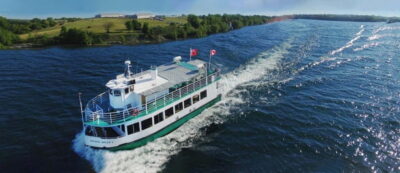
The cruise takes place aboard the Island Belle. Manual wheelchairs, walkers, and other portable mobility devices are welcome if they are narrower than 30 inches. That makes the boat workable for many people with mobility needs, though it is important to know that the washrooms are upstairs on the second deck and are not accessible.
The boat ride itself is part of the attraction. You get a moving view of Kingston’s waterfront rather than the fixed shoreline perspective you have from land. The changing angle helps place the wreck stories in their setting, especially if you already know a little about the harbour.
Large bags, luggage, coolers, pets, smoking, and vaping are not allowed. Assistance dogs are allowed. Pack lightly, and keep your attention on the talk rather than planning to bring food or drinks aboard, since those are not included.
I would try to arrive ready to listen from the start. The cruise lasts only 90 minutes, so there is not much spare time if you miss the opening explanation. Since the sound system has caused trouble on some departures, a seat near a working speaker may make a real difference.
Kingston Harbour from the water
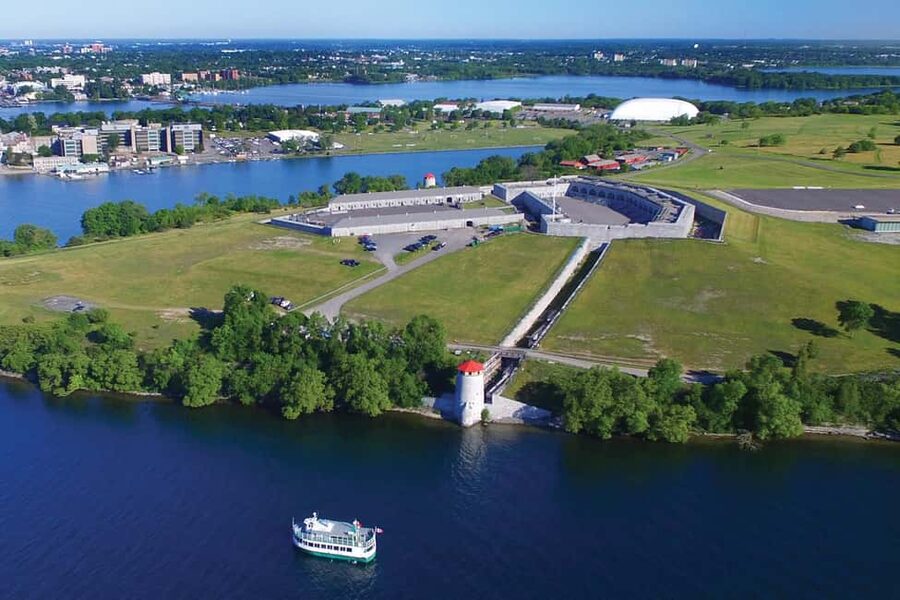
The opening part of the trip introduces Kingston’s historic waterfront and the harbour setting. This is valuable context, because the wreck stories make more sense when you understand that Kingston’s waterways were working routes, not just pretty scenery.
You’ll see local views while the guide explains the area’s connection to shipping and maritime travel. The boat’s pace has been described as comfortable, and the cruise is not designed as a thrill ride. That leaves room to look around, take photographs, and follow the narration.
The scenery is a useful part of the experience, especially if you have already spent time walking Kingston’s streets. From the boat, familiar buildings and shoreline features take on a different shape. The cruise gives you a short change of pace between land-based attractions.
Still, keep your expectations in check. The main value is the interpretation, not a long list of waterfront sights. If you want a pure sightseeing cruise with constant visual highlights, the shipwreck focus may feel narrow. If you enjoy learning why a place matters, the quiet ride supports the stories well.
The Comet and Kingston’s older wrecks
One of the central stories concerns the Comet, a century-old steamship whose remains form part of the area’s underwater past. The ship gives the guide a way to explain how older vessels were built, used, and eventually lost.
You should not assume that every wreck will be clearly visible from the deck. The experience uses storytelling, video, and discussion to show what lies below the water. That is important when you compare this trip with a standard boat tour. You are learning about wreck sites rather than touring them like above-water monuments.
The Comet also helps explain the passage of time. A shipwreck can change as wood, metal, currents, and human activity affect it. The guide discusses the beauty and science of wreck exploration, giving you a sense of why these sites attract careful study.
For me, this is where the museum connection earns its keep. Recovered objects and underwater images make the subject more concrete. Instead of hearing only dates and names, you may see the sort of evidence that helps researchers work out what happened.
Same base, a completely different sort of day:
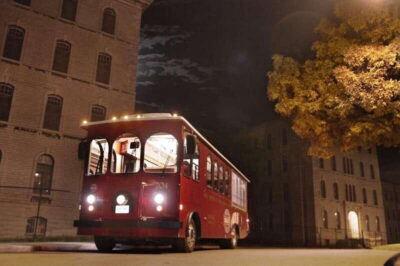
- Kingston: Ghosts and Mysteries Trolley Tour
★ 4.4 · 158 reviews - Kingston: Haunted Night Walking Tour
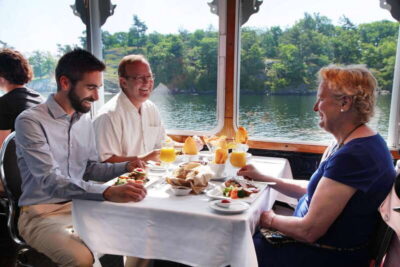
★ 4.6 · 144 reviews - Kingston: Brunch Cruise of Thousand Islands
★ 4.3 · 132 reviews - Kingston: Waterfront Discovery Cruise
★ 4.2 · 129 reviews
The Wolfe Islander II and more recent losses
The cruise also covers the Wolfe Islander II, a more recent wreck. Placing it beside the Comet creates a useful contrast between an older steamship and a vessel from a later period.
That comparison shows that shipwrecks are not only relics from a distant age. Modern equipment does not remove all risk from busy waterways. Weather, navigation, mechanical trouble, and decisions made under pressure can still shape the outcome.
The story of the Wolfe Islander II adds variety to the tour. If the older wreck material feels remote, a more recent vessel can make the subject easier to grasp. You can think about the changing design of ships and the different challenges faced by crews over time.
The cruise does not promise a complete account of every wreck in the region. Instead, it uses selected vessels to tell a broader story about Kingston’s waters. That approach works best when you want a clear introduction rather than an encyclopedic catalogue.
Videos, artifacts, and the hidden work below the surface
A particularly useful part of the outing is the use of videos showing the wrecks. Guide Charlie has used footage of several wrecks around the harbour, along with artifacts recovered by divers over the years.
This material solves a practical problem. A submerged wreck may be too deep, too distant, or too hard to identify from a moving boat. Video lets you see its condition and shape in a way that ordinary sightseeing cannot.
The artifacts also give the talk a physical connection to the past. You are not only imagining a lost vessel. You may see objects that came from the underwater site and helped people understand the ship and its final hours.
The guide’s role is important here. The best version of this tour depends on someone who can explain what you are seeing without rushing through it. Charlie has been singled out for clear presentation and for bringing videos and artifacts into the talk. That suggests the cruise can be especially strong when the guide has time and working equipment to support the story.
Why the guide and sound system matter
This is a live-guided cruise, so the guide is not a minor extra. The boat ride is pleasant on its own, but the wreck material gives you the reason to book this particular outing.
A good guide can connect nature, human error, ship design, local geography, and underwater research in one continuous story. That connection keeps the trip from becoming a string of disconnected facts. It also helps you understand why a wreck matters instead of simply memorizing its name.
The weak point is the public-address system. Some speakers have not worked properly, and microphone problems have produced unpleasant screeching. One account also describes the material being delivered too quickly, which would make a detail-heavy talk harder to follow.
I would treat sound quality as the biggest variable in the experience. Sit close enough to hear the guide, and do not hesitate to move if the commentary is faint. If you cannot follow the narration, much of the cruise becomes an ordinary boat ride.
Is $36 a fair price for 90 minutes?
At $36 per person, the cruise sits in the reasonable range for a short, guided Kingston outing. The value depends on what you want from the boat ride.
If you only want waterfront views, you may find a standard sightseeing cruise easier to justify. This experience asks you to pay for the live interpretation, museum connection, wreck footage, and local stories as much as for the boat itself.
I think the price works well for adults who enjoy maritime history. You get a focused 90-minute program, and the length makes it easy to combine with other Kingston activities. You are not committing to a full-day excursion, a meal package, or an expensive specialist expedition.
There is no food or drink included, so plan around that. The shorter format also means the tour needs to use its time well. When the guide is engaging and the equipment works, $36 feels fair. When the sound fails or the shipwreck talk is rushed, the value drops because the central product is the commentary.
The overall rating of 3.9 out of 5 reflects that split. The strongest experiences describe an informative cruise, friendly service, a comfortable pace, and an excellent guide. The weaker experience centers on poor sound and disappointment with the wreck portion. That is a useful warning, not a reason to dismiss the trip.
Who will enjoy this cruise most?
I would recommend it most to adults, couples, solo visitors, and families with older children who can sit through a sustained historical talk. You should enjoy it if you like ships, local history, underwater archaeology, or stories shaped by bad weather and difficult choices.
It is also a good way to finish a day in Kingston. The pace is gentle, the setting is scenic, and the 90-minute length does not demand a major change to your schedule. You can enjoy the waterfront while learning something you would not get from a walk along shore.
Young children may struggle with the format. The subject is presented through explanation, videos, and artifacts rather than constant action. If your children need frequent movement or hands-on activity, the trip could feel slow.
The cruise may also disappoint you if you expect to see wrecks plainly from the deck. The supplied information focuses on stories, videos, and recovered objects. Think of it as a floating maritime talk with views, not a glass-bottom wreck tour.
Practical details that can change your experience
The experience lasts 90 minutes and runs at scheduled starting times, so check availability before planning the rest of your day. The live tour is in English.
The boat is wheelchair accessible for manual wheelchairs, walkers, and portable mobility devices under 30 inches wide. The upstairs washrooms are not accessible, so plan for that before boarding.
The activity information gives two different cancellation messages. One says you can cancel up to 24 hours in advance for a full refund, while another says all tickets are final sale and non-refundable. Because those terms conflict, I would confirm the policy at the time of booking rather than assume a refund is guaranteed.
Reserve now and pay later is offered, which can help if you are still arranging your Kingston schedule. Even so, check the final booking conditions carefully, particularly if your plans may change.
My verdict: should you book it?
Book this cruise if you want a short, local maritime experience with a real subject behind it. The combination of Kingston waterfront views, Great Lakes Museum interpretation, wreck videos, and recovered artifacts gives the outing more substance than a basic harbour ride.
I would be more cautious if you are bringing very young children, need a fully accessible washroom, or care most about seeing wrecks directly from the boat. The sound system also deserves attention, since poor audio can weaken the whole experience.
For adults and older children who like ships and place-based stories, I think the $36 price is fair when the guide and equipment are working well. Go for the history, not just the scenery, and choose a seat where you can hear. That is the simplest way to get the most from Kingston’s shipwreck cruise.
FAQ
How long is the Kingston shipwreck cruise?
The cruise lasts 90 minutes.
How much does the cruise cost?
The listed price is $36 per person.
What language is the tour offered in?
The live-guided tour is offered in English.
Who guides the cruise?
The cruise is led by an expert guide from the Great Lakes Museum. Guide Charlie has presented wreck videos and recovered artifacts during the experience.
Which shipwrecks are discussed?
The cruise includes stories about century-old steamships such as the Comet and more recent wrecks such as the Wolfe Islander II.
Is food or drink included?
No. Food and drinks are not included.
Is the boat wheelchair accessible?
Manual wheelchairs, walkers, and other portable mobility devices narrower than 30 inches are welcome on the Island Belle.
Are the washrooms accessible?
No. The washrooms are upstairs on the second deck and are not accessible.
Are pets allowed on board?
Pets are not allowed, but assistance dogs are permitted.
Just added around Kingston
- Trolley City Tour of Kingston★ 5.0 · 27 reviews
- Kingston Self-Guided Walking Tour & Scavenger hunt (updated)★ 3.5 · 10 reviews
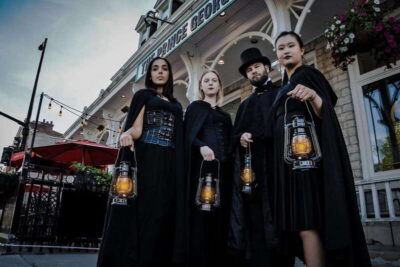
- Orignal Haunted Walk of Kingston 75-Minute Ghost Tour★ 4.5 · 113 reviews
- Kingston Bike Tours★ 5.0 · 30 reviews
- Heart of the 1000 Islands Sightseeing Cruise★ 4.0 · 80 reviews
- Ghost Tour of Queen’s University★ 4.5 · 6 reviews
- Kingston: Waterfront Discovery Cruise★ 4.2 · 129 reviews
- Kingston: Trolley City Tour★ 4.6 · 99 reviews
Kingston Tours, compared.

Orignal Haunted Walk of Kingston 75-Minute Ghost Tour
Read our review →Browse the lists this tour appears in