
Review · MONTREAL
Explore Underground city & Downtown. Great tour to stay warm
Montreal’s Underground City is not one single tunnel, but a wide network of connected buildings, shopping areas, stations, and passageways. This tour makes sense of that maze, then takes you outside for courtyards, churches, festival spaces, and downtown architecture that are easy to miss on your own.
I like two things right away: the tour is a smart winter escape, since you are rarely outdoors for long, and the 24-hour transit ticket keeps working after the guide says goodbye. The small group, limited to 10 people, should also make it easier to hear the stories and ask questions.
The trade-off is simple: this is a walking tour with plenty of stairs and a lot of ground to cover. It is not suitable for wheelchair users or people with mobility impairments, and anyone hoping for a gentle stroll should choose another way to see downtown.
Key points to know before you book
- Montreal below street level: Follow the connected passageways that link major downtown buildings and Métro stations.
- Warm winter sightseeing: Use the indoor network as shelter between short outdoor visits.
- Tom or Thom as guide: The guide named Tom, also written as Thom in the tour details, is praised for his city knowledge, passion, and well-paced storytelling.
- More than shopping tunnels: The route includes Place Ville Marie, Place des Arts, churches, courtyards, festival grounds, and downtown neighborhoods.
- A useful transit bonus: Your ticket covers Montreal public transportation for 24 hours, so you can continue exploring after the tour.
- Small but active group: No more than 10 participants, with lots of walking and stairs over about two hours.
Why Montreal’s Underground City is worth seeing
Montreal’s underground network is often called a city within the city, but that nickname can give the wrong impression. You will not find a complete second Montreal beneath the streets. Instead, you will move through a practical collection of connected indoor spaces, commercial centers, office buildings, stations, and passageways.
That arrangement reflects Montreal’s climate. Cold winters make sheltered routes useful, but the network also reveals how the city has grown around major buildings and transit lines. With a guide, the corridors become more than a way to get from one shopping center to another. You can connect the engineering, architecture, and city planning to the streets above.
I would not book this tour only for shopping. The better reason is orientation. A first-time visitor can easily lose track of where one complex ends and another begins. The guide gives you a map in your head, then links the underground routes to the downtown districts, public spaces, and buildings above ground.
The tour also suits a cold-weather itinerary. You will still step outside, but the route uses the underground network to limit long stretches in the wind and snow. Bring proper winter footwear anyway. Warm corridors do not remove the need to walk across streets, use stairs, or move between indoor entrances.
A few more Montreal half-days to weigh up
- Montreal: Guided Bus Tour
★ 4.4 · 3,064 reviews - Montreal: Hop-On Hop-Off Double-Decker Bus Tour
★ 4.1 · 2,760 reviews - From Montreal: Quebec City and Montmorency Falls Day Trip
★ 4.5 · 2,669 reviews
Starting at 1000 Rue de la Gauchetière Ouest
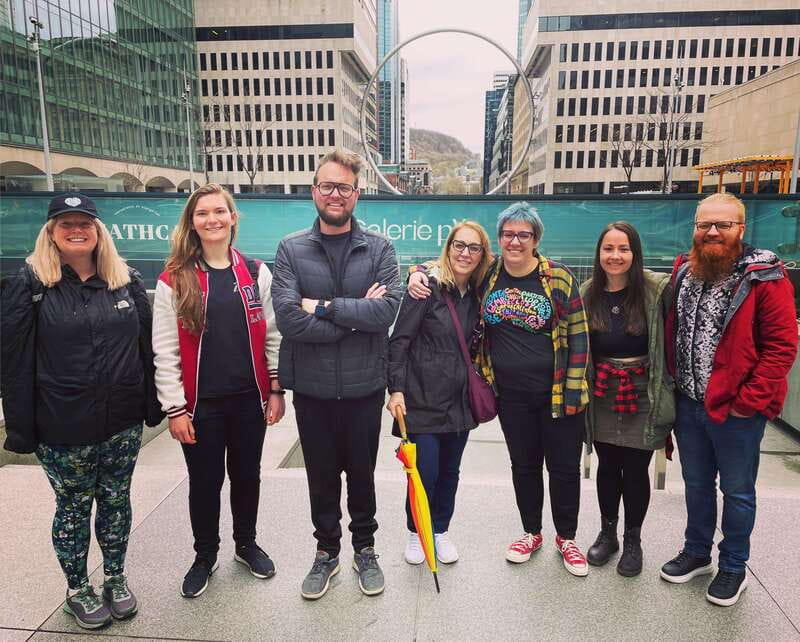
The meeting point is the main lobby at 1000 Rue de la Gauchetière Ouest. Look for the guide wearing a lanyard that identifies them. This is a downtown starting point, so give yourself enough time to arrive without rushing, especially if you are unfamiliar with Montreal’s connected buildings.
The lobby is an appropriate place to begin because the tour quickly shifts from an ordinary street address into the indoor network. Your guide can establish the basic layout before leading the group into the passages. That early explanation matters: without it, the Underground City can feel like a series of unrelated malls and office corridors.
The group is limited to 10 participants. That is a useful size for this particular outing. You are moving through public spaces rather than a private attraction, so a compact group should be easier to keep together. It also gives you a better chance to hear details while standing near a building entrance, station, or work of public art.
The advertised duration is two hours. One account described the outing as lasting closer to two and a half hours, so I would leave some flexibility in your schedule. The pace is active, but not presented as a race. You will cover a lot of ground, and the guide will keep the group moving.
Downtown Montreal, 75 minutes of connected city sights
The main downtown portion lasts about 75 minutes. This is where the tour earns its price. Instead of simply pointing out a tunnel entrance, the guide explains how the indoor routes fit together and why the buildings are connected.
Expect a mix of indoor and outdoor movement. You will pass through the Underground City, then step outside for selected downtown sights. The exact details of each outdoor stop may vary with access and conditions, but the planned visits include hidden courtyards, old churches, festival grounds, and other city spaces.
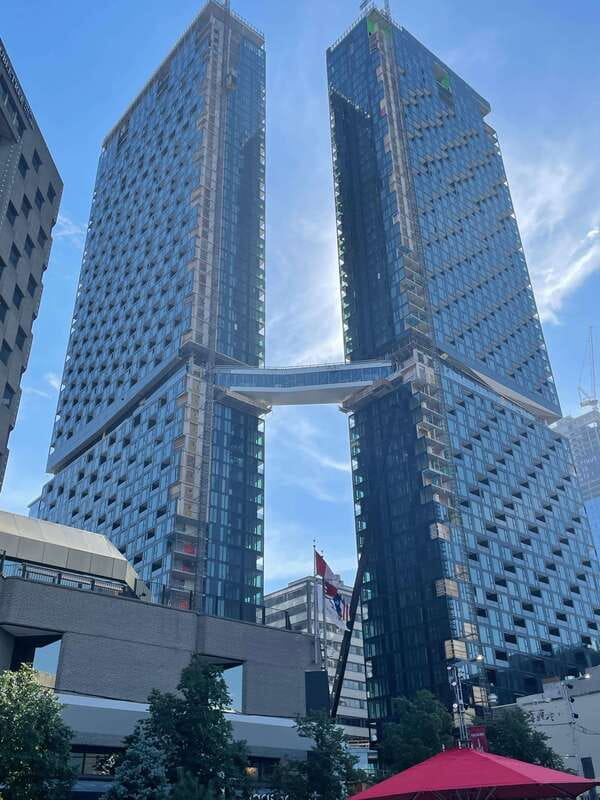
The value here is context. Architecture is easier to appreciate when someone explains how a building relates to its neighbors. City planning becomes more understandable when you see the pedestrian links, transit access, office towers, public spaces, and commercial areas working as one system.
The tour also brings you into downtown neighborhoods where people work, live, and spend time. That makes the experience broader than a quick look at a famous landmark. You are learning how Montreal functions during an ordinary day, both above and below street level.
This part demands stamina. You will walk a lot, and there are many stairs. The tour description openly frames it as a good way to get your daily steps, which is accurate advice rather than a minor footnote. Wear comfortable shoes, and do not count on the underground route to make the outing physically easy.
Place Ville Marie and Montreal’s vertical downtown
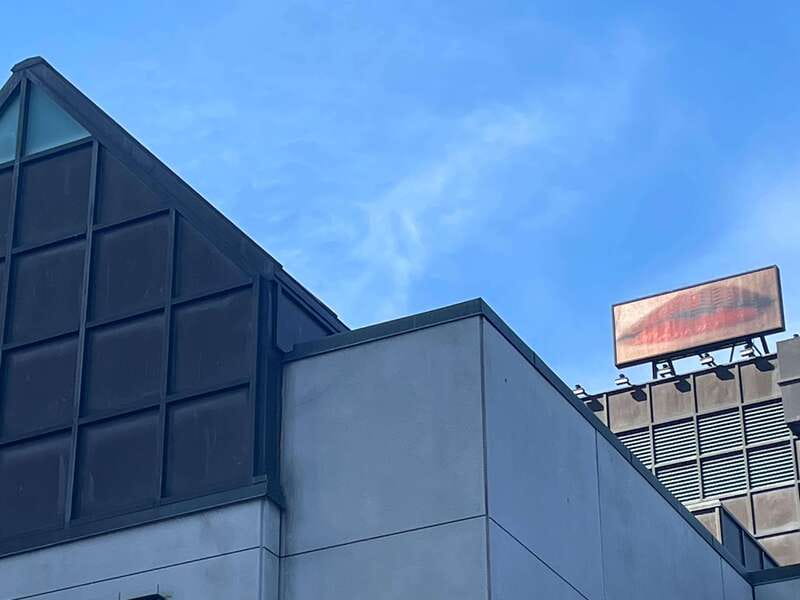
Place Ville Marie is one of the planned stops, with about 10 minutes set aside for a visit. The stop gives the guide a chance to explain a major piece of downtown Montreal and the relationship between the city’s tall buildings and its underground circulation.
A short visit means you should not expect an extended architectural inspection or a long free period. Instead, treat it as one piece of a larger story. The guide can show how a major complex connects to the pedestrian network and why such buildings matter to the shape of downtown.
For you, this stop is most useful if you enjoy architecture, engineering, or urban design. It is less compelling if you only want a long, relaxed stop at each place. The tour’s strength comes from the connections between sites, not from lingering at one landmark.
Same base, a completely different sort of day:
- Montreal Mile End Authentic Food Tour with 7 Delicacies Tastings
★ 5.0 · 2,598 reviews - Quebec City and Montmorency Falls Day Trip from Montreal
★ 4.0 · 2,437 reviews - The Original Old Montréal Walking Tour by Guidatour
★ 4.5 · 2,217 reviews - Old Montreal Small-Group Walking Tour | Max 10 | by MTL Detours
★ 5.0 · 2,088 reviews
Place des Arts and Montreal’s public culture
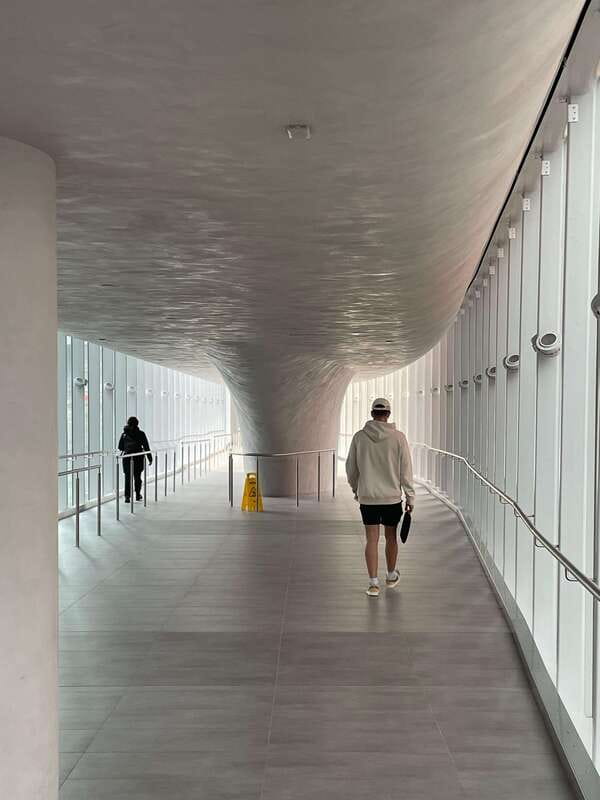
Place des Arts is another 10-minute visit. This brings the route into one of the city’s major cultural areas and helps balance the commercial and office-centered parts of the Underground City.
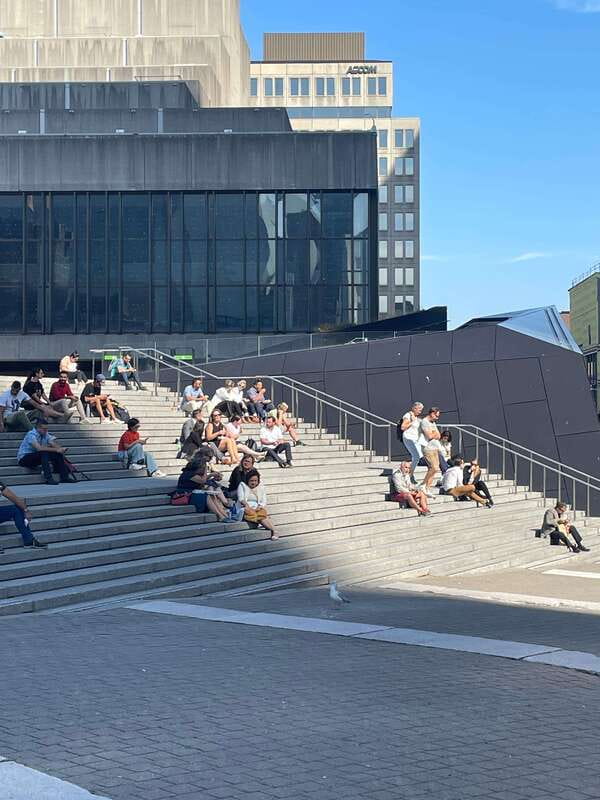
The name points to performance and public culture, while the surrounding festival grounds show how downtown space changes during events. Your guide connects the place to Montreal’s cultural life and city planning, giving you a look at how public areas can serve both daily use and large gatherings.
Again, the visit is brief. You will get an introduction, not a full tour of every cultural building or a performance. That is fine if you want a broad city overview, but it may feel too quick if your main goal is to explore Place des Arts in detail.
The Métro ride and Montreal’s underground art
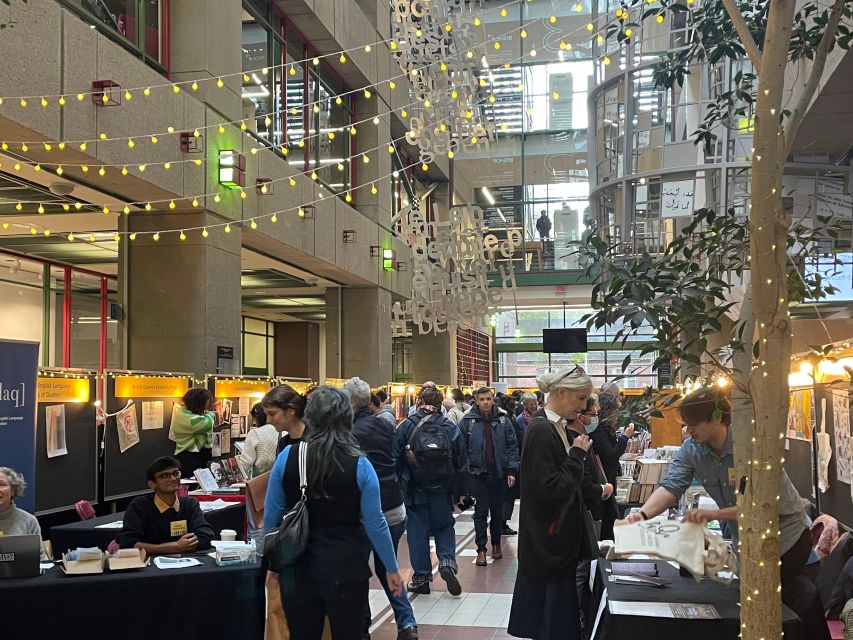
The itinerary includes a short Métro ride of about five minutes. This is not just a practical transfer. Montreal’s Métro is known for its architecture and art collection, so the ride adds another layer to the tour.
You will use public transportation as part of the route, which helps show how the underground network relates to the city’s transit system. The guide can point out how stations and connected buildings help people move through downtown without staying on the street.
The Métro segment is short, but it gives the experience a welcome change of pace. Most of the tour is walking, so a brief ride lets you see the city from a different angle while also using the ticket included in the price.
Keep that ticket after the tour. It is valid for all public transportation for 24 hours, giving you a practical way to continue exploring independently. You can use it to return to your hotel, reach another Montreal neighborhood, or revisit the Underground City without paying for another ride.
Courtyards, churches, and spaces easy to miss
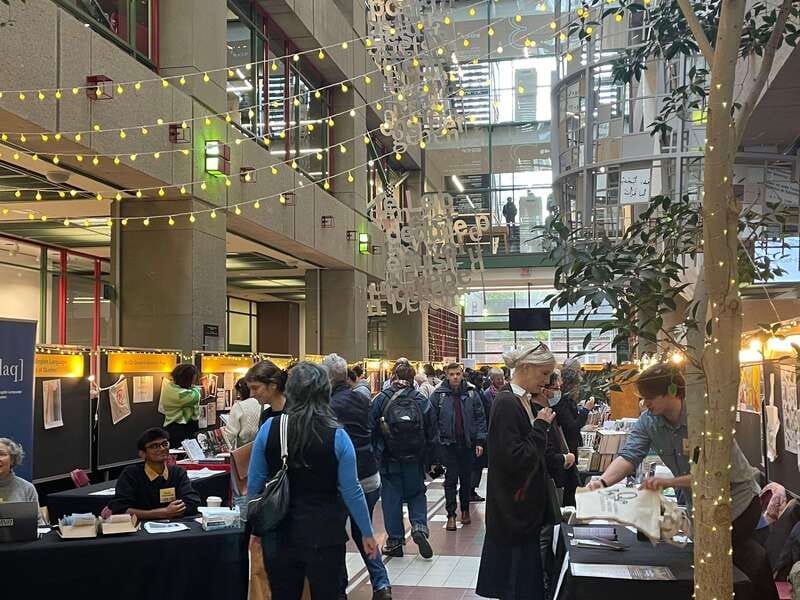
The route includes several 10-minute visits beyond the main downtown stops. These may include courtyards, centuries-old churches, festival grounds, and other less obvious parts of central Montreal.
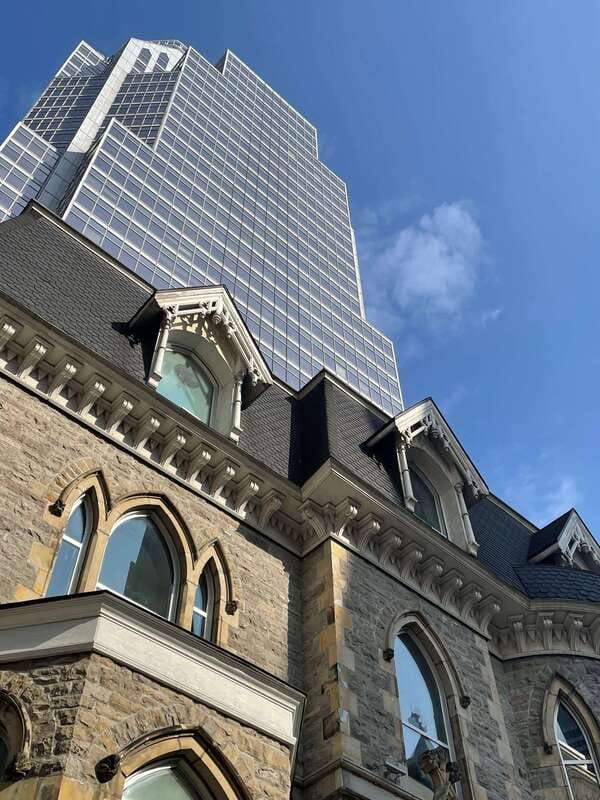
These shorter stops are important because they prevent the tour from becoming a guided walk through commercial interiors. The contrast between a modern passageway and an old church, or between a planned festival space and a sheltered office connection, shows how different eras share the same downtown.
The word hidden should be used carefully here. These places are not secret, and the guide cannot promise private access. They are simply easy to overlook when you are focused on major streets, storefronts, or famous attractions. A local guide helps you notice them and understand why they matter.
The short timing also keeps the route moving. You will see more of the city than you would on a single-site tour, but you will not have much time for independent photography or quiet reflection at every stop. If you want long visits, this is not the right format.
What makes the guide important
A tour like this depends heavily on the guide. Tunnels and office connections can feel ordinary without a clear explanation, while a good storyteller can turn them into a lesson in architecture, transport, and daily life.
The guide named Tom, also called Thom in the tour information, receives especially strong praise for his passion, city pride, pacing, and ability to hold attention. Accounts describe him as extremely well informed about Montreal’s underground network and able to keep the walk moving at a comfortable speed.
That is useful because the route covers a lot. You need someone who can explain the city without stopping for a long lecture at every corner. The best moments are likely to come from the links between places: why a passage exists, how the Métro fits into the network, and what the buildings tell you about Montreal.
The language is English. If you want a French-language tour, this is not the match. If you enjoy asking questions, the small group should help, though the guide still needs to keep everyone moving through public areas.
Is the $65 price good value?
At $65 per person, the tour is not the cheapest way to walk through downtown. You could explore parts of the Underground City independently at no charge, and you would not need a guide to ride the Métro.
The price becomes easier to justify when you count what you are buying: two hours of guided orientation, a small group capped at 10, an included 24-hour public transit ticket, and access to explanations that are difficult to get from signs alone. The transit pass has real value if you use it later the same day.
I see this as a good orientation tour, especially near the start of a Montreal visit. You learn how the downtown pieces connect, then have the rest of the day to return to places that caught your attention. The pass also makes it easy to continue without buying another ticket immediately.
The value is weaker if you already know the Underground City well, dislike guided pacing, or plan to spend the entire day inside museums and attractions. You are paying for interpretation and structure, not admission to a major landmark.
Who should book this tour?
I would recommend it to first-time Montreal visitors, architecture fans, urban planning enthusiasts, and anyone arriving during cold weather. It is also a good choice for people who want a practical introduction before exploring downtown alone.
It suits active walkers. The route includes many stairs and plenty of walking, so comfortable shoes matter more than stylish footwear. People with mobility impairments and wheelchair users should not book it because the activity is specifically unsuitable for them.
Families with older children may enjoy the variety of tunnels, transit, buildings, and outdoor stops, though the pace and walking distance could be tiring for young children. Anyone seeking a slow café-and-photo stroll should choose a less demanding outing.
I also like it for a first day in Montreal. You get your bearings, learn the downtown layout, and receive a transit pass that remains useful after the guide leaves. Book it early in your stay if possible, since the information can shape the rest of your sightseeing.
Practical details for a smoother outing
Meet in the main lobby of 1000 Rue de la Gauchetière Ouest, and look for the guide’s identifying lanyard. The activity runs in English and uses a small group format with no more than 10 participants.
Wear shoes suited to extended walking and stairs. In winter, dress for short periods outside rather than assuming the full route is indoors. The tour is designed to help you stay warm, not to eliminate outdoor time.
The tour offers free cancellation up to 24 hours before departure, and you can reserve now and pay later. Starting times vary, so check availability for your date. Hotel pickup and drop-off are not included, so you must make your own way to the downtown meeting point.
Should you book it?
Book this tour if you want Montreal explained as a working city, not just a list of landmarks. The combination of Underground City passageways, Métro art, downtown architecture, churches, courtyards, and festival spaces gives you a useful view of how the city fits together.
The strongest reasons to go are the winter-friendly route, the small group, and the 24-hour transit ticket. The guide’s clear storytelling and strong sense of pride in Montreal can make a complicated network much easier to understand.
Skip it if stairs and long walks are a problem, or if you prefer to explore entirely at your own speed. For an active visitor who wants a warm introduction to downtown, $65 is a fair price, particularly when you use the transit pass after the tour.
FAQ
Where does the tour start?
The tour starts in the main lobby of 1000 Rue de la Gauchetière Ouest in Montreal. The guide will be wearing a lanyard for identification.
Where does the tour finish?
The tour finishes at the Centre de commerce mondial.
How long does the tour last?
The advertised duration is two hours. One booking account described the outing as lasting about two and a half hours, so leave some extra flexibility in your schedule.
What language is the tour offered in?
The live tour guide speaks English.
How large is the group?
The group is limited to 10 participants.
Does the tour include public transportation?
Yes. The price includes a transit ticket valid for all public transportation for 24 hours.
Can I keep using the transit ticket after the tour?
Yes. You can keep the ticket and continue exploring Montreal on your own during its 24-hour validity period.
Is the tour suitable for wheelchair users?
No. The tour is not suitable for wheelchair users or people with mobility impairments because it includes many stairs and extensive walking.
Is hotel pickup included?
No. Hotel pickup and drop-off are not included. You must reach the meeting point at 1000 Rue de la Gauchetière Ouest yourself.
Just added around Montreal
- Winter Express: Old Montreal Highlights Walking Tour★ 5.0 · 119 reviews
- Under the Surface of Montreal’s Chinatown: Guided Food Walking Tour★ 5.0 · 23 reviews
- Full Day Family Bike Rental★ 5.0 · 17 reviews
- Montreal Premium Driving Tour with River Cruise and Notre Dame★ 4.5 · 164 reviews
- Immersive Virtual Reality Game Activity★ 5.0 · 19 reviews
- Montréal Downtown and Underground City Private Walking Tour★ 5.0 · 47 reviews
- Day at Mont-Tremblant National Park★ 4.0 · 5 reviews
- In the Shadow of the Mountain: Montreal Jewish History Walking Tour★ 4.5 · 33 reviews
Montreal Tours, compared.


Montreal Mile End Authentic Food Tour with 7 Delicacies Tastings
Read our review →
Quebec City and Montmorency Falls Day Trip from Montreal
Read our review →
The Original Old Montréal Walking Tour by Guidatour
Read our review →
Old Montreal Small-Group Walking Tour | Max 10 | by MTL Detours
Read our review →
Montreal City Sightseeing Tour with Live Commentary
Read our review →
Browse the lists this tour appears in