
Review · SQUAMISH
Britannia Mine Museum General Admission
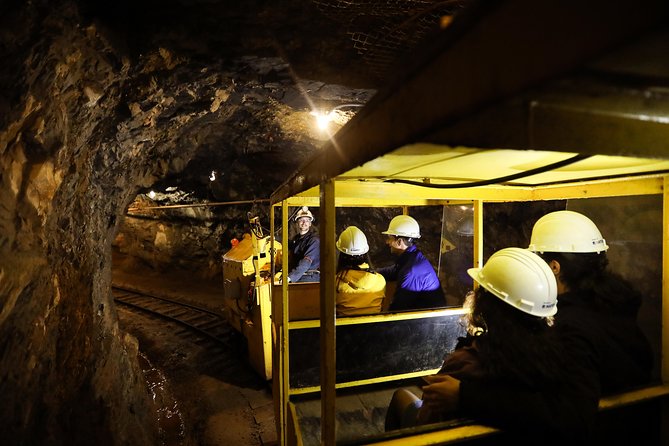
The most memorable part of Britannia Mine Museum is the underground train ride into a former copper mine. You roll through a real mining tunnel while your guide explains the work, tools, machinery, and hard daily life that once defined this company town. Back above ground, the BOOM! presentation turns the old mill into a dramatic lesson in copper processing.
I like the mix of hands-on fun and serious history, especially the gold-panning station and interactive displays. I also like that your timed ticket combines a guided tour with plenty of time to explore at your own pace. The main consideration is that the underground tour requires climbing 48 stairs, and the mine section can feel cold and wet.
Key points to know before you go
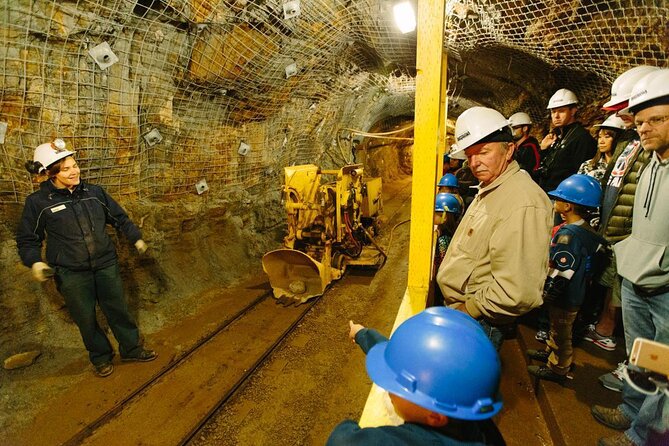
- The underground train is the centerpiece: Ride into a historic tunnel and hear how mining changed over time.
- BOOM! is the big finale: A live-action, multi-sensory presentation brings the old Mill No. 3 back to life.
- Gold panning is included: You can keep whatever small finds you uncover at the panning station.
- Plan on two to three hours: The guided section lasts about 45 minutes, but the museum rewards a slower visit.
- Book a timed entry: Morning and afternoon times help you fit the stop into a Sea to Sky Highway drive.
- Expect stairs and cool conditions underground: The train tour requires 48 stairs, so plan accordingly.
Why this old copper mine is worth a stop
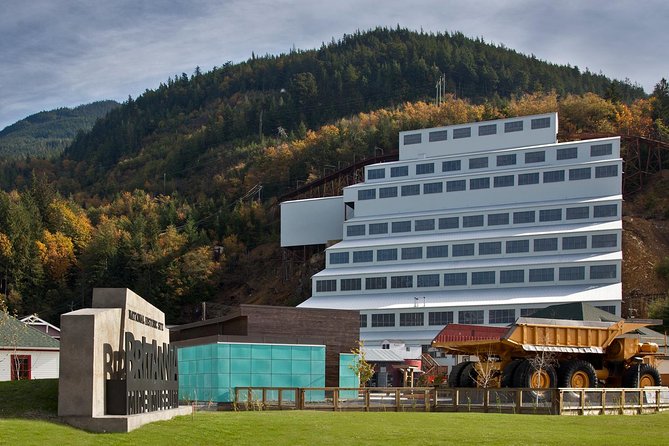
Britannia Mine Museum sits along Highway 99 between Vancouver and Squamish, making it a natural stop on the Sea to Sky corridor. You can reach it as part of a drive toward Squamish or Whistler, or make it a dedicated outing from the Vancouver area. The setting gives you panoramic mountain views before you even enter the exhibits.
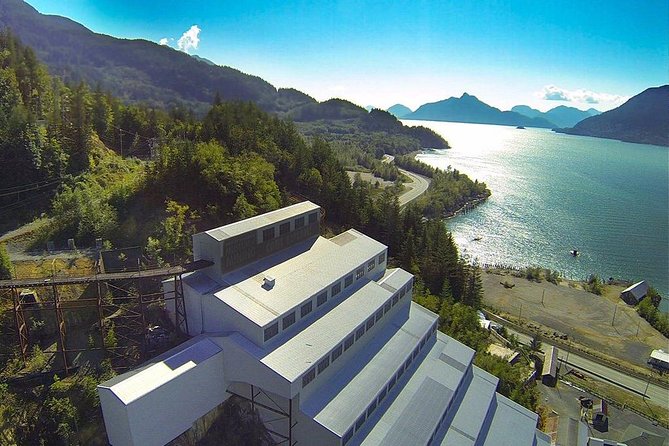
This was once one of the largest copper mines in the British Empire. The museum now occupies the site of the former operation, including the huge Mill No. 3 building. That location matters. You are not looking at a collection assembled somewhere else. You are walking through the place where the work happened.
I find the museum most useful for showing mining as a human story, not just an industrial process. The displays explain minerals and copper extraction, but they also show what work and family life were like in the old mining settlement. The stories about miners’ wages, conditions, and daily routines give the machinery a human scale.
The experience works well for families because children can do more than read panels. They can ride the train, handle interactive displays, watch the mill presentation, and pan for gold. Adults get enough historical and technical material to keep the visit worthwhile, though specialists may want more detail than the standard tour provides.
More museums and galleries in Canada:
- Toronto: Royal Ontario Museum Admission Ticket
★ 4.6 · 1,237 reviews - Royal Ontario Museum Admission
★ 4.5 · 411 reviews - Toronto: Art Gallery of Ontario General Admission Ticket
★ 4.6 · 251 reviews
Start with exhibits, minerals, and the old mining town
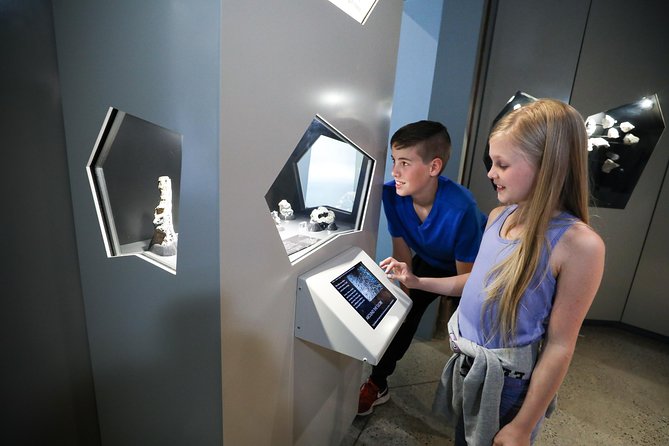
Your admission gives you access to the museum’s interactive exhibits and mineral gallery. These displays help you understand the basic story before the guided portion begins. If you arrive 15 minutes before your entry time, use that margin to check in and look around rather than rushing straight to the meeting point.
The exhibits cover minerals, mining equipment, copper extraction, and life at Britannia. Films and displays add context to the underground ride, since the tunnel itself cannot explain every stage of the operation. I suggest taking a little time here at the start, even if you are eager to board the train.
The mineral gallery should appeal to anyone who likes rocks, geology, or natural science. Younger children may move through it quickly, but the hands-on elements help keep them involved. The museum’s strength is the combination: you see the materials, hear the story, and then enter the physical workings of the mine.
The site also offers a chance to understand how a mining settlement functioned. The focus is not only on ore and machinery. It includes the people who worked underground and the difficult conditions they faced to earn a living. That social side gives the visit more weight than a simple equipment display.
Ride the underground train through a former tunnel
The 45-minute guided underground tour begins with the mine train. The ride takes you into a historic tunnel, where your guide explains the mine’s past and demonstrates how the operation developed. It is a compact tour, but it gives you the unusual sensation of entering the working world rather than viewing it from behind glass.
The guides make a major difference here. Spencer has been praised for making the mine feel alive and keeping the presentation interactive. Chris is known for a friendly, professional style, while Max combines humor with clear explanations. Anna and Glen have also led lively tours, and Tessa has been especially effective at describing the miners’ era in a dramatic, easy-to-follow way.
The tone is educational without being stiff. You will hear about equipment, tunnels, the mining process, and the town’s past. You also get a better idea of how the copper operation evolved instead of seeing one frozen moment in time.
The mine section is not a long expedition underground. Some people may wish for more time inside the tunnels or more access to different levels. One technically trained visitor also wanted more detail about mining methods, mineral formation, and the processing of minerals such as sphalerite and galena. The standard tour is aimed at a broad audience, so experts may find it introductory.
You need to climb 48 stairs to reach the underground train tour. Most people can participate, but this is important if stairs are difficult for you or a member of your group. Service animals are allowed, and the museum is near public transportation, though transportation from Vancouver is not part of the admission.
The mine can be cool and damp, especially on a wet day. I would wear practical shoes and bring a light extra layer. You do not need to treat it like a serious hike, but this is still a working historic tunnel, not a polished indoor theater.
See copper processing come alive in BOOM!
After the mine tour, make time for BOOM! inside the historic Mill No. 3 building. This live-action, multi-sensory presentation explains how the mill processed copper, using sound, movement, lighting, and demonstrations to show how the gravity-fed system worked.
BOOM! is often the surprise highlight. The old mill can seem imposing and complicated at first, but the presentation gives you a clear sense of how ore moved through the building and how the extraction process worked. The machinery and structure become part of the show rather than background scenery.
I especially like this part for families and first-time museum visitors because it communicates through action. You do not need a technical background to follow the basic process. The presentation also gives the visit a strong finish after the quieter explanations inside the mine.
The historic mill is one of the last remaining gravity-fed mills in North America, according to the museum’s description. That makes the building itself worth attention. Look up, look across the working levels, and notice how much of the story is built into the structure.
Access to the mill’s different levels may be limited, and the standard visit does not offer a complete look at every part of the building. Still, the main presentation covers the essential process and gives you a memorable picture of industrial mining.
If you have limited time, do not skip BOOM! in favor of rushing through every display. A power failure once interrupted part of one visit, but the mine train continued on a backup generator and the presentation resumed before the group finished. That situation is unusual, but it shows why it is wise to allow enough time instead of scheduling the museum down to the minute.
A few more Canada half-days to weigh up
- Whistler, Sea to Sky Gondola, and Shannon Falls Day Trip
★ 4.8 · 1,134 reviews - Wet and Wild Elaho Exhilarator Rafting
★ 5.0 · 625 reviews - Squamish: Sea to Sky Gondola Admission Ticket
★ 4.8 · 432 reviews - Sea to Sky Gondola Ticket
★ 4.5 · 388 reviews
Pan for gold and let children take the lead
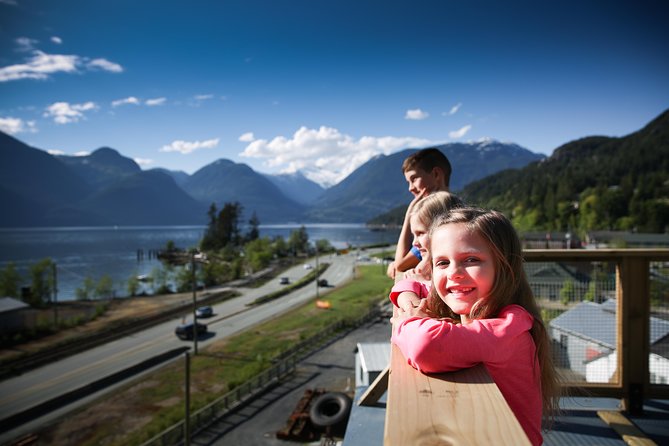
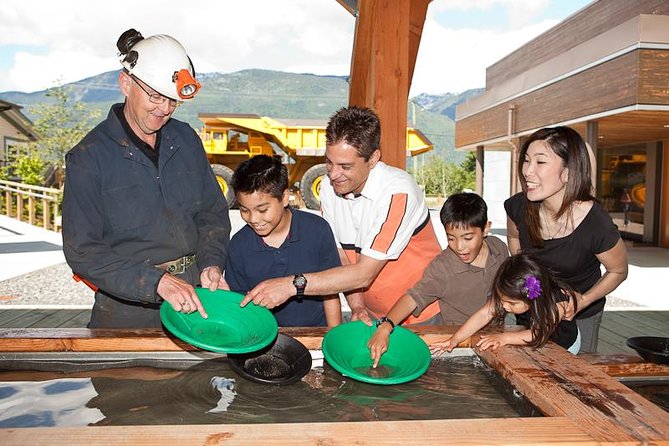
The Gold Panning Pavilion adds a simple, hands-on activity to a visit that could otherwise feel heavy on machinery and historical explanation. You can pan for gold and keep what you find. The activity is easy to understand, but it gives children a reason to slow down and pay attention.
Gold panning also connects the museum’s industrial story to the basic search for valuable minerals. You are not simply told that people once worked with ore. You get to handle material yourself and see how patience and technique affect the result.
Do not expect the gold-panning station to turn your admission into a prospecting expedition. The value is in the activity, not in the size of the find. It works best as a relaxed break between the mine tour and the mill presentation.
For families, this is one of the museum’s strongest features. Kids can take part without needing to read long explanations, and adults can join in without feeling that the activity is only for children. It also helps spread the visit across several different kinds of experiences.
How much time should you allow?
The guided tour lasts about 45 minutes, but the full visit can take from one to three hours. I would allow at least two hours if you want to see the exhibits, ride the train, watch BOOM!, and pan for gold without hurrying.
Three hours makes sense if you enjoy museum displays, want to read the historical material, or are visiting with children. Families often need extra time for the panning station and hands-on exhibits. One hour is possible if you focus on the scheduled tour and main presentation, but it will feel rushed.
Your entry time is timed, with morning and afternoon options. Arrive 15 minutes early. A late arrival may create problems, even though staff have sometimes helped visitors move to a later tour when space was available.
The museum works well as a stop on the way to Whistler, but do not squeeze it between tight reservations. Highway 99 scenery can slow your drive, and the museum itself offers more than the advertised guided section. If you are making the trip from farther away, the site is better as part of a full day than as a quick detour.
Is the $32.26 admission good value?
At $32.26 per person, admission is reasonable if you use the whole site. You are not paying only for a short mine ride. The price includes the guided underground tour, BOOM!, gold panning, interactive displays, the mineral gallery, and panoramic views.
The value depends on your pace. If you arrive, take the train, and leave after the main tour, the cost may feel higher than expected for a 45-minute guided section. If you stay two or three hours and take part in the exhibits and panning, the admission makes more sense.
I would compare it with the cost of other paid stops along the Vancouver to Whistler route, but the museum offers something distinctive. You get access to a National Historic Site and a surviving industrial building, not a generic themed attraction.
The guided storytelling is another part of the value. Guides such as Spencer, Tessa, Chris, Max, Anna, and Glen have brought humor, drama, and practical explanations to the tour. Individual delivery can vary, and one visitor found a strong accent difficult to understand at times. Overall, the guide-led format adds much more than a simple audio walk.
Who will enjoy Britannia Mine Museum most?
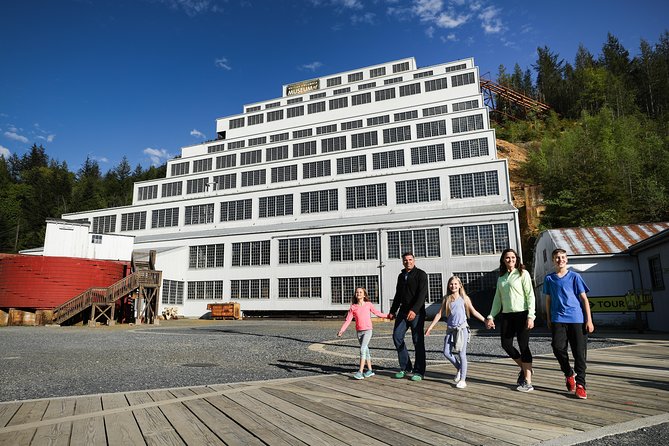
This is a strong choice for families with school-age children, couples looking for an unusual stop, and adults interested in Canadian industrial history. It also suits local residents who have driven past the site many times but never stopped. The museum gives you a clear reason to leave the highway for a few hours.
You do not need to know anything about geology or mining before you arrive. The main explanations are designed for general audiences, and the live demonstrations help make the process clear. Children who enjoy trains, machinery, or hands-on activities should have plenty to keep them busy.
The museum is less ideal if you want a long, technically detailed study of mining engineering. The standard tour gives a broad explanation of equipment and copper processing, but it will not cover every mining method or the full mineral geology of the deposit.
It is also worth thinking about comfort. The underground train requires 48 stairs, and the tunnel may be cold and wet. Check the current tour hours before setting out, then book your preferred time in advance, since availability is not guaranteed at the door.
Booking, timing, and cancellation details
General admission is offered in English and includes a timed entry. Reservations can be made online up to 12 hours before a tour time, and confirmation normally arrives when you book unless you reserve within one hour of departure.
Free cancellation is available until 24 hours before the experience begins. Cancellations or changes made less than 24 hours ahead are not accepted for a refund. The cut-off uses local time.
Food and drinks are not included, and neither is hotel pickup or transportation from Vancouver. You will need to arrange your own way to the museum. It is near public transportation, but the experience itself does not provide a transfer.
Should you book the Britannia Mine Museum?
I would book it if you are driving the Sea to Sky corridor and want a stop with real local character, especially if you are traveling with children. The underground train, BOOM! presentation, and gold panning give the visit variety, while the old mill and mining stories provide substance.
Book ahead and choose a time that leaves room for at least two hours on site. Wear shoes suited to stairs and a cool tunnel, and do not skip the mill presentation just because the mine train is the part you anticipated most.
I would pass only if stairs are a serious concern, if you need a highly technical mining tour, or if your schedule allows no margin. For most people heading between Vancouver, Squamish, and Whistler, this is an informative and entertaining stop that earns its place on the route.
FAQ
How long does the Britannia Mine Museum visit take?
The visit can take from one to three hours. The guided underground tour lasts about 45 minutes, but you should allow at least two hours to include the exhibits, BOOM!, and gold panning.
What is included in general admission?
Admission includes the BOOM! live-action mill presentation, the guided underground mine tour, gold panning, interactive exhibits, the mineral gallery, and panoramic views.
Do I need to book a time in advance?
Yes. Entry is timed, and the museum recommends booking ahead because availability is not guaranteed without an advance reservation. You should arrive 15 minutes before your chosen time.
Is the tour offered in English?
Yes. The experience is offered in English.
Are there stairs on the underground tour?
Yes. You must climb 48 stairs to access the underground train tour.
Can I keep the gold I find?
Yes. Gold panning is included, and you can keep whatever you find at the panning station.
What happens if I need to cancel?
You can cancel up to 24 hours before the experience start time for a full refund. Cancellations and changes made less than 24 hours before the start time are not accepted for a refund.
Just added around Canada
- Flying Dress Photoshoot Experience in Ottawa★ 5.0 · 11 reviews
- Full-Day Montreal City Tour from Ottawa and optional city cruise★ 4.5 · 7 reviews
- Ottawa Valley Haunted Tour – Night Trip From Ottawa★ 4.5 · 5 reviews
- Cycling Ottawa’s 200th Anniversary, self-guided★ 5.0 · 45 reviews
- Ottawa Premium Night Driving Tour with River Cruise★ 4.5 · 25 reviews
- Ottawa Small Group Walking Tour with Cruise and Art Gallery★ 3.5 · 21 reviews
- Guided ByWard Market Food Tour★ 5.0 · 21 reviews
- Best of Ottawa Neighbourhoods & Nature Bike Tour★ 5.0 · 34 reviews
Squamish Tours, compared.
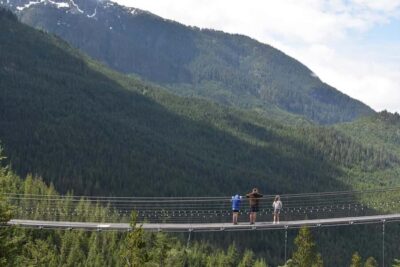
Whistler, Sea to Sky Gondola, and Shannon Falls Day Trip
Read our review →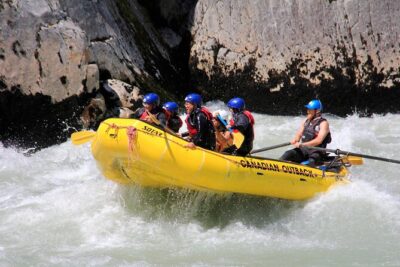
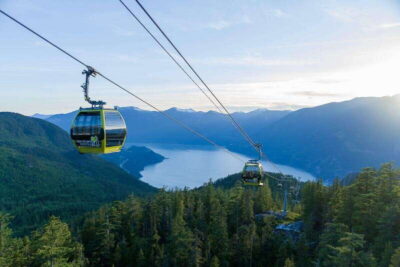
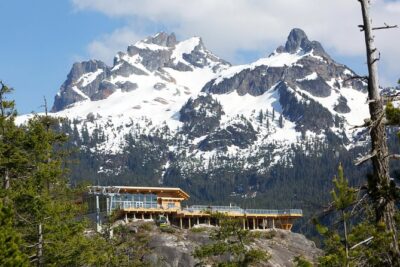

Vancouver/Squamish: Garibaldi Park Panorama Ridge Hike
Read our review →Browse the lists this tour appears in