
Review · BANFF
Banff: Guided Sunset and Stargazing Tour
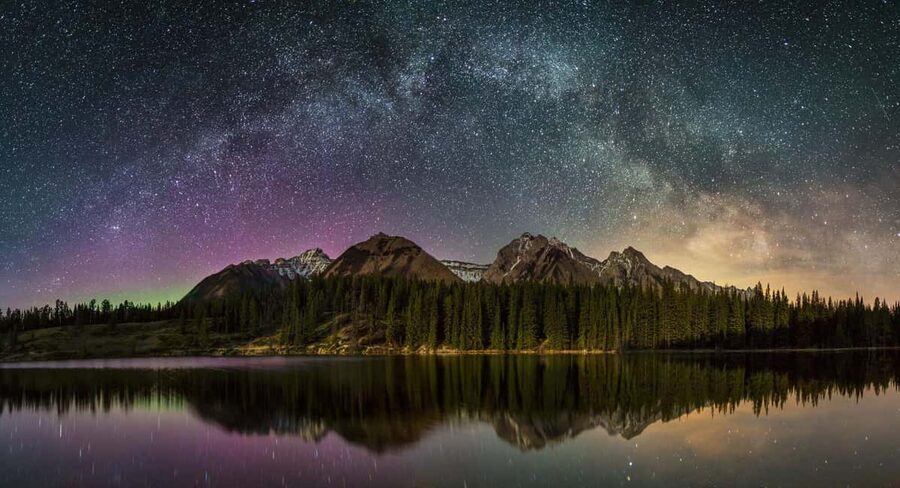
Banff looks different after sunset. On this two-hour walk, you leave the daytime crowds behind, follow quiet trails with a headlamp, and watch the sky change from mountain sunset to stars. Guides such as Jacob, Ben, Ewan, Isla, and Kale mix astronomy with local stories and wildlife advice.
I like the easy, mostly flat route, which makes a 5-kilometre outing manageable for many people who are not serious hikers. I also like the practical help with night photography, including phone settings that have helped people capture stars and even faint northern lights. The main catch is simple: the sky controls the show. Clouds, smoke, and moonlight can limit what you see, and heavy cloud can cancel the tour.
Key points to know
- The walk covers about 5 kilometres: Much of the route is paved, with boardwalk and dirt sections, and reviewers describe it as mostly flat.
- The timing changes by season: The departure is set around sunset, and you receive the updated time 12 to 24 hours before leaving.
- The guide is central to the experience: Guides explain constellations, Banff’s mountain setting, local wildlife, and safe night walking.
- Clear skies are not guaranteed: Clouds, wildfire smoke, and a bright moon can reduce stargazing, though the walk and storytelling still continue when conditions allow.
- Safety equipment is included: Guides carry bear spray and other safety gear, while headlamps and ice cleats are supplied as needed.
- You meet at Cave and Basin: The starting point is outside the Welcome Building at the free parking lot, with no hotel pickup or drop-off.
From Cave and Basin to Banff after dark
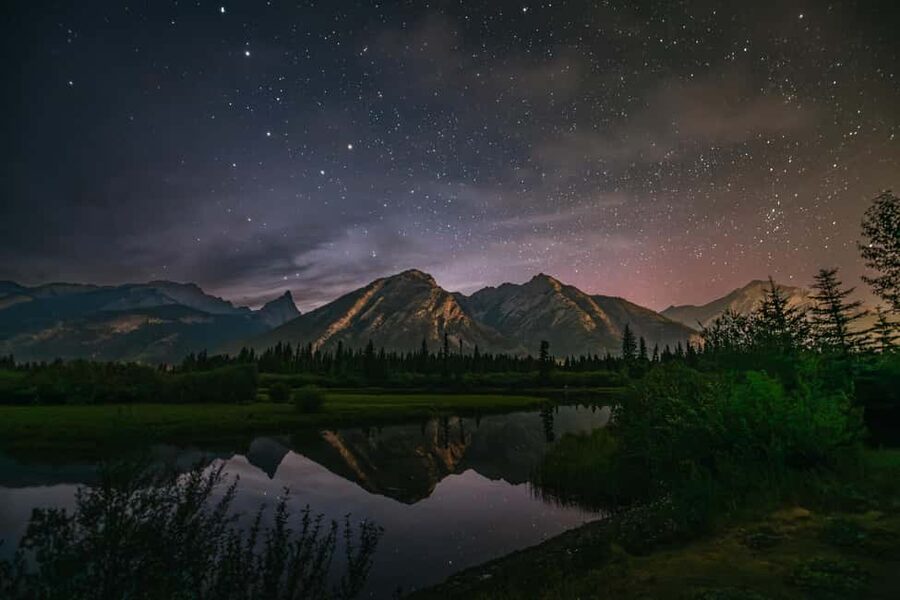
The meeting point is outside the Welcome Building at the Cave and Basin National Historic Site parking lot, at 309 Cave Ave. This is a useful setup if you have a rental car, since the lot offers free parking. You need to show your voucher to the guide, who will be holding a clipboard.
There is no hotel pickup or return transport included, so plan your own way to and from the site. The tour returns to the same place. That sounds minor, but it matters in winter, when you will want to know exactly how you are getting back into Banff after a cold evening outside.
The start time is not fixed year-round. The tour leaves just after sunset, so the company contacts you 12 to 24 hours before departure with the current time. Keep your afternoon and evening flexible, especially if you are planning dinner or another timed activity.
The group then sets off along local trails near Banff. You are not being taken deep into the backcountry for a demanding hike. The route covers around 5 kilometres, with paved sections, boardwalks, and dirt paths. Several people describe it as easy, mostly flat, and suitable for anyone comfortable walking that distance.
More evenings out in Banff:
- Banff: Evening Wildlife Safari Guided Tour
★ 3.9 · 465 reviews - Moraine Lake & Louise – Morning or Sunset Tour from Banff/Canmore
★ 5.0 · 194 reviews - Moraine Lake & Lake Louise Sunset & Wildlife Adventure
★ 5.0 · 97 reviews
Watching the last light fade over the mountains
The first part of the outing is a sunset walk. This gives you more than a quick look at the night sky. You see the mountains and forest in daylight, then watch the colour and detail fade as evening takes over.
That change is one of the best reasons to book this experience instead of simply driving to a viewpoint and waiting for stars. You get a gradual shift in mood. The guide can point out local features, explain parts of the Banff area, and keep the walk moving while the light changes.
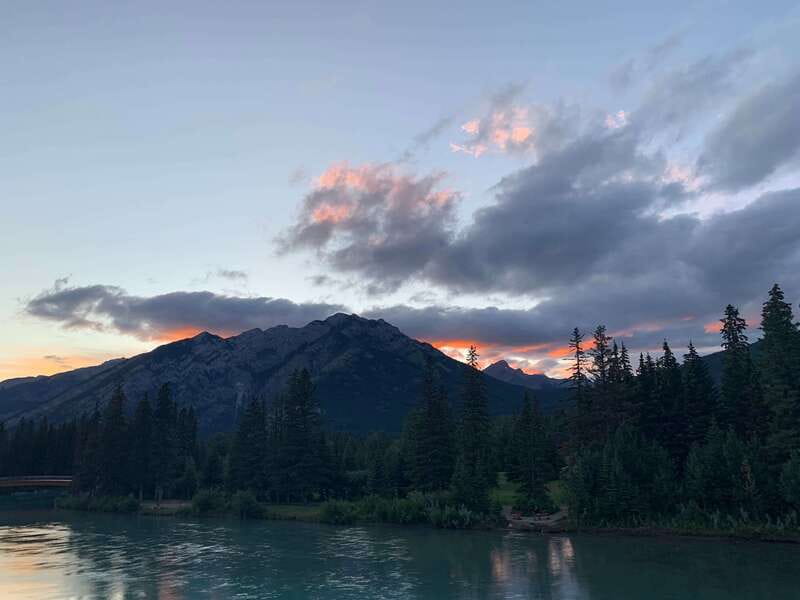
The exact sunset view depends on the trail and weather, but the route includes scenic views along the way. Some outings have included views across water, mountain scenery, and blue twilight reflected in the surroundings. Even when clouds reduce the stars, that early evening section can still be worthwhile.
You should not expect a long stop at a single grand lookout with a formal astronomy setup. This is a walking tour, and the scenery arrives in stages. Ben, Jacob, Ewan, Isla, Kale, and other guides have been praised for mixing facts, jokes, local stories, and questions from the group. That personal explanation gives the walk its value.
Using headlamps as the forest turns dark
Once daylight disappears, the provided headlamps become important. Lanterns and headlamps help you follow the trail, but they also change how you experience the woods. Sounds feel closer, familiar paths seem less ordinary, and you begin paying attention to the small details around you.
The guides carry bear spray and other safety equipment. They also watch for wildlife and explain how to behave in the forest at night. This does not turn the tour into a wildlife safari, and you should not book it expecting guaranteed animal sightings. The aim is to notice the nocturnal world while walking safely through it.
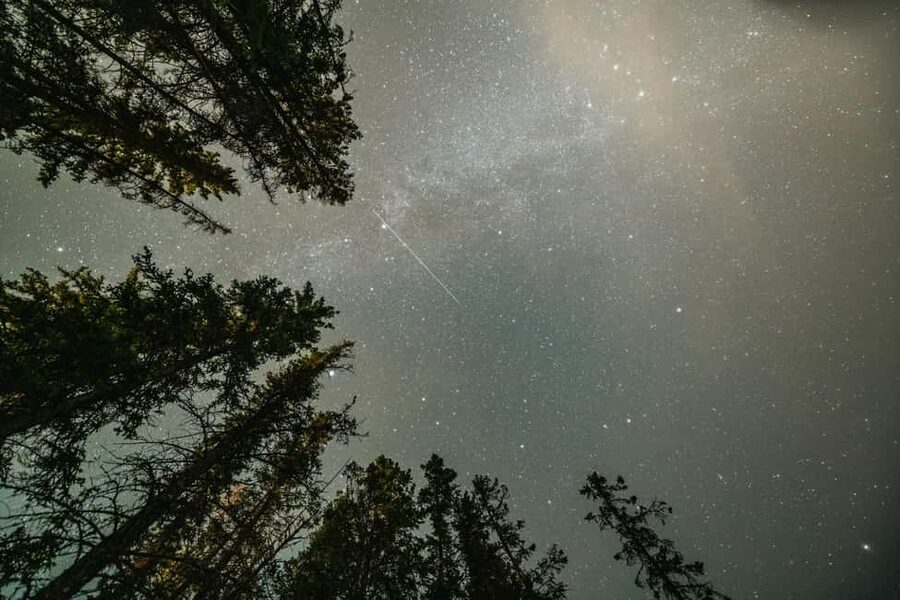
A coyote has been spotted on one outing, while other evenings have brought sightings of satellites, a golden eagle, shooting stars, and a meteor. These are bonuses, not promises. You may see nothing larger than a shadow between the trees, but the possibility adds a little tension to the walk.
The company does not allow pets, alcohol, or drugs on the tour. Wear proper hiking shoes, even though the route is not described as steep or technical. In summer, bring mosquito protection. Several outings had biting insects, especially early in the walk, and one guide supplied bug spray.
Learning constellations instead of just looking up
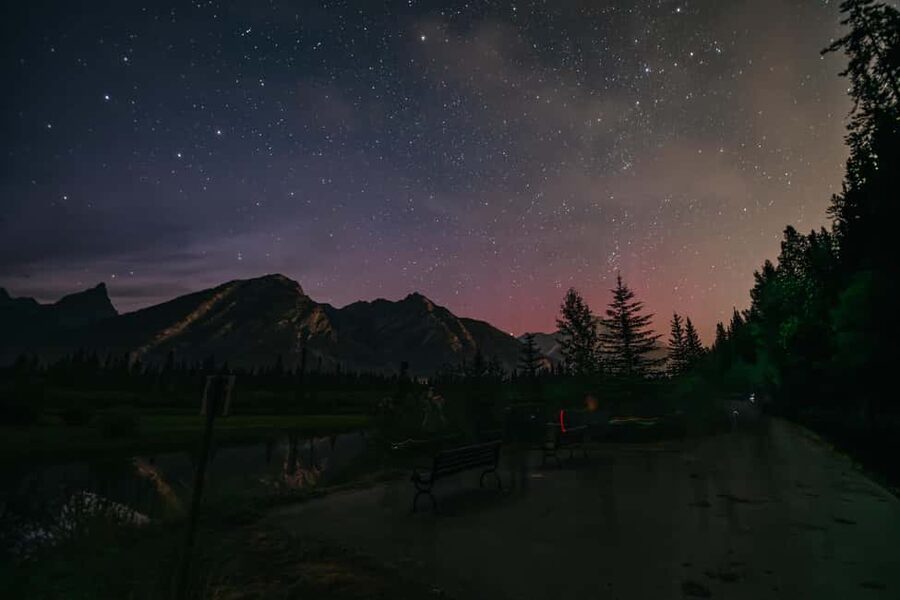
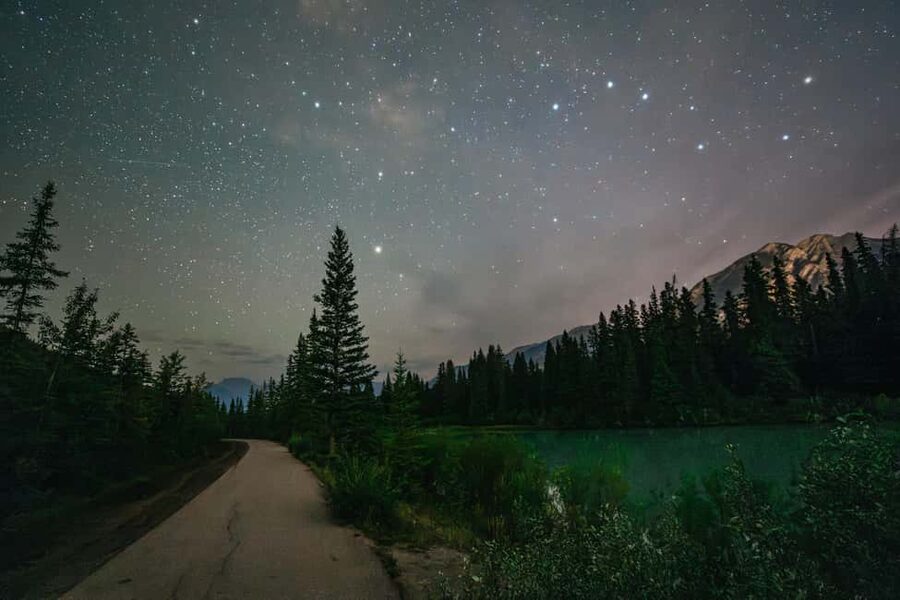
The stargazing section works best when your guide has a clear sky to work with. Rather than leaving you to identify random points of light, the guide points out constellations and explains what you are seeing. You may also hear stories tied to the stars, along with information about the surrounding mountains and Banff’s wilderness.
This is where the guide’s personality matters most. Jacob has been praised for stories and jokes, while Ben has helped people use iPhone night mode and take long-exposure photographs. Ewan has assisted with camera settings, and Isla has been described as friendly and careful with the group.
You do not need a telescope or prior astronomy knowledge. The tour is built around looking up with the naked eye and understanding the sky in front of you. A guide can also help you get more from a phone camera, which is useful because modern phones often produce better night images when the settings are used correctly.
Still, keep your expectations sensible. A bright or almost full moon can wash out fainter stars. Smoke from forest fires can also reduce visibility. One evening with cloud and moonlight still produced some visible constellations, while another group waited through overcast conditions until the sky cleared later.
The company does not operate in heavy cloud cover. If conditions are poor, the guide contacts you 12 to 24 hours beforehand and issues a refund. That policy protects you from spending two hours outdoors under a blank sky, but it also means weather can change your plans at short notice.
More Banff and Bow Valley days:
- Banff: Banff Gondola Admission Ticket
★ 4.7 · 3,698 reviews - Lake Louise, Moraine Lake, Banff Tour from Calgary/Canmore/Banff
★ 5.0 · 2,792 reviews - Banff Gondola Ride Admission
★ 4.5 · 2,688 reviews - Columbia Icefield Tour with Glacier Skywalk
★ 4.5 · 1,860 reviews
Northern lights, shooting stars, and the limits of luck
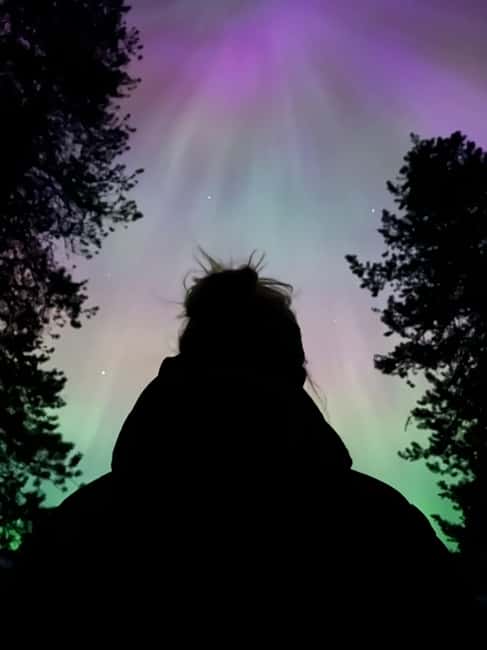
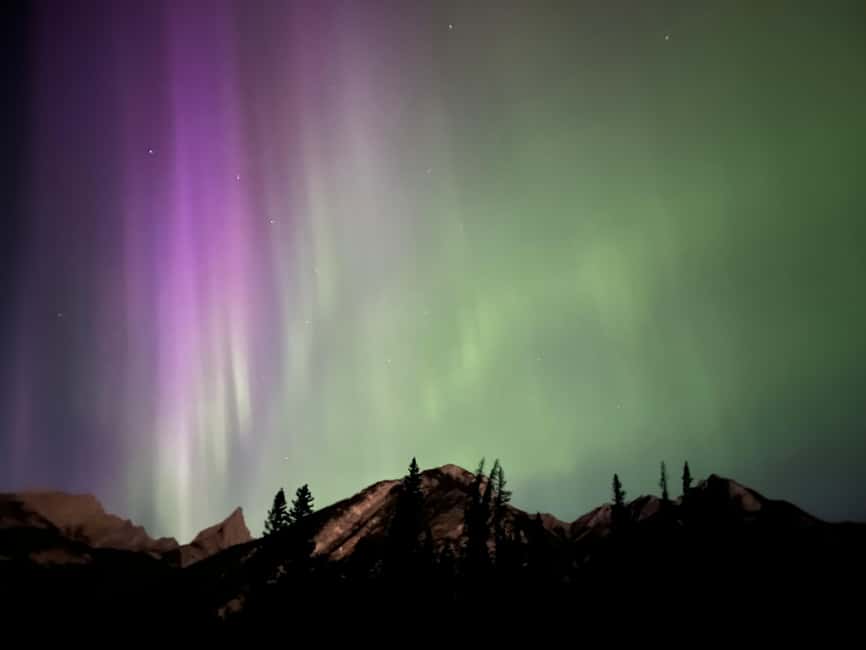
The Northern Lights are one of the tour’s biggest draws, but they are not a scheduled part of every departure. The same is true of shooting stars, comets, meteors, and the Milky Way. When the conditions line up, the result can be memorable. One spring outing included northern lights, and an early summer walk produced a comet.
The tour’s real strength is that it gives you a better chance of noticing these things than you would have on your own. The guide knows what to watch, can explain where to look, and may help with camera settings. If the sky opens after clouds pass, you are already in position.
I would choose a night with a small moon if stargazing is your main goal, though the booking information does not promise moon-phase planning. A full moon can make the walk feel less dark and may help with general visibility, but it reduces the contrast of faint stars.
Smoke is another factor to check before you book. A hazy sky can still produce attractive sunset colours, but it may weaken the stars and northern lights. If your schedule allows, avoid making this your only chance to see the night sky.
How hard is the 5-kilometre walk?
The route is described as roughly 5 kilometres, or about 3.5 miles. Many people have found it easy because much of it uses paved paths and boardwalks, with no steep inclines reported in the supplied details.
That does not make it suitable for everyone. The activity is not recommended for children under eight, pregnant women, people with mobility impairments, those with pre-existing medical conditions, or anyone recovering from recent surgery. The walk happens outdoors after dark, so you should be comfortable moving for two hours in changing temperatures.
Bring hiking shoes. In winter or icy conditions, ice cleats are provided when required. You should also dress for the season, though the supplied information does not specify a clothing list. A night walk can feel colder than a daytime stroll, particularly when you stop to look at the stars.
The guide normally keeps the group together and checks on people along the way. One guide slowed down when a participant was struggling, which is the kind of small adjustment that can make a group outing much more pleasant. Even so, tell the guide early if you need a slower pace or a short pause.
Is $66 a fair price?
At $66 per person, this is not the cheapest way to spend an evening in Banff, but the price is reasonable if you want structure, safety, and interpretation. You are paying for a professional guide, two hours of planning and storytelling, headlamps, and ice cleats when needed.
You could walk a public trail at sunset for free, then look at the stars on your own. The difference is that you would need to choose a suitable route, carry your own light, understand local wildlife precautions, and know what you are looking at overhead. The guide brings those pieces together.
The value is strongest for first-time visitors, solo visitors, and anyone uneasy about walking in a forest after dark. One solo participant found the small group made the experience feel personal and inclusive. A small group can also mean more time for questions and photography.
Group size can vary. Some departures have been intimate, while a rescheduled evening after bad weather was much larger. If you prefer a quiet, personal outing, understand that the group will not always be tiny.
Food and drink are not included. Bring anything you need before meeting the guide, but alcohol is not allowed. The two-hour length also makes this easy to fit around a Banff dinner, provided you wait for the confirmed seasonal start time.
Choosing the best season for your evening
The tour runs year-round, and each season changes the balance between sunset, comfort, darkness, and star visibility.
In summer, sunset comes late, so the departure may be later in the evening. You can get mild conditions and long twilight, but mosquitoes may be an issue. The route and night sky can still be excellent, and several summer outings included easy walking and strong star displays.
Autumn brings earlier darkness and crisp evening conditions. It can be a good time for a night walk, though weather may be less predictable. Northern lights appeared on one October outing, but you should treat that as luck rather than a seasonal guarantee.
Winter adds cold and possible ice, yet the long nights give you more darkness for stargazing. Ice cleats are supplied when necessary, and guides continue to lead the walk with safety equipment. Bring footwear and clothing suited to winter conditions.
Spring can offer a mix of snow, cloud, and clear nights. One April group saw northern lights, while other outings had cloud or moonlight. The company’s weather cancellation policy is especially useful at this time of year.
Who will get the most from this Banff night walk?
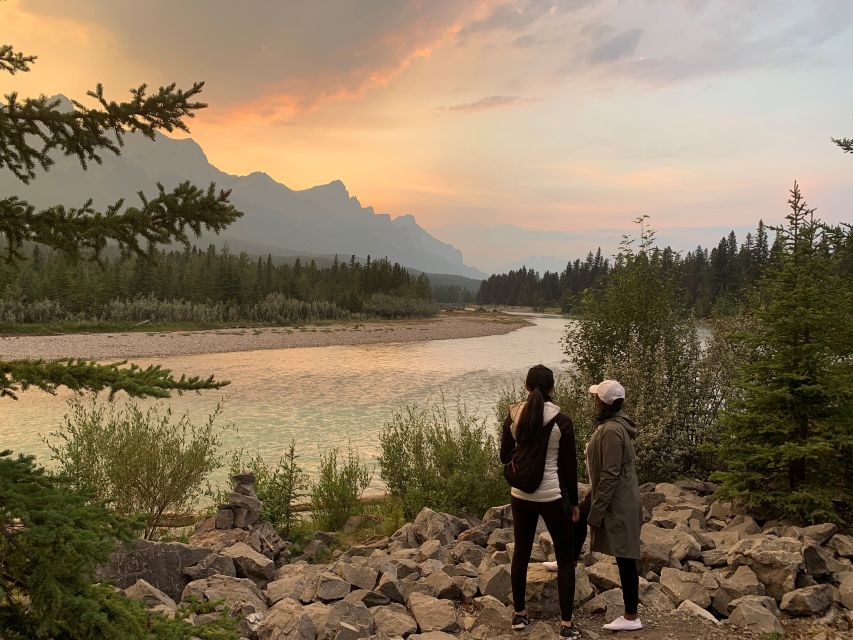
I recommend this experience if you want an easy outdoor activity with a strong guide-led element. It suits couples, friends, solo visitors, and families with children aged eight and older who can manage the distance.
It is also a good choice if you want to photograph the sky but do not know how to set up your phone. Guides have helped people use iPhone night mode and long exposure settings, and some visitors captured stars, the Milky Way, or faint northern lights.
You should think twice if you need hotel transportation, dislike uncertain weather, or want guaranteed aurora viewing. This is not an observatory visit, a wildlife tour with promised sightings, or a strenuous mountain hike. It is a gentle evening walk where the quality of the sky shapes the final result.
The rating is 4.9 from 262 reviews, and the repeated praise centres on guide quality, safety, humour, easy walking, and clear explanations. Those are the parts you can reasonably expect from the format. The stars themselves remain beyond anyone’s control.
Should you book the Cave and Basin stargazing tour?
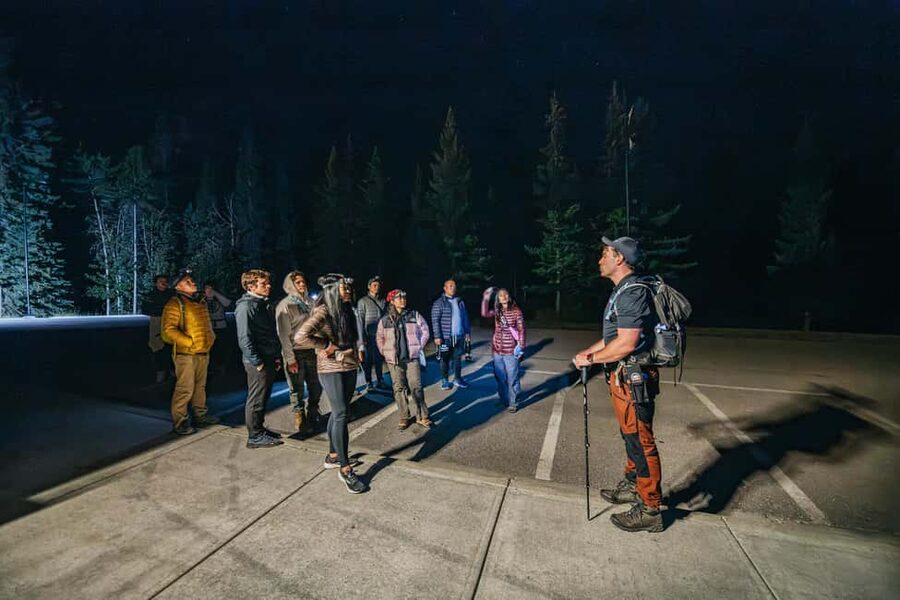
Book it if you want to experience Banff after dark with someone who can explain the stars, keep the group safe, and help you make better night photographs. The route is manageable, the meeting point is clear, and $66 is fair for a guided two-hour outing with equipment included.
Before booking, check the weather forecast and keep your evening flexible. If you are hoping for the Northern Lights, plan this as one chance among several rather than a sure thing. For most visitors, the sunset walk, quiet forest, guide stories, and changing sky are enough to make the evening worthwhile even when the clouds have the final word.
FAQ
Where does the Banff sunset and stargazing tour start?
It starts outside the Welcome Building at the Cave and Basin National Historic Site parking lot, at 309 Cave Ave in Banff.
Is parking available at the meeting point?
Yes. The Cave and Basin parking lot is large and offers free parking.
Where does the tour finish?
The walk returns to the starting point at 309 Cave Ave.
How long is the tour?
The activity lasts two hours.
How far do you walk?
The trail distance is about 5 kilometres, or approximately 3.5 miles.
What time does the tour depart?
The departure is set just after sunset and changes by season. You receive the updated departure time 12 to 24 hours before the tour.
What equipment is included?
A professional guide, headlamps, and ice cleats when required are included.
Should I bring hiking shoes?
Yes. Hiking shoes are listed as an item to bring.
What happens if the weather is cloudy?
The tour will not operate in heavy cloud cover. If that happens, the guide contacts you 12 to 24 hours before departure and issues a refund.
Is the tour suitable for children and people with mobility issues?
Children under eight are not permitted. The tour is also not suitable for pregnant women, people with mobility impairments, people with pre-existing medical conditions, or people with recent surgeries.
Just added around Banff
- Jasper to Banff One-Way Tour★ 5.0 · 76 reviews
- Sunset at Moraine Lake & Stargazing Tour from Canmore/Banff★ 5.0 · 95 reviews
- 2 Day Banff Lake Louise Johnston Canyon Gondola Cave Basin tour★ 4.5 · 8 reviews
- Banff/Canmore Moraine Lake & Lake Louise– Hike, Canoe or Sightsee★ 5.0 · 104 reviews
- Full Day Private Tour Banff/Yoho Customized Sightseeing★ 4.5 · 31 reviews
- Shared Tour: Lake Louise & Emerald Lake from Canmore/Banff★ 4.5 · 5 reviews
- Sunrise at Moraine Lake & Lake Louise from Calgary/Canmore/Banff★ 4.5 · 13 reviews
- Moraine Lake and Lake Louise day Tour from Canmore and Banff★ 5.0 · 9 reviews
Banff Tours, compared.
Lake Louise, Moraine Lake, Banff Tour from Calgary/Canmore/Banff
Read our review →
Emerald Lake, Moraine, Louise, Johnston Canyon & Banff Town
Read our review →
Lakes Moraine, Louise, Emerald, Johnston Canyon & Yoho Tour
Read our review →
Lake Louise, Moraine Lake and the Icefields Parkway Full-Day Tour
Read our review →
Lake Louise, Moraine, Emerald Lake & Johnston Canyon
Read our review →
Browse the lists this tour appears in