
Review · MONTREAL
Montreal: 2-Hour Private Complete Hidden City Experience
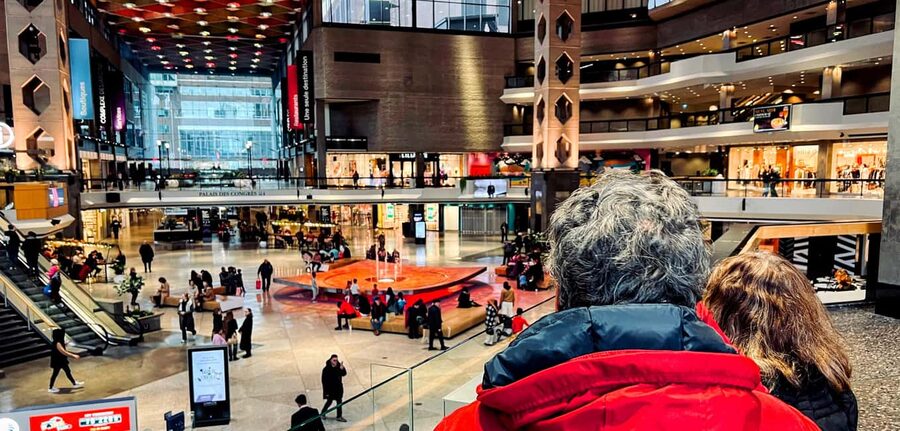
Montreal’s RÉSO is not simply a long tunnel beneath the streets. It is a second downtown, linking offices, hotels, shops, restaurants, cultural sites, and transit stations through an urban maze. This private 2-hour walk with Gustavo Trindade helps you understand how the network grew and why Montrealers use it as part of ordinary city life.
I especially like the private format, which gives Gustavo room to adjust the pace and answer your questions. I also like the mix of practical city design, art, shopping galleries, and major downtown landmarks. The main drawback is that this is a walking tour through connected indoor spaces, not a traditional sightseeing route with long stops at each landmark. It is also not suitable for wheelchair users or people with mobility impairments.
Key points about Montreal’s underground city
- A private look at RÉSO: Explore the underground network with your own group rather than following a large crowd.
- More than winter shelter: Learn how offices, hotels, restaurants, shops, cultural spaces, and public transport fit into the system.
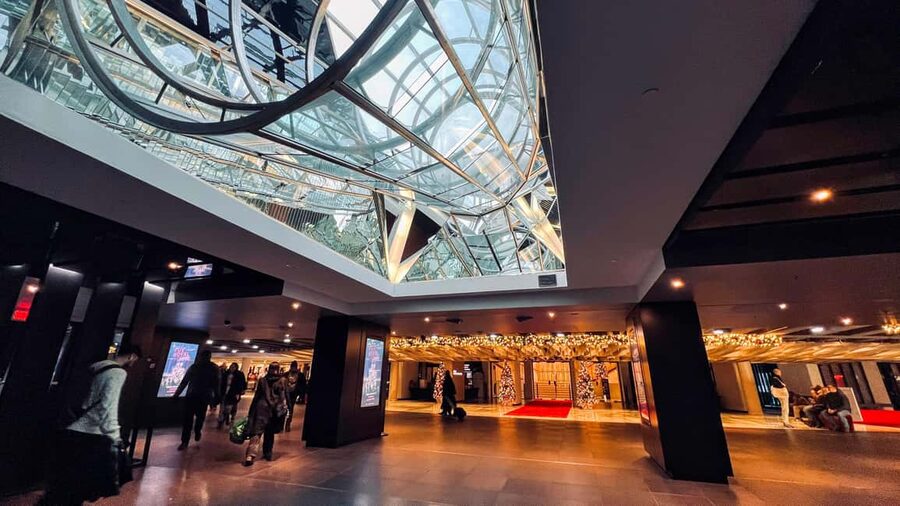
- A landmark-filled route: Pass Place Ville Marie, Gare Centrale, Place Bonaventure, the Palais des Congrès, Place des Arts, and more.
- A useful rainy-day plan: Much of the experience takes place indoors, making it a practical choice when Montreal weather turns wet or cold.
- A flexible guide experience: Gustavo is described as friendly, engaging, and willing to adjust the walk to your interests or help with family photos.
- A two-hour introduction: You will see a broad section of RÉSO, but the tour is an overview rather than a full exploration of every passage.
Why Montreal’s RÉSO is worth seeing
The best reason to take this tour is that RÉSO explains something you may otherwise miss. Montreal’s downtown streets show the city above ground, but the underground network reveals how Montreal handles winter, high-density development, commuting, shopping, and public life.
RÉSO is commonly called Montreal’s underground city. That name can sound grander than the experience at first. You are not entering one enormous cavern. Instead, you move through a linked series of passageways, shopping areas, office complexes, hotels, stations, and public spaces.
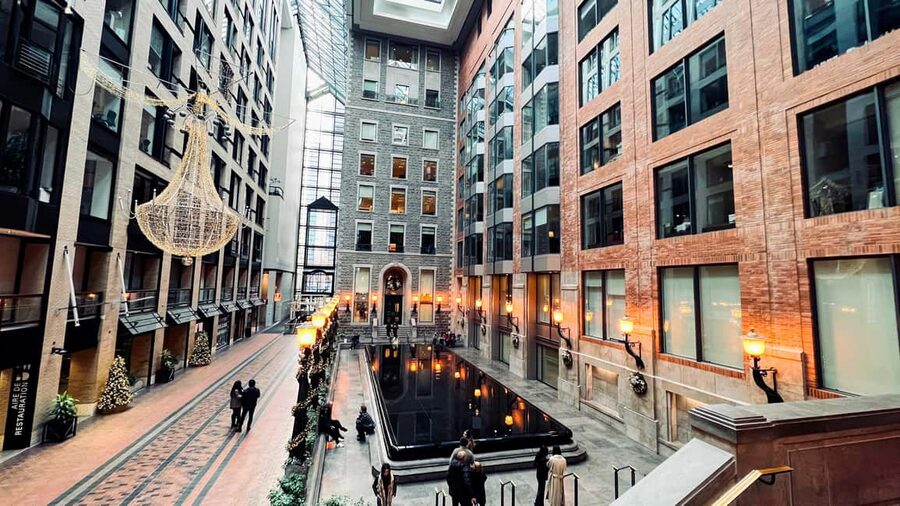
That arrangement is exactly what makes it interesting. The network is part practical infrastructure and part everyday city. Montrealers use it to get to work, catch a train, reach a restaurant, shop, attend events, and move between downtown buildings without returning to the street at every turn.
A guide adds real value here. Without one, you may see a polished shopping gallery and assume it is simply a mall. Gustavo can explain how separate buildings and projects became connected, how the network changed daily routines, and why this form of urban planning matters in a city with difficult winters.
A few more Montreal half-days to weigh up
- PRIVATE 2-Hour tour of Montréal in Convertible Cadillac + Murals
★ 5.0 · 73 reviews - Montreal: Private 2h Walking Tour RESO and Old Montreal
★ 5.0 · 20 reviews - Montreal: Street Art & Mural 2-Hour Guided Walking Tour
★ 4.9 · 13 reviews
Meeting at 1508 Rue de Bleury
The tour begins inside the Tim Hortons building at 1508 Rue de Bleury, Montréal, QC H3A 0B4. Pay close attention to that instruction. The meeting point is inside the building, not simply somewhere along Rue de Bleury.
Arrive ready to walk. Comfortable shoes are important because the route includes passageways and connected downtown spaces rather than one fixed exhibit. Bring water, especially if you are walking before or after the tour, and carry a camera if you enjoy architectural details, public art, or family photos.
The tour lasts two hours and is offered as a private group experience. That matters because RÉSO can feel confusing at first. A private guide can spend more time explaining a spot that catches your eye, keep the pace comfortable, and make the experience feel less like a race through a large commercial district.
Gustavo Trindade leads the experience. The tour is available in English, French, Spanish, and Portuguese, so check the language when you book.
From Place Montreal Trust to the Eaton Centre
After leaving the starting point, the route passes through Place Montreal Trust and the Montreal Eaton Centre. These stops show the commercial side of RÉSO particularly well.
Place Montreal Trust is part of the downtown network of shops, offices, and indoor connections. The Eaton Centre adds another large retail section to the route. You will see why the underground system is useful for people running errands or moving between work and shopping without dealing with winter streets.
Do not expect a long guided visit inside every shopping area. The listed stops are passed by, so the emphasis is on connection and context. You are learning how these places link together, not receiving a detailed retail tour.
This part of the walk may feel familiar if you have visited large shopping centres elsewhere. The difference is that these galleries form part of a much wider route, tied to office buildings, hotels, transit, public squares, and cultural venues.
Place Ville Marie and Gare Centrale
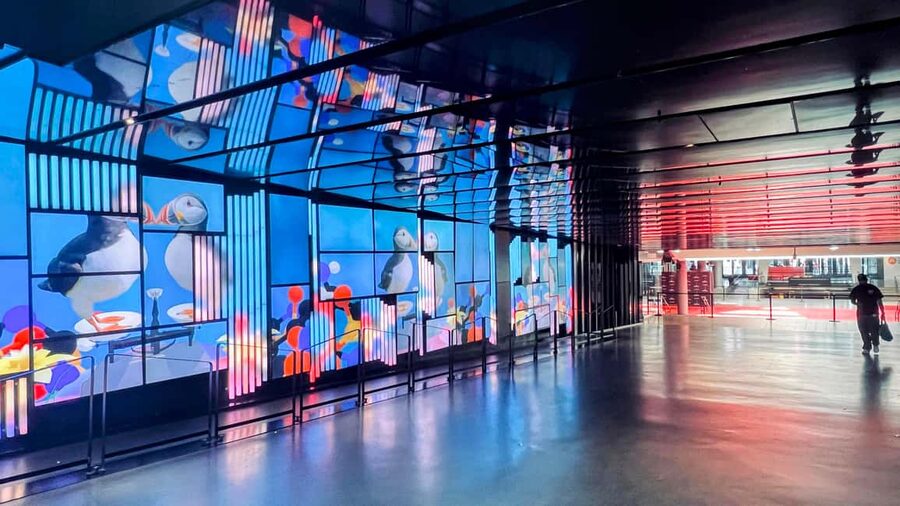
The route continues toward Place Ville Marie, one of the key downtown landmarks connected to RÉSO. Here, the tour shifts from shopping corridors to the relationship between Montreal’s modern business district and its underground circulation system.
Place Ville Marie helps show why RÉSO developed where it did. Downtown towers, commercial areas, and transit links needed practical connections. The underground route made it easier to move among them, especially during harsh weather.
Next comes Gare Centrale, Montreal’s central railway station. This is an important stop for understanding RÉSO as transport infrastructure rather than just a collection of indoor malls. Rail passengers can reach downtown buildings and other parts of the network through connected indoor routes.
For you, the useful lesson is simple: RÉSO is most impressive when you think of it as a working transportation layer. It is not built only for sightseeing. People use it to move through the city as part of an ordinary day.
Same base, a completely different sort of day:
- Montreal: Guided Bus Tour
★ 4.4 · 3,064 reviews - Montreal: Hop-On Hop-Off Double-Decker Bus Tour
★ 4.1 · 2,760 reviews - From Montreal: Quebec City and Montmorency Falls Day Trip
★ 4.5 · 2,669 reviews - Montreal Mile End Authentic Food Tour with 7 Delicacies Tastings
★ 5.0 · 2,598 reviews
Place Bonaventure and the World Trade Centre
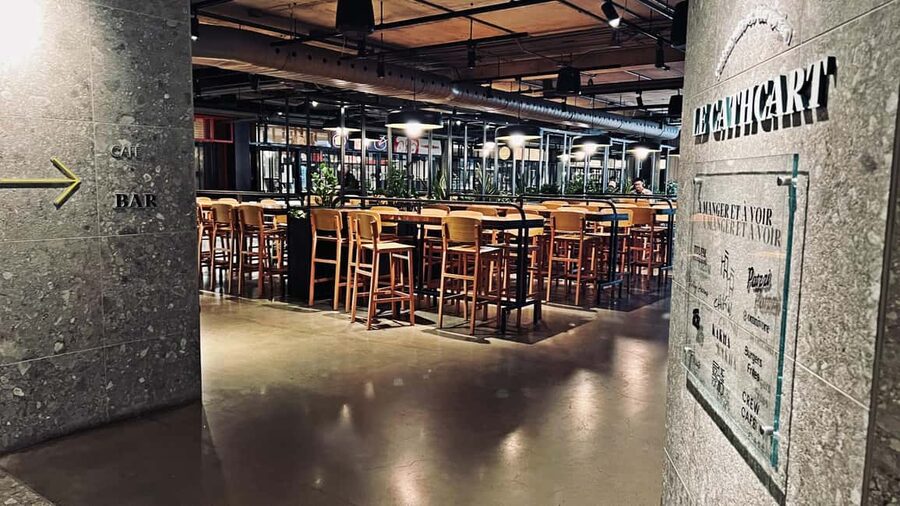
The walk passes Place Bonaventure, then continues toward the Centre de commerce mondial and the World Trade Centre Montréal. These names point to the business and conference side of the system.
Place Bonaventure is connected to the downtown network and helps illustrate how major buildings rely on shared underground access. The Centre de commerce mondial and World Trade Centre Montréal add another layer, showing how offices, business facilities, shops, and public passageways can occupy one connected district.
This is where a guide’s explanation can keep the walk from becoming a blur of polished floors and signs. Look for changes in design, lighting, scale, and purpose as you move from a retail gallery into spaces serving offices or convention traffic.
The route is best understood as a sequence of urban transitions. You may start in a coffee shop building, pass through commercial corridors, reach a railway station, and then enter spaces linked to business and public events. The network’s value comes from these connections.
Palais des Congrès de Montréal
The Palais des Congrès de Montréal is another major landmark along the route. Its connection to RÉSO shows how the underground system supports large public venues as well as daily commuting.
For a visitor, this connection is practical. If you are attending an event at the convention centre, staying near downtown, or moving between nearby attractions, the underground network can help you orient yourself without constantly stepping outside.
The Palais des Congrès also gives the tour a sense of scale. RÉSO is not limited to one shopping district. It reaches major civic and commercial buildings across central Montreal. Gustavo’s role is to connect these pieces so you see the planning behind them.
The tour passes the landmark rather than promising a full interior visit. Keep that distinction in mind when setting expectations. You will gain a guided look at its place within the network, but this is not a convention-centre tour.
Cultural spaces, art, and Place des Arts
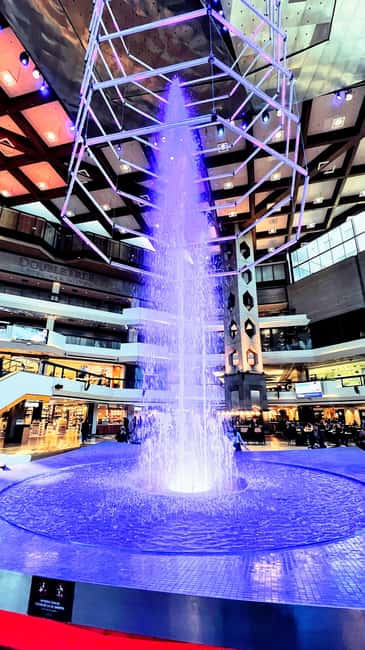
One of the more appealing parts of the experience is the attention to art, murals, installations, and cultural spaces found below street level. RÉSO is not only concrete, signs, and storefronts. Public art gives the routes a sense of place and makes the underground environment less anonymous.
The walk passes Place des Arts, Montreal’s major cultural complex. Its presence helps explain how the underground network reaches beyond commerce and transport. Cultural venues become part of the same connected downtown system.
If you enjoy architecture and public design, pay attention to the way the underground spaces change as you move along. Some sections may feel like shopping galleries, while others serve as links between office towers or cultural buildings. The contrast is part of the story.
This is also a good place to carry your camera. Photography is not presented as a formal part of the tour, but the experience includes visual details, public art, and unusual connections worth recording. Gustavo has also offered to take family photos at interesting spots, which is useful for groups who want a shared picture without asking strangers.
Complexe Desjardins and the daily rhythm of RÉSO
The route includes Complexe Desjardins, another important downtown complex connected to the underground city. By this point, you should have a clearer idea of how RÉSO operates as a daily system.
Restaurants, offices, hotels, shops, and transit access all contribute to the network’s usefulness. You may not spend long inside each category, but the tour shows how they work together. A person can travel through several parts of downtown while remaining inside for much of the journey.
That is the authentic part of the experience. RÉSO is not a forgotten archaeological site or a secret passage known only to locals. It is a public system used constantly by Montrealers. The interesting discovery is seeing how ordinary it is to people who know the city, and how puzzling it can be to someone seeing it for the first time.
The route ends after passing through a broad group of downtown landmarks. Because the tour covers so much ground in two hours, you will likely leave with a map in your head and several places worth revisiting on your own.
What the private format adds
A private group is a strong reason to choose this experience over a standard walking tour. The guide can speak to your interests rather than delivering one fixed speech to a crowd.
Gustavo is described as friendly, engaging, and flexible. He has adjusted tours to fit personal needs, offered useful explanations without overloading people with facts, and helped take photos for families. Those details matter because underground tours can become dry if they focus only on dates and construction figures.
You can use the private format well by asking questions early. Ask how RÉSO grew, which links are most useful to locals, how the network connects with public transportation, and which sections are best for a return visit.
The four language choices also make this more accessible for international groups. Confirm your preferred language when reserving, since the tour is offered in English, French, Spanish, and Portuguese.
Is $101 per person a fair price?
At $101 per person, this is not the cheapest way to walk through downtown Montreal. The value depends heavily on your group size and your interest in guided context.
For a private group, the price pays for more than access to public passageways. You are paying for a guide who knows how the connections fit together, can explain the RÉSO’s construction and purpose, and can adjust the pace. If you wandered alone, you could enter many public areas, but you might miss the larger story and spend time figuring out where the corridors lead.
The price is easier to justify if you are short on time, visiting in winter or rain, or interested in urban planning and architecture. It is less compelling if you only want to shop, already know downtown well, or prefer a self-guided walk.
Food and drinks are not included. That is not a major concern, since the route passes restaurants and shopping areas, but plan to eat before or after rather than expecting a meal during the two hours.
When this tour works best
This experience suits first-time Montreal visitors who want a different view of downtown. It also works well for return visitors who have seen the major streets and want to understand how the city functions below them.
A rainy day is a particularly good time to schedule it. The route offers shelter while still giving you a useful look at Montreal. Winter can also make the network especially relevant, since you can see why indoor connections became such an important part of city life.
Families may appreciate the private format and the chance to pause for photos. Couples and small groups who prefer a conversational walk should also find it a good fit.
You should think twice if stairs, long periods of walking, or changes in level are difficult. The experience is specifically not suitable for wheelchair users or people with mobility impairments. It is also not a good choice if you want extended visits inside each named landmark. Most locations are passed by as part of the connected route.
Booking details to keep in mind
You can cancel up to 24 hours before the tour for a full refund, and the reserve-now, pay-later option keeps your plans flexible. Starting times vary, so check availability for the date you want.
Wait inside the Tim Hortons building at the stated Rue de Bleury address. Bring comfortable walking shoes, water, and a camera. Alcohol and drugs are not permitted.
The tour is private, lasts two hours, and includes the guided walk, access to passageways and shopping galleries, landmark connections, and explanations of RÉSO’s history and construction. Hotel pickup, hotel drop-off, food, and drinks are not included.
Should you book the Montreal RÉSO tour?
Book it if you want to understand Montreal rather than simply pass through it. The private setting, guide flexibility, four language options, and strong focus on how the underground city affects daily life make this more useful than an unplanned walk through a shopping centre.
I would especially choose it on a rainy or cold day, or early in a Montreal stay so you can use the network with more confidence afterward. At $101 per person, it offers fair value for people who want a guided introduction and personal attention.
Skip it if you need step-free access, dislike indoor commercial spaces, or want a detailed visit inside every landmark. For everyone else, this is a smart two-hour look at a side of Montreal that is easy to miss and surprisingly important to the city’s rhythm.
FAQ
How long does the Montreal underground city tour last?
The tour lasts two hours.
Where does the tour begin?
Meet inside the Tim Hortons building at 1508 Rue de Bleury, Montréal, QC H3A 0B4.
Is this a private tour?
Yes. The experience is offered for a private group.
Which languages are available?
The tour is offered in English, French, Spanish, and Portuguese.
What does the tour include?
It includes a 2-hour guided tour, access to hidden passageways and shopping galleries, visits to connected downtown landmarks, and information about the history and construction of RÉSO.
Are food and drinks included?
No. Food and drinks are not included.
Is hotel pickup included?
No. Hotel pickup and drop-off are not included.
What should I bring?
Bring comfortable walking shoes, a camera, and water.
Is the tour suitable for wheelchair users?
No. The experience is not suitable for wheelchair users or people with mobility impairments.
Can I cancel for a refund?
Yes. You can cancel up to 24 hours in advance for a full refund.
Just added around Montreal
- Winter Express: Old Montreal Highlights Walking Tour★ 5.0 · 119 reviews
- Under the Surface of Montreal’s Chinatown: Guided Food Walking Tour★ 5.0 · 23 reviews
- Full Day Family Bike Rental★ 5.0 · 17 reviews
- Montreal Premium Driving Tour with River Cruise and Notre Dame★ 4.5 · 164 reviews
- Immersive Virtual Reality Game Activity★ 5.0 · 19 reviews
- Montréal Downtown and Underground City Private Walking Tour★ 5.0 · 47 reviews
- Day at Mont-Tremblant National Park★ 4.0 · 5 reviews
- In the Shadow of the Mountain: Montreal Jewish History Walking Tour★ 4.5 · 33 reviews
Montreal Tours, compared.


Montreal Mile End Authentic Food Tour with 7 Delicacies Tastings
Read our review →
Quebec City and Montmorency Falls Day Trip from Montreal
Read our review →
The Original Old Montréal Walking Tour by Guidatour
Read our review →
Old Montreal Small-Group Walking Tour | Max 10 | by MTL Detours
Read our review →
Montreal City Sightseeing Tour with Live Commentary
Read our review →
Browse the lists this tour appears in