
Review · VANCOUVER
The Really Gay History Tour in Vancouver, Canada
Vancouver’s LGBTQ2+ story is written into ordinary streets, parks, churches, plazas, and storefronts. On The Really Gay History Tour, guide Glenn connects those places to Imperial Court coronations, early Pride marches, the GRID crisis, bookstore bombings, transgender activism, and the city’s long fight for recognition.
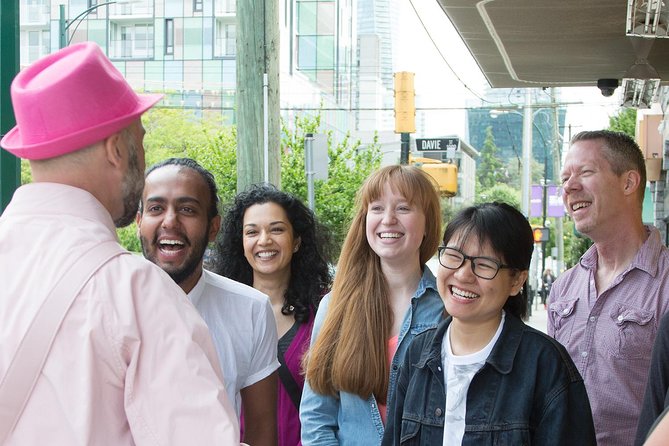
I like two things right away: the storytelling has a human face, and the route turns downtown and the West End into an open-air history book. You will also finish on Davie Street, Vancouver’s gay village, with bars and restaurants close at hand.
The main consideration is the subject matter. This is not a light sightseeing stroll with a few rainbow-colored anecdotes. It includes discrimination, illness, violence, political struggle, and explicit language. The walk is rain or shine, and you need sensible shoes.
Key points to know before you book
- Glenn’s storytelling drives the experience: He links individual lives and local places into one clear account of Vancouver’s queer past.
- The route runs from Burrard Street to Davie Village: You begin outside Trees Organic Coffee Shop at 930 Burrard Street and finish at Jim Deva Plaza on Bute Street.
- The history covers both joy and pain: Expect Pride, drag kings, gay ministers, community celebrations, activism, the GRID crisis, and serious losses.
- It is an easy way to see the West End on foot: The two-hour walk includes tree-lined streets and Nelson Park, but a moderate fitness level is still required.
- The $29.29 price buys context, not just exercise: The value comes from learning why familiar streets and businesses matter.
- Plan for an adult-leaning tour: The walk contains explicit language and is not recommended for anyone under 14.
Why this two-hour walk matters in Vancouver
Many city tours give you dates, buildings, and a few famous names. This one asks you to look again at places that can seem routine. A plaza becomes a site of remembrance and protest. A church becomes part of the story of acceptance. A bookstore becomes evidence of how dangerous public queer visibility could be.
That shift in perspective is the tour’s real purpose. You are not only collecting facts about Vancouver. You are learning how communities claim space, protect one another, and create public traditions after years of being pushed out of sight.
Glenn’s role is important here. The strongest praise centers on his ability to tell a story rather than recite information. He is described as eloquent, funny, well organized, and careful with painful subjects. The most useful detail for you is that his approach works for locals as well as first-time visitors. Even someone who already knows the city may see familiar locations in a new way.
The tone appears carefully balanced. You can expect laughter beside difficult material, and personal stories beside broader events. That mix gives the walk emotional weight without making every minute solemn.
More history-led days in Vancouver:
- Gastown Historic Walking Food Tour
★ 5.0 · 1,863 reviews - Vancouver: Gastown Historical Walking Food Tour
★ 4.8 · 539 reviews - Vancouver: Guided Food and City History Tour
★ 4.5 · 53 reviews
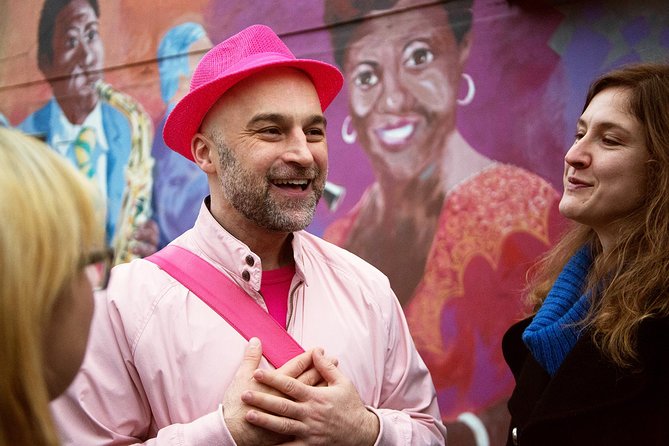
Starting at 930 Burrard Street with the guide in pink
The meeting point is outside Trees Organic Coffee Shop at 930 Burrard Street. The start time is 10:00 a.m., and you should arrive 10 minutes early because the group leaves on time.
The guide’s pink clothing gives you an easy landmark at the meeting point. This is useful in a downtown area where several streets and businesses can look similar, particularly if you are arriving by public transportation.
The group size is limited to 20 people. That is large enough to create a social walking atmosphere, but still small enough for a guide to address the group directly. It also helps explain why arriving late is a bad plan. Once the walk begins, catching up may be awkward.
You receive a mobile ticket and the tour is offered in English. There is no admission charge at the stops, so the price covers the guided experience itself. At $29.29 per person, I see it as a reasonable buy for anyone who wants local context rather than another general city orientation.
Imperial Court, drag kings, and the early public community
The opening part of the walk introduces the organized social world that helped Vancouver’s LGBTQ2+ community become visible. Imperial Court coronations point to a long tradition of pageantry, fundraising, and chosen community. Drag kings at the Quadra bring performance and gender expression into the story, showing that queer culture was never limited to one style of nightlife or one identity.
These details matter because they keep the history from becoming a simple march toward legal progress. Community life grew through parties, performances, fundraising, social clubs, and people making room for one another. The public celebrations were not separate from political work. They helped create the confidence and networks needed for later campaigns.
You will also hear about gay ministers at the United Church. That part of the route adds a religious and institutional layer. It shows how questions of inclusion were argued not only in bars and protest spaces, but also inside established organizations.
I appreciate this range. It gives you more than a story of oppression, while still acknowledging the barriers people faced. The community appears as active and inventive, not merely as a group waiting for outside approval.
Patient Zero and the GRID crisis
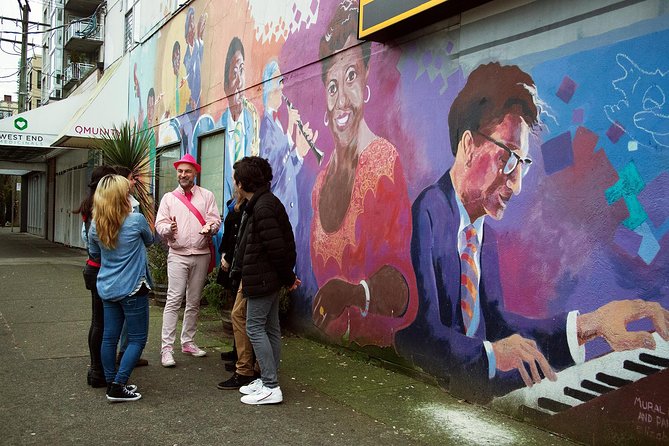
The walk then reaches one of its harder chapters: Patient Zero and the GRID crisis. The subject brings the early AIDS crisis into Vancouver’s local story, with its fear, confusion, illness, and loss.
This section will not suit someone looking only for cheerful sightseeing. It asks you to confront how quickly rumor and stigma can shape public behavior during a health crisis. It also points toward the need for organized care and public education when official responses are slow or inadequate.
The value of hearing this on a street walk is that the crisis becomes connected to the city rather than treated as an abstract historical event. You are standing in the same urban setting where people lived, worked, protested, cared for friends, and mourned.
The tour’s strongest emotional moments seem to come from this blend of place and person. Glenn does not simply list events. He makes the people involved feel present in the story, which is why the tone can move from laughter to tears without feeling forced.
Same base, a completely different sort of day:
- Vancouver Half-Day Whale Watching Adventure with Free Photos
★ 5.0 · 5,000 reviews - Big Bus Vancouver Hop-On Hop-Off Sightseeing Tour
★ 3.5 · 3,028 reviews - Victoria & Butchart Gardens Tour with Ferry from Vancouver
★ 4.5 · 2,703 reviews - Vancouver: Covered Whale Watching Adventure with Free Photos
★ 4.8 · 2,260 reviews
Nelson Park, an urban pause in the story
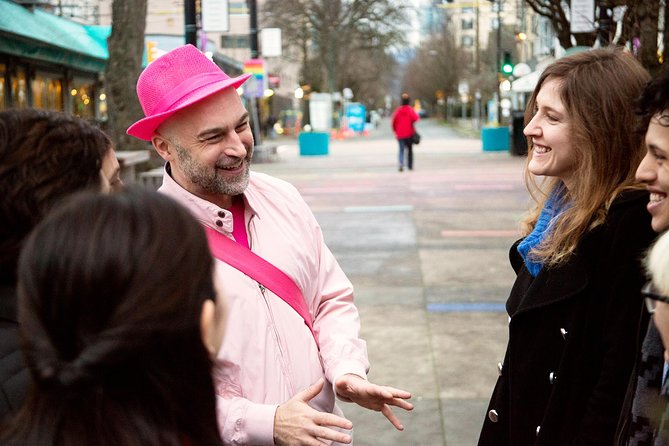
Nelson Park provides a quieter section of the route. This urban oasis gives the group a change of pace and a chance to absorb what you have heard.
Parks matter in city history because public space can offer both safety and visibility. A park may look peaceful now, but the meaning of public gathering places changes over time. The tour uses Nelson Park as part of a wider account of how queer people found places to meet, socialize, organize, and simply be seen.
The route through the tree-lined West End should also give you a pleasant break from major downtown streets. Still, this is a walking tour, not a seated talk. You should be comfortable on your feet for about two hours, and sensible shoes are specifically recommended.
If the weather is warm, bring sunscreen. The walk operates in rain or shine, although many stops are under cover. Vancouver weather can shift, so a practical jacket may be more useful than relying on a perfect forecast.
Early Pride and the fight for public space
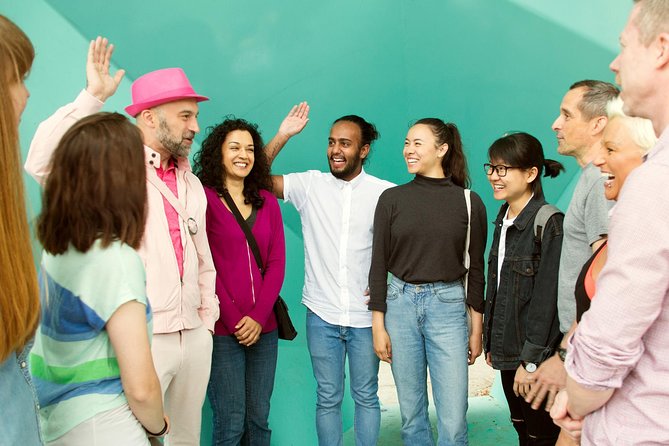
The route explores Vancouver’s earliest Pride parade, one of the clearest examples of a private community becoming a public presence. Pride is often treated as a colorful annual event, but its early years required courage, planning, and a willingness to face hostility.
Hearing about the first parades in the actual city streets helps you understand their purpose. They were not just festivals. They were demonstrations that queer people belonged in public life and had the right to gather openly.
This is where the tour can add real value to your Vancouver visit. You may see the Pride parade or rainbow decorations during your stay and understand the celebration as the result of earlier organizing. The route connects present-day visibility to the people who took risks before acceptance was assured.
The history also avoids making progress look automatic. The walk presents change as something people fought for, often through small acts of courage repeated over many years.
Jim Deva Plaza and the bookstore bombings
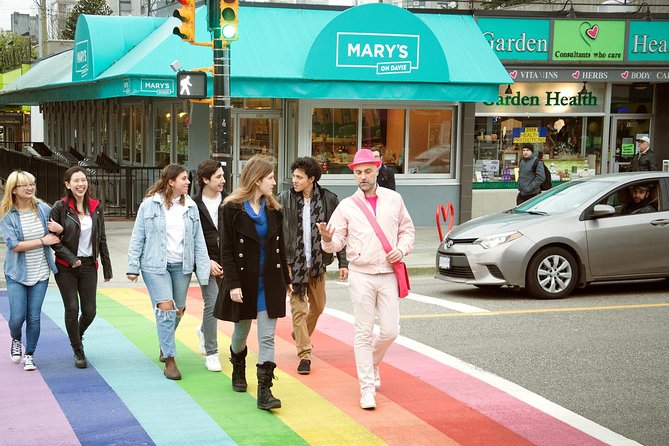
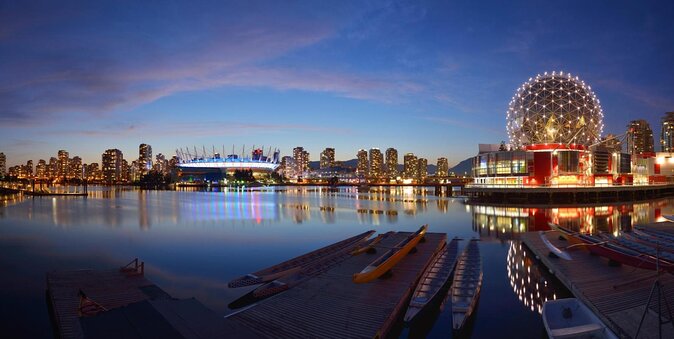
Jim Deva Plaza is both an endpoint and one of the most meaningful places connected to the walk. Named for activist and bookseller Jim Deva, the plaza points to the role of queer bookstores as gathering places, sources of information, and centers of community life.
The bookstore bombings add a darker edge. A bookstore may seem like an ordinary retail space, but queer books have often carried political and personal importance. Attacking such a place was an attack on access to ideas, identity, and community connection.
You will learn about this history before finishing at the plaza, which gives the final location more weight. Instead of ending at a random street corner, the tour closes at a place tied to activism and public memory.
The plaza is at 1200 Bute Street, in the Davie Street area. It puts you in a good position to continue exploring on your own. You can stop for food or a drink nearby, or use the rest of the day for other Vancouver plans.
The transgender campaigner and Vancouver’s secret gay village
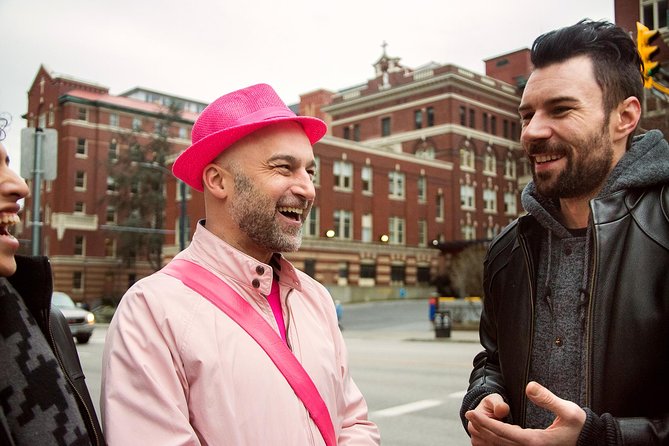
One of the more unusual stories concerns a transgender campaigner who helped expose the biggest crime in Vancouver’s history. The detail is memorable because it places transgender people at the center of civic action, not at the edge of the narrative.
This part of the walk also shows why local history benefits from individual stories. Broad labels such as activism or civil rights can feel distant. A campaigner who takes action, raises questions, or blows the whistle gives those ideas a face and a voice.
The tour also reveals Vancouver’s secret gay village. That phrase points to a time when queer community life existed in the city but was not always openly identified or accepted. Businesses, meeting places, and social networks could be known within the community while remaining invisible to much of the wider public.
For you, this creates a useful contrast with Davie Street today. The modern village is easy to find. The older community required more discretion, and its locations carried different risks. Walking between these two versions of Vancouver makes social change easier to grasp.
Two-Spirited warrior Gone to the Spirits
The story of Gone to the Spirits adds Indigenous and two-spirit representation to the tour. That is important because LGBTQ2+ history is not one single experience. It includes different cultural traditions, identities, and relationships to gender and community.
The account of this two-spirited warrior broadens the tour beyond a narrow account of gay male history. It reminds you that the initials LGBTQ2+ include many lives and traditions, and that those stories do not all fit into the same timeline.
The available details do not promise a long stop devoted only to this subject, so you should expect it as one part of a larger two-hour narrative. Even so, its inclusion signals an effort to show the community in a wider frame.
Arriving on Davie Street
The walk finishes in the Davie Street village, close to its restaurants and bars. This is a smart ending. You do not have to spend time finding the area after the tour, and you can turn the history lesson into a practical afternoon visit.
I would schedule this early in your Vancouver stay if possible. The tour can help you recognize the significance of places you pass later, and you may want to return to Davie Street after hearing its story. That said, taking it on your final day also works. One person who already had walked around much of Vancouver found that the tour gave familiar shops and areas a new meaning.
The two-hour length makes either choice easy. You still have most of the day for museums, neighborhoods, food, or other plans. Since the walk begins at 10:00 a.m. and ends around noon, you can continue directly into lunch.
Price, pace, and practical value
At $29.29, this is priced below many long city excursions and offers a focused subject rather than a broad overview. You are paying for a professional guide, research, local storytelling, and a carefully arranged walking route.
I would not judge the value by the number of landmarks alone. The route is valuable because Glenn explains what happened at or near them and why those places matter. A street corner without context is just a street corner. With the right story, it becomes part of Vancouver’s civic memory.
The walk requires a moderate level of physical fitness. No distance is provided, so do not assume it is a short hop between stops. Wear comfortable shoes, arrive early, and bring sunscreen in warm weather.
Service animals are allowed, and the starting point is near public transportation. The tour runs in all weather, with many stops under cover. Explicit language is part of the experience, and the activity is not recommended for anyone under 14.
Cancellation is flexible if you plan ahead. You can receive a full refund by canceling at least 24 hours before the local start time. Cancellations or changes made inside that window are not accepted for a refund.
Who will get the most from this tour
I would recommend it to anyone interested in Vancouver’s LGBTQ2+ past, including queer visitors, allies, history fans, and people who want a more personal city experience. It also suits locals. The route can reveal stories that are easy to miss even when you have lived in Vancouver for years.
You should book it if you enjoy guided walks built around people and events rather than architecture alone. The tour is also a strong choice if you want to understand Pride, Davie Street, and queer activism in context.
Think twice if you want a purely upbeat activity, dislike explicit language, or would rather avoid serious subjects such as the AIDS crisis, violence, and discrimination. The guide uses humor, but the purpose is not entertainment alone.
Should you book The Really Gay History Tour?
Yes, if you want a focused, human account of Vancouver that general city tours rarely provide. The combination of Glenn’s vivid storytelling, a manageable two-hour route, and a finish in Davie Village makes this a useful addition to a Vancouver trip.
The strongest reason to book is the quality of the stories. Glenn is repeatedly praised for making real people and events vivid, while balancing respect with humor. At $29.29, that is a fair price for a small-group walk that can change how you see the city afterward.
Book it with comfortable shoes, an open mind, and enough time to stay with the difficult parts. If you do, you will leave with more than a list of LGBTQ2+ landmarks. You will understand how a community helped make its place in Vancouver.
FAQ
Where does The Really Gay History Tour begin?
The tour begins outside Trees Organic Coffee Shop at 930 Burrard Street, Vancouver, BC V6Z 3G5.
What time does the tour start?
The scheduled start time is 10:00 a.m. You should arrive 10 minutes early for check-in.
Where does the tour finish?
The walk ends at Jim Deva Plaza, 1200 Bute Street, Vancouver, BC V6E 1N3, in the Davie Street village area.
How long is the tour?
The walking tour lasts approximately two hours.
What language is the tour offered in?
The experience is offered in English.
What does the tour cost?
The listed price is $29.29 per person.
Does the tour run in bad weather?
Yes. The walk operates rain or shine, although many of the stops are under cover.
Can I cancel for a full refund?
Yes. You must cancel at least 24 hours before the experience start time for a full refund. Cancellations or changes made less than 24 hours before the start time are not accepted for a refund.
Just added around Vancouver
- The Ultimate Stanley Park E-Bike Tour★ 4.9 · 33 reviews
- Vancouver: The Supernatural TV Show Locations Tour★ 4.9 · 32 reviews
- The Haunting of Vancouver Film Tour★ 4.9 · 9 reviews
- Sunset Bus Tour: Stanley Park & English Bay Photostops★ 4.5 · 181 reviews
- Stanley Park CarTour:SmallGroup/Comfort&CheaperThan BikeTour★ 4.9 · 46 reviews
- Stanley Park Self Guided Bike Tour★ 4.1 · 12 reviews
- Snowshoeing At The Top Of The Sea To Sky Gondola★ 5.0 · 6 reviews
- Vancouver: North Shore Mountains Snowshoeing with Transfer★ 5.0 · 6 reviews
Vancouver Tours, compared.
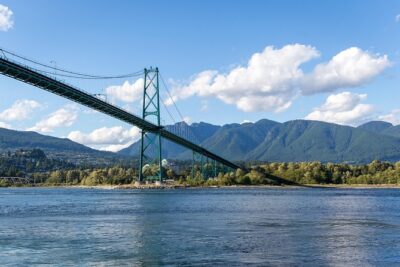
Vancouver Half-Day Whale Watching Adventure with Free Photos
Read our review →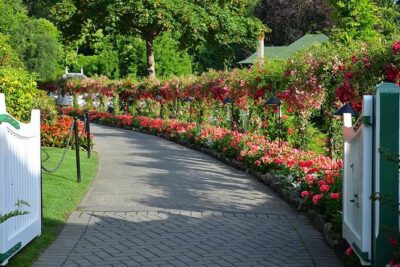
Victoria & Butchart Gardens Tour with Ferry from Vancouver
Read our review →
Covered Whale Watching Adventure with Free Photos
Read our review →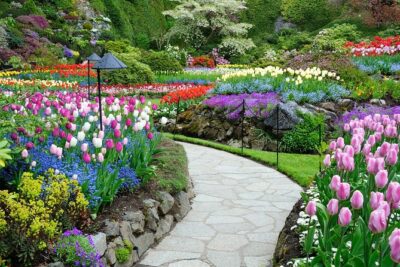
Victoria and Butchart Gardens Day Trip from Vancouver
Read our review →
Browse the lists this tour appears in