
Review · VANCOUVER
A Wok Around Chinatown: Culinary and Cultural Walking Tour Led by a Chef
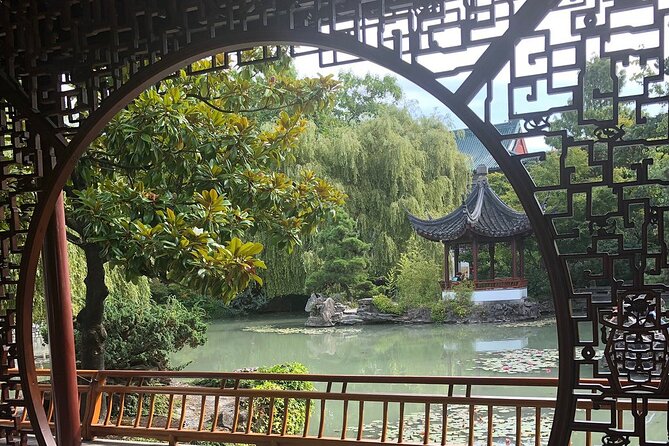
Vancouver’s Chinatown becomes much easier to understand when food, family stories, and Chinese Canadian history are explained together. This four-hour walk starts at the Dr. Sun Yat-Sen Classical Chinese Garden, then moves through shops, food counters, cultural sites, tea service, and a full dim sum lunch.
I like the small-group size, which keeps the tour personal without making it private-tour expensive. I also like that the $122.28 price includes the garden admission, food tastings, tea, and lunch, so you are not constantly reaching for your wallet.
The main consideration is pace. Food may need to be arranged while you wait, and the guide’s cultural commentary can run long for people who prefer a quick tasting tour. Chinatown also has empty storefronts and visible street disorder, realities that are part of the present-day neighborhood.
Key points before you book
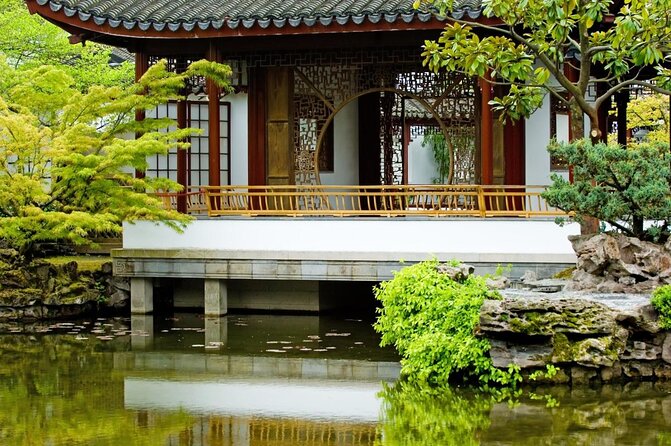
- Start with a classical Chinese garden: Dr. Sun Yat-Sen Classical Chinese Garden sets a calm tone before the city walk begins.
- Food is tied to history: Expect explanations of how Chinese culture, migration, discrimination, family life, and cuisine connect.
- A full lunch is included: Tastings lead to a sit-down dim sum meal, with tea also part of the experience.
- Guides bring personal context: Bob Sung is frequently named as the host, while Thomas, a retired chef, has also led tours.
- Groups stay fairly small: The maximum is 14 people, with many departures feeling more intimate than a standard city tour.
- Allow the whole morning: The tour starts at 11 a.m. and lasts about four hours, ending where it began.
Why this Chinatown tour is more than a food crawl
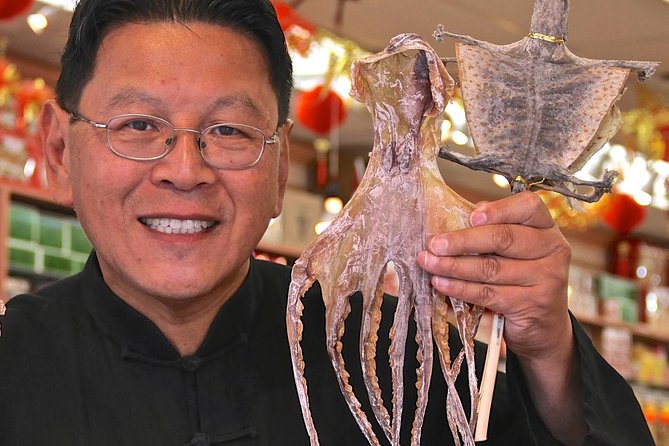
Many food walks give you a bite, a fact, and a quick move to the next stop. This experience tries to connect the bite with the people who made it, the businesses that sell it, and the long Chinese Canadian story behind Vancouver’s Chinatown.
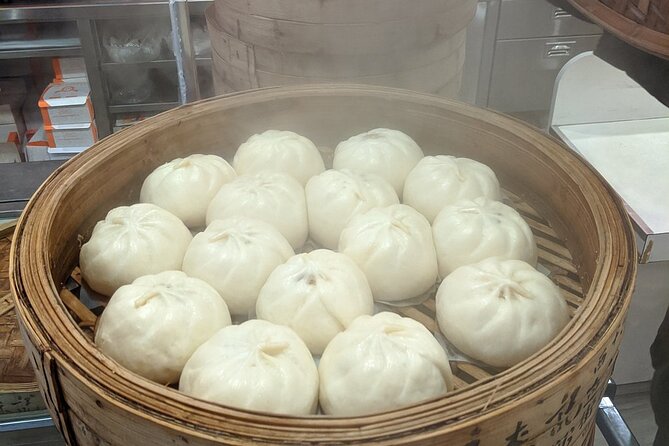
That difference matters. A pork bun or dim sum dumpling is more interesting when you understand its place in family meals, restaurant culture, celebration, and migration. The guide also discusses the arrival of Chinese communities in British Columbia, their work on the railroads, institutional racism, and the ways Chinese culture continues to shape Vancouver.
Bob Sung is often the guide named for this experience. His style is personal and conversational, with local connections that make shop visits feel less like a transaction. Thomas, described as a retired chef, has also guided groups and can explain cooking, ingredients, symbolism, and dim sum etiquette.
You should expect a talkative guide rather than a silent escort from restaurant to restaurant. That is a major strength if you want context, but it can feel slow if your main goal is to eat as quickly as possible.
More walking tours in Vancouver:
- Gastown Historic Walking Food Tour
★ 5.0 · 1,863 reviews - Vancouver Lost Souls of Gastown Walking Tour
★ 5.0 · 1,273 reviews - Vancouver: Gastown Historical Walking Food Tour
★ 4.8 · 539 reviews
Starting quietly at Dr. Sun Yat-Sen Classical Chinese Garden
Meet at 11 a.m. outside Dr. Sun Yat-Sen Classical Chinese Garden at 578 Carrall Street. Admission is included, and the garden provides a peaceful opening before the tour enters the streets of Chinatown.
The garden is not simply a green pause in the itinerary. Its rocks, water, architecture, and views are used to explain traditional Chinese ideas and values. The guide may spend time discussing features such as the interpretive rocks and the Jade Water Pavilion, including the relationship between heaven and earth in Chinese design.
I like this opening because it gives you a framework for the rest of the walk. Instead of seeing the garden as a quick photo stop, you get an introduction to symbolism, balance, and cultural ideas that return later through food and tea.
The season changes the feel of the garden. In late November, bare branches and a quieter mood can make the garden feel spare and still. If you want leafy views, warmer months are the safer choice, but winter has its own simple beauty.
One caution: the garden discussion can take longer than some people expect. If you enjoy architecture, philosophy, and cultural explanation, this is time well spent. If you are eager to reach the food, you may find the opening a bit deliberate.
Walking Chinatown through food, shops, and local stories
After the garden, the tour becomes a walking route through Vancouver’s Chinatown. The exact order of stops may vary, but the experience includes food samples, tea, cultural landmarks, cookware shops, and herbal medicine shops.
Cookware stores are useful stops because they show the practical side of Chinese food culture. You may see tools and vessels that make more sense once you understand how dishes are prepared and served. Herbal medicine shops offer another view of traditional practice, though the point is cultural learning rather than a medical consultation.
The food samples include both sweet and savory items. Past groups have tasted Chinese barbecue, pork buns, dumplings, pastries, and less familiar foods such as jellyfish. You should tell the operator about allergies or dietary concerns when booking. That is especially important on a tour built around shared samples and a group meal.
Food is generally served as a group rather than as individual restaurant courses. At some stops, a platter may be arranged and passed around for tasting. This lets you sample several foods without paying separately at every shop, but it also means you should not expect a private order at each location.
There may be waiting while food is collected or prepared. One criticism of the tour is that participants can spend too much time standing outside a shop while the guide arranges the tasting. That is worth knowing if you have a tight schedule or limited patience for pauses.
The tradeoff is that the guide can choose items that fit the group and explain what you are eating. You are not simply handed a menu and left to guess. For adventurous eaters, this format makes it easier to try something unfamiliar.
Seeing Chinatown as a living neighborhood
The tour presents Chinatown as both a cultural center and a neighborhood facing real problems. You may encounter empty buildings, street disorder, and visible homelessness. These conditions can be uncomfortable, but they are part of the setting you will see on the walk.
The experience does not pretend that every block is polished. That honesty is useful. Vancouver’s Chinatown is important for its community history, but it is not a preserved stage set where every storefront is thriving.
The guide focuses on the area’s Chinese Canadian identity, including settlement, discrimination, community survival, and the ties between local businesses and cultural traditions. Some departures also include a museum or cultural center connected to Chinese life in British Columbia. The supplied details do not guarantee the exact museum stop on every departure, so think of the cultural visits as part of the general design rather than a fixed list of named attractions.
This is one of the tour’s strongest qualities. You are not only eating in Chinatown. You are learning why the district matters and how its past continues to shape its present.
A few more Vancouver half-days to weigh up
- Vancouver Half-Day Whale Watching Adventure with Free Photos
★ 5.0 · 5,000 reviews - Big Bus Vancouver Hop-On Hop-Off Sightseeing Tour
★ 3.5 · 3,028 reviews - Victoria & Butchart Gardens Tour with Ferry from Vancouver
★ 4.5 · 2,703 reviews - Vancouver: Covered Whale Watching Adventure with Free Photos
★ 4.8 · 2,260 reviews
Tasting first, then sitting down for dim sum
The food builds toward a dim sum lunch. By this point, you will have sampled several small items, but do not mistake the tastings for the main meal. The included dim sum is a proper sit-down portion and is often enough to leave people very full.
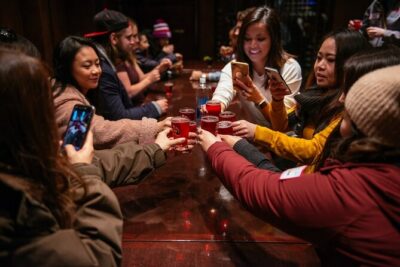
Dim sum works especially well for a small group because dishes can be shared. You may try dumplings, buns, and other dishes while the guide explains the meaning of certain foods, basic etiquette, and how to approach the meal.
A recurring strength of the experience is quantity. The combination of samples and lunch gives the $122.28 price more weight than a standard walking tour with one snack. You do not need to budget for multiple food purchases along the way, although alcohol is not included and can be bought separately.
The lunch may feel rushed to diners who want a leisurely restaurant meal. The schedule has to fit the garden, walk, tastings, and tea, so you are buying a guided food-and-culture program, not an unhurried afternoon at one restaurant.
If you have a sensitive stomach, strong food preferences, or serious allergies, contact the operator before arriving. The tour specifically asks you to provide food considerations, and advance notice gives the guide a better chance to plan around them.
Ending with tea and a slower look at culture
Tea is included and often serves as the final part of the route. The tea stop adds a quieter finish after several tastings and a substantial lunch. It also lets the guide explain tea service, tradition, and the role of tea in Chinese culture.
Some people have found the tea shop expensive, particularly if they feel encouraged to buy products beyond what is included. You do not need to purchase anything to receive the included tour experience. Treat the shopping element as optional.
I like the tea ending because it prevents the tour from becoming only a parade of snacks. Chinese food culture includes hospitality, ritual, conversation, and presentation, and tea gives those themes room to breathe.
Still, this is another place where the guide’s personality matters. Bob’s style can include humor, personal stories, and extended commentary. For some groups, that creates the feeling of spending time with a generous local host. For others, too much personal discussion or a slow monologue can make the final stretch feel long.
Group size, guide style, and walking pace
The tour has a maximum of 14 people, and it requires at least two people per booking. A small group is helpful at food counters, in shops, and during dim sum because you can hear the guide and ask questions without competing with a busload of people.
The actual feel may range from a very small group to a fuller departure. One group had nine participants, while other departures were much smaller. Even at the maximum, this is still more manageable than a large coach excursion.
The guide is central to the experience. Bob is praised for making the walk feel like time with a well-informed friend, while Thomas brings a chef’s perspective to cooking and food symbolism. The operator may assign different guides, so do not assume Bob will lead every departure.
Walking is central, though the supplied details do not give a precise distance or accessibility route. Most people can participate, and the meeting point is near public transportation. Wear comfortable shoes and leave enough room in your schedule for stops, conversation, and possible food preparation delays.
Is $122.28 a good value?
At $122.28 per person, this is not the cheapest way to eat in Chinatown. You could buy individual snacks and order dim sum on your own for less.
The value comes from the package: four hours of guiding, garden admission, several tastings, tea, historical interpretation, shop visits, and lunch. You are also paying for the work of choosing stops and explaining how they fit together.
I consider the price fair for visitors who want an organized introduction and would otherwise feel unsure about where to go or what to order. It is less compelling for experienced Vancouver diners who already know Chinatown and mainly want a relaxed meal.
The 4.9 rating from 611 published ratings and the 99 percent recommendation figure suggest a consistently strong experience, but the lower ratings point to the key risk: time management. The tour is best value when you enjoy conversation and cultural background as much as the food itself.
Who should book this experience?
I would choose this tour for a first visit to Vancouver, families with older children, couples, and anyone who wants a useful introduction to Chinese Canadian history alongside lunch. It also works well for curious eaters who want help trying unfamiliar dishes.
It can suit locals, too. Knowing Chinatown already does not mean you know its stories, symbolism, or food traditions. A personal guide can point out details you might walk past.
I would hesitate if you want a fast-paced food crawl, a purely restaurant-focused outing, or a quiet meal. The guide may spend substantial time explaining historical and cultural subjects, and the neighborhood’s current challenges are visible rather than edited out.
Book at least 24 hours before the start time if your plans may change. Cancellation is free up to that point, but late cancellations and changes are not accepted for a refund. Confirmation is sent within 48 hours, subject to availability.
Should you book A Wok Around Chinatown?
Book it if you want Chinatown explained as a place shaped by food, migration, family, work, discrimination, and cultural continuity. The combination of the classical garden, street tastings, shops, tea, and dim sum gives you much more than a list of dishes.
Skip it if you would rather set your own pace and spend four hours eating independently. The best match is a patient, curious eater who enjoys a personal guide and does not mind waiting briefly or listening at length.
For most visitors, the included meal and tastings make the price reasonable, while the small group keeps the experience human. Just arrive ready for a cultural walking tour with food, not a quick sequence of restaurant stops.
FAQ
Where does the tour begin?
It begins at Dr. Sun Yat-Sen Classical Chinese Garden, located at 578 Carrall Street in Vancouver.
What time does the tour start?
The scheduled start time is 11 a.m.
How long does the tour last?
The tour lasts approximately four hours.
Where does the tour end?
It ends back at the meeting point.
Is food included?
Yes. Food samples, tea, and a dim sum lunch are included.
Are alcoholic drinks included?
No. Alcoholic drinks are not included, though they are available to purchase.
How many people can join the tour?
The maximum group size is 14 travelers. At least two people are required per booking.
Can I provide allergy or dietary information?
Yes. You should indicate food allergies and other dietary considerations when booking.
Just added around Vancouver
- The Ultimate Stanley Park E-Bike Tour★ 4.9 · 33 reviews
- Vancouver: The Supernatural TV Show Locations Tour★ 4.9 · 32 reviews
- The Haunting of Vancouver Film Tour★ 4.9 · 9 reviews
- Sunset Bus Tour: Stanley Park & English Bay Photostops★ 4.5 · 181 reviews
- Stanley Park CarTour:SmallGroup/Comfort&CheaperThan BikeTour★ 4.9 · 46 reviews
- Stanley Park Self Guided Bike Tour★ 4.1 · 12 reviews
- Snowshoeing At The Top Of The Sea To Sky Gondola★ 5.0 · 6 reviews
- Vancouver: North Shore Mountains Snowshoeing with Transfer★ 5.0 · 6 reviews
Vancouver Tours, compared.

Vancouver Half-Day Whale Watching Adventure with Free Photos
Read our review →
Victoria & Butchart Gardens Tour with Ferry from Vancouver
Read our review →
Covered Whale Watching Adventure with Free Photos
Read our review →
Victoria and Butchart Gardens Day Trip from Vancouver
Read our review →
Browse the lists this tour appears in