
Review · CANMORE
Canmore: LOST TOWNS and Untold Stories – Hiking Tour 3hrs
The most unusual part of this Canmore hike is its focus on lost mining towns, not just mountain scenery. You follow old wagon roads into the backcountry, hearing how places such as Georgetown faded away while legends of buried treasure kept the Rockies’ prospecting past alive.
I like the mix of quiet scenery and lively local stories, and I like that the guide adds context about animals, Indigenous people, and ancient pictographs. The main caution is that this is an easy-to-moderate wilderness walk, not a flat stroll: you may face elevation gains, mosquitoes, and changing conditions.
- Old wagon roads lead toward Georgetown: Walk through traces of Canmore’s mining past rather than simply viewing the mountains from town.
- Three hours on local trails: The pace is designed for a relaxed outing, with time for stories, scenery, and short stops.
- Stories go beyond mining: Your guide discusses wildlife, Indigenous history, pictographs, and the people drawn to the area by hopes of profit.
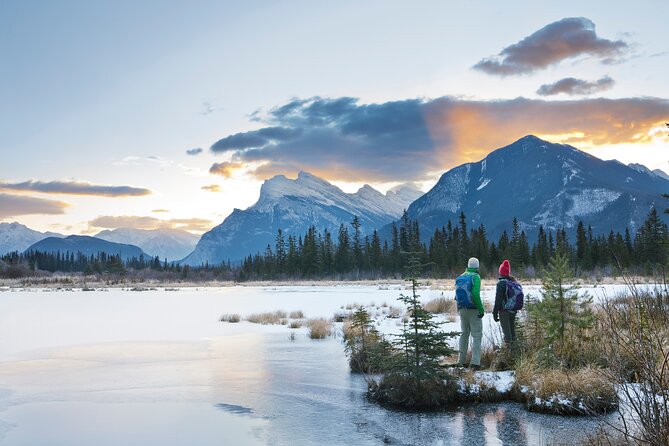
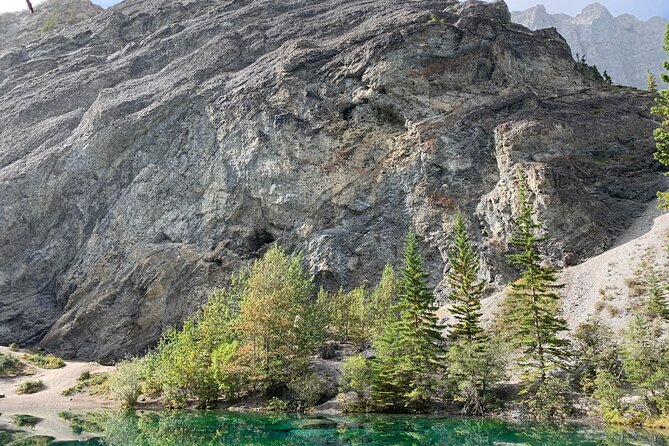
- Mountain scenery comes naturally: Expect peaceful views, possible waterfalls, emerald lakes, and picture-friendly stretches of trail.
- Safety gear is supplied: First-aid equipment, bear spray, and hiking poles are included.
- Summer or winter options: The same family-friendly idea works across seasons, though trail conditions and comfort will change.
Canmore’s Lost Towns Make This Hike Different
Canmore is an easy place to admire from a viewpoint. This tour asks you to walk into its past.
The route uses local trail systems, overgrown wagon roads, and backcountry paths connected with the old mining settlements of the Rockies. The aim is not to find a polished historic site with signs at every corner. Instead, you use the guide’s stories to make sense of places that have largely slipped from view.
That gives the outing a strong sense of purpose. You are not only walking through forest and mountain country. You are following routes once tied to work, transport, mining hopes, and the search for buried wealth.
Georgetown is the key historic focus named for this experience. Its story adds a human scale to the scenery. People came looking for profit and adventure, and the remains of that effort still shape the tales told along the trail. You should expect more storytelling than visible ruins, so book this for interpretation and atmosphere rather than a large mining museum in the woods.
Meeting at Canmore Recreation Centre
The tour starts at the front doors of the Canmore Recreation Centre and returns there after three hours. That simple arrangement is useful: you do not need to arrange a separate shuttle, and the outing fits neatly into a morning or afternoon plan in Canmore.
Look for a guide wearing a black hat and carrying a clipboard. The guide leads the walk in English, and Jacob is one named guide associated with especially strong praise for his storytelling and shared knowledge.
Arrive ready to start outdoors. Hotel pickup and drop-off are not included, so you must make your own way to the recreation centre. Food and drinks are also your responsibility. For a three-hour hike, bring water and a small snack even though neither is supplied.
The group may not always be large. One scheduled outing became a private tour after a date change, which shows that group size can vary. Do not count on a private walk, but a smaller group would make it easier to ask questions and follow the guide’s pace.
More walks and treks around Canmore:
- Banff/Canmore Moraine Lake & Lake Louise– Hike, Canoe or Sightsee
★ 5.0 · 104 reviews - Wilderness and Wildlife Hiking Tour – 3hr Hike
★ 5.0 · 18 reviews - Discover Ancient Pictographs – Guided Canyon Hiking Tour 3H
★ 5.0 · 18 reviews
Following Overgrown Wagon Roads to Georgetown
The walk begins with a guided route through Canmore’s local trail network. The appeal is the change in viewpoint: instead of treating the mountains as a backdrop, you move through routes tied to earlier settlement and mining activity.
Overgrown wagon roads are especially evocative because they suggest how goods and people once moved through the area. Today, the route has a quieter, more natural feel. The guide’s account supplies the missing pieces, explaining why these roads mattered and how a town could disappear from everyday use.
Georgetown gives the historical portion a clear center. Stories of mining, buried treasure, mystery, and riches can sound dramatic, but they also explain the risks that shaped the region. This is history presented as a trail conversation, with legends mixed into the record.
The route includes some elevation gain. One account describes the walk as low-key but notes that it is not entirely without effort. Another rates the hiking complexity very low. Taken together, that suggests an accessible outing for many active walkers, but not a completely level path. Wear shoes with a firm grip and be ready for uneven ground.
Pictographs and Indigenous Stories
The experience also includes discussion of ancient pictographs. This can be one of the most meaningful parts of the walk, especially because the guide connects the physical setting with the Indigenous presence on the land.
The exact pictograph location and condition are not specified, so you should not expect a large display or a long formal presentation. Still, the subject adds depth to the tour. You are learning that the area’s story did not begin with mining towns or prospectors.
One account specifically valued learning about the land and Indigenous people in a way that would be easy to miss without a guide. That is the practical value of this outing: the trail itself may be accessible, but the cultural and historic connections are much harder to spot on your own.
Treat any pictographs with care. Do not touch or disturb rock surfaces, and listen closely to the guide’s instructions about viewing them.
Waterfalls, Lakes, and Quiet Mountain Views
The historical stories are the hook, but the scenery carries much of the three-hour experience. The route promises picture-friendly views, glistening waterfalls, and emerald lakes. These descriptions point to a walk where you get regular chances to pause and look around rather than push through a long, featureless trail.
The scenery also helps balance the darker or more speculative parts of the mining story. After hearing about hardship, risk, and the pursuit of riches, you return to quiet forest, water, and mountain air. One outing was described as peaceful and scenic, which is a useful expectation for the overall mood.
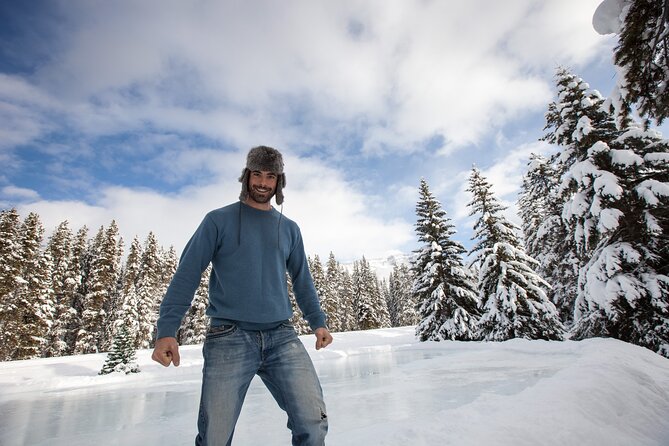
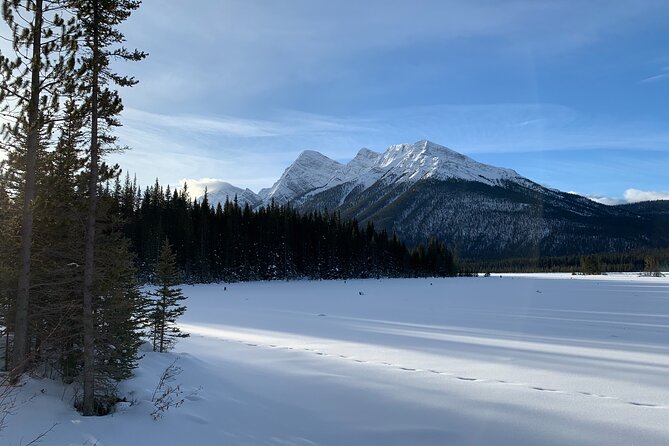
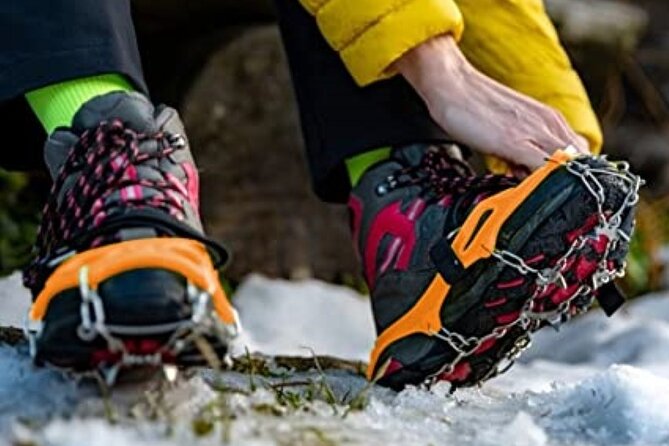
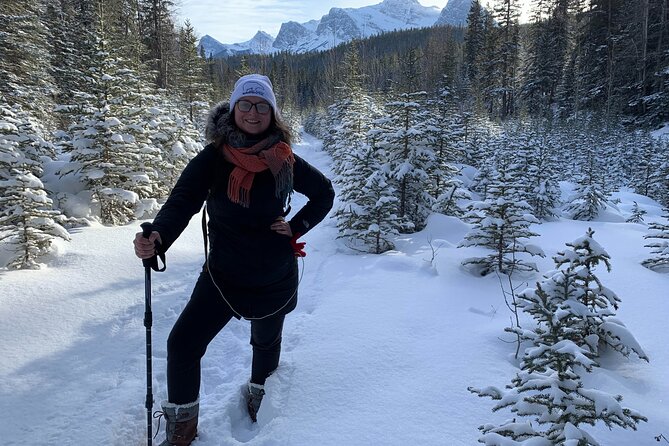
Do not read the highlights as a guarantee that every feature will appear in the same way on every departure. Weather, season, trail conditions, and the exact route can affect what you see. Summer may bring better access to some trails but also mosquitoes. Winter changes the feel of the outing and may require more attention to footing and warmth.
The guide’s pacing matters here. This is a three-hour guided walk, not a race to a single viewpoint. You get the best value if you enjoy stopping for explanations and taking in the surroundings.
A few more Canmore half-days to weigh up
- Canmore Caving Adventure Tour
★ 5.0 · 356 reviews - Canmore Caving Explorer Tour
★ 5.0 · 277 reviews - Canmore: Bow River Scenic Float Tour
★ 4.9 · 257 reviews - Moraine Lake & Louise – Morning or Sunset Tour from Banff/Canmore
★ 5.0 · 194 reviews
Wildlife Stories and Bear Safety
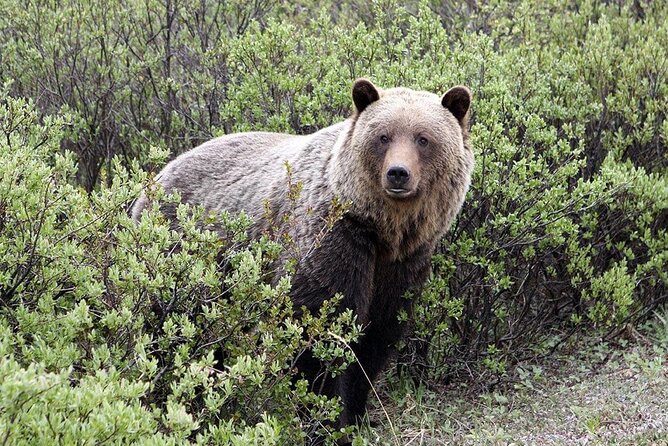
Wildlife is part of the subject matter, and guides share information about animals found in the area. A bear sighting occurred on one outing, but you should treat that as an unusual possibility, not a promised feature.
Bear spray and first-aid equipment are supplied. That is reassuring in a wilderness setting, especially for anyone who does not regularly hike in bear country. The presence of bear spray does not remove the need to stay with the group and follow the guide’s directions.
Bring mosquito spray in summer. This is one of the most useful practical tips for the tour, since a peaceful forest walk can become less pleasant when insects are active. Long, light clothing may also help, though the supplied information specifically calls out mosquito repellent.
The experience is not intended for pregnant people, people with mobility impairments, or people with pre-existing medical conditions. If you have a medical concern, the sensible choice is to ask the operator for clarification before booking rather than assume the gentle pace makes the walk suitable.
Hiking Poles and the Three-Hour Pace
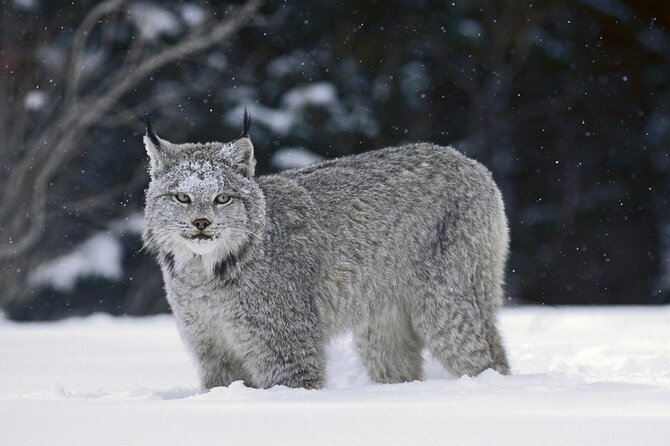
Hiking poles are included, which is a small but useful advantage. Poles can help on uneven sections, descents, or stretches where elevation gain makes the walk more tiring. You do not need to pack your own unless you prefer a particular style.
The three-hour duration is long enough to feel like a real backcountry outing without taking over your entire day. You can combine it with other Canmore plans, but leave room before and after for getting ready, changing clothes, and settling back in.
The walk is described as family-friendly, though no minimum age is provided. That phrase should not be taken to mean the route suits every child. Young walkers need to manage three hours outdoors, some elevation gain, and wilderness trail conditions. Ask the operator about your child’s ability if you are unsure.
The tour runs in summer and winter. Season affects comfort more than the basic theme. In summer, insects and warmth may matter. In winter, cold, snow, and footing become more important. The operator can confirm available start times and seasonal details when you check the date.
What You Actually Get for the Price
No tour price is provided here, so I cannot judge the exact cost. I would assess it against what is included: a local guide for three hours, safety equipment, and hiking poles.
The value is strongest if you want more than a marked trail. A self-guided walk costs less, but it will not automatically explain Georgetown, mining legends, wildlife, Indigenous connections, or pictographs. The guide is the central product, not a taxi or a ticket to a built attraction.
You are also paying for convenience and confidence. Bear spray and first-aid supplies are handled for you, and the guide chooses and leads the route. For a visitor unfamiliar with Canmore’s local trails, that can make the difference between simply walking outdoors and understanding what you are seeing.
The value is weaker if you want a strenuous summit hike, a guaranteed bear sighting, a large collection of visible ruins, or a formal archaeology tour. This is a story-led wilderness walk with scenery, not a high-altitude challenge or a museum visit.
Who Will Enjoy This Canmore Hike
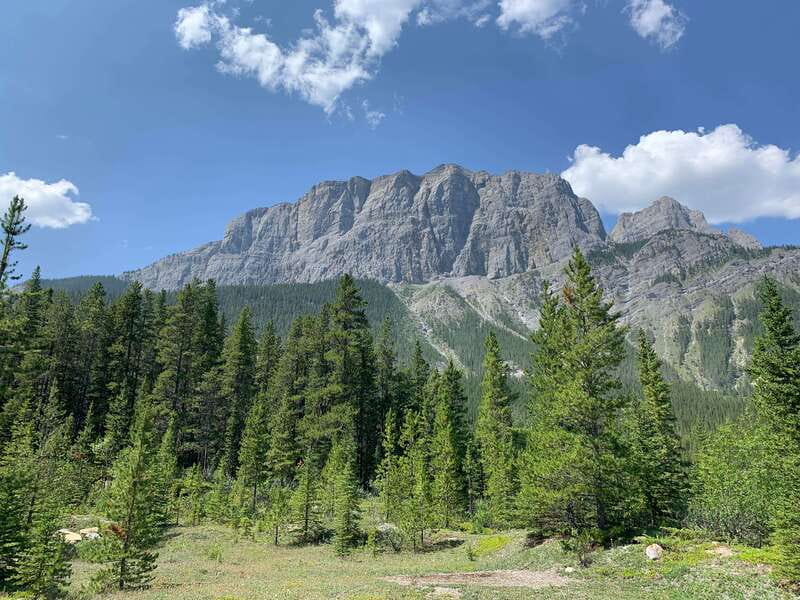
I would choose this tour if you like history with your walking. It suits people who want to hear local stories, ask questions, and see a quieter side of Canmore rather than spend the entire day on the busiest viewpoints.
It is also a good match for visitors who want a manageable introduction to backcountry hiking. The route is not presented as highly technical, and the supplied poles and safety equipment remove some practical hurdles. You still need to be comfortable walking on uneven trails and handling some elevation gain.
Families with active older children may find the format appealing, but the operator does not provide a specific age range. People with mobility limits, pregnancy, or pre-existing medical conditions should not assume the tour is appropriate.
If your main goal is photography, the lakes, waterfalls, and mountain views provide plenty of reason to carry a camera. If your main goal is history, the quality of the experience depends heavily on how much you enjoy spoken storytelling. The lost-town remains may be subtle rather than dramatic.
Simple Preparation for a Better Walk

Wear sturdy walking shoes and dress for the season. You will be outdoors for three hours, and the route can include elevation gain and uneven trail.
Bring drinking water, food if you need it, and mosquito spray for summer departures. Food and drinks are not included. You should also carry weather protection because the supplied information does not promise sheltered stops.
Meet at the recreation centre’s front doors and look for the black hat and clipboard. Since transportation from hotels is not included, plan your route to Canmore Recreation Centre before the start time.
The tour allows free cancellation up to 24 hours before departure, with a full refund. You can also reserve now and pay later, which helps if your mountain trip depends on weather or a changing schedule. Check the available start times for your chosen date.
Should You Book Canmore Lost Towns and Untold Stories?
Book it if you want a relaxed wilderness walk with a strong local-history angle. The combination of Georgetown, old wagon roads, mining legends, wildlife stories, Indigenous context, and pictographs gives the outing more substance than a basic nature walk.
You should also book it if you value a guide’s interpretation more than a demanding physical challenge. Jacob is one guide praised for clear storytelling, and the supplied feedback gives the guiding and stories the strongest marks.
Think twice if you need a flat route, have a condition listed under the restrictions, or want guaranteed ruins, waterfalls, lakes, or wildlife. For everyone else, this is a thoughtful way to spend three hours in Canmore: active enough to feel like an adventure, gentle enough to leave time for listening, and unusual enough to show you a part of the Rockies that is easy to miss alone.
FAQ
Where does the Canmore lost towns hike start?
Meet at the front doors of the Canmore Recreation Centre. The guide will be wearing a black hat and carrying a clipboard.
Where does the tour finish?
The guided walk returns to the Canmore Recreation Centre.
How long does the experience last?
The tour lasts three hours.
What language is the tour conducted in?
The live tour guide speaks English.
Is a professional guide included?
Yes. A professional guide leads the walk and shares information about Canmore, mining towns, wildlife, Indigenous people, and ancient pictographs.
Are hiking poles provided?
Yes. Hiking poles are included.
Is bear spray provided?
Yes. Safety equipment, including bear spray and first-aid equipment, is included.
Are food and drinks included?
No. You need to bring your own food and drinks.
Is hotel pickup and drop-off included?
No. Hotel pickup and drop-off are not included. You must get to and from the Canmore Recreation Centre yourself.
Can I cancel for a refund?
Yes. You can cancel up to 24 hours in advance for a full refund. The activity also offers reserve now and pay later booking.
Just added around Canmore
- Yoho National Park: Emerald Lake and Takakkaw Falls★ 5.0 · 4 reviews
- Rocky mountain – VIP Experience – Private Boat★ 5.0 · 6 reviews
- Sunset at Moraine Lake & Stargazing Tour from Canmore/Banff★ 5.0 · 95 reviews
- 2 Day Banff Lake Louise Johnston Canyon Gondola Cave Basin tour★ 4.5 · 8 reviews
- Banff/Canmore Moraine Lake & Lake Louise– Hike, Canoe or Sightsee★ 5.0 · 104 reviews
- Experience Golden Hour at Moraine and Lake Louise★ 5.0 · 18 reviews
- Private Tour: Majestic Mountains PHOTO SAFARI Drive – 4H★ 5.0 · 4 reviews
- Full Day Private Tour Banff/Yoho Customized Sightseeing★ 4.5 · 31 reviews
Canmore Tours, compared.

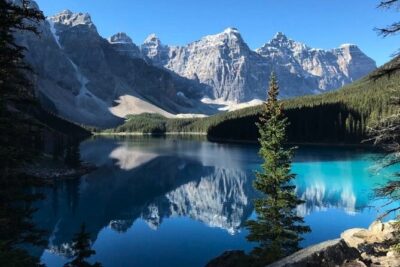
Moraine Lake & Louise – Morning or Sunset Tour from Banff/Canmore
Read our review →
Moraine Lake Sunrise(2.5hrs)&Lake Louise(2hrs) from Canmore/Banff
Read our review →
From Canmore/Banff: Moraine Lake Sunrise & Lake Louise Tour
Read our review →
Moraine Lake & Louise & Banff Day Tour From Calgary-Canmore-Banff
Read our review →Browse the lists this tour appears in