
Review · CANOES & KAYAKS
6 Hour Algonquin Park Canoe Trip
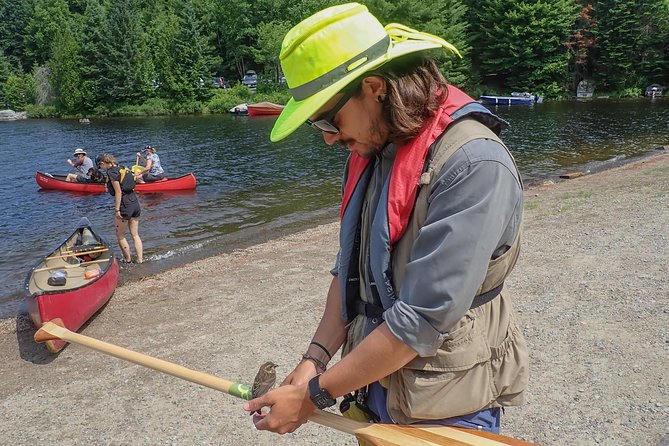
Algonquin Park reveals its best side from the water. This six-hour trip links two lakes by canoe, with up to 10 miles of paddling, a 600-meter portage, a short hike, and quiet coves where reflections do most of the talking. You may also swim, jump from a rock, and sample wild food in season.
I like the small maximum group of 11, since a guide can give real paddling help instead of shouting instructions from far away. I also like the practical mix of canoeing, a lookout walk, a picnic sandwich from Henrietta’s Pine Bakery, and time for a swim.
The catch is simple: this is not a gentle sightseeing cruise. Expect a moderate workout, wet feet, and plenty of paddling. Some outings cover roughly 13 kilometers, and the portage can feel long when your shoulders are tired.
Key points to know before you book
- Two lakes and up to 10 miles of paddling: You get a proper day on the water, not just a short canoe loop.
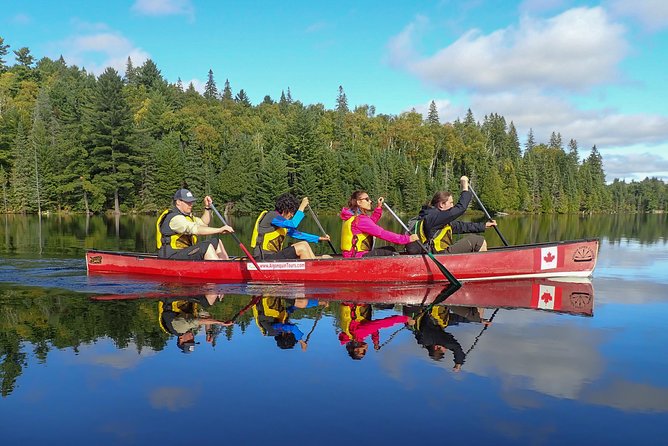
- Four-seat canoes: Families with children aged 7 and up can share a boat, and small groups may have a canoe to themselves.
- A 600-meter portage and 1.5-kilometer hike: The route includes carrying the canoe and walking uphill to a scenic lookout.
- Lunch and wild food samples included: Expect a sandwich from Henrietta’s Pine Bakery, a granola bar, local bakery treats, and seasonal edible plants.
- Swimming and optional cliff jumping: These activities depend on conditions, timing, and the guide’s judgment.
- Bring serious practical gear: You need 2 liters of water, proper water shoes, rain protection, and clothing suited to the forecast.
Why this Algonquin canoe trip feels like a real outing
Many canoe trips give you a paddle, a life jacket, and a short route around one pretty lake. This one asks more of you, then gives you more in return. You move through quiet water, carry the canoe between lakes, walk to a viewpoint, stop for lunch, and learn how people and wildlife fit into Algonquin’s story.
The route begins at Canoe Lake Access Point 5, at Highway 60 kilometer 14.1. The meeting time is 11:30 a.m., and the activity finishes back at the same point. You are not left to puzzle out a route through a large park, which matters in Algonquin, where a wrong turn can waste both energy and daylight.
A naturalist guide handles canoe instruction, safety, and nature interpretation. Guides associated with this experience include Enzo, Andrew, Diego, Jim, and Blake. The guide can explain steering and paddling, point out wildlife, discuss the park’s human and natural past, and help the group manage the harder sections.
The group limit of 11 keeps the outing personal without making it private. Canoes seat four people, so a family can paddle together, and a smaller party might have a boat to itself. Seating arrangements depend on the group, but the four-person design is useful for children and mixed-ability groups.
More paddling days around Ontario:
- 3-Day Algonquin Park Canoe Trip
★ 5.0 · 8 reviews - Algonquin Park: Deluxe 4-Day/3-night Canoeing/Camping
★ 5.0 · 5 reviews - Banff National Park Big Canoe Tour
★ 5.0 · 303 reviews
Starting at Canoe Lake, where park stories meet quiet water
The first portion explores Canoe Lake and its smaller corners. The main access point can be busy with paddlers coming and going, but the guide takes you away from the launch area toward calmer water and secluded inlets.
This is where the trip settles into its rhythm. You learn how to hold the paddle, steer, and work with the other people in your canoe. If you are rusty, do not assume you need expert skills. The instruction is part of the outing, though you still need enough fitness to keep paddling for several hours.
Canoe Lake also gives the guide a natural place to explain the area’s human history. You paddle past a totem memorial that can be seen from the water, and the guide discusses the story behind the place. The park is not only trees and water. Its routes, camps, memorials, and old travel patterns add another layer to what you are seeing.
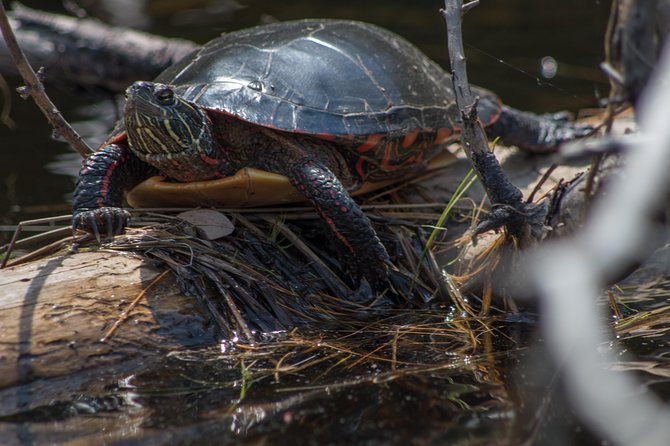
Keep your eyes open along the shoreline. Birds, turtles, and squirrels are the more usual sightings. Moose and other mammals appear only occasionally, so treat them as a lucky bonus rather than a promise. One section of the route may include a search for moose, but you might spend only a short time there and still see none.
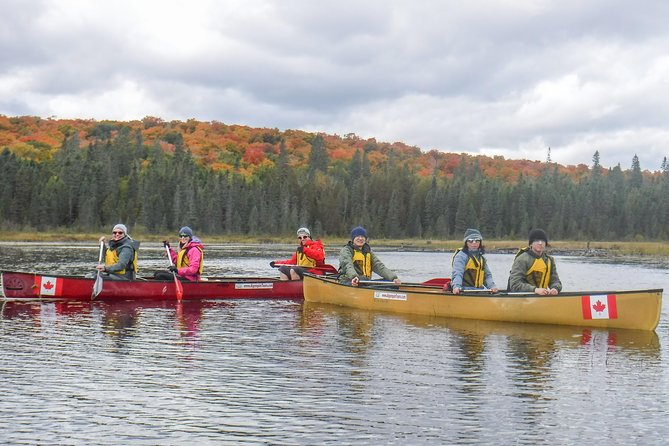
The water is often the main attraction. Reflections, lily-filled channels, and sheltered corners give the canoeing a calm feel, even though the overall day is active. This contrast is one of the trip’s strengths: you work hard in one stretch, then glide quietly through a bend with little more than paddle sounds.
The portage and second lake add the workout
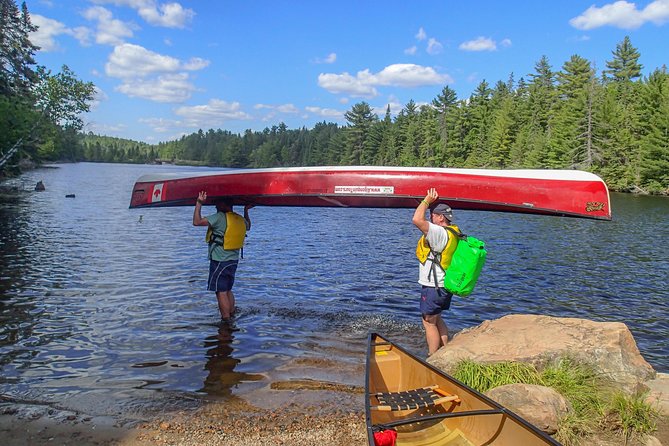
The route includes two lakes and a portage of about 600 meters. Portaging means carrying gear and canoe over land, often on an uneven route. It is a traditional part of canoe travel, but it is also the point where an easy day on the water becomes a physical challenge.
You will need shoes that can handle water and rough ground. The instructions specifically call for water shoes because some walking is knee-deep in water. Flip-flops, slides, Crocs, and bare feet are not suitable. This is not a place to protect your favorite sneakers.
The total paddling distance varies, with the route described as roughly 8 to 16 kilometers. Some outings reach about 13 kilometers. That range matters. Weather, group pace, water conditions, and the guide’s decisions all shape the day, but you should prepare for the longer end if you want to feel ready.
The guide sets the pace, yet you still share the work. If you have not paddled in years, your arms and shoulders may notice the return journey. A past outing was described as challenging but rewarding by someone getting back on the water after a long break. That is a fair way to think about it: manageable for a reasonably fit person, but not effortless.
The lookout hike rewards the effort
At some point, you leave the canoes for a roughly 1.5-kilometer hike to a scenic lookout. It is short enough to fit into a half-day activity, but it adds another physical layer after the portage and paddling.
The payoff is a wider view over Algonquin’s lakes and forest. From the canoe, you see reflections and shoreline details. From the lookout, you gain a broader sense of the connected water and wooded terrain. The shift in viewpoint makes the stop worthwhile.
The picnic takes place around this part of the route. Lunch includes a sandwich from Henrietta’s Pine Bakery and a granola bar, with local country bakery treats also part of the food experience. The food is simple, practical, and well suited to a day when you have been using your arms and legs.
Dietary restrictions and allergies should be reported as soon as possible. Do not assume the guide can solve a food issue at the last minute. Bring your own extra snack if you know you need more than a sandwich and granola bar to stay fueled.
Same base, a completely different sort of day:
- 3-Hour 1000 Islands Cruise from Gananoque with views of Boldt Castle
★ 4.0 · 388 reviews - Boldt Castle and Thousand Islands Helicopter Tour
★ 5.0 · 255 reviews - 5-Hour 1000 Islands Boldt Castle Stopover Cruise from Gananoque
★ 4.0 · 236 reviews - Wine Tasting and Pairing Afternoon Tour
★ 5.0 · 126 reviews
Swimming, rock jumping, and seasonal wild food
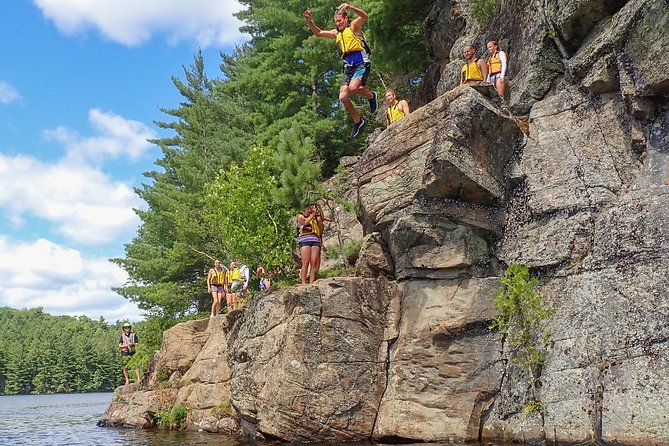
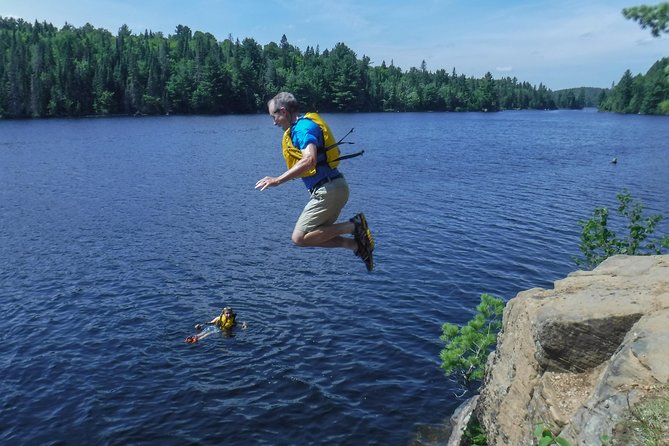
The trip can include swimming and optional cliff jumping. The jump is not compulsory, and it should not be the reason you book unless you are comfortable with the guide deciding what is safe that day. One outing omitted the jump despite interest from several people, which is a useful reminder that safety and timing come first.
Swimming offers a gentler way to cool off. The water may feel refreshing after a long paddle, but remember that the activity still has a return journey. Do not use the swim as an excuse to leave your water bottle, rain jacket, or towel behind. The supplied information does not promise towels or extra dry clothing.
The guide may also introduce wild edibles found in the forest, with samples available in season. This is a small but memorable detail. You are not simply looking at the woods. You are learning what people can recognize and use, under the direction of someone who knows the local plants.
Do not pick plants on your own. The value is in the explanation and controlled sampling, not in collecting food for later. Availability depends on the season, so this part may be limited.
Wildlife watching runs through the whole trip. Birds, turtles, and squirrels are common possibilities, while moose and other mammals are less predictable. Bring patience. A canoe is a good viewing platform, but nature does not follow a schedule.
What the guide adds to the day
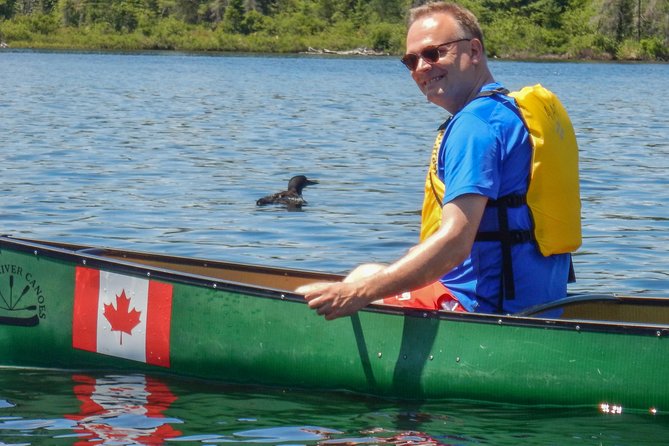
The guide is the difference between a route and an experience. You receive canoe instruction, safety guidance, and interpretation of nature and park history. That combination helps first-time paddlers settle in and gives experienced canoeists more to notice.
Enzo is one guide named for the experience, and Andrew, Diego, Jim, and Blake have also led outings. The strongest descriptions of the guiding emphasize warmth, clear paddling instruction, and useful information about the park. You should expect the personality and exact style to vary by guide, but the role is consistent.
A good guide also reads the group. If paddlers are tiring, the return can be adjusted in pace and tone. One account specifically noted care for older participants when fatigue set in. That does not remove the physical demand, but it suggests the outing is not run as a race.
The guide may also decide how much time to spend looking for wildlife, when to stop for lunch, and if the rock jump fits the day. That flexibility is useful, though it means the experience will not follow a rigid minute-by-minute schedule.
What to pack for six hours outside
Water is not included, and you must bring 2 liters per person. That is a serious amount for a warm day with paddling and hiking. A small bottle is not enough.
Wear clothing that can handle water, sweat, and changing weather. The essential list includes:
- Water shoes for knee-deep walking
- A proper rain jacket
- Rain pants outside July and August
- Warm clothing if the forecast is cool
- 2 liters of water per person
Mosquitoes can be a problem, especially in wet conditions and forested areas. Insect protection is not listed as included, so bring it. Check the forecast before leaving, and do not rely on a thin fashion jacket as rain gear.
The experience provides the canoe, paddle, and life jacket. It also provides the guide, lunch, the short lookout hike, seasonal wild edible samples, and high-quality tour photos shared through Facebook. The photos are a nice extra, but you should still protect your own phone from water if you want personal pictures.
The park requires a daily vehicle permit, which is not included. Choose the HWY 60 Corridor location on the Ontario Parks website. You also pay the guide tip separately, with 5 to 10 percent suggested, and cash requested.
Is the $107.49 price good value?
At $107.49 per person, this is not the cheapest way to sit in a canoe for an hour. It is also more than a self-guided paddle, where you bring your own route, food, and equipment.
The value improves when you count what is included. You receive a naturalist guide, canoe instruction, safety support, shared canoe equipment, lunch, a hike, wild food sampling, optional swimming and cliff jumping, wildlife interpretation, and photos. You also avoid planning a route across two lakes and a portage.
For a family, the four-seat canoe arrangement can make the price easier to justify. Children aged 7 and up can take part, though parents should judge their child’s stamina carefully. Six hours is a long time for a young child who does not enjoy steady paddling.
The extra park permit, tip, water, food for special diets, and clothing costs should be part of your budget. The listed price is a fair package price for an active guided day, particularly if you value instruction and local interpretation. It is less attractive if you mainly want a quiet float with minimal effort.
Who should book this trip?
I would choose this for an active couple, a family with older children, or a small group of friends who want several kinds of outdoor activity in one day. It works especially well if you are visiting Algonquin without the confidence or time to plan a canoe route yourself.
You should have a moderate fitness level. The paddling, portage, and hike are not optional parts of the standard route, even though the cliff jump is. Older paddlers can enjoy it, but you need to be honest about your stamina and prepare for a full day of movement.
This is less suitable if you want guaranteed moose sightings, a completely dry outing, or a leisurely cruise. It is also a poor match for anyone unwilling to carry a canoe, walk in water, or paddle for several hours.
The activity needs good weather. If the operator cancels because conditions are poor, you are offered another date or a full refund. Your own cancellation is different: the booking is non-refundable and cannot be changed for any reason, so check your schedule before paying.
Should you book the Algonquin canoe trip?
Book it if you want a varied, active day rather than a simple boat ride. The best parts are the quiet water on Canoe Lake, the lookout, the bakery lunch, the guide’s park stories, and the chance to finish with a swim or rock jump.
Go in prepared. Bring enough water, proper water shoes, rain gear, insect protection, and clothing for the forecast. Expect a workout, and understand that wildlife and cliff jumping are possibilities, not guarantees.
If that sounds like your kind of day, the $107.49 cost is reasonable for the equipment, guiding, food, and route planning you receive. If you prefer easy sightseeing, choose a shorter paddle instead.
FAQ
Where does the canoe trip start and finish?
It starts and ends at the Canoe Lake Access Point Permit Office, located at Highway 60 kilometer 14.1 in Ontario’s Unorganized South Nipissing District.
What time does the activity begin?
The scheduled start time is 11:30 a.m., and the outing lasts about six hours.
How much paddling is involved?
The route covers about 8 to 16 kilometers of paddling, or up to roughly 10 miles, depending on the route and conditions. It also includes a 600-meter portage between lakes.
Are children allowed to join?
Yes. The four-seat canoes are suitable for families, and children aged 7 and older can take part. Everyone should be ready for the paddling, portage, and hike.
What equipment and food are included?
The trip provides a naturalist guide, shared four-person canoe, paddle, life jacket, sandwich from Henrietta’s Pine Bakery, granola bar, and seasonal wild edible samples. You must bring your own water, water shoes, rain gear, and suitable warm clothing.
Is the park permit included?
No. You need to arrange the Algonquin Park daily vehicle permit separately, selecting the HWY 60 Corridor location on the Ontario Parks website.
Just added around Ontario
- Private Singhampton Caves Hiking Tour, Collingwood/Blue Mountain★ 5.0 · 32 reviews
- Wine Tasting and Pairing Afternoon Tour★ 5.0 · 126 reviews
- Toodle Tour in Port Hope Ontario★ 5.0 · 6 reviews
- Thousand Islands Helicopter Tour★ 5.0 · 100 reviews
- Thousand Islands Two Castle Helicopter Tour★ 5.0 · 52 reviews
- Rouge River Classic Whitewater Rafting Package★ 4.5 · 42 reviews
- Guided Craft Beer Tour in Niagara★ 4.5 · 6 reviews
- Private Boat Tour at Fathom Five National Marine Park★ 5.0 · 24 reviews
Canoes & Kayaks, compared.
Banff National Park: Big Canoe River Explorer Tour
Read our review →
Snorkel, Kayak, and Seal Adventure: Vancouver Boat Tour
Read our review →
Wild Current Canoe Adventure Join a small group
Read our review →
River Explorer | Big Canoe Tour in Banff National Park
Read our review →
Browse the lists this tour appears in