Review · BANFF
Rock Climbing Adventure in Banff: Beginner
Rock climbing in Banff is a fine way to trade a few hours of sightseeing for something hands-on. You’ll climb real outdoor routes in Banff National Park, start with the basics, and work upward at a pace that suits your group. Even complete beginners get a proper introduction rather than being pushed straight onto a wall.
I especially like the small group limit of eight, since climbing instruction is much better when your guide has time to watch your feet, adjust your technique, and answer questions. I also like that the day can grow with you: guides such as Jacob, Dustin, Janet, Austin, and Sebastien have helped first-timers while also covering mock leads, anchors, rappelling, and other more technical skills when appropriate.
The main point to plan around is the gear fitting. One family had trouble finding comfortable climbing shoes at the outdoor site, so ask about sizing before the day begins if shoe fit matters to you. You’ll also need to bring lunch and make your own transportation arrangements.
Key points to know before you climb
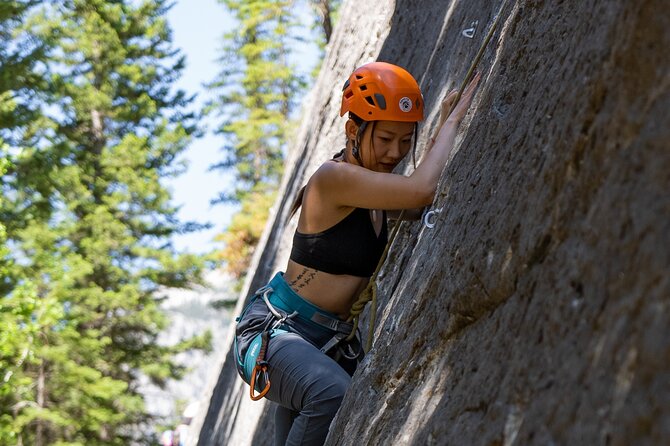
- You climb outdoors in Banff National Park, not just in a practice gym.
- Groups are capped at eight, allowing useful one-on-one coaching.
- Beginners are welcome, including people with no previous climbing experience.
- The seven-hour schedule gives you time for several routes, not just one quick climb.
- All core climbing equipment is supplied, including helmet, harness, shoes, ropes, and belay devices.
- Families with children under 10 should ask about the half-day option before booking.
Starting early on Bear Street
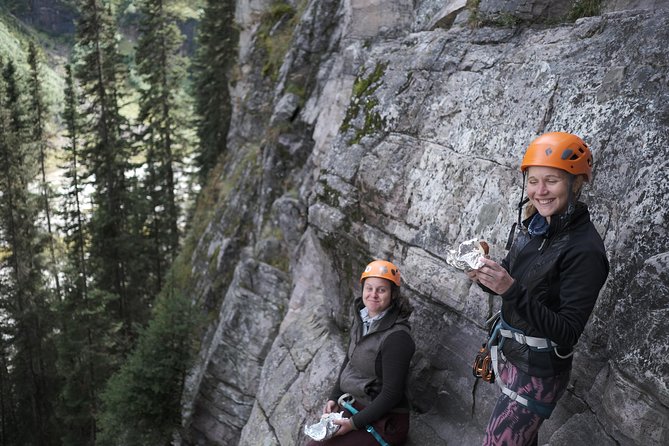
Your day starts at 7:45 am at 229 Bear St in Banff. That early meeting time is practical for a seven-hour outdoor program, giving you a full day for instruction and climbing rather than squeezing the activity into a short afternoon slot.
The activity returns to the same meeting point at the end. Private transportation is not included, so you’ll need to get yourself to Bear Street and back. This is worth sorting out before the morning, especially if you are staying outside central Banff or carrying extra layers and food.
The program is offered in English. Confirmation arrives when you book, and the maximum group size is eight. That cap matters more here than it would on a standard sightseeing outing. At a climbing area, your guide needs to check harnesses, watch belay work, and give useful pointers while each person climbs.
More Banff and Bow Valley days:
- Banff: Banff Gondola Admission Ticket
★ 4.7 · 3,698 reviews - Lake Louise, Moraine Lake, Banff Tour from Calgary/Canmore/Banff
★ 5.0 · 2,792 reviews - Banff Gondola Ride Admission
★ 4.5 · 2,688 reviews
Learning the rules before leaving the ground
Safety comes first, and that is exactly what you want in an outdoor climbing course. Before you start working up the rock, the guide covers site safety, awareness of your surroundings, and overhead hazards.
That last point is easy to overlook when you are excited to climb. Outdoor rock areas require attention above and around you, not just to the route in front of your face. The course gives you a foundation for spotting risks and behaving properly at a shared climbing site.
You’ll also learn about top-rope belaying and, depending on the group and the guide’s judgment, lead-climbing belay skills. The guide does not simply attach you to a rope and send you upward. You get an introduction to how the system works and why each safety step matters.
The teaching style appears to be encouraging without treating adults like children. Jacob is described as easygoing and good at keeping the day enjoyable, while Dustin is praised for being careful, clear, and willing to explain the more technical parts. Those are useful qualities when you are nervous at the start.
Climbing several routes instead of stopping at one
The heart of the day is climbing a variety of routes at a local outdoor area. The exact routes depend on the site, conditions, and your group, but the schedule is built around giving you as much climbing as you can comfortably handle.
That makes the experience more useful than a single staged ascent. You can try a route, learn from it, rest, then apply the advice on another. One full-day group managed six different climbing spots, which gives you a sense of the variety possible when conditions and timing cooperate.
You might begin on a relatively approachable climb while the guide watches how you move. From there, the guide can suggest better foot placement, body position, or ways to handle a difficult section. The aim is not only to reach the top. It is to help you understand why one movement works better than another.
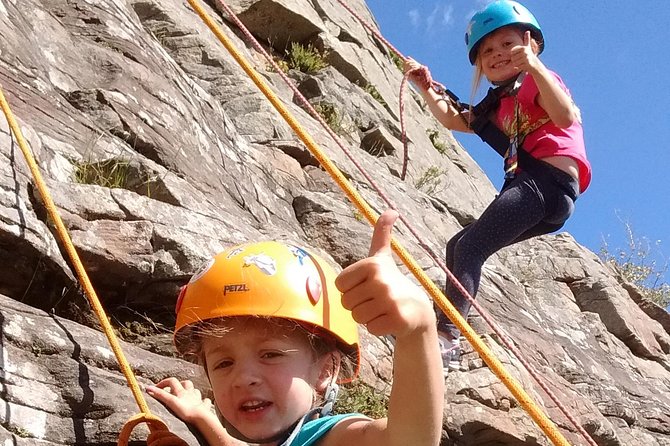
The guides also adjust the challenge as your confidence improves. A family with children aged nine and 13 received patient coaching, and the older child eventually tried a 10a route. That does not mean you should expect a particular grade. It does show that the day can offer more than a gentle introduction if someone in your group is ready to stretch.
What beginners can expect to learn
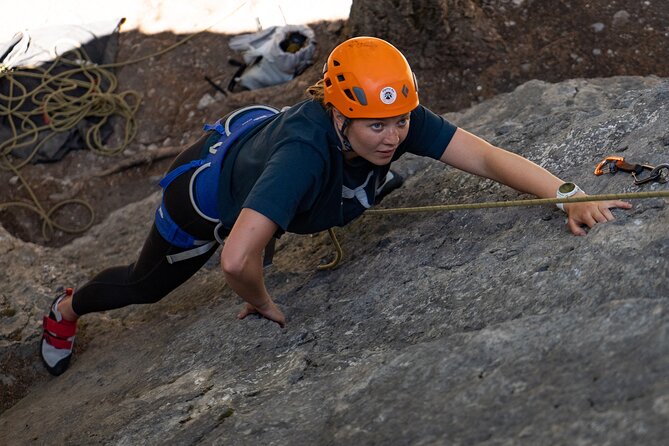
You do not need previous outdoor climbing experience. The guide begins with basic technique and safety, then adds more advanced material when it fits your ability and the time available.
Core lessons include:
- Site safety and awareness
- Recognizing overhead hazards
- Top-rope belaying
- Belaying lead climbers
- Basic climbing technique
Extra instruction may cover steeper rock, using quickdraws on bolted routes, building top-rope anchors, mock leads, and rappelling. These topics are not guaranteed as a fixed checklist for every group, so think of them as possible additions rather than promises.
For a first outdoor climbing day, that structure makes sense. You can focus on moving well and staying safe instead of worrying that you must master every rope skill at once. If you already climb indoors, the outdoor setting gives you a chance to learn how rock, anchors, route reading, and exposure differ from gym climbing.
One indoor climber with no outdoor experience found the transition approachable with the help of the guide. That is the right expectation: this is not an advanced alpine course, but it can be a useful first step beyond indoor walls.
Same base, a completely different sort of day:
- Columbia Icefield Tour with Glacier Skywalk
★ 4.5 · 1,860 reviews - Emerald Lake, Moraine, Louise, Johnston Canyon & Banff Town
★ 4.9 · 1,554 reviews - Lakes Moraine, Louise, Emerald, Johnston Canyon & Yoho Tour
★ 4.8 · 1,023 reviews - Jasper: Columbia Icefield Skywalk
★ 4.3 · 916 reviews
The value of a small group in a technical sport
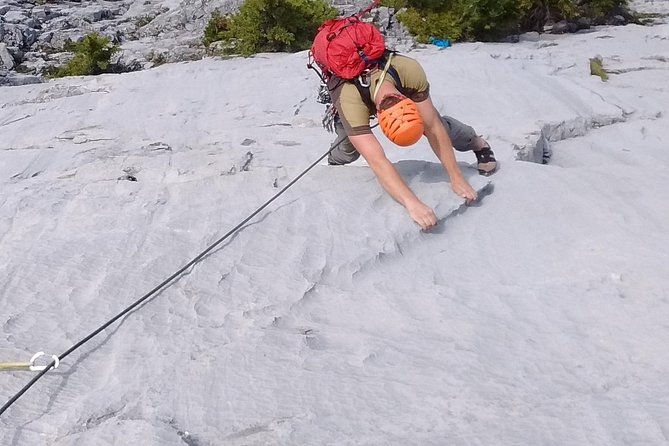
A group of no more than eight is not private instruction, but it is still small enough for personal attention. In climbing, that difference can shape the entire day.
You may need help choosing a foothold, managing nerves, adjusting your harness, or understanding a belay command. A guide who can keep track of a compact group has more opportunity to offer those small corrections. Austin, for example, helped a climber who felt stuck by suggesting a new approach that made the move possible.
Small groups also make it easier to set a shared pace. One person may be climbing for the first time, while another has indoor experience. The guides have shown they can adapt climbs to different ages and skill levels rather than forcing everyone into the same challenge.
There is one tradeoff. A group activity means you will sometimes wait while another person climbs, especially if all eight places are filled. That time is part of the normal rhythm of rope climbing, and it can also give you a chance to watch the techniques being taught.
Equipment is included, but shoe fit deserves attention
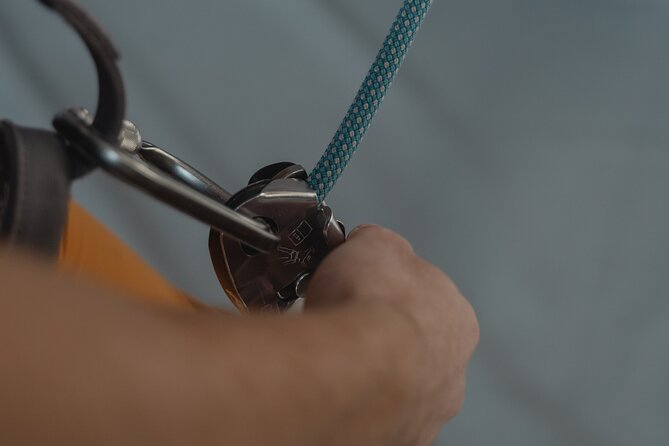
The price includes a helmet, harness, climbing shoes, ropes, and belay devices. That is a strong convenience for beginners. You do not need to buy or rent a complete set of climbing equipment before trying the sport.
Climbing shoes should fit closely, but they should not make the day miserable. One family found that the available sizes at the climbing area did not suit everyone. A size 8 climber had to choose between shoes that were too small and shoes that were too large, while another family member found that oversized shoes made toe work harder.
This is the clearest practical weakness to address before booking. Ask the provider about shoe sizes and fitting arrangements in advance. The company has said that more shoes were on order and that it has used advance sizing and fitting before, but parking and traffic in Banff have also led it to bring shoes to the climbing area.
If you have unusual footwear needs, do not leave this until the morning of the climb. A poor fit may not ruin the day, but it can cause discomfort and make precise footwork more difficult.
Banff scenery with a purpose
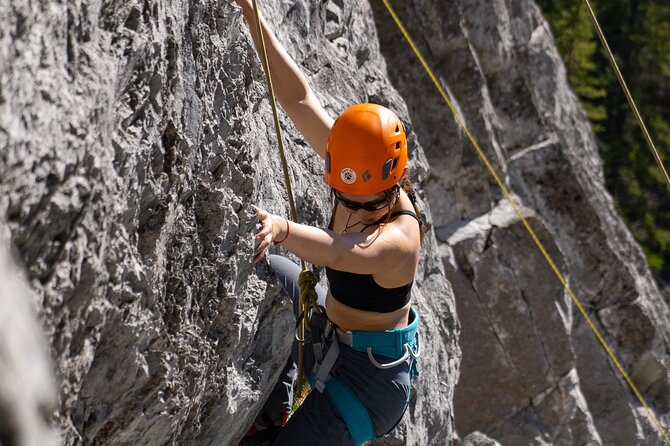
The outdoor setting is not just a backdrop. You are learning to read rock, move over natural features, and manage yourself on a real climbing site in Banff National Park.
The setting also gives the day a stronger sense of place than an indoor lesson. You are not simply exercising in a gym before returning to the rest of your holiday. You are putting new skills to use in the same mountain area where you came to enjoy the outdoors.
The experience depends on good weather. That is both a benefit and a limitation. A clear day can make the climbing area memorable, but poor conditions may lead to a new date or a full refund. Weather is part of the bargain with any outdoor Banff activity, so keep some flexibility in your schedule if this is a priority.
Food, timing, and what to bring

The program lasts about seven hours and starts early. Lunch is not included, so bring food and water for the day. The supplied information does not specify a meal stop or food arrangements, so do not count on lunch being provided at the climbing area.
Wear clothing that allows free movement and be prepared for a full day outside. The supplied gear covers the technical essentials, but you remain responsible for personal food and transportation.
The long schedule is useful if you want more than a quick introduction. It allows time for safety instruction, several routes, rest periods, and coaching. If your group includes young children, ask about the half-day program for children under 10. A shorter format may suit younger climbers better than a full day.
Who will get the most from this Banff climb
This activity suits families, friends, and couples who want an active day together. It works particularly well when people in the group have different experience levels, since the guides can begin with basic skills and add harder material as appropriate.
It is also a good match for indoor climbers who want their first outdoor lesson. You can bring some familiarity with climbing movement, while the guide fills in the outdoor skills and safety habits.
You should think twice if you dislike early starts, outdoor weather, or waiting your turn in a group. The activity is also a poor fit if you want private transport, a catered lunch, or a guaranteed advanced climbing curriculum.
Most people can participate, and service animals are allowed. The experience is offered in English. Children under 10 should be discussed with the provider because a half-day option may be more suitable.
Is $112.39 a fair price?
At $112.39 per person, the value depends on how much use you make of the day. For a beginner, the fee covers a guide, a full set of climbing equipment, safety instruction, and several hours on outdoor routes. That is more useful than paying for a brief first climb and then having to arrange equipment separately.
The small group limit adds value, since good coaching is central to learning this sport. The strongest part of the experience is not only reaching the top of a route. It is getting clear instruction from guides who can help you move past a sticking point, choose a suitable challenge, and build confidence safely.
You will need to add lunch and your own transportation. Shoe availability may also affect comfort, so confirm sizing before you commit. For a seven-hour activity in Banff, the price is reasonable if you want active instruction rather than a passive mountain outing.
Cancellation and weather flexibility
You can cancel up to 24 hours before the start time for a full refund. Changes or cancellations made less than 24 hours before the start are not accepted for a refund.
Bad weather can cancel the activity. In that case, you are offered another date or a full refund. The same applies if the minimum number of participants is not reached. Since the program relies on outdoor conditions, avoid scheduling it on the final morning of a tightly packed trip if you can help it.
Should you book this climbing day?
Book it if you want a real outdoor introduction to climbing, have about seven hours available, and like the idea of learning while you do. The guides have shown particular strength with nervous beginners, children, and mixed-experience groups. Jacob, Dustin, Janet, Austin, and Sebastien are all associated with patient, encouraging instruction in the available feedback.
I would book with two checks first: confirm climbing shoe sizes and make sure you can reach the Bear Street meeting point for 7:45 am. If those details work, this is a strong choice for families and friends who want a memorable active day in Banff, with enough instruction to leave you safer and more capable than when you arrived.
FAQ
How long does the rock climbing experience last?
The program lasts approximately seven hours, including instruction and outdoor climbing.
What time and where does the activity begin?
It begins at 7:45 am at 229 Bear St, Banff, Alberta, T1L 1C3.
Where does the activity end?
The activity ends back at the same meeting point on Bear Street.
Is climbing equipment included?
Yes. The fee includes climbing shoes, helmet, harness, ropes, and belay devices.
Do I need previous rock climbing experience?
No. The program is designed for all experience levels and starts with basic safety and climbing instruction.
Is lunch included?
No. Lunch is not included, so you need to bring or arrange your own food.
How many people can join the group?
The maximum group size is eight participants.
What happens if the weather is poor?
If poor weather causes a cancellation, you are offered a different date or a full refund. You can also cancel at least 24 hours before the start time for a full refund.
Just added around Banff
- Jasper to Banff One-Way Tour★ 5.0 · 76 reviews
- Sunset at Moraine Lake & Stargazing Tour from Canmore/Banff★ 5.0 · 95 reviews
- 2 Day Banff Lake Louise Johnston Canyon Gondola Cave Basin tour★ 4.5 · 8 reviews
- Banff/Canmore Moraine Lake & Lake Louise– Hike, Canoe or Sightsee★ 5.0 · 104 reviews
- Full Day Private Tour Banff/Yoho Customized Sightseeing★ 4.5 · 31 reviews
- Shared Tour: Lake Louise & Emerald Lake from Canmore/Banff★ 4.5 · 5 reviews
- Sunrise at Moraine Lake & Lake Louise from Calgary/Canmore/Banff★ 4.5 · 13 reviews
- Moraine Lake and Lake Louise day Tour from Canmore and Banff★ 5.0 · 9 reviews
Banff Tours, compared.
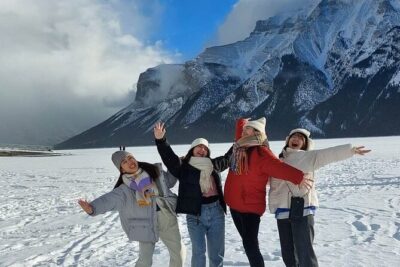
Lake Louise, Moraine Lake, Banff Tour from Calgary/Canmore/Banff
Read our review →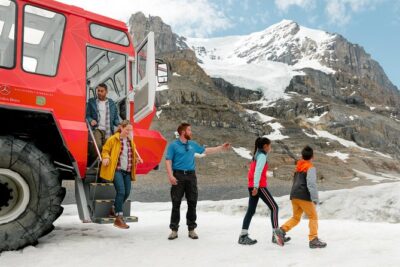
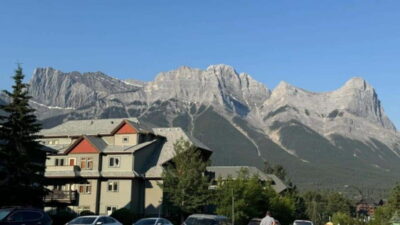
Emerald Lake, Moraine, Louise, Johnston Canyon & Banff Town
Read our review →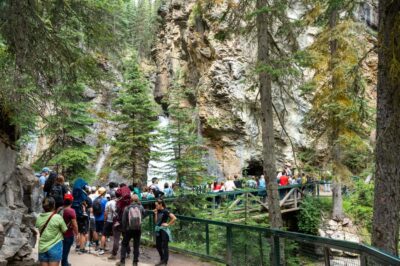
Lakes Moraine, Louise, Emerald, Johnston Canyon & Yoho Tour
Read our review →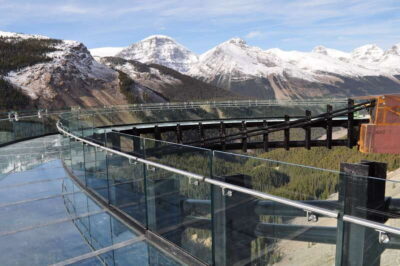
Lake Louise, Moraine Lake and the Icefields Parkway Full-Day Tour
Read our review →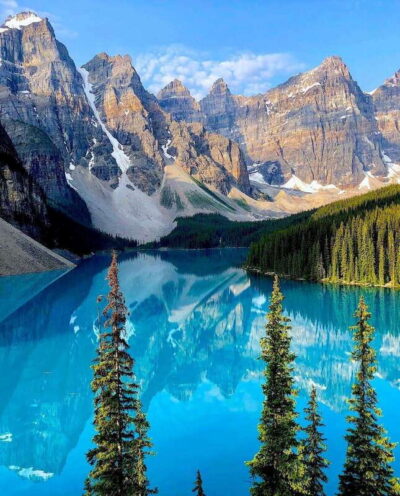
Lake Louise, Moraine, Emerald Lake & Johnston Canyon
Read our review →