Review · BANFF
Half Day Heart Creek Canyon – Near Banff & Canmore- For Beginners
Heart Creek Canyon turns a half-day near Banff into a proper mountain adventure. You hike through the forest, learn to rappel, then work through a series of waterfalls, pools, and rock slides before tackling the grand finale: an 18-meter waterfall. It is active, hands-on, and far more memorable than a quick viewpoint stop.
I like the way the route builds your confidence instead of throwing you straight at the hardest obstacle. I also like the small maximum group of 12, plus the supplied wetsuit, helmet, harness, and drybag. The catch is simple: you need to hike uphill for about 3.5 kilometers, carry a backpack, and be comfortable getting wet in cold canyon water.
Key points to know before booking
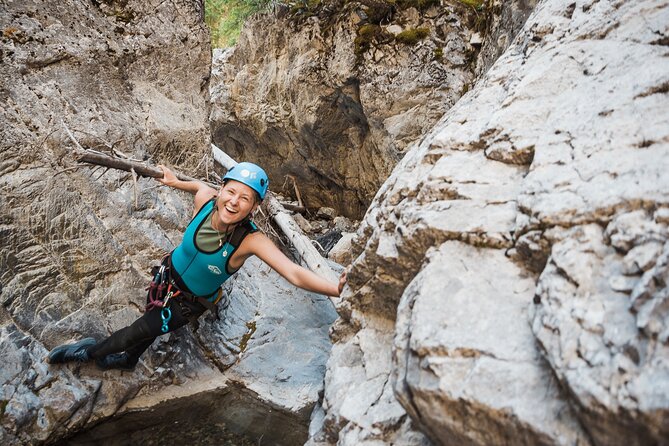
- The canyon starts with a 45-minute hike: You must walk from the trailhead to the canyon before the rope work begins.
- The rappels increase in difficulty: A workshop covers basic rope skills before you enter the more demanding sections.
- The final waterfall is about 18 meters high: It provides the biggest physical and emotional challenge of the route.
- You get the major technical gear: A wetsuit, harness, helmet, and drybag are included.
- The group is limited to 12 people: That gives guides room to adjust their coaching to different abilities.
- Closed footwear is essential: Wear running shoes or light hiking shoes that can get wet. Water shoes and Keen-style sandals are not accepted.
Why Heart Creek makes a good first canyoning trip
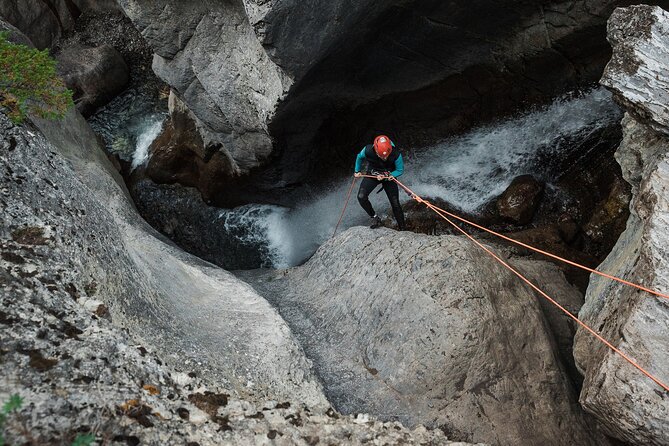
Heart Creek is a useful introduction to canyoning because the day has a clear learning curve. You do not simply walk into the canyon and hope your nerves catch up. The guides first explain the equipment, run a safety briefing, and give you a chance to practice basic rope skills.
That matters if you have never rappelled before. The first few descents let you learn how the harness feels, how to manage the rope, and how to listen to instructions while standing on uneven rock. By the time the route reaches its wetter and more demanding sections, you have already had a few chances to settle down.
The setting helps, too. Heart Creek is close to Canmore and Banff, but the route soon feels like a real backcountry outing. Forest, rock walls, running water, and waterfalls replace the busy road. You are not just watching the Rockies from a lookout. You are moving through them.
Still, beginner-friendly does not mean effortless. You need enough fitness for the approach hike and the walk back to the cars. You also need to be willing to rappel, slide, and move through water. If the idea of wet rope, cold pools, or an uphill hike sounds unpleasant, this is probably not the right half-day activity.
More Banff and Bow Valley days:
- Banff: Banff Gondola Admission Ticket
★ 4.7 · 3,698 reviews - Lake Louise, Moraine Lake, Banff Tour from Calgary/Canmore/Banff
★ 5.0 · 2,792 reviews - Banff Gondola Ride Admission
★ 4.5 · 2,688 reviews
Meeting at the Heart Creek trailhead
The meeting point is the Heart Creek Trail Head at the new exit from Highway 1 to the new roundabout, in Bighorn No. 8, Alberta. The activity starts and ends at this parking area.
Parking costs CA$15 per booking, separate from the tour price. That is easy to overlook when comparing the total cost, so add it to your budget. If you are staying in Canmore without a car, one useful option is a prebooked taxi. A ride from Canmore to the trailhead was reported at about $40 each way, though your actual fare may differ.
At the trailhead, your guide gives the required safety briefing and fits you with the supplied equipment. The gear includes a wetsuit, harness, helmet, and drybag. The drybag is especially handy because it lets you protect a phone or a few small items while you are around water.
The group limit is 12 people. That is not a private tour, but it is small enough for guides to watch each person and offer individual help. Different fitness levels can affect the pace, so the guide will ask about your ability and adjust advice as the day develops.
The 45-minute approach through the forest
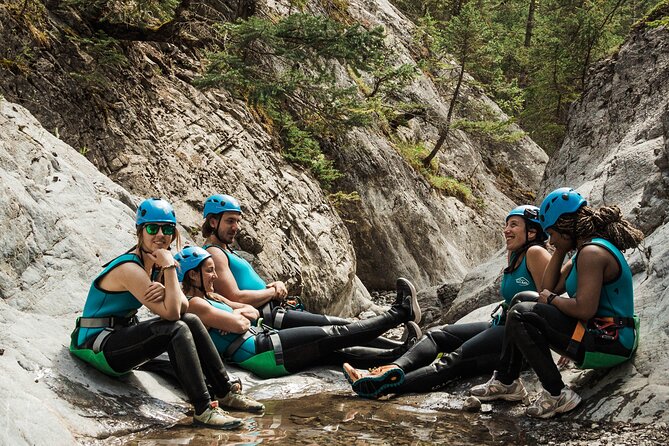
The hike to the canyon takes about 45 minutes. The route follows the creek and passes through forest before reaching the point where you put on your canyon equipment.
This approach is part of the activity, not a minor transfer. You need to carry your backpack and walk uphill for about 3.5 kilometers. Take the approach seriously when choosing footwear and deciding how much food to bring. A pair of light hiking shoes that can get wet is a sensible choice, provided the shoes are fully closed.
Do not bring sandals, even sturdy water sandals. Keen-style hiking sandals are specifically not accepted, and water shoes are also unsuitable. You need footwear that gives you a secure fit while walking on wet and uneven ground.
The hike also creates a useful warm-up. By the time you reach the canyon, you have had time to meet the guide and group, adjust to the pace, and get ready for a more technical section. Bring water and a small lunch or plenty of snacks. The day can last four to five hours, and the route includes both hiking and physical rope work.
Learning the ropes before the canyon narrows
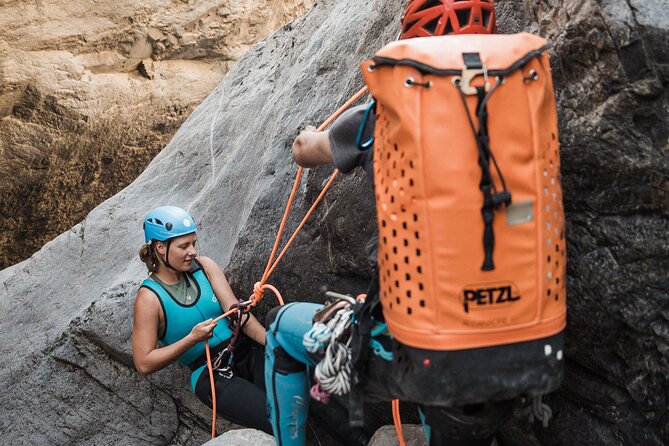
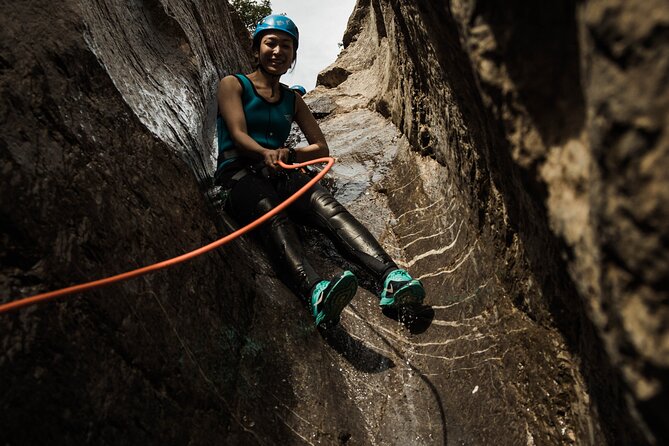
Before entering the canyon, you take part in a rappel workshop. This is where the guides explain the basic rope skills and let you practice. For a first canyoning trip, this teaching period may be the most important part of the day.
Rappelling requires more than simply leaning backward. You need to follow instructions, control your movement, and stay aware of the rope and the rock beneath you. The guides build the skills gradually, which makes the first proper descent less intimidating.
The upper part of Heart Creek can be relatively dry, depending on conditions. That gives you space to practice rappelling and enjoy the rock scenery before the route becomes wetter. Conditions matter here. Water levels and recent weather can change how the canyon feels from one outing to the next.
Guides have also made practical adjustments in wet conditions. After heavy rain, Guillaume and Olivia used dry suits instead of wetsuits because the water was especially cold. You should not assume you will receive a dry suit, but this example shows that the equipment plan can change for safety and comfort.
Same base, a completely different sort of day:
- Columbia Icefield Tour with Glacier Skywalk
★ 4.5 · 1,860 reviews - Emerald Lake, Moraine, Louise, Johnston Canyon & Banff Town
★ 4.9 · 1,554 reviews - Lakes Moraine, Louise, Emerald, Johnston Canyon & Yoho Tour
★ 4.8 · 1,023 reviews - Jasper: Columbia Icefield Skywalk
★ 4.3 · 916 reviews
Rappelling through the wetter lower canyon
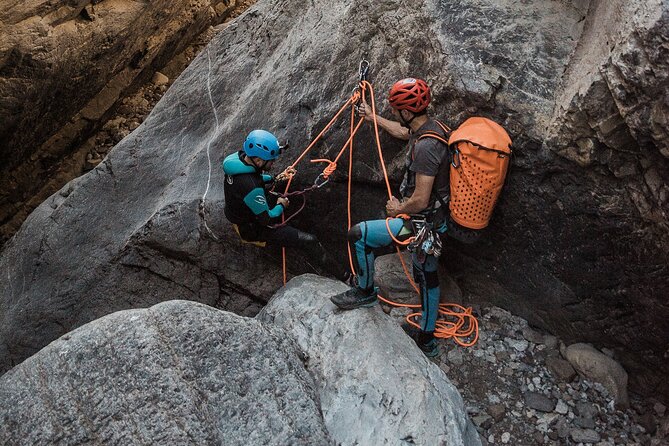
Once you enter the lower section, the character of the outing changes. The route brings more water, more slick rock, and more obstacles to negotiate. The technical work is broken up by pools and slides, so the day does not become a series of identical rappels.
One account of the route included five rappels and four water slides. The exact number can depend on conditions and the route used that day, but you should expect several separate challenges rather than one long descent.
The water can be cold, especially after rain or earlier in the season. The supplied wetsuit helps, and the guides may alter equipment when conditions call for it. Bring a bathing suit to wear under the suit, along with a towel for afterward.
Wet rope can be harder to grip. Gloves are not included, and one useful suggestion is to bring a pair if you already own suitable gloves. Since the tour does not promise or supply them, treat this as an optional personal extra rather than required equipment.
The guides are central to the experience. Jack coached a mother and daughter through difficult sections, while Juan was praised for keeping the rappelling and slides enjoyable. Guillaume and Olivia worked with a mixed group of three adults and five teenagers, checking athletic ability and offering patient, encouraging instruction.
That kind of coaching is valuable because the canyon presents different problems to different people. A confident hiker may still feel nervous on a waterfall rappel. A teenager may be eager to move quickly but need reminders about technique. Good instruction lets the group progress safely without making the day feel like a test.
The 18-meter waterfall finale
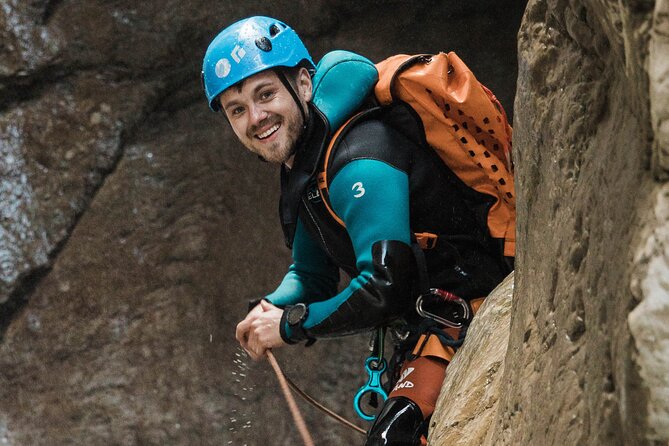
The large waterfall is the moment that gives the trip its sense of scale. At about 18 meters, the final rappel is not a tiny practice wall with a scenic backdrop. It is a serious descent, even though the route and instruction are intended for beginners.
You reach it after working through the earlier sections, which is exactly why the progression helps. By then, you have practiced the rope system and learned how your guide communicates. The final waterfall still requires focus, but you are not meeting the technique for the first time.
Expect a strong sense of accomplishment when you reach the bottom. The waterfall is also where your comfort with height, water, and exposure matters most. If you are unsure how you will react, tell the guide early in the day. The safety briefing and practice session are there to help the guide understand your needs.
The route is not a race. In a group of up to 12, you may wait while another person completes a rappel or slide. That can slow the pace, but it also gives you time to catch your breath, watch the technique, and talk with the group.
Slides and the hike back to the cars
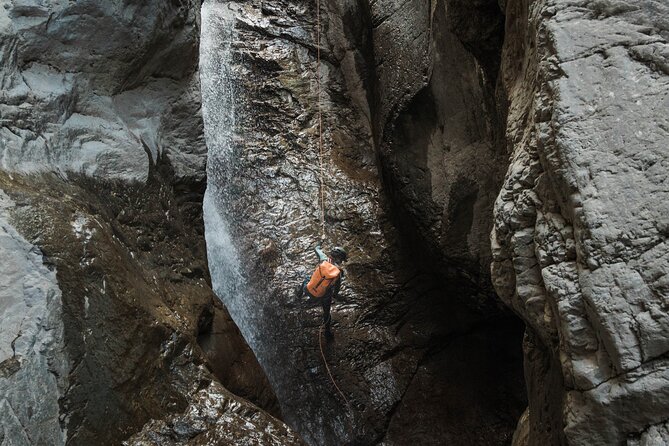
After the major waterfall, the canyon fun continues with a series of natural rock slides. These are a playful counterpoint to the more controlled rappels. You still need to follow instructions, but the mood becomes lighter as the group works through the final obstacles.
The activity ends with a hike back to the cars. You should allow four to five hours for the full outing, rather than treating the advertised four-hour figure as a strict finish time. Weather, group pace, and time spent coaching can all affect the schedule.
This is also why a small snack matters. You may be wet, hungry, and ready for dry clothes by the time you return. Pack only what you can carry comfortably, and protect anything that must stay dry.
A guide may carry a GoPro for photos and video. You can also keep one phone in a drybag for extra photos, but do not let photography distract you from rope commands or footing. The canyon is a place where a secure grip and clear attention matter more than getting a perfect picture.
What the CA$146.37 price includes
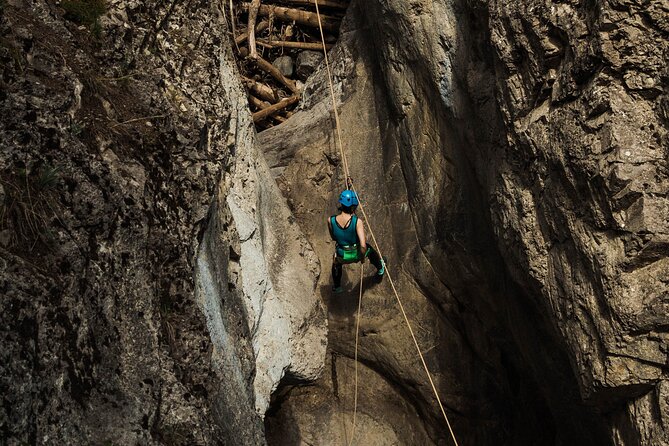
The listed price is CA$146.37 per person. For that amount, you receive a fully certified canyoning guide and the main technical equipment: wetsuit, harness, helmet, and drybag.
The value depends on how you use the experience. You are paying for instruction, safety management, equipment, access to a route that would be difficult to attempt alone, and several hours of active time. If you already own canyoning gear and have strong rope skills, the package may feel less essential. For a first outing, the guide and equipment are the point.
You still need to budget for parking, which is CA$15 per booking. You must also provide a bathing suit, towel, suitable closed shoes, food, snacks, and water. The tour is not an all-inclusive day with meals or personal clothing supplied.
Compared with a standard sightseeing activity, this is a higher-energy purchase. You should book it for the canyon itself, not just for mountain views. The best value comes if you want hands-on adventure and are prepared to participate physically for most of the morning or afternoon.
Who should book this canyoning trip
This experience suits active beginners, families with older children, couples, and small groups looking for something more unusual near Banff or Canmore. The minimum age is 12, and children must be accompanied by an adult.
The mixed-age outing with teenagers from 13 upward shows how the trip can work for a family group with different athletic abilities. Still, every participant needs to meet the physical demands. You must be able to hike uphill for about 3.5 kilometers and carry a backpack.
The activity is not recommended for people with back problems, heart problems, or other serious medical conditions. It is also not recommended for people over 60. If you have a medical concern, call the operator before booking and discuss it directly.
The maximum waist size is 42. Check this requirement before paying. You also need to read and understand the waiver and sign a paper copy on-site.
Weather, timing, and sensible preparation
This activity depends on good weather. The operator can alter or cancel a trip or change the logistics for safety reasons. If poor weather cancels your outing, you are offered another date or a full refund.
You can cancel for a full refund if you do so at least 24 hours before the start time. Changes made less than 24 hours before the start are not accepted, so keep an eye on the forecast and make decisions early.
For your pack, bring:
- A bathing suit and towel
- Water and a small lunch or plenty of snacks
- A phone or camera only if it can be protected in the drybag
- Suitable closed shoes that can get wet
- Optional gloves, since wet rope can be uncomfortable to handle
Do not count on sandals or water shoes being accepted. The footwear rule is firm for good reason. You want shoes that stay on your feet during a hike, rappel, slide, and walk over wet rock.
Should you book Heart Creek Canyon?
Book this if you want a real physical adventure close to Banff and Canmore, and if the idea of rappelling down a large waterfall sounds exciting rather than alarming. The gradual instruction, small group limit, and supplied gear make it a sensible first canyoning outing.
Skip it if you want a relaxed nature walk, dislike cold water, or cannot manage the uphill approach. Also think carefully about the extra parking, transport costs from Canmore, personal clothing, and food.
For the right person, the appeal is clear: you hike into a Rocky Mountain canyon, learn a useful rope skill, rappel several waterfalls, slide through rock, and finish with an 18-meter descent. That is a full half-day, not a quick photo stop, and the steady coaching gives beginners a fair chance to enjoy it safely.
FAQ
How long does the Heart Creek Canyon activity last?
The outing lasts approximately four to five hours. The route includes the hike to the canyon, the rappel workshop, the canyon section, slides, and the hike back to the cars.
Where does the tour meet?
You meet at the Heart Creek Trail Head at 105, the new exit from Highway 1 to the new roundabout, in Bighorn No. 8, Alberta. The activity ends at the same meeting point.
What equipment is included?
The tour includes a certified canyoning guide, wetsuit, harness, helmet, and drybag.
What should I bring?
Bring a bathing suit, towel, water, a small lunch or plenty of snacks, and fully closed running or light hiking shoes that can get wet. Gloves are not included, but you may choose to bring a pair.
Are water shoes or hiking sandals allowed?
No. Water shoes and Keen-style hiking sandals are not suitable and will not be accepted. Use fully closed footwear instead.
What is the minimum age?
The minimum age is 12. Children must be accompanied by an adult.
Can I cancel for a refund?
Yes. You can cancel at least 24 hours before the local start time for a full refund. If poor weather causes the operator to cancel the activity, you are offered another date or a full refund.
Just added around Banff
- Jasper to Banff One-Way Tour★ 5.0 · 76 reviews
- Sunset at Moraine Lake & Stargazing Tour from Canmore/Banff★ 5.0 · 95 reviews
- 2 Day Banff Lake Louise Johnston Canyon Gondola Cave Basin tour★ 4.5 · 8 reviews
- Banff/Canmore Moraine Lake & Lake Louise– Hike, Canoe or Sightsee★ 5.0 · 104 reviews
- Full Day Private Tour Banff/Yoho Customized Sightseeing★ 4.5 · 31 reviews
- Shared Tour: Lake Louise & Emerald Lake from Canmore/Banff★ 4.5 · 5 reviews
- Private Guided Tour to Banff Lake Louise|Moraine|Icefields &More!★ 5.0 · 5 reviews
- Sunrise at Moraine Lake & Lake Louise from Calgary/Canmore/Banff★ 4.5 · 13 reviews
Banff Tours, compared.
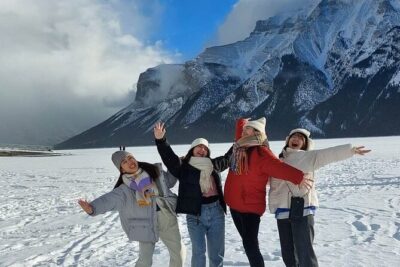
Lake Louise, Moraine Lake, Banff Tour from Calgary/Canmore/Banff
Read our review →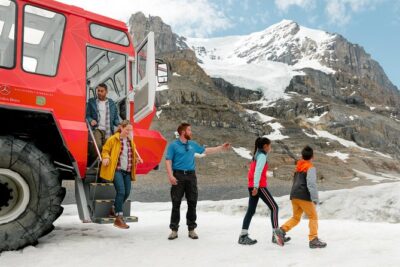
Emerald Lake, Moraine, Louise, Johnston Canyon & Banff Town
Read our review →
Lakes Moraine, Louise, Emerald, Johnston Canyon & Yoho Tour
Read our review →
Lake Louise, Moraine Lake and the Icefields Parkway Full-Day Tour
Read our review →
Lake Louise, Moraine, Emerald Lake & Johnston Canyon
Read our review →