
Review · ALGONQUIN PROVINCIAL PARK
Algonquin Park 3-Day Deluxe Camping & Canoeing Adventure
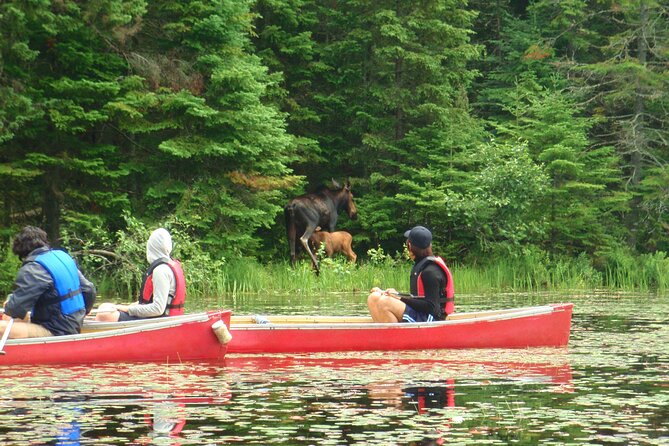
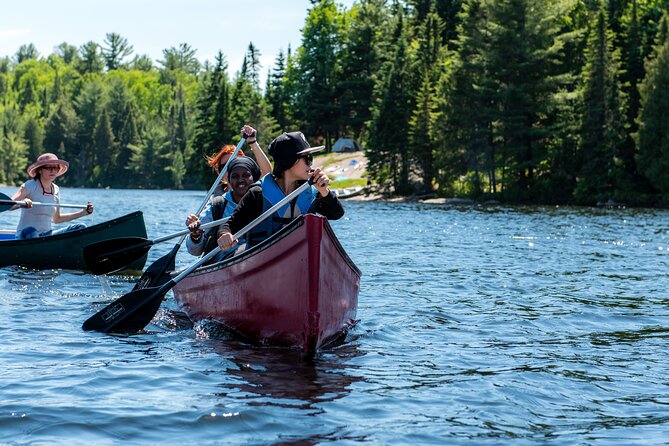
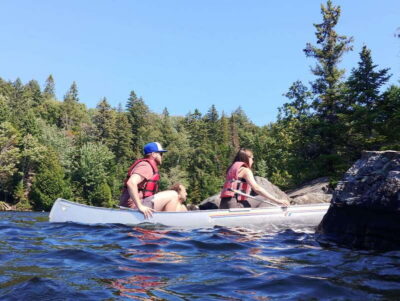
Algonquin Park feels most rewarding when you leave the road behind. This three-day trip has you paddle roughly three hours to a lakeside camp, carry your canoe over a short 200-meter portage, and spend two nights with loons, stars, campfires, and no lodge distractions. I especially like the sunrise canoe ride with hot chocolate and the fact that your tent, sleeping gear, canoe, and meals are supplied. The small-group format can make the wilderness feel personal, though group size and comfort levels may vary.
The food is a real part of the experience, with grilled salmon, steaks, shrimp, fresh vegetables, desserts, and vegetarian choices planned into the camp routine. Guide Baz has earned praise for his good humor, care, and organization. Still, you should prepare for mosquitoes, wet conditions, basic camp furniture, and a genuine physical workout rather than a polished luxury retreat.
What makes this Algonquin canoe trip special
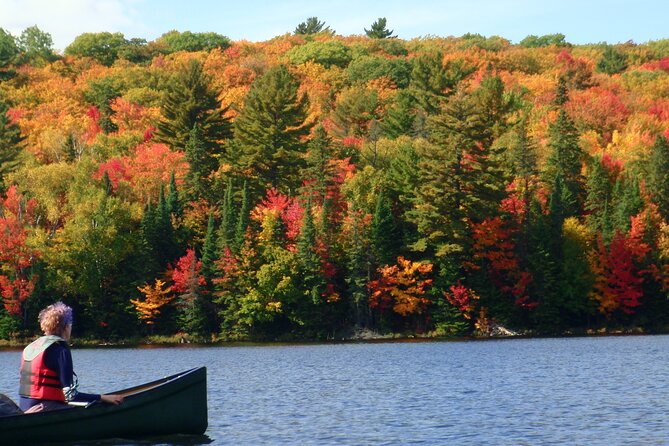
- A three-hour paddle reaches a lakeside campsite, with only a short 200-meter portage to manage.
- The final morning begins on the water, with sunrise views and hot chocolate from your canoe.
- Camp cooking is part of the appeal, including barbecue meals, desserts, and vegetarian options.
- The wilderness program has variety, from beaver habitats and astronomy to sauna time and optional cliff jumping.
- Guide Baz brings a friendly, practical style, with a reputation for careful planning and a good sense of humor.
- You carry very little specialist gear, since the canoe, paddle, lifejacket, tent, cot, sleeping bag, and liner are provided.
From Canoe Lake to a Backcountry Camp
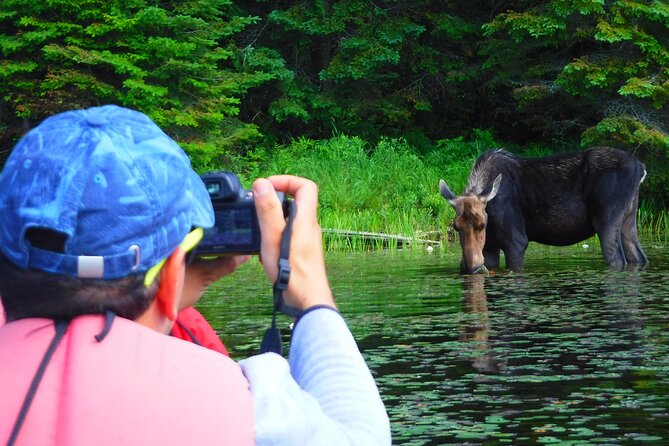
The trip starts at Canoe Lake Access Point 5 in Algonquin Provincial Park. Accredited guides meet you there, issue the camping and canoe equipment, and give you a basic paddling lesson before you set off.
That first lesson matters. You do not need to arrive as an expert paddler, but you do need a moderate level of fitness and enough stamina for several hours on the water. The route takes about three hours of paddling, followed by a short 200-meter portage before you reach the lakeside campsite.
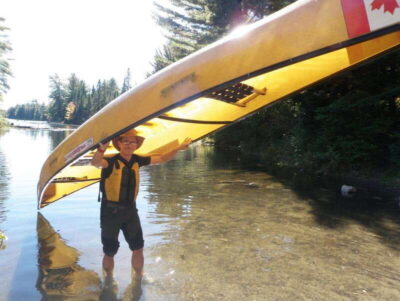
I like this start because it gives you a clear sense of crossing from ordinary park access into backcountry travel. You are not simply being driven to a campsite. You help move the canoe, learn how to handle it, and earn the quieter setting at the other end.
The physical effort is also the first thing to take seriously. Wind can make canoeing much harder, and paddling advice is particularly useful when conditions change. Bring water, take instructions seriously, and do not treat the short portage as the only measure of exertion. Three hours on a lake can tire you out even when the route looks easy on paper.
More paddling days around Canada:
- Banff National Park Big Canoe Tour
★ 5.0 · 303 reviews - From Toronto: Algonquin Park Canoeing & Hiking Adventure
★ 4.6 · 291 reviews - Banff National Park: Big Canoe River Explorer Tour
★ 4.7 · 286 reviews
What Camp Life Really Feels Like
Once you reach camp, the schedule shifts from paddling to outdoor skills and evening activities. Guides demonstrate how to build a fire without matches, explain local animals such as moose, loons, beavers, bears, wolves, and snapping turtles, and provide handouts about the park’s wildlife.
You may also collect firewood, attend an astronomy lesson, and sit around the campfire after dinner. If the sky is clear, the setting can be excellent for stargazing, with the Milky Way sometimes visible. The night paddle to a natural beaver habitat is another memorable option, but activities can depend on energy, weather, and how many people want to join.
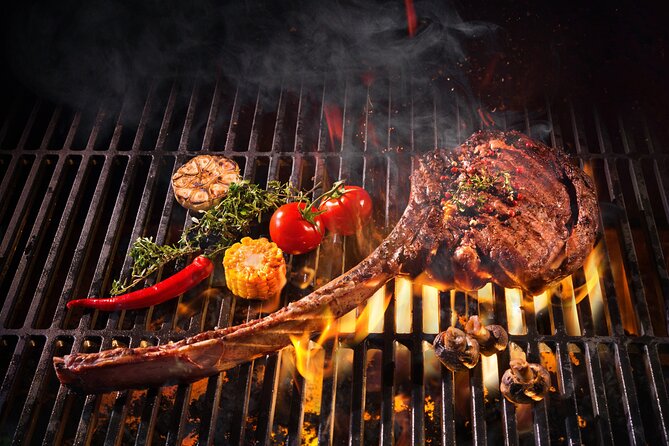
The advertised meals are ambitious for a remote camp. Dinner may include wild salmon, barbecue dishes, steak, shrimp, vegetables, and dessert. Vegetarian diners are also taken into account, with plenty of choice reported on the trip. Food is one of the strongest reasons the price may make sense, especially if you would otherwise need to buy, carry, and prepare three days of backcountry meals yourself.
Still, deluxe camping needs careful interpretation. You sleep in a tent on a camping cot, not in a cabin. There may be no tables or chairs, and rainy weather can make eating under trees unpleasant. One poor experience involved an old tent that allowed water in, so you should pack with wet weather in mind and ask your guide for help as soon as a gear problem appears.
The sleeping equipment includes a sleeping bag, liner, tent, and camping cot. The operator has stated that extra sleeping bags, liners, and airbeds are available when problems are reported during the trip. That makes it important to speak up on the first evening, not the final morning.
Day Two: Beaver Ponds, Wildlife, and a Serious Breakfast
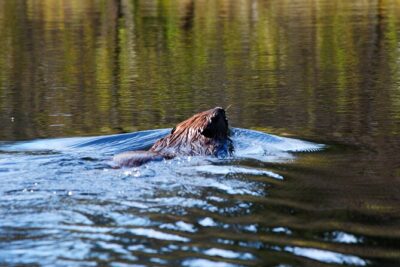
The second day begins with breakfast at 8:00 AM. From there, the group takes a guided walk or canoe outing toward beaver and moose habitat, including dams and lodges in the park’s interior.
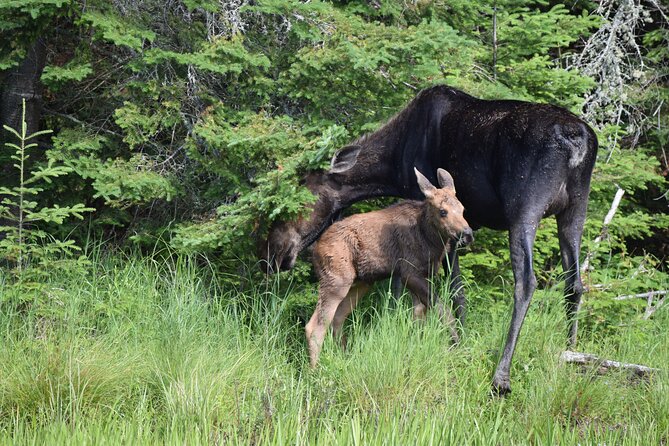
This is a good chance to slow down and read the place rather than simply pass through it. Beaver dams alter water flow and create wet areas used by many forms of wildlife. Loons, beavers, and snapping turtles have been seen on these outings, but you should not book this trip expecting guaranteed moose, bear, wolf, or other animal sightings.
Wild animals keep their own schedule. Some outings produce several sightings, while others produce very few. The value is in learning how to look, listen, and understand the habitat, not in checking off a moose from a list.
A gourmet lunch with dessert follows the morning outing. Since the meals are prepared in camp, the day is not a minimalist survival exercise. At the same time, you are still eating outdoors, working around weather, and following the group’s schedule. That combination suits you if you like good food but do not need restaurant service.
Sauna Heat, Swimming, and Optional Cliff Jumping
The afternoon brings more active choices. The group paddles to a cliff area with jumping points of roughly 2, 3, 5, and 7 meters. Cliff jumping is optional and should be treated as a personal choice, not a required part of the tour.
The schedule also includes building a Native-style wilderness sauna. The intended heat is around 80 to 85 degrees Celsius, with sea salt scrub, eucalyptus oils, a clay mask, and swimming in the lake. This is an unusual pairing with canoe camping and gives the second day a playful, social quality.
The sauna temperature may not always reach the advertised range. On one outing it reached about 70 degrees, which some people found too hot and others found too cool. Your tolerance, hydration, sun exposure, and the day’s paddling effort all matter. Leave the sauna if you feel unwell, and drink enough water before taking part.
This section of the itinerary can also change according to group energy. After a demanding wildlife outing, some people may skip cliff jumping or shorten their time in the sauna. That is not necessarily a flaw. It is simply the reality of a small wilderness trip, where the group’s condition and safety take priority over a fixed resort-style program.
The second dinner is described as a five-star barbecue, with tomahawk steak, shrimp, deer and bison skewers, corn, mushrooms, sweet peppers, and dessert. Availability can vary, particularly for specialty meats and seafood. A food incident involving wildlife contamination also led the operator to discard certain items rather than serve them, so the exact menu is not guaranteed.
A few more Canada half-days to weigh up
- 3 Days 2 Nights Tour in New York
★ 5.0 · 125 reviews - 3 Day and 2 Night Tour: Toronto, 1000 Islands, and Niagara Falls
★ 5.0 · 46 reviews - 3 Days 3 Cities Tour: Montreal, Quebec, Ottawa from Toronto
★ 4.1 · 32 reviews - 3 Day Algonquin Park Canoe Trip – Moose & Beaver Safari
★ 5.0 · 27 reviews
The Sunrise Paddle Is the Trip’s Best Finish
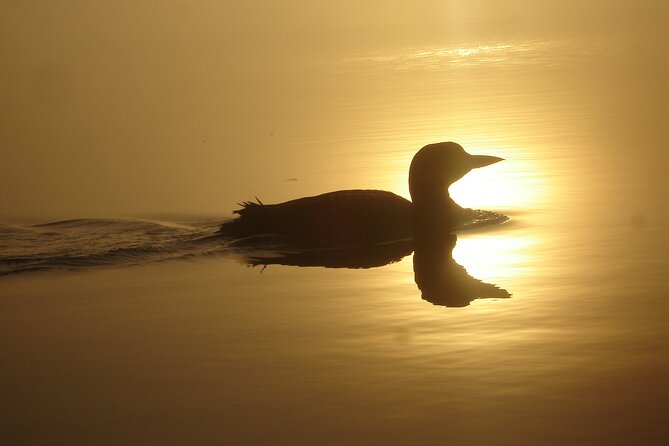
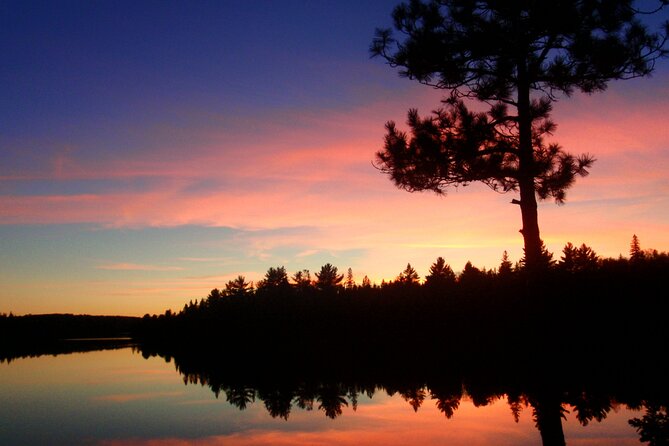
Day three starts early with a sunrise canoe tour. You paddle out with hot chocolate and watch the light arrive over the water before returning for a deluxe breakfast.
This is the kind of simple moment that makes the trip worthwhile. The lake is quieter than it was on arrival, the morning air is cooler, and the canoe gives you a low view across the water. You should expect an early start, but the hot chocolate is a thoughtful touch after two nights outdoors.
After breakfast, you pack up and paddle back toward Canoe Lake. The route includes searches around beaver ponds and inlets for wildlife, followed by a short stop at the Tom Thompson Memorial and the site of his death. The group is scheduled to return to the registration office by 1:00 PM.
The stop adds a cultural note to an otherwise nature-focused trip. Tom Thomson is closely connected with the artistic identity of Algonquin Park, and seeing the memorial gives the return journey a little more meaning than simply retracing the route.
The day ends with a 20-minute stop at Dwight Trading Post, just outside the park. It is a useful place to find souvenirs and goods made by local artisans and Indigenous people of Canada. Do not expect a long shopping visit. It is a short final stop before the activity returns to the meeting point.
Food, Gear, and What You Need to Pack
The supplied equipment removes much of the usual planning burden. You receive a canoe, paddle, lifejacket, sleeping bag, liner, tent, and camping cot. All fees and taxes are included.
Meals provided include two breakfasts and two lunches, along with dinner during the camping portion. The first day’s lunch and the last day’s lunch are not included, so you need to plan for both. The meal wording suggests that the main camp meals are covered, but I would confirm the exact dinner count and arrangements when booking, especially if you have dietary needs.
You need to bring:
- Personal hygiene items
- Snacks
- Sandals
- A waterproof bag for personal belongings
Water protection deserves special attention. Plastic bags have been used to cover belongings in the canoe, but they can tear during a portage. Keep important items in sturdy waterproof protection, particularly phones, medication, documents, and spare clothing.
Mosquitoes are a serious practical issue in Algonquin Park. Use insect repellent, reapply it often, and wear clothing that gives you some coverage. Pack rain protection and spare dry layers as well. A damp tent, wet clothing, or a cold night can change your view of the trip quickly.
The summer sleeping bags used on one trip were rated to about plus 5 degrees Celsius, with a 7-centimeter airbed suitable for somewhat cooler conditions. Actual comfort depends on the tent, weather, and how many people share the space. Do not assume the word deluxe means hotel-level warmth or dryness.
Group Size, Guides, and the Pace of the Trip
The experience is promoted as a small-group outing, with no more than eight people for a more personal experience. The additional information gives a maximum of 18 travelers, and one departure had 11 people. That difference is worth clarifying before you pay if group size is central to your decision.
Guide Baz is a notable part of the experience. He has been described as efficient, caring, funny, and highly experienced with canoe trips. The best guides on this kind of outing do more than steer a canoe. They keep the group moving, watch for fatigue, explain safety points, handle food and gear, and make camp feel manageable.
Guide style can affect your experience. A warm, social guide may spend more time chatting than giving formal naturalist talks. If learning about plants, wildlife, and ecology is your main reason for coming, say so early and ask questions. You may get more from the nature program by being direct and curious.
The pace is fairly full. Day one includes paddling, camp setup, fire skills, dinner, astronomy, and an optional night activity. Day two combines breakfast, wildlife habitat, lunch, more paddling, cliff jumping, sauna time, swimming, and dinner. You should expect tired legs and arms by the end.
Is $368.01 a Fair Price?
At $368.01 per person, this is not a budget camping weekend. The value depends on how much of the backcountry work you want to do yourself.
You are paying for an accredited guide, canoe equipment, camping equipment, meals, instruction, route planning, and a packed three-day schedule. You also receive experiences that are difficult to arrange as a first-time visitor, including the beaver habitat outing, wilderness sauna, nighttime stargazing, and sunrise paddle.
The price is easier to justify if you would otherwise need to rent canoes, buy or borrow sleeping equipment, plan food, reserve a campsite, navigate the route, and manage safety in unfamiliar country. It is harder to justify if you expect comfortable furniture, dry indoor dining, hotel-quality bedding, or a fixed gourmet menu every time.
I would judge this as guided backcountry camping with upgraded food and unusual activities, not luxury camping in the conventional sense. That distinction is important. The meals can be lavish, but the tent, weather, mosquitoes, portage, and basic camp setup remain part of the deal.
Who Should Book This Adventure?
This trip suits you if you want a first taste of multi-day canoe camping without carrying the full burden of planning. Families with older children, active couples, and small groups of friends can get a lot from it, provided everyone accepts the physical work and shared camp routine.
It is also a good fit if food matters to you. The barbecue dinners and attention to vegetarian choices add comfort after a long day outside. The sauna, lake swimming, and sunrise paddle give the trip more variety than a simple paddle-and-sleep itinerary.
You may want another type of outing if you dislike insects, cannot handle several hours of paddling, need predictable indoor accommodation, or expect guaranteed wildlife. You should also think twice if you are uncomfortable with optional activities being shortened or changed because the group is tired or the weather is poor.
The tour requires moderate physical fitness. The supplied information says participants must be healthy, have medical insurance, and weigh no more than 110 kilograms. Service animals are allowed, and the minimum age is stated as 1, though parents should carefully consider whether a very young child can manage canoe travel, portage, weather, and two nights in a tent.
The Practical Verdict
I would book this for guided wilderness access with excellent camp meals, not for luxury facilities. The strongest parts are the paddle into a quiet campsite, the sunrise canoe ride, the campfire evenings, the beaver habitat, and the chance to add a sauna and lake swim to a traditional Algonquin canoe trip.
Before booking, confirm the expected group size, exact meal plan, current sleeping gear, and waterproof storage. Arrive prepared for mosquitoes and rain, bring snacks and a lunch for the first day, and tell the guide immediately if equipment is damp, smelly, cold, or damaged.
If you can accept basic camping in exchange for a well-organized route and memorable time on the water, this is a strong three-day introduction to Algonquin Park. If you want polished comfort, guaranteed wildlife, and a fixed restaurant-style menu, the price may leave you disappointed.
FAQ
Where does the Algonquin canoe trip start?
The activity starts at Canoe Lake Access Point 5, listed at G7PV+3G, Algonquin Park, Ontario, Canada.
Where does the tour end?
The activity returns to the original meeting point at the end of the third day.
How long is the experience?
The experience lasts approximately three days.
Is canoe equipment provided?
Yes. A canoe, paddle, and lifejacket are included.
Is camping equipment included?
Yes. The supplied camping equipment includes a tent, sleeping bag, sleeping bag liner, and camping cot.
Are meals included?
Two breakfasts, two lunches, and dinner during the camping portion are included. The first day’s lunch and the last day’s lunch are not included.
How much canoeing is required?
On the first day, the route takes about three hours of paddling, followed by a short 200-meter portage to the lakeside campsite. Additional paddling takes place during the wildlife outings and the return journey.
Is wildlife guaranteed?
No. The itinerary includes searches for beavers, moose, and other wildlife, but animals are wild and sightings are not guaranteed.
What is the cancellation policy?
You can receive a full refund by cancelling at least six full days before the start time. Cancelling two to six days before the start time may qualify for a 50 percent refund. Cancellations less than two full days before the start time are not refunded.
Just added around Canada
- Ottawa Valley Haunted Tour – Night Trip From Ottawa★ 4.5 · 5 reviews
- Flying Dress Photoshoot Experience in Ottawa★ 5.0 · 11 reviews
- Full-Day Montreal City Tour from Ottawa and optional city cruise★ 4.5 · 7 reviews
- Cycling Ottawa’s 200th Anniversary, self-guided★ 5.0 · 45 reviews
- Ottawa Premium Night Driving Tour with River Cruise★ 4.5 · 25 reviews
- Ottawa Small Group Walking Tour with Cruise and Art Gallery★ 3.5 · 21 reviews
- Guided ByWard Market Food Tour★ 5.0 · 21 reviews
- Best of Ottawa Neighbourhoods & Nature Bike Tour★ 5.0 · 34 reviews
Algonquin Provincial Park Tours, compared.
Algonquin Park 4-Day Deluxe Camping & Canoeing Adventure
Read our review →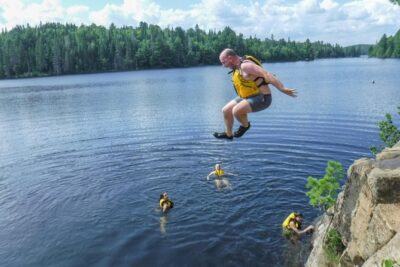
3 Day Algonquin Park Canoe Trip – Moose & Beaver Safari
Read our review →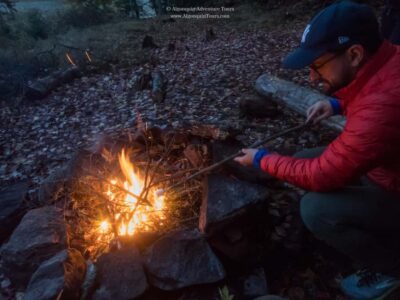
Murder Mystery Detective Experience in Orillia ON
Read our review →
Muskoka: High Falls, Hardy Lake, & Huckleberry Rock Tour
Read our review →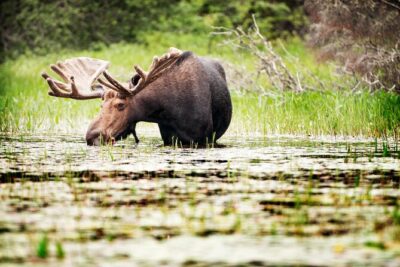
Browse the lists this tour appears in