
Review · TORONTO
Toronto: Bata Shoe Museum Entrance Ticket
The Bata Shoe Museum turns an everyday object into a doorway to 4,500 years of human history. Inside its distinctive shoebox-shaped building, you’ll see footwear from many cultures, periods, and walks of life, from practical traditional designs to famous fashion pieces and carefully made replicas.
I like the clever building by architect Raymond Moriyama, which is bright, spacious, and memorable without getting in the way of the exhibits. I also like the basement presentation, All About Shoes, where the story of footwear unfolds across centuries and connects shoes to work, status, climate, tradition, and fashion.
The main thing to consider is that this is an English-language, self-guided museum visit. If you prefer audio tours, video presentations, or French descriptions, the displays may feel a little light on those extras. Still, the collection gives you plenty to examine at a modest $11 admission price.
Key points to know before you go
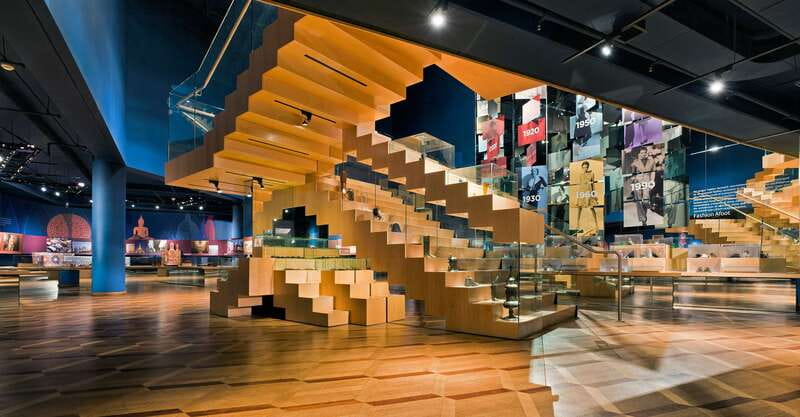
- 4,500 years of footwear: Follow the development of shoes from ancient examples to modern designs.
- Four gallery spaces: Rotating exhibitions keep the museum fresh and bring social history into the display cases.
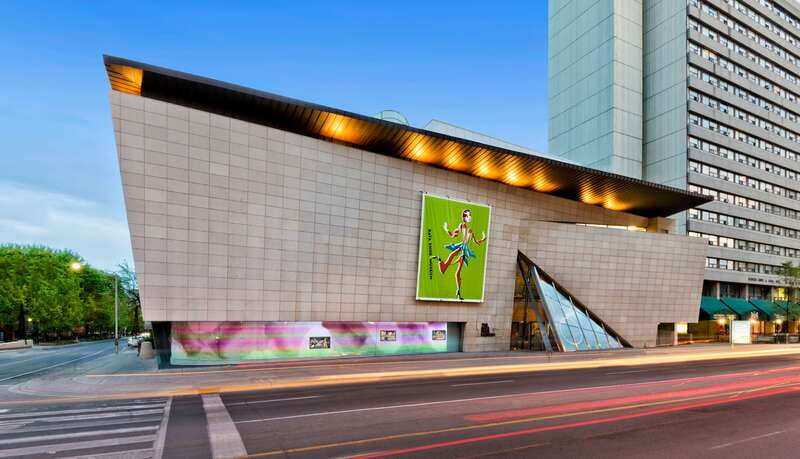
- A building shaped like a shoebox: Raymond Moriyama’s contemporary design is part of the experience.
- Allow one to two hours: You can see the main displays without giving up an entire day in Toronto.
- A strong value at $11: The price is low for a specialist museum with such a broad international collection.
- Wheelchair accessible and easy to reach: The museum is at 327 Bloor Street West, close to downtown transit links.
Why a shoe museum is worth your Toronto time
At first glance, a shoe museum may sound like a quick novelty stop. The collection soon proves otherwise. Shoes reveal how people work, travel, worship, protect themselves from weather, show rank, follow fashion, and express identity.
That is the real strength of the Bata Shoe Museum. You are not simply looking at old footwear behind glass. You are reading objects as evidence of daily life. A shoe can tell you what materials were available, what kind of ground people walked on, how much movement a job required, or how a society marked special occasions.
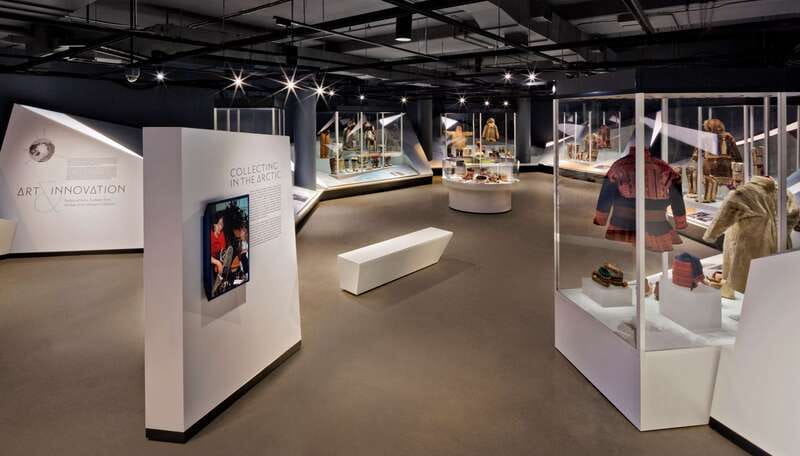
The museum was built around footwear collected by Sonja Bata. Its international scope helps prevent the displays from becoming a narrow story about Western fashion. You will find examples from around the world, along with traditional clothing connections and objects associated with people living above the Arctic Circle.
I find this approach useful for families, first-time museum visitors, and anyone who likes social history more than long blocks of text. You can look at the shape and materials first, then read enough to understand why each object matters.
More museums and galleries in Toronto:
- Toronto: Royal Ontario Museum Admission Ticket
★ 4.6 · 1,237 reviews - Royal Ontario Museum Admission
★ 4.5 · 411 reviews - Toronto: Art Gallery of Ontario General Admission Ticket
★ 4.6 · 251 reviews
Entering the shoebox-shaped museum on Bloor Street
The address is 327 Bloor Street West, a convenient location for combining the museum with other downtown Toronto stops. You can reach it by subway, car, or rideshare, and street or paid parking may be available within walking distance.
The building itself sets the tone. Designed by Canadian architect Raymond Moriyama, it is shaped like a shoebox but remains spacious and full of light. That playful exterior gives you an immediate sense that this will not be a formal, dusty collection of ordinary objects.
Inside, the contemporary design creates a clean setting for small, detailed displays. Footwear needs close looking. Stitching, decoration, unusual materials, and construction methods can be easy to miss in a crowded room, so the open layout is helpful.
The museum provides complimentary WiFi. That may seem like a minor benefit, but it is useful if you want to look up a place mentioned in an exhibit, share a photo, or coordinate your next Toronto stop without using mobile data.
Starting with All About Shoes
The main permanent exhibition, All About Shoes, is the best place to understand the museum’s purpose. It presents footwear across roughly 4,500 years, giving you a broad time line rather than focusing on one designer, country, or fashion period.
The older historical material is especially effective. You can see how footwear developed in response to practical needs, then became tied to ceremony, social position, and personal style. The exhibition helps explain how shoes moved from protection for the feet to objects that can carry cultural meaning.
Several visitors have found the lower-level historical display the most informative part of the museum. I would plan to spend real time there instead of treating it as a quick final stop. The permanent collection gives the temporary galleries context, and it is where the museum’s long historical arc comes together.
You will see original artifacts as well as replicas. That combination matters because some historical footwear is too fragile or rare to handle, study, or display in every setting. The replicas help you understand form and construction while the original pieces preserve a direct link to the past.
The exhibit is not a guided walking tour, so your pace is your own. You can spend several minutes on a strange or beautiful object, then move quickly past a case that does not interest you. That flexibility works well for mixed groups, especially when one person wants detailed history and another mainly wants to see unusual designs.
Four galleries and changing exhibitions
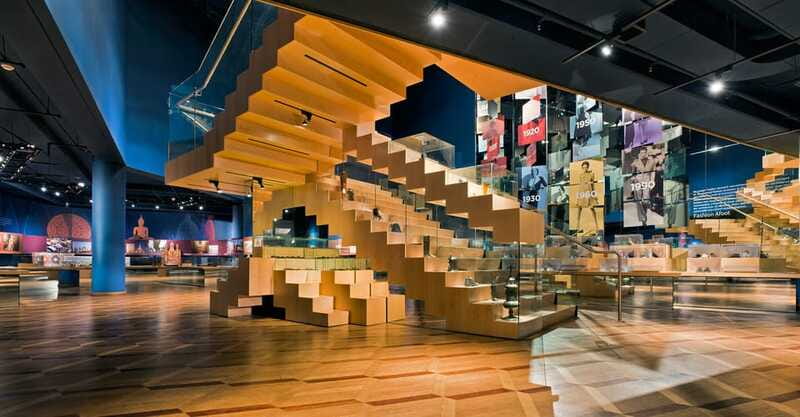
The Bata Shoe Museum has four gallery spaces with rotating artifacts and exhibitions. This keeps the visit from feeling like one long permanent display and allows the museum to look at footwear through different subjects.
Temporary exhibitions often connect shoes to wider social history. The focus may shift toward fashion, cultural traditions, particular communities, materials, or the work of a designer. Since these displays change, the exact experience depends on the date of your visit.
That changing element is one reason the museum works for repeat visits. Your first trip can give you the broad story through All About Shoes, while a later visit may offer a very different display upstairs. The museum has hosted exhibitions featuring major fashion names, including Manolo Blahnik, so fashion-minded visitors should check what is showing before booking.
The temporary rooms also break up the historical sequence. Instead of walking through a single long chronology, you get different ways to think about footwear. One gallery may focus on style, while another shows how shoes relate to a region, tradition, or period of social change.
The tradeoff is that the quality and appeal of the temporary material will vary. If you have come for one particular exhibition, confirm that it is on during your visit. The permanent collection remains the dependable core of the experience.
A few more Toronto half-days to weigh up
- Toronto: Niagara Falls Day Tour with Optional Boat Cruise
★ 4.6 · 3,178 reviews - Niagara Falls Day Tour from Toronto
★ 5.0 · 2,889 reviews - Toronto: Casa Loma Entry Ticket
★ 4.7 · 2,705 reviews - Niagara Falls Canada Day Tour From Toronto + Boat Cruise Option
★ 5.0 · 2,576 reviews
What makes the collection memorable
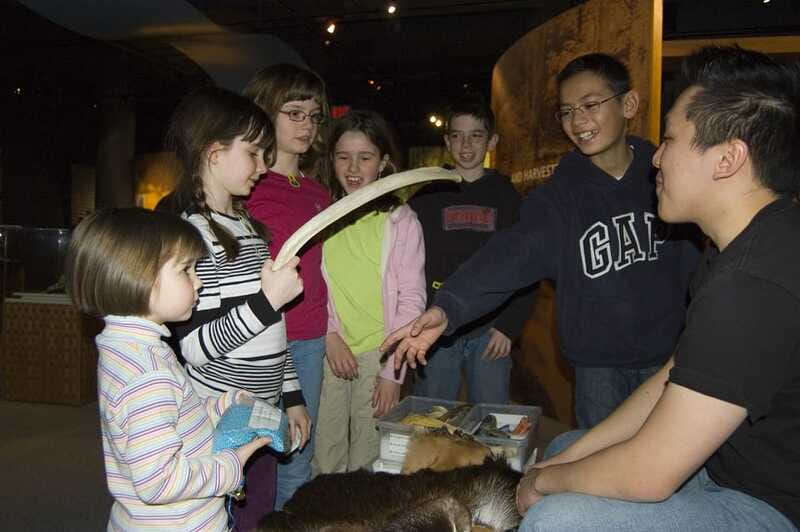
The collection covers footwear of many descriptions, colors, materials, and shapes. Some pieces are attractive. Others are strange, highly practical, ceremonial, or difficult to imagine wearing today. That variety keeps the museum from becoming repetitive.
I like the way the displays encourage comparison. A familiar modern shoe may sit in your mind beside a traditional example designed for a completely different climate or type of work. You begin to notice details that are easy to ignore in a shoe store: soles, fastenings, height, flexibility, decoration, and protection.
The Arctic-related material adds another useful layer. Traditional clothing and footwear from communities living above the Arctic Circle show how clothing systems are shaped by severe conditions and local knowledge. This section will appeal to visitors interested in material culture, not just fashion.
Fashion lovers have plenty to enjoy, too. Designer exhibitions can make the museum feel closer to a gallery of art and design, while the permanent displays explain how style developed over much longer periods. You get both the glamorous and the practical sides of footwear.
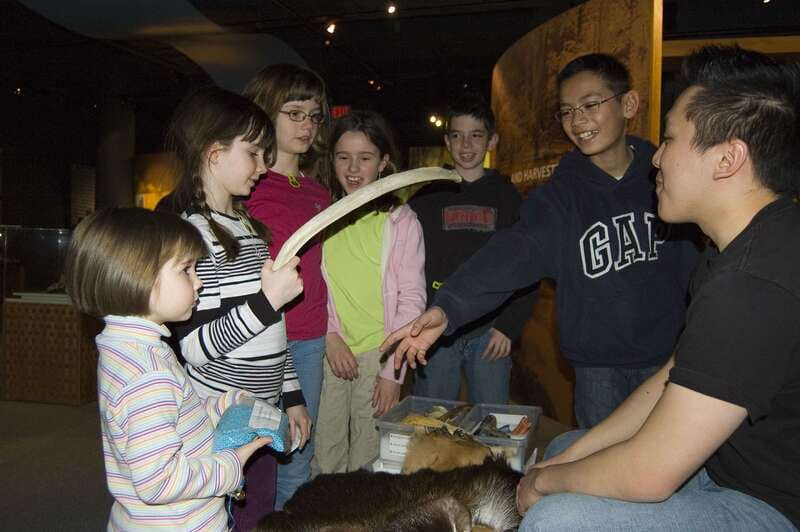
The museum also works well for children, although the experience is not built around a large activity program. Young visitors can respond to the colors, shapes, and odd forms first, then absorb the history in short pieces. Adults who enjoy design, anthropology, clothing, or everyday objects will find enough detail to keep the visit worthwhile.
How long to spend inside
The stated ticket validity is one day, but most people do not need to devote a full day to the museum. A realistic visit is about one to two hours, depending on how closely you read labels and how much time you spend in the rotating exhibitions.
If you are making a full day of Toronto sightseeing, the museum is easy to fit between other stops. Its Bloor Street location makes it practical for a short cultural visit rather than an all-day commitment. You can see the core displays at a steady pace, then continue to another museum, shop, restaurant, or downtown attraction.
I would allow closer to two hours if you have a strong interest in history, clothing, or design. The cases reward patient looking, especially in the older permanent exhibition. If you are visiting with children or a group with mixed interests, one hour may be enough for a satisfying overview.
There are washrooms, but one visitor specifically wished they were located on a middle floor rather than in the basement. This is a small practical point, yet it may matter if you have mobility or comfort concerns during a multi-floor visit.
Is the $11 ticket good value?
At $11 per person, the admission is easy to justify. You receive access to the permanent collection and the rotating gallery spaces, not just a single short display. For a specialist museum with an international collection and a 4,500-year scope, the price is modest.
The value is strongest if you enjoy self-guided museums. You are paying for access to objects, exhibitions, and the building, not for a scheduled guide or live presentation. That lets you set your own pace, but visitors who expect an audio-visual show or a narrated tour may find the format basic.
One useful option is to combine the visit with Toronto’s Textile Museum and Gardiner Museum if a suitable pass or combined deal is available. That can make the day more economical for anyone planning several museums, though you should confirm current prices and availability before relying on it.
The ticket can also be booked with a reserve-now, pay-later option, and cancellation is allowed up to 24 hours before the visit for a full refund. These policies are helpful when your Toronto schedule is still changing, but the central value question remains simple: if you like cultural collections and can spare one to two hours, $11 is a reasonable spend.
Practical details for a smoother visit
The museum is wheelchair accessible, which makes the contemporary layout easier to use for a wide range of visitors. Smoking is not permitted.
English is the listed language for the activity and museum information. If you need French descriptions or another language, do not assume they will be available. One earlier visitor specifically expected French text and found the information to be in English only.
This is not presented as a guided group tour, and no individual guide name is provided. You should expect to explore independently, read the labels, and move between the galleries at your own speed.
Because the exhibitions rotate, check the current displays before you go if a particular subject matters to you. The permanent All About Shoes exhibition is the safest reason to visit, while the temporary rooms provide the extra appeal.
For a first visit, I would begin with the permanent historical exhibition, then move through the rotating galleries. That order gives you a framework for understanding the more specialized displays. Finish by returning to any unusual footwear you noticed earlier, since a second look often reveals construction details you missed at first.
Who should book this museum visit?
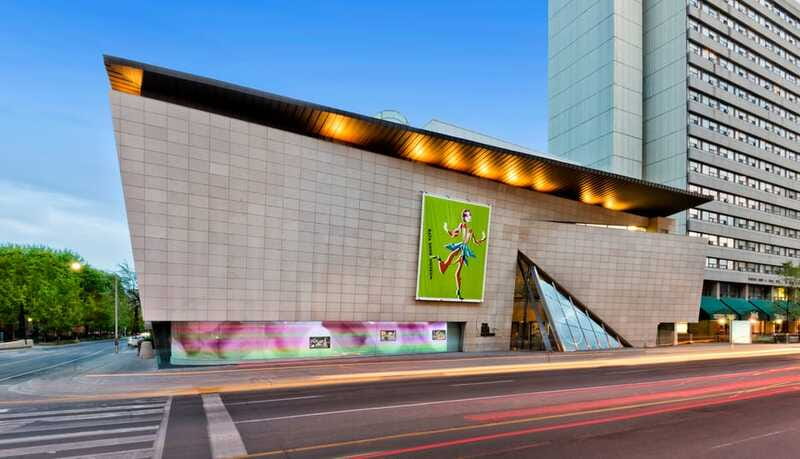
I would recommend the Bata Shoe Museum to anyone interested in fashion, design, anthropology, clothing, cultural traditions, or the history of ordinary objects. It is also a good rainy-day choice in Toronto because the visit is contained, flexible, and easy to fit into a larger downtown plan.
Families can enjoy the visual side of the collection, while adults can spend more time on the social meaning behind the objects. The museum is also a smart pick for repeat Toronto visitors who have already covered the city’s biggest attractions and want something more specific.
You may want to skip it if you dislike self-guided museums, need extensive audio-visual interpretation, or are looking only for famous paintings and large art installations. The displays depend on cases, labels, artifacts, and your willingness to make connections.
For most visitors, I would book it. The $11 price is fair, the collection is unusual, and the lower-level permanent exhibition gives the visit a clear purpose. Check the temporary exhibitions before you go, use the subway or rideshare if parking is inconvenient, and plan on one to two hours for a thoughtful visit.
FAQ
Where is the Bata Shoe Museum?
The museum is at 327 Bloor Street West in Toronto, Ontario. It can be reached by subway, car, or rideshare from downtown Toronto.
How much does admission cost?
The entrance ticket costs $11 per person.
How long is the ticket valid?
The ticket is valid for one day. You should check availability for the starting times offered when booking.
How long should I spend at the museum?
Plan on about one to two hours for a normal visit. You may need more time if you read every display carefully or have a strong interest in footwear history and design.
Is the museum wheelchair accessible?
Yes. The Bata Shoe Museum is wheelchair accessible.
Can I cancel the booking?
Yes. You can cancel up to 24 hours in advance for a full refund. A reserve-now, pay-later option is also available.
Just added around Toronto
- Toronto: Winter Niagara Falls Tour with Attractions Package★ 4.7 · 43 reviews
- Toronto: Toronto Raptors NBA Game Ticket at Scotiabank Arena★ 4.6 · 88 reviews
- Toronto Waterfront and Islands Guided Bicycle Tour★ 4.9 · 80 reviews
- Toronto: Toronto Zoo Entry Ticket★ 4.1 · 68 reviews
- Toronto: Splendours of Niagara Falls Small Group Tour w/Boat★ 4.8 · 5 reviews
- Toronto: Toronto Maple Leafs Game Ticket at Scotiabank Arena★ 4.6 · 43 reviews
- Toronto: Must Do NonTouristy Street Art Tour by local Artist★ 4.9 · 30 reviews
- Toronto Highlights Walking Tour with Tower Entry★ 4.8 · 53 reviews
Toronto Tours, compared.


Niagara Falls Canada Day Tour From Toronto + Boat Cruise Option
Read our review →

Niagara Falls from Toronto: Skip-the-Line Boat & Skylon Tower
Read our review →
Niagara Falls Tour + Boat Ride and/or Journey
Read our review →
Falls Day Tour with Boat Cruise & Niagara-the-Lake
Read our review →Browse the lists this tour appears in